
Tuaca has a flavor that's hard to pin down until it's gone. Sweet vanilla warmth, a lift of orange, and a faint herbal edge that holds the whole thing together.
When you need a tuaca substitute, the right pick depends on which part of that profile matters most in your recipe.
Most cocktails need both the vanilla body and the citrus brightness. Dessert pours lean harder on the vanilla.
Pick the wrong backup and the drink goes flat or sharp in ways that are hard to fix after mixing.
Tuaca is a sweet orange-vanilla herbal liqueur. The best all-around swap is orange liqueur plus vanilla syrup at a 1:1 ratio. For citrus-bright cocktails, Cointreau with vanilla syrup works cleanly. For warmer, dessert-style pours, amaretto with orange zest adds body and depth.
5 Best Tuaca Substitutes (Ratio Swaps)
| # | Substitute | Best For | Ratio | Key Note |
|---|---|---|---|---|
| 1 | Orange liqueur + vanilla syrup | Both | 1:1 | Closest all-around swap |
| 2 | Triple sec + vanilla extract | Both | 1:1 | Use extract sparingly |
| 3 | Amaretto + orange zest | Dessert | ¾:1 | Richer, nuttier body |
| 4 | Grand Marnier | Cocktail | ¾:1 | Add vanilla if needed |
| 5 | Cointreau + vanilla syrup | Both | 1:1 | Cleaner citrus profile |
The ratios above are your baseline. When a substitute runs sweeter than Tuaca, pull back by about 10-15% and taste before adding more.
If you want a sense of orange cognac flavor notes before committing to Grand Marnier as your swap, that context will save you a misstep. If your recipe already has strong vanilla elsewhere, skip the syrup addition and lean into the citrus side instead.
1. Orange Liqueur + Vanilla Syrup
This pairing lands closer to Tuaca's actual character than any single-bottle swap. The orange liqueur handles the citrus lift, and zest-forward citrus options can sharpen the orange even further if your liqueur is mild.
Orange Liqueur + Vanilla Syrup
Works for: cocktails, dessert pours, cream-based drinks needing vanilla-citrus balance
Skip if: recipe needs a dry, low-sugar profile - this reads noticeably sweeter than Tuaca
- Starting ratio: Mix ¾ oz orange liqueur with ¼ oz vanilla syrup to equal 1 oz Tuaca. Adjust toward more syrup for desserts.
- Sweetness control: If it tastes cloying, add a small squeeze of fresh lemon juice to bring it back into balance.
- Citrus strength: Some orange liqueurs are perfumey rather than bright. Taste first, and add a small amount of fresh orange juice if it feels flat.
2. Triple Sec + Vanilla Extract
Triple sec brings the clean citrus backbone, and vanilla extract fills in the warm finish that makes Tuaca recognizable in a glass. This combination works especially well in shaken cocktails where brightness matters.
Check how long this bright citrus spirit stays fresh before using an old bottle, since oxidized triple sec can muddy the result.
- Vanilla dosing: Start with just ⅛ teaspoon of vanilla extract per ounce of triple sec. Add in small drops - it amplifies fast.
- Best use: Cocktails, particularly sours and citrus-forward drinks where you want sharpness without heaviness.
- Bitterness risk: Alcohol-based vanilla extract can turn harsh in cold drinks. Use vanilla syrup instead if your recipe is served over ice or straight.
Skip this if your vanilla extract is old or particularly strong. A harsh vanilla note is harder to correct than a missing one.
3. Amaretto + Orange Zest
Amaretto brings a warm, sweet-almond body that feels closer to Tuaca's weight than most orange liqueurs alone. The almond flavor is real, though, and it needs orange zest to steer it away from purely nutty territory.
This is a body-forward swap, not a flavor-exact one. If you want to understand that sweet almond character better before committing, it's worth a quick read.
- When to choose it: Use this in hot drinks, dessert finishes, and cream-based cocktails where almond-vanilla warmth is welcome.
- Adding zest: Stir in ¼ teaspoon of fresh orange zest per serving. Let it sit for a minute before straining - it integrates better that way.
- Almond dominance: If the almond is too loud, add a small splash of orange juice to dilute it without losing the warmth.
Skip this if the recipe needs a crisp, bright citrus note. Amaretto reads richer and nuttier no matter how much zest you add.
4. Grand Marnier
Grand Marnier brings orange-cognac depth that's more spirit-forward than Tuaca's profile. It works well, but you generally need to pull the ratio back to about ¾ of what the recipe calls for.
If you're already swapping around Grand Marnier in other recipes, the flavor reference will click quickly.
| Use | Ratio | Notes |
|---|---|---|
| Stirred cocktail | ¾:1 | Add 2-3 drops vanilla syrup; cognac base reads strong |
| Shaken cocktail | ¾:1 | Dilution helps; vanilla less critical here |
| Dessert pour | ½:1 | Reduce significantly; add vanilla syrup to taste |
- Ratio reduction: Start at ¾ oz Grand Marnier per 1 oz Tuaca called for. Taste before adding more.
- Best use: Spirit-forward stirred cocktails where a little cognac complexity actually improves the drink.
- Adding vanilla: A few drops of vanilla syrup (not extract) softens the cognac edge and brings it closer to Tuaca's signature warmth.
Skip this if you want a pure vanilla finish. Grand Marnier alone won't deliver it, and the cognac note can dominate lighter recipes.
5. Cointreau + Vanilla Syrup
Cointreau is a cleaner, drier orange liqueur than most, which makes it a sharp base for recreating Tuaca's citrus side. Vanilla syrup adds the sweetness and warmth that Cointreau alone lacks.
Together, they match Tuaca's balance more precisely than either ingredient does on its own. For a sense of how other swaps compare to Cointreau itself, choosing a similar orange base is covered in detail elsewhere.
Cointreau + Vanilla Syrup
Works for: cocktails and desserts needing clean citrus with vanilla warmth
Skip if: recipe is already sweet - reduce or skip the syrup to avoid over-sweetening
- Dosing: Start with ¾ oz Cointreau and ¼ oz vanilla syrup per 1 oz Tuaca. Adjust the syrup amount based on how sweet the rest of the recipe runs.
- Best use: Margarita-style drinks, citrus sours, and any cocktail where Tuaca is the sweetening agent as well as the flavoring.
- Sweetness adjustment: If it tips too sweet after mixing, a small squeeze of lemon juice (about ¼ tsp) brings it back without disrupting the citrus character.
Making Tuaca Substitutes Taste Right
Getting the ratio right is only half the work. The more common issue is balance.
Tuaca is a layered liqueur, and most substitutes cover one part of that profile well but leave another part thin. Storing vanilla extract properly matters here too, because a degraded extract tastes flat and won't replicate the vanilla warmth you're after. Nutty sweet alternatives can also step in when you want warmth without citrus as the lead note.
- Vanilla in increments: Add vanilla (syrup or extract) in small doses and taste after each addition. A quarter teaspoon at a time is enough. Going over is much harder to fix than going under.
- Sweetness vs. citrus: If your substitute is too sweet, add citrus juice (lemon or orange) rather than water. It reduces perceived sweetness while keeping the flavor in the same family.
- Cocktail vs. dessert: For cocktails, prioritize citrus brightness and use less vanilla syrup. For desserts or warm drinks, lean toward vanilla body and reduce the orange component slightly.
Frequently Asked Questions
Orange liqueur mixed with vanilla syrup at a 3:1 ratio is the closest all-around match. It covers both the citrus brightness and vanilla warmth that define Tuaca's profile in cocktails.
Yes, but use it sparingly. Extract is far more concentrated and can turn bitter in cold drinks. Start with ⅛ teaspoon per ounce and taste before adding more.
Add a small splash of fresh lemon or orange juice to cut sweetness without changing the flavor family. Reduce the vanilla syrup by half as a first adjustment.
Use the orange liqueur at a 1:1 ratio and accept a brighter, less warm result. The citrus character will carry through, but the vanilla depth will be missing.
Mostly yes, but heat reduces citrus brightness, so increase the orange element slightly in baked recipes. Vanilla holds well through heat and rarely needs adjustment.
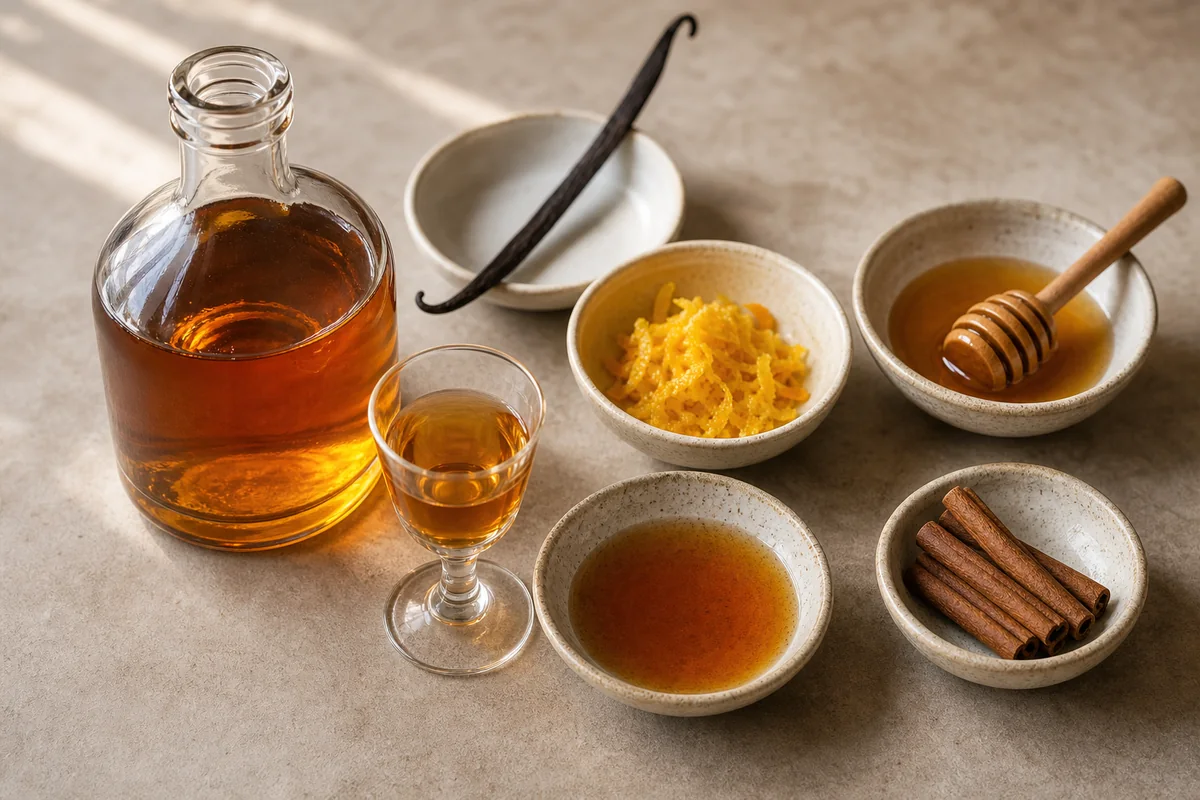
5 Best Tuaca Substitutes (Tested)
Ingredients
Equipment
Method
- Decide your goal: match Tuaca’s vanilla warmth, its orange brightness, or both (most cocktails need both).
- Use the table ratio to swap in your chosen substitute for the Tuaca amount in the recipe.
- If your substitute is missing vanilla, add vanilla syrup (or a tiny amount of vanilla extract) in small increments.
- If your substitute is too sweet or too orange-forward, balance with a small splash of citrus (lemon or orange juice) or reduce by 10–25% next time.
- Taste after mixing: Tuaca is meant to be sweet-warm, not sharp—aim for rounded citrus with a vanilla finish.
Notes
- Vanilla is the key differentiator—if your substitute doesn’t include vanilla, you’ll need to add it.
- Orange liqueurs vary in sweetness; adjust by adding citrus or reducing the swap ratio slightly.
Tried this recipe?
Let us know how it was!
Carrie is a food writer and editor with more than 15 years of experience. She has worked for some of the biggest names in the food industry, including Bon Appétit, Food & Wine, and Martha Stewart Living.
As the Editor in Chief of EpicureDelight, Carrie oversees all of the content on the site. She also manages the team of contributing writers and editors, who help to create delicious recipes, helpful tips, and informative articles that you’ll find on the site.
A native of the Chicago area, Carrie is passionate about all things food. She loves trying new restaurants and experimenting with new recipes in her kitchen. She’s also a graduate of the Culinary Institute of America, so she knows a thing or two about food!



