Go Back
+ servings
5 Best Coconut Oil Substitutes (Easy Swaps) | EpicureDelight

5 Best Coconut Oil Substitutes (Easy Swaps)

No ratings yet
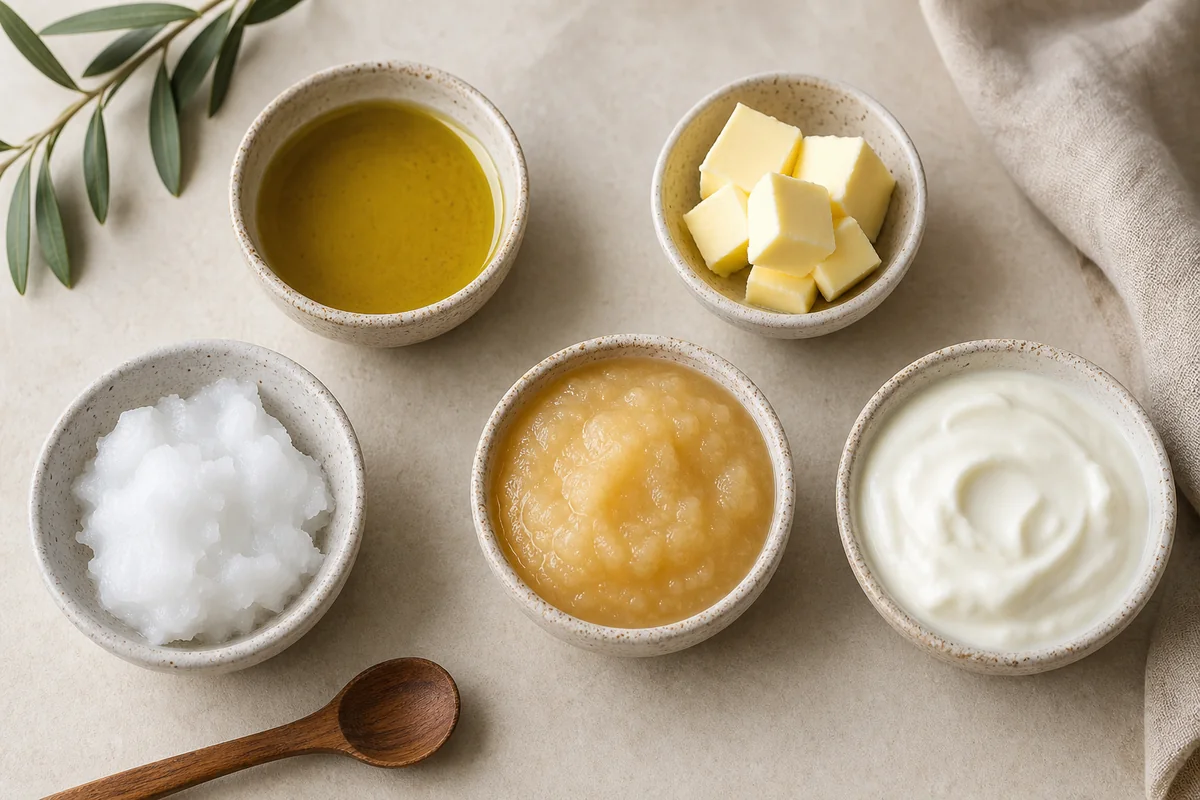
Coconut oil substitutes that preserve solid texture, neutral flavor, and cooking performance.
Prep Time 5 minutes
Cook Time 0 minutes
Total Time 5 minutes
Servings: 1 batch
Course: Substitutes

Ingredients
  

Best Matches
  • 1:1 Refined avocado oil Neutral flavor and high-heat stability; best when you only need the fat, not the coconut-oil aroma.
  • 1:1 Unsalted butter (melted, then cooled slightly) Closest creamy mouthfeel for baking; cool it a bit so it doesn’t separate in batters.
Good Alternatives
  • 1:1 Ghee (clarified butter) Similar solid-fat behavior when chilled; adds rich, nutty butter flavor.
  • 1:1 Cocoa butter (for solid texture) Very solid at room temp; use for recipes needing a firmer coconut-oil texture (especially small-batch desserts).
  • 1:1 Palm shortening (unflavored, solid) Solid fat replacement that mimics coconut oil’s firmness; use when you need scoopable texture.
Emergency Swaps
  • 1:1 Olive oil (light/extra-light) or neutral olive oil Works for liquids-only needs (sautéing, pan greasing), but it won’t recreate coconut oil’s solid texture.
  • 1:1 Lard Excellent for baking and frying; savory richness may change flavor in sweet recipes.

Equipment

  • Measuring cups and spoons or kitchen scale
  • Small saucepan or microwave-safe bowl (for melting)
  • Spoon or whisk
  • Sifter or bowl for dry ingredients (optional)

Method
 

  1. Identify your goal: baking texture, frying/heat performance, or skin/hair conditioning—then choose the closest substitute from the table.
  2. Use the listed ratio (most swaps are 1:1 by weight/volume equivalence for fats in recipes).
  3. For butter- or ghee-based swaps, melt then cool 2–5 minutes before mixing so the fat doesn’t shock the batter.
  4. For solid replacements (cocoa butter or palm shortening), keep the fat at room temperature so it creams or blends smoothly.
  5. If the recipe texture seems off, adjust with 1–2 teaspoons per cup: add a bit more liquid for dry batter or chill longer if it won’t firm.
Notes

  • Swap ratios assume you’re replacing fat in a recipe; for skin/hair uses, texture match matters more than flavor.

Tried this recipe?

Let us know how it was!