Go Back
+ servings
5 Best Green Chartreuse Substitutes You Can Trust | EpicureDelight

5 Best Green Chartreuse Substitutes You Can Trust

No ratings yet
Green chartreuse substitutes that match herbal, minty-lime complexity for cocktails, drizzles, glazes, and baking.
Prep Time 5 minutes
Cook Time 0 minutes
Total Time 5 minutes
Servings: 1 batch
Course: Substitutes

Ingredients
  

Best Matches
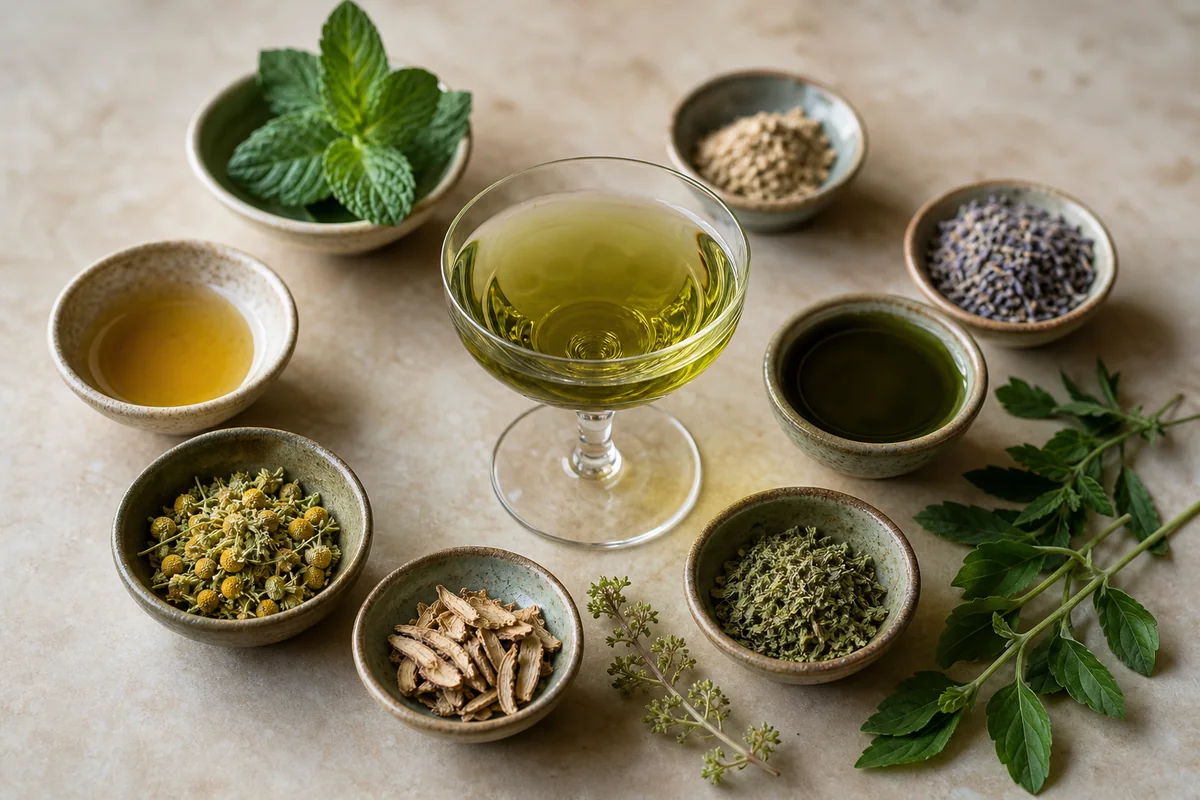
  • 1:1 Yellow chartreuse Closest Chartreuse-style herbal profile; slightly more mellow and warmer than green—use 1:1.
  • 1:1 Herbal liqueur (green, menthol-minty style) Keeps the herbal/minty top notes; choose a green bottle profile (similar botanical sweetness).
Good Alternatives
  • ¾:1 Absinthe (green) Very aromatic but more intense/anise-forward; reduce to avoid overpowering.
  • 1:1 Dry gin + a touch of mint syrup (or crème de menthe) Best when you need the alcohol + botanicals; add mint sweetness to mimic Chartreuse’s herbal finish.
Emergency Swaps
  • 1:3 Green peppermint extract (or peppermint oil) + vodka Flavor-only emergency swap: use very small extract amounts; vodka supplies alcohol body.
  • 1:1 Green herbal bitters (with a splash of simple syrup) Bitters lack the liqueur sweetness; add a small syrup splash so it behaves like a liqueur.

Equipment

  • Measuring spoons (or a jigger)
  • small tasting spoon
  • Airtight bottle/jar for mixing (optional)

Method
 

  1. Identify your use case: cocktails/drinks vs. baking vs. sauces/glazes (alcohol evaporates differently than herbal top notes).
  2. Start with the listed ratio for your substitute, then taste as you go—Chartreuse is herbal and sweet, not just “minty.”
  3. If your substitute is too intense (e.g., absinthe or extract), reduce the amount and add a small sweetness bump to smooth it out.
  4. When using in baking or long-cooked sauces, add the substitute earlier for body or later for brighter aroma depending on the dish.
  5. For extract/oil swaps, avoid over-concentration: add gradually and dilute with vodka or another neutral alcohol.
Notes

  • Chartreuse flavor comes from complex botanicals plus sweetness; aim for both, not just one note.
  • If your substitute is darker/more anise-forward, reduce slightly and add a small sweetness correction.

Tried this recipe?

Let us know how it was!