Go Back
+ servings
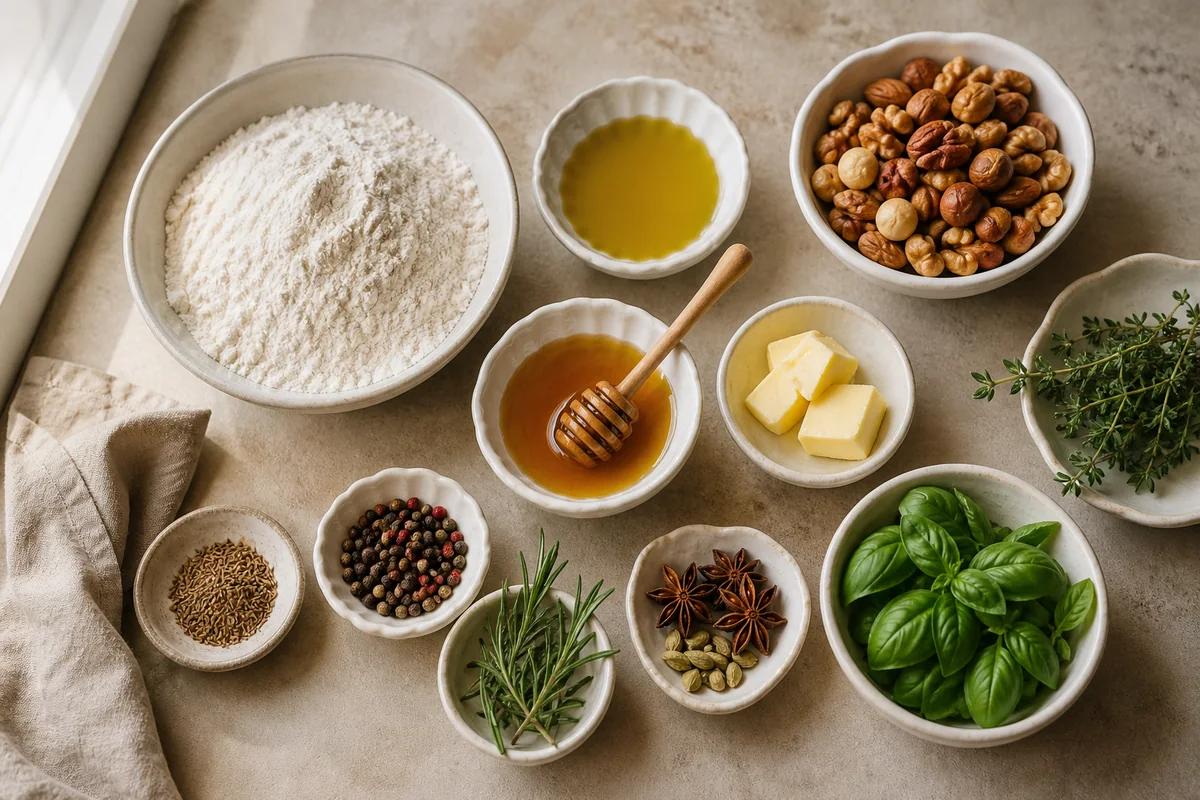
Assorted pantry cooking ingredients in small bowls - ingredient substitutes | EpicureDelight

5 Best Maida Flour Substitutes Worth Trying

No ratings yet
Maida is a finely milled, lower-protein wheat flour—these swaps keep dough tender and easy to shape.
Prep Time 5 minutes
Cook Time 0 minutes
Total Time 5 minutes
Servings: 1 batch
Course: Substitutes

Ingredients
  

Best Matches
  • 1:1 All-purpose flour (plain) Closest availability; slightly firmer than maida, so hydrate the dough if needed.
  • 1:1 Wheat pastry flour Lower protein than all-purpose; helps maintain a tender, pliable dough.
Good Alternatives
  • ⅞:1 Cake flour Much finer and softer—use slightly less to avoid overly delicate dough.
  • ¾ + ¼:1 All-purpose flour + cornstarch (blended) Reduces protein like maida’s softer feel; best for crisp-fried batters and flat breads.
Emergency Swaps
  • 1:1 (blend) Rice flour + tapioca starch (blend) Gluten-free option; dough needs resting/binding and may feel more delicate.

Equipment

  • Kitchen scale (recommended for best ratio accuracy)
  • Whisk or fork for blending flour + starch
  • Small bowl for texture test batch

Method
 

  1. Identify your recipe: fried (batter/dough), baked (cakes/pastries), or thick thickening (coating/roux).
  2. Choose the closest match from the list: use the 1:1 options first for the least change.
  3. Measure by weight when possible; for cake flour, use the listed reduced ratio to avoid crumbly dough.
  4. Adjust hydration gradually: if the dough feels tight, add a few teaspoons of water (or milk) and rest 5 minutes.
  5. Test texture before committing—make a 1-2 bite trial (fry or bake) and refine with 1-2 tablespoons flour or water.
Notes

  • For frying dough/batters, prioritize substitutes that keep tenderness and don’t make the coating too tough.
  • Protein level is the main driver of chew and toughness; adjust water/oil to correct the feel.

Tried this recipe?

Let us know how it was!