
Yoshida sauce has a distinctive sweet-savory glaze that makes it hard to swap out without thinking it through. The sauce combines soy sauce, mirin or sugar, and a rich savory base, landing somewhere around 25-35% sweet, 15-25% salty, and 40-60% umami by flavor balance.

That layered profile is why a plain soy sauce swap never quite works.
Running out mid-recipe is frustrating, and Yoshida is not always on every grocery shelf.
The good news is that five reliable substitutes cover every cooking scenario, from grilling salmon to stir-frying beef. Each option below comes with an exact ratio, a best-use context, and the main tradeoff so you pick with confidence.
If you have ever navigated pesto sauce substitutes for pasta dishes, you know how much a ratio-first approach saves guesswork.
All five substitutes work with pantry staples you likely already have.
Yoshida sauce blends soy, mirin, and sweetener into a thick, umami-rich glaze. The five best substitutes are a teriyaki blend, sweet-soy glaze, Worcestershire-honey fusion, miso-soy mix, and fish sauce with sweetener. Each matches a different protein and cooking method at a 1:1 ratio unless noted.
Yoshida Sauce Substitutes in Detail
Each substitute below targets a specific cooking scenario. Read the ratio and best-use note before you reach for a bottle.
1. Teriyaki-Blend Simulacrum
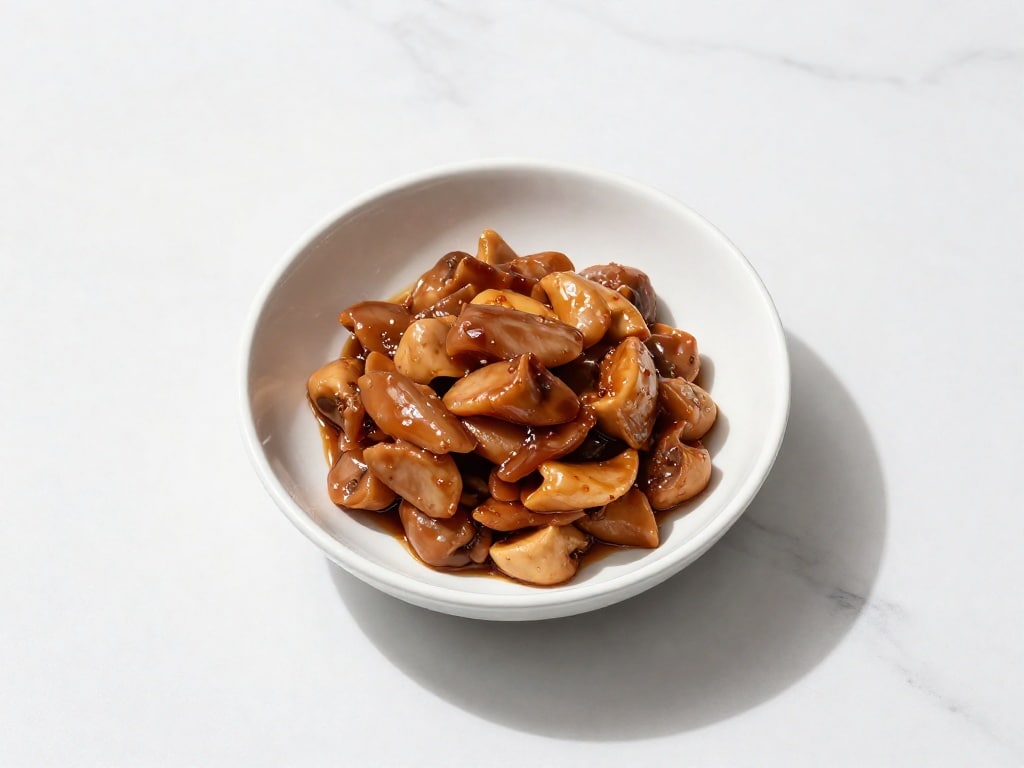
This is the closest you will get to Yoshida without using the original. Combine equal parts soy sauce, mirin, and sugar, stir until the sugar dissolves, and use it at a 1:1 ratio.
Swap brown sugar for white if you want a slightly deeper, molasses-tinged sweetness that adults tend to prefer.
It works best on chicken teriyaki, salmon fillets, and roasted vegetables because the mirin provides the same glossy finish Yoshida leaves on grilled proteins.
You can thin the blend with a splash of water for lighter stir-fries, or reduce it in a pan for 3-4 minutes to get a thicker glaze for broiled dishes.
- Ratio: 1:1 with Yoshida sauce, no adjustment needed at the start.
- Best proteins: Chicken thighs, salmon, firm tofu, and roasted peppers all take this glaze well.
- Sweetness tweak: Use brown sugar for adults, slightly less sugar for kids who prefer milder sweet notes.
- Stir-fry tip: Add the blend at the end of cooking to preserve the gloss without burning the sugar.
The teriyaki blend is the closest flavor match to Yoshida for chicken, salmon, and glazed vegetables. Use equal parts soy, mirin, and brown sugar for the deepest result.
2. Sweet-Soy Glaze (1:1)
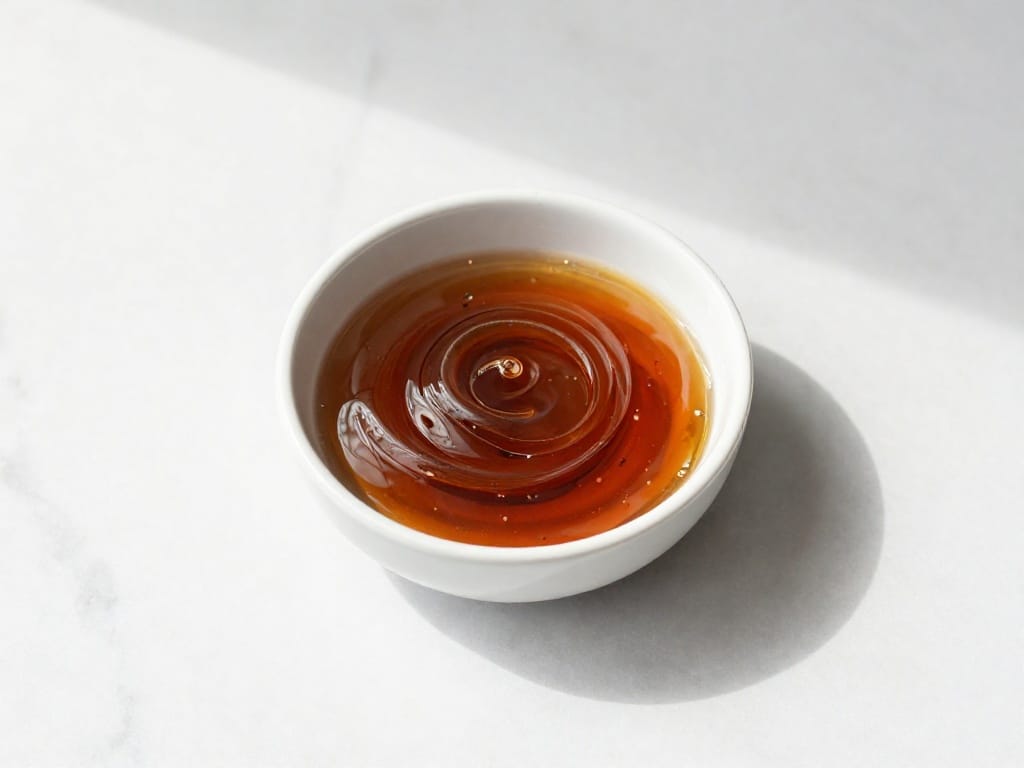
Mix 1 part soy sauce with 1 part honey or maple syrup, then add a small splash of rice vinegar for brightness. Use reduced-sodium soy sauce here so the salt level stays manageable, especially when the sauce reduces during cooking.
Add a ¼ teaspoon of grated ginger for warmth if you are using this on tofu or pork. The main tradeoff is caramelization risk: honey burns faster than mirin, so keep your pan at medium heat and watch the glaze carefully.
For roasted dishes, pull the protein out at 400°F after 20 minutes and apply the glaze in the last 5 minutes only. For chili sauce substitutes, a similar vinegar-balance principle applies when managing acidity in glazes.
- Ratio: 1:1 soy to honey, plus 1 teaspoon rice vinegar per 3 tablespoons of mix.
- Best uses: Glazed tofu, pork tenderloin, sheet-pan salmon, and broiled eggplant.
- Ginger note: Optional but highly recommended for warmth on any white fish or chicken breast.
Omitting the rice vinegar is fine if you want a pure sweet glaze, but it will taste flat without that small acidic lift. Even half a teaspoon makes a difference.
3. Worcestershire-Honey Fusion
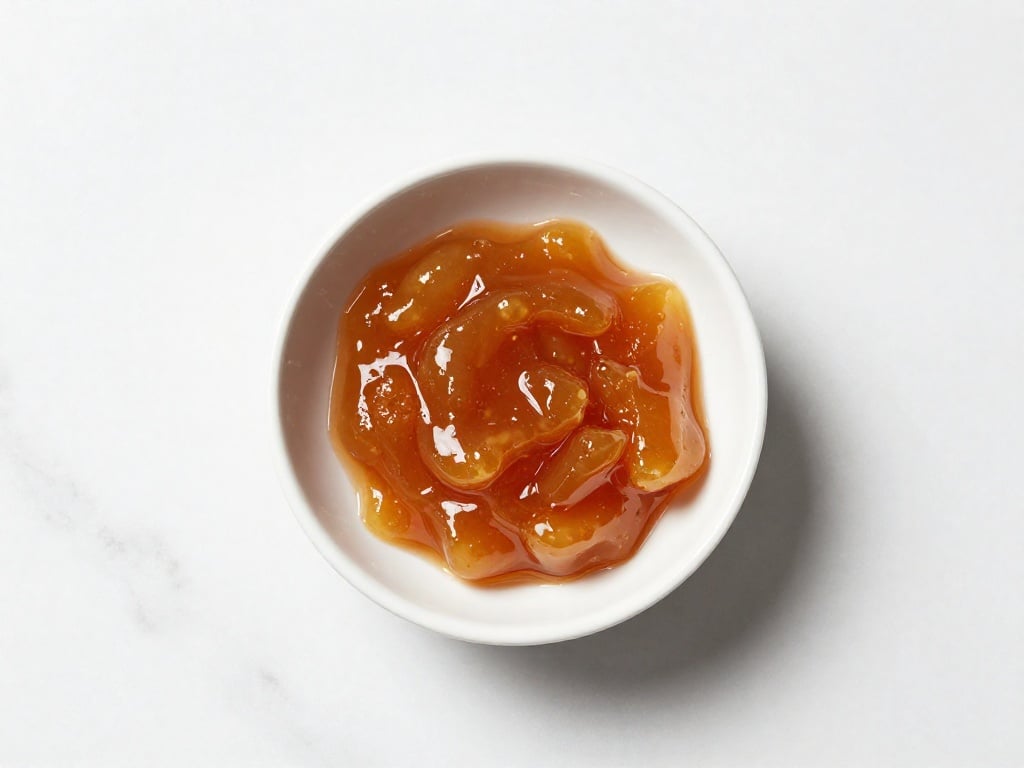
Worcestershire sauce brings umami and a subtle tang that works well for beef and pork, where Yoshida's deeper savory notes are most needed. Combine 2 parts Worcestershire with 1 part honey and 1 part soy sauce, then taste before using.
The honey balances the acidity that Worcestershire carries naturally.
This blend is excellent on grilled steak, braised short ribs, and hearty root vegetables like carrots and parsnips. It is less suited for delicate fish.
For salt-sensitive cooking, reduce the soy sauce portion and replace it with a splash of water or low-sodium broth. You can find a similar balancing approach when working with malt vinegar substitutes, where acid and sweetness need to offset each other.
- Ratio: 2 parts Worcestershire + 1 part honey + 1 part soy sauce.
- Best proteins: Beef, pork shoulder, lamb chops, and roasted root vegetables.
- Tang control: For kids or low-acid preferences, reduce Worcestershire to 1 part and increase honey slightly.
- Salt control: Swap soy for low-sodium broth to dial down the salt without losing depth.
Pre-mix this blend in a small jar and refrigerate it for up to 2 weeks. It works as a ready marinade for weeknight steak or pork chops without any additional prep.
4. Miso-Soy Quick Mix
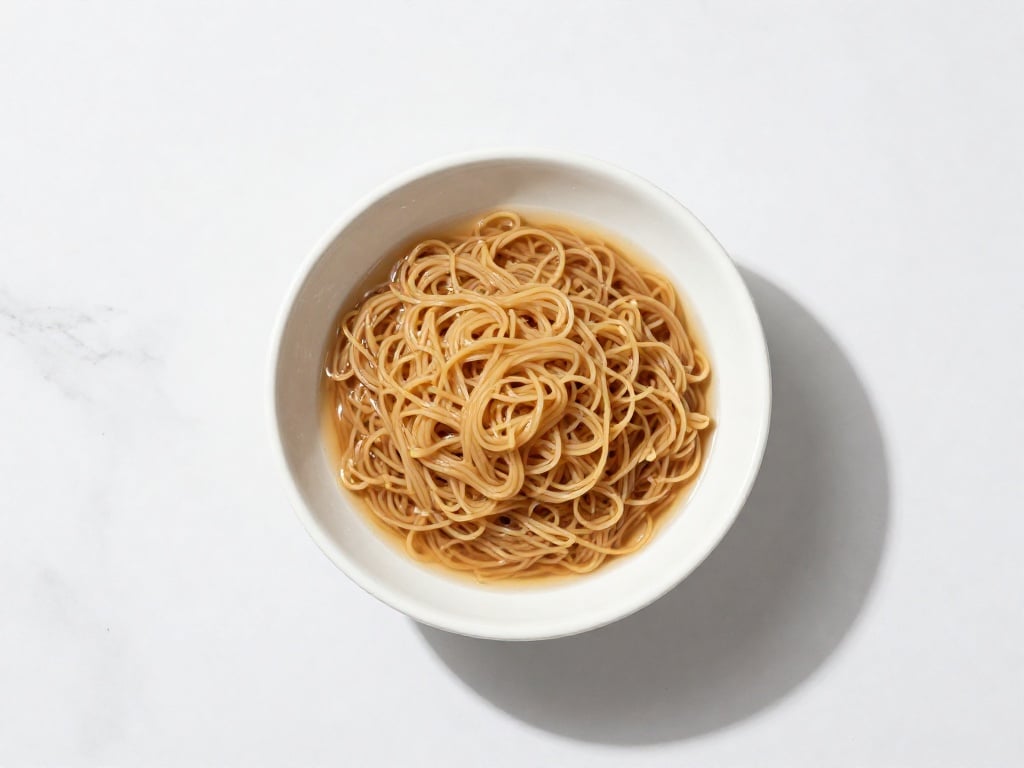
Dissolve 1 part white miso in 2 parts soy sauce with a small pinch of sugar, whisking well until no lumps remain. White miso is milder and sweeter than red or barley miso, which makes it the right choice here for approximating Yoshida's gentler savory depth.
If the mix feels too thick, thin it with a tablespoon of warm water or low-sodium stock rather than adding more soy.
This substitute is best in marinades and dipping sauces rather than high-heat glazes, since miso can scorch at temperatures above 375°F. It works particularly well on chicken, salmon, and noodle dishes where you want deep umami with restrained sweetness.
For an emulsified finish, whisk in a few drops of sesame oil. Similar emulsification logic applies when substituting for Chinkiang vinegar in dipping sauces where texture balance matters.
- Ratio: 1 part white miso dissolved in 2 parts soy sauce, plus sugar to taste.
- Best uses: Chicken marinades, noodle dipping sauces, miso-glazed salmon at 350°F.
- Lump fix: Always whisk miso into warm (not cold) soy sauce to prevent clumping.
- Emulsify: A few drops of sesame oil or a tiny amount of rice vinegar help the mix stay smooth.
For marinades and cold dipping sauces, the miso-soy mix delivers the deepest umami of all five substitutes. Use white miso only for the mildest, most Yoshida-adjacent result.
5. Fish Sauce + Sweetener
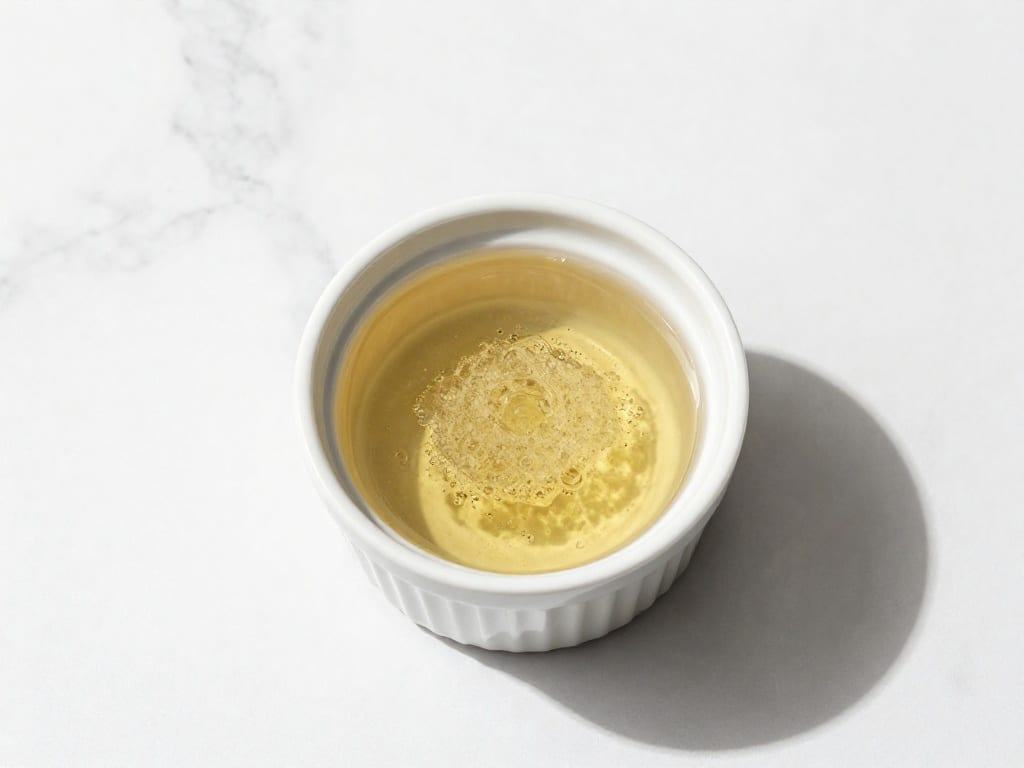
Combine 1 part fish sauce with 2 parts honey or brown sugar and a small splash of rice vinegar to round the edges. Fish sauce provides intense salt and umami in a way that mirrors Yoshida's amino-rich base, so use it sparingly.
Start with half the amount you would use of Yoshida and scale up after tasting.
This blend is best on seafood and poultry, where the amino depth amplifies natural flavors without overwhelming them. It is too strong for delicate white fish like tilapia or sole.
For a lighter result, add a tablespoon of water per 3 tablespoons of the mix. The vinegar splash is important: without it, the sweetness sits too flat and the fish sauce note dominates.
If managing strong savory flavors reminds you of tomato sauce substitutes, the same rule of starting small and tasting applies here.
- Ratio: 1 part fish sauce + 2 parts honey + 1 teaspoon rice vinegar per 3 tablespoons total.
- Best proteins: Shrimp, chicken thighs, duck breast, and firm tofu.
- Moderation rule: Start at half the called-for Yoshida amount; fish sauce is much saltier by volume.
- Kid-friendly adjustment: Reduce fish sauce to ½ part and increase honey to soften the pungency.
Fish sauce is significantly saltier than Yoshida. Never substitute at a straight 1:1 ratio without tasting first, or the dish will be over-salted and difficult to fix.
Save This for Later
Pin this savory tweaks: 5 best yoshida sauce substitutes guide so you always have it when you need it.
Pin This GuideUse this table to scan all five options quickly and pick the one that fits your dish, protein, and time. Each entry reflects the ratios and notes covered above.
| # | Substitute | Ratio | Best For | Taste Match |
|---|---|---|---|---|
| 1 | Teriyaki Blend (soy + mirin + sugar) | 1:1 | Chicken, salmon, roasted veggies | Close |
| 2 | Sweet-Soy Glaze (soy + honey + vinegar) | 1:1 | Tofu, pork, broiled fish | Close |
| 3 | Worcestershire-Honey Fusion | 2:1:1 | Beef, pork, root vegetables | Mild difference |
| 4 | Miso-Soy Quick Mix | 1:2 (miso:soy) | Marinades, dipping sauces, salmon | Mild difference |
| 5 | Fish Sauce + Sweetener | 1:2 (fish sauce:honey) | Shrimp, chicken, duck | Different but umami-rich |
How to Choose the Right Substitute?
The best pick depends on three things: your protein, how sweet you want the result, and your cooking method. Grilling and high-heat roasting favor the teriyaki blend and sweet-soy glaze because both hold up well under direct heat.
Marinades and low-heat cooking suit the miso-soy mix. Beef and pork point toward the Worcestershire-honey fusion, while seafood and poultry work best with the fish sauce blend or teriyaki base.
- Grill or broil: Use the teriyaki blend or sweet-soy glaze; both caramelize into a proper glaze at medium-high heat.
- Stir-fry: The teriyaki blend added at the end of cooking keeps the wok from smoking.
- Marinade (overnight): Miso-soy mix or sweet-soy glaze penetrate proteins well without turning them mushy.
- Roast at 400°F: Apply any glaze in the last 8-10 minutes only to prevent burning.
- Beef and pork: Worcestershire-honey fusion gives the deepest savory base for red meat.
- Seafood and poultry: Fish sauce blend or teriyaki base keep the flavor profile clean and bright.
You can also combine substitutes when needed. A mix of the miso-soy base and the sweet-soy glaze, for example, produces a more complex, layered flavor close to Yoshida's original depth.
Start at a 1:1 combination of the two and adjust salt with water or low-sodium broth.
For grilled chicken or salmon, the teriyaki blend is the fastest and most accurate Yoshida replacement. For beef, reach for the Worcestershire-honey fusion every time.
Dietary and Fusion Adaptations
Several of these substitutes fit specific dietary needs with minor adjustments. For a gluten-free version, replace standard soy sauce with tamari in any of the five blends, including the teriyaki and miso-soy options.
Tamari performs identically in glazes and marinades. For a vegan result, the teriyaki blend, sweet-soy glaze, and miso-soy mix are all naturally plant-based.
Skip the fish sauce blend and use a few drops of grain-based thickeners if you need to adjust consistency in vegan sauces.
Fusion recipes benefit from these substitutes when Yoshida's specific flavor profile is less critical. A Korean-style marinade, for instance, works well with the miso-soy mix plus a pinch of gochugaru.
A Hawaiian-inspired glaze uses the sweet-soy blend with a tablespoon of pineapple juice in place of the rice vinegar. The principle of swapping for texture and flavor together applies equally in fusion sauces as it does in baking.
For gluten-free needs, swap soy sauce for tamari at a straight 1:1 ratio in any of the five blends. The flavor difference is negligible, and the glaze texture stays identical.
Frequently Asked Questions
Do substitutes affect texture compared to original Yoshida sauce?
Most blends produce a slightly thinner glaze than Yoshida. Reduce the mix in a pan for 3-4 minutes to achieve a similar thick, glossy consistency before applying to protein.
Which of these substitutes are vegan?
The teriyaki blend, sweet-soy glaze with maple syrup, and miso-soy mix are all fully vegan. The fish sauce blend is not; replace it with soy sauce plus a small piece of dried kombu for a vegan umami match.
Can these substitutes be used in cold sauces and dressings?
Yes. The miso-soy mix and sweet-soy glaze both work well cold. Whisk in a teaspoon of sesame oil and a splash of rice vinegar to make a versatile dipping base that keeps well for up to 5 days refrigerated.
Are these substitutes safe and mild enough for kids?
The teriyaki blend and sweet-soy glaze are the most kid-friendly. Reduce or skip the fish sauce blend entirely for young palates, since its saltiness and pungency are noticeable even in small amounts.
How long do these mixed substitutes last once prepared?
All five blends keep for up to 2 weeks in a sealed jar in the refrigerator. The miso-soy mix may thicken slightly when chilled; stir in a teaspoon of warm water before each use to restore consistency.
Savory Tweaks: 5 BEST Yoshida Sauce Substitutes
Ingredients
Method
- Choose your substitute based on the dish type and desired flavor match.
- Prepare the substitute as directed: adjust ratios and prep as noted for each option.
- Apply the substitution ratio carefully. Start with the stated amount and adjust to taste.
- Taste and adjust seasoning. Some substitutes shift flavor or texture slightly.
Notes
- For gluten-free cooking, replace soy sauce with tamari at a 1:1 ratio in any of the five blends.
- High-sugar blends like the sweet-soy glaze and teriyaki blend caramelize quickly; apply them in the last 5-8 minutes of cooking to prevent burning.
Tried this recipe?
Let us know how it was!
Carrie is a food writer and editor with more than 15 years of experience. She has worked for some of the biggest names in the food industry, including Bon Appétit, Food & Wine, and Martha Stewart Living.
As the Editor in Chief of EpicureDelight, Carrie oversees all of the content on the site. She also manages the team of contributing writers and editors, who help to create delicious recipes, helpful tips, and informative articles that you’ll find on the site.
A native of the Chicago area, Carrie is passionate about all things food. She loves trying new restaurants and experimenting with new recipes in her kitchen. She’s also a graduate of the Culinary Institute of America, so she knows a thing or two about food!



