
Pisco is a grape-based brandy distilled in Peru and Chile, typically landing between 38-48% ABV. Its floral, fruity aroma is what makes a Pisco Sour so distinctive.

When you run out of it, finding a substitute that keeps the drink balanced takes a bit of thought.
The classic Pisco Sour calls for 2 oz pisco, 1 oz lime juice, ¾ oz simple syrup, 1 egg white, and a dash of Angostura bitters.
That balance of aroma, sweetness, and acidity is what you need to protect when you swap in a different spirit.
Not all substitutes behave the same way. Brandy keeps grape aroma intact.
Rum shifts the drink toward citrus and lightness. Vodka strips back almost all aroma and lets lime do the work.
Grappa pushes grape character harder than pisco itself.
This guide covers all four options with exact ratios and notes on how each one changes the final drink. If you have made swaps in white wine substitutes in risotto, the same principle applies here: match the flavor function, not just the volume.
Each substitute works at a 1:1 ratio unless noted, so no math required.
The best pisco substitutes are brandy, white rum, vodka, and grappa, all used at a 1:1 ratio. Brandy is the closest flavor match. Rum brightens citrus. Vodka is the most neutral. Grappa delivers intense grape character. Adjust lime and syrup slightly for any swap.
Substitutes at a Glance
These four substitutes cover the full range of pisco's flavor profile, from grape-forward to completely neutral. Use this table to pick your swap at a glance before reading the full breakdown below.
Every option works at a 1:1 ratio in a standard Pisco Sour, though you may need minor adjustments to simple syrup or lime juice depending on the spirit's natural sweetness.
| # | Substitute | Ratio | Best For | Taste Match |
|---|---|---|---|---|
| 1 | Brandy (VSOP or VS) | 1:1 | Cocktails, fruit-forward drinks | Close |
| 2 | White Rum | 1:1 | Light cocktails, citrus-forward drinks | Mild |
| 3 | Vodka | 1:1 | Neutral base, foam-focused drinks | Different |
| 4 | Grappa | 1:1 | Grape-forward cocktails, bold drinks | Close (intense) |
Save This for Later
Pin this 4 best pisco substitutes in pisco sour drink guide so you always have it when you need it.
Pin This GuidePisco Substitutes in Detail
Each substitute below gets a full breakdown of how it performs in a Pisco Sour, what it changes, and how to get the best result with it.
1. Brandy (Typically VSOP or VS)
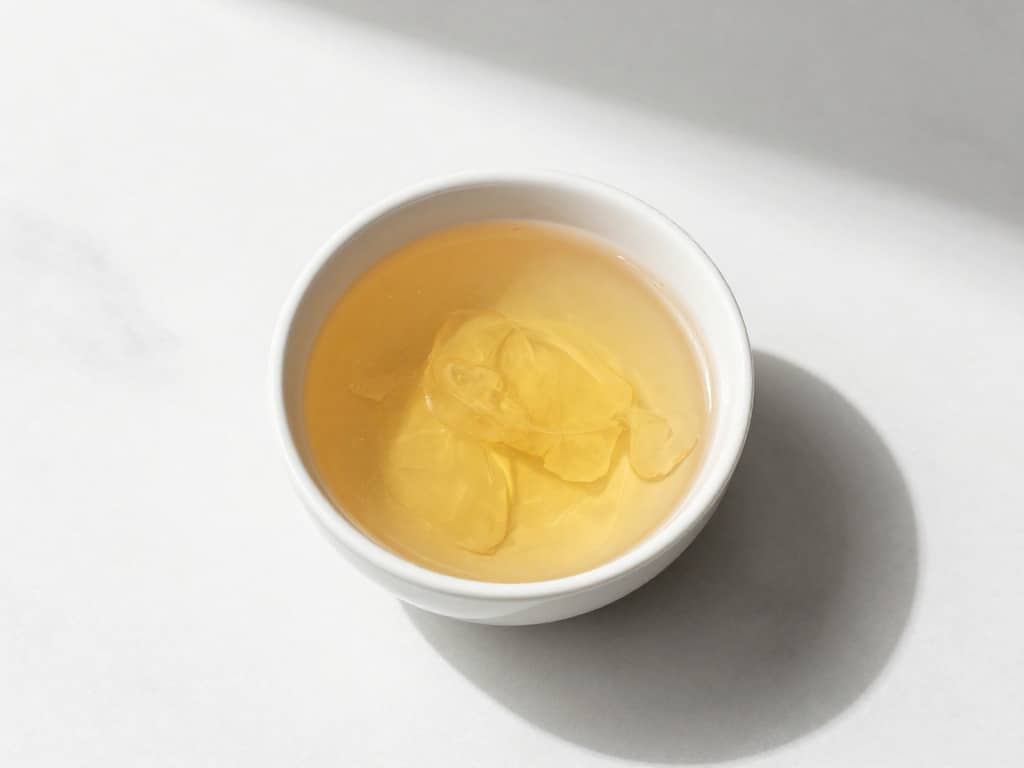
Brandy is the most faithful swap for pisco. Both are grape-derived spirits, so the foundational aroma stays close.
Brandy shares grape-derived aroma with pisco, but typically carries softer acidity and slightly more oxidation character from barrel contact.
In a Pisco Sour, brandy smooths acidity while maintaining the overall balance of the drink. If you want more fruitiness, reach for a VS (Very Special) brandy, which has less wood influence.
A VSOP adds gentle oak that sits quietly behind the lime and egg foam. Use it at a 1:1 ratio with no other changes needed as a starting point.
If the drink tastes flatter than expected, reduce simple syrup by ¼ oz. Brandy can carry a little more natural sweetness than pisco, and that shift can dull the sour edge.
For a fruit-forward boost, add a small pour of white grape juice alongside the brandy. Knowing how to approach white wine substitutes follows similar logic: lean toward the version with the least oak influence for the brightest result.
Brandy is the closest aromatic match to pisco. Use it in cocktails where a fruit-forward, grape-driven note matters most.
2. White Rum
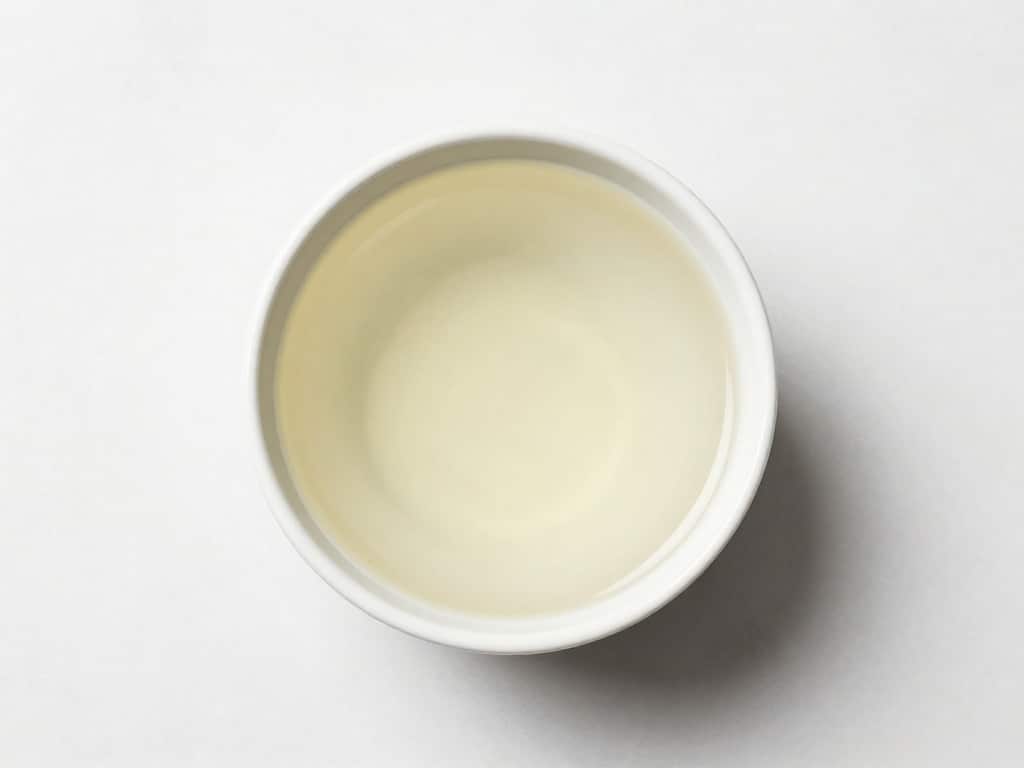
White rum swaps in at a 1:1 ratio and keeps the drink light and clean. It is typically 40% ABV with a neutral, clean flavor profile, making it easy to blend with lime juice without overpowering the sour framework.
You lose the grape aroma, however the citrus notes in the cocktail become noticeably brighter.
Rum's natural vanilla and estery notes can subtly shift the perceived fruitiness of the drink. The result is a Pisco Sour that leans tropical without going full Daiquiri.
If you prefer that the lime stays front and center, this is a reliable option. Understanding the full flavor profile of white rum helps you predict exactly how the swap will land in the glass.
You may want to reduce simple syrup by ¼ oz if your rum is on the sweeter side. Drier white rums, particularly those from Puerto Rico or Barbados, stay closer to the pisco template.
If you regularly swap rum-based extracts in baking, the same flavor logic from rum extract substitutes applies: neutral versions perform more predictably than flavored ones.
White rum is a great all-around lighter substitute. It preserves body and foam with less grape-forward aroma than brandy or grappa.
3. Vodka (Neutral Spirit)
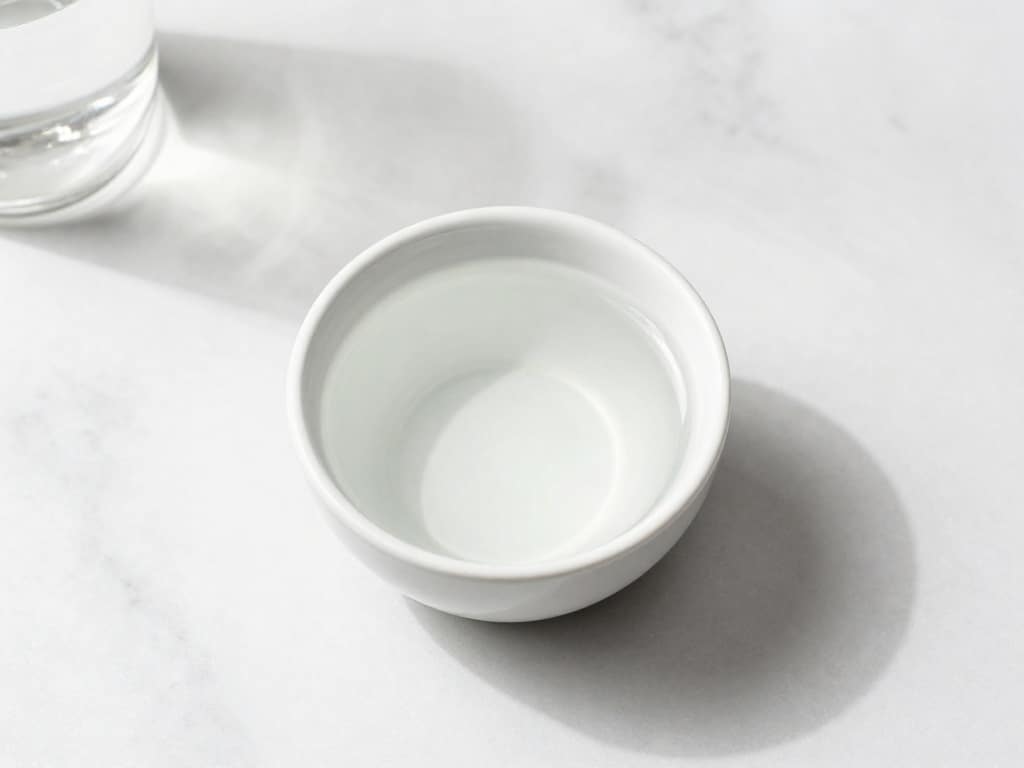
Vodka strips aroma almost entirely, which changes the drink more than any other option on this list. It is flavor-neutral and typically 40% ABV, so the lime juice, simple syrup, and egg white foam become the defining elements of the cocktail.
That can actually work in your favor if you want a cleaner, sharper drink.
Using vodka reduces aroma complexity significantly. To maintain balance, keep the sweet/sour ratio tight: 1 oz lime juice and ¾ oz simple syrup remain good anchors.
Without pisco's natural grape sweetness, the lime can seem more aggressive. Taste after the dry shake and before adding ice.
If the drink is too sharp, add a small extra splash of simple syrup.
Vodka works especially well when you want the egg white foam to be the visual star of the drink. The neutral base lets the foam texture shine without competing aromas.
It is a solid choice for guests who prefer a lighter, less winey flavor. The same neutral-base philosophy applies when you consider white pepper substitutes: sometimes a milder option serves the overall dish better.
Vodka is the least faithful to pisco's aroma. Use it only when you want a clean, neutral base where lime and foam carry the drink.
4. Grappa or Grape Brandy
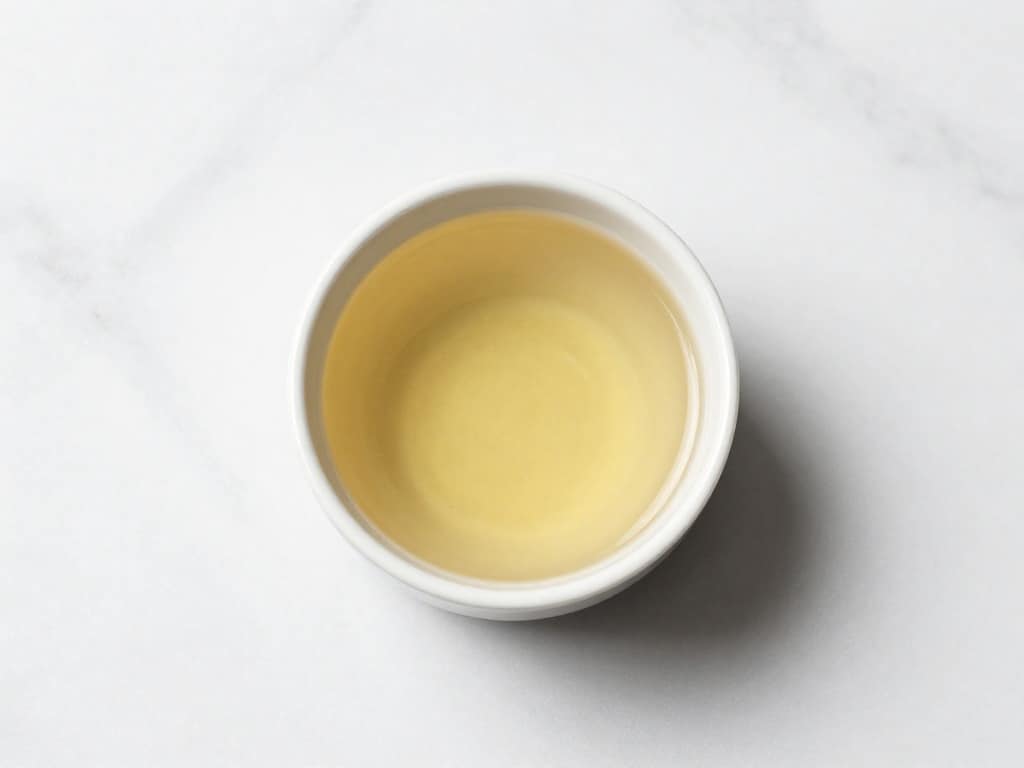
Grappa is a grape-based spirit with variable phenolic character and sometimes higher astringency than pisco.
It is distilled from grape pomace (the skins, seeds, and stems left after winemaking), which gives it an earthy, intensely grapey note that can shift the cocktail toward a more herbal profile.
Use grappa at a 1:1 ratio, however taste immediately after shaking. Some grappas carry a sharper bite than pisco, especially younger unaged expressions.
If the cocktail feels harsh, increase simple syrup by ¼ oz to soften the edge. Aged grappa (affinate) smooths out considerably and behaves more like a light brandy in the glass.
Grappa is the right call when you want maximum grape intensity and do not mind a bolder, more rustic result. It is a specialty pick rather than an everyday swap.
For cocktails where grape character is the point, it outperforms both brandy and rum. Finding the right balance with strong-flavored substitutes is a skill that transfers across recipes, including decisions like white miso paste substitutes where intensity management is equally important.
Grappa delivers the most intense grape character of all four options. Adjust sweetness slightly upward to keep the cocktail balanced.
Decision Guide: Pick the Right Substitute
Use this flow to land on the right swap in under a minute. Start with what matters most to you in the drink, then follow the path.
- Want fruit-forward, grape aroma? Brandy (VSOP or VS) at 1:1 is your first stop. It stays closest to pisco's natural character.
- Want a light, citrus-bright drink? White rum at 1:1 lets lime and simple syrup lead without competition from grape notes.
- Want a clean neutral base? Vodka at 1:1 strips aroma and lets foam and acidity define the drink.
- Want maximum grape intensity? Grappa at 1:1 pushes grape character harder than pisco, so add a touch more simple syrup.
When nothing on the shelf is a clear fit, a half-and-half mix of brandy and vodka gives you a middle-ground option with moderate aroma and a clean finish.
For navigating similar decisions with pantry staples, light corn syrup substitutes use the same approach: match the function and adjust intensity.
Use substitutions to adjust aroma and texture, but never exceed a 1:1 volume swap without first planning your sweetness and acidity adjustments.
How to Adjust a Pisco Sour When Substituting?
Swapping the base spirit is only half the work. The acid and sweetness levels in the drink need to stay in proportion, and the foam needs proper technique to hold up regardless of which spirit you use.
After swapping pisco, always dry shake first (no ice) to build foam, then shake with ice to chill. Taste before serving. Adjust lime juice by ¼ oz increments and simple syrup by the same. Aquafaba works at 1 oz as an egg-free foam option.
Foam stability depends on the dry shake, not the spirit. Shake without ice for 15 seconds first, then add ice and shake again for 10 seconds.
This double-shake method works regardless of which substitute you use. If the foam collapses quickly, your shaker or glass may be too warm.
Aquafaba (the liquid from canned chickpeas) replaces egg white at a 1 oz to 1 egg white ratio. It produces a slightly less rich foam, however it holds shape well for 2-3 minutes.
The dash of Angostura bitters on top is cosmetic and aromatic, not structural, so keep it regardless of which swap you make.
For guides on swapping dairy-adjacent ingredients with similar care, white cheddar substitutes and white American cheese substitutes both demonstrate how small adjustments in quantity protect the final texture. The same incremental approach applies here.
- Vodka swap: Add an extra ¼ oz lime juice to compensate for lost grape acidity.
- Rum swap: Reduce simple syrup by ¼ oz if using a sweeter rum expression.
- Brandy swap: No changes needed as a starting point; taste and tweak if it seems flat.
- Grappa swap: Add ¼ oz simple syrup to soften the spirit's natural bite.
- Bitters: Keep the Angostura dash. It adds aroma contrast that helps any substitute smell closer to the original.
Frequently Asked Questions
Can I use more lime juice if I substitute pisco with vodka?
Yes. Adding an extra ¼ oz of lime juice compensates for vodka's lack of natural grape acidity, keeping the sour profile sharp and well-defined.
Will using rum reduce the iconic sour foam?
No. Foam is controlled by the egg white and dry-shake technique, not the spirit. White rum at 1:1 produces the same foam volume as pisco.
Is it possible to make this cocktail non-alcoholic with these substitutes?
None of the four substitutes are non-alcoholic. For an alcohol-free version, use white grape juice at 1:1 and increase lime to 1.25 oz to replicate the sour balance.
Which substitute best preserves the traditional Pisco Sour flavor?
Brandy (VSOP or VS) is the closest match. It shares pisco's grape-derived aroma and keeps the drink's fruit-forward, slightly sweet character intact at a 1:1 ratio.
How does aging in barrel affect substitutions in a Pisco Sour?
Barrel-aged spirits like VSOP brandy or aged grappa add oak and vanilla notes that can flatten citrus. Stick to unaged or lightly aged expressions for the cleanest result.
4 BEST Pisco Substitutes in Pisco Sour Drink
Ingredients
Equipment
Method
- Choose your substitute based on the dish type and desired flavor match. Use brandy for grape aroma, rum for citrus brightness, vodka for a neutral base, or grappa for intense grape character.
- Prepare the substitute as directed: adjust ratios and prep as noted for each option. All substitutes use a 1:1 ratio with the original pisco volume.
- Apply the substitution ratio carefully. Start with the stated amount and adjust lime juice or simple syrup in ¼ oz increments after tasting.
- Taste and adjust seasoning. Dry shake with egg white for 15 seconds before adding ice, then shake again for 10 seconds to build foam and chill.
Notes
- Always dry shake (no ice) for 15 seconds first to build egg white foam before adding ice.
- Adjust simple syrup up by ¼ oz for grappa; reduce by ¼ oz for sweet rum expressions.
- Aquafaba replaces egg white at 1 oz per egg white for a vegan foam alternative.
Tried this recipe?
Let us know how it was!
Carrie is a food writer and editor with more than 15 years of experience. She has worked for some of the biggest names in the food industry, including Bon Appétit, Food & Wine, and Martha Stewart Living.
As the Editor in Chief of EpicureDelight, Carrie oversees all of the content on the site. She also manages the team of contributing writers and editors, who help to create delicious recipes, helpful tips, and informative articles that you’ll find on the site.
A native of the Chicago area, Carrie is passionate about all things food. She loves trying new restaurants and experimenting with new recipes in her kitchen. She’s also a graduate of the Culinary Institute of America, so she knows a thing or two about food!



