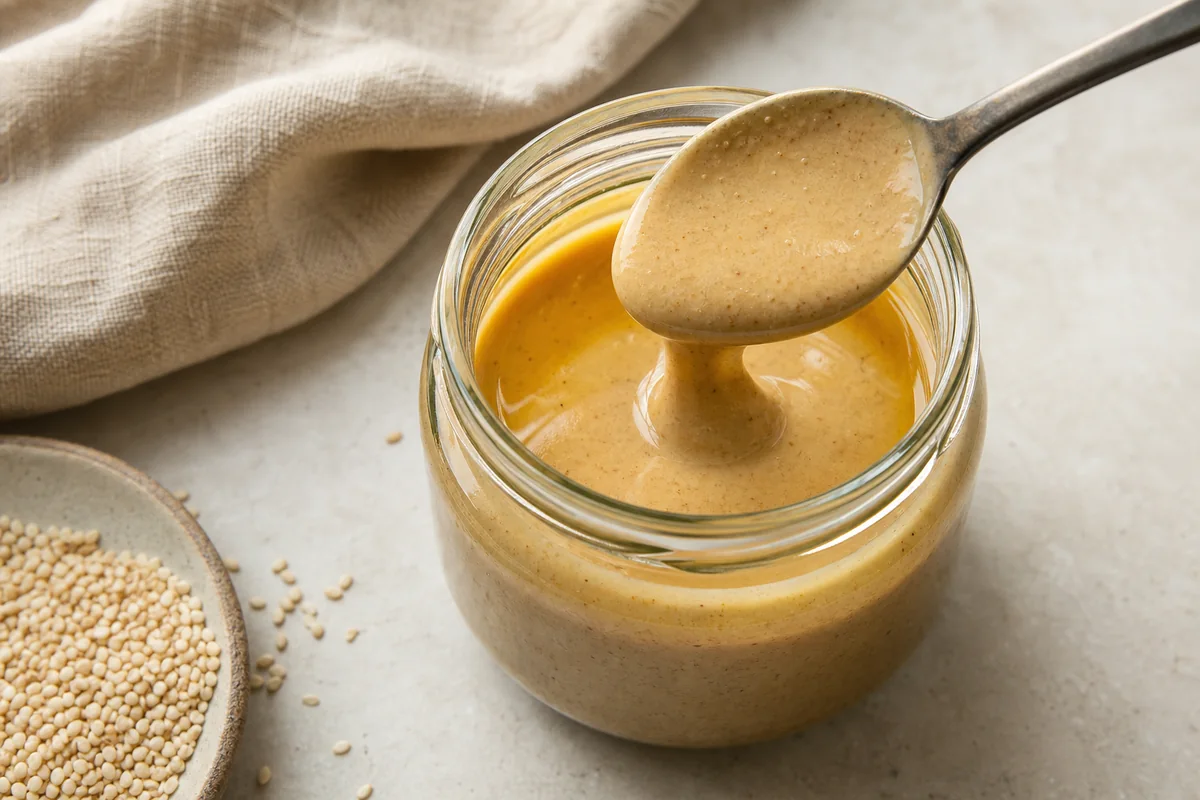
Marzipan is one of those foods that people describe differently every time. Some say it tastes like sweet almond candy.

Others find it floral, almost perfume-like. A few insist it has a faint bitterness that makes it interesting.
All of them are right, because marzipan's flavor genuinely shifts depending on how it was made and where it comes from.
Traditional marzipan is made from almond meal and sugar, often with a touch of rosewater or orange blossom water to round out the flavor. The ratio of sugar to almond is the single biggest lever in the recipe.
More sugar pushes the paste toward candy territory. More almond pulls it back toward something nutty and grounded.
Quality matters enormously here. Almonds grown in different regions carry different aromatic compounds, and whether you use blanched whole almonds or pre-ground almond flour changes the oil content and depth of flavor.
If you have ever tasted a fresh Lübeck marzipan from Germany alongside a generic foil-wrapped bar, you already know the gap can be significant.
Marzipan also appears across dozens of chocolate-adjacent confections where rich, sweet pastes meet bold flavors, and understanding what marzipan brings to those pairings helps you use it better.
This flavor map covers everything from dominant tasting notes to regional variants, so you can choose and use marzipan with confidence.
Marzipan tastes primarily of sweet almond, with a dense, paste-like texture and secondary notes of rose, citrus, or vanilla depending on the recipe. Sugar-to-almond ratio controls sweetness intensity, and regional recipes tilt the flavor toward floral, citrus-forward, or neutral almond profiles.
To read marzipan's flavor in under a minute: smell it first for almond and floral notes, taste the front of the tongue for sweetness, then hold it on the palate for secondary citrus or spice. Those three steps map the full profile.
What Does Marzipan Taste Like? Core Flavor Components?
The first thing you notice is almond. Fresh marzipan carries a toasty, slightly cooling almond aroma that hits before you even take a bite.
That cooling sensation comes from benzaldehyde, the same aromatic compound responsible for the characteristic almond scent in stone fruits like cherries and apricots.
Sweetness follows immediately, and this is where marzipan products diverge sharply. Commercial mass-market marzipan tends to be noticeably sweeter than artisanal versions, often using a higher sugar-to-almond ratio to extend shelf life and reduce cost.
Artisanal varieties keep more almond in the mix, which means the sweetness feels balanced rather than forward.
The mouthfeel is dense and paste-like, almost like cold butter in the way it yields slowly. That richness comes from the natural oils in almonds.
Depending on the recipe, marzipan can also carry a faint bitter edge similar to what you get in more assertive flavor contrasts, especially in versions made with bitter almonds or apricot kernels.
Secondary notes vary widely. Here is the core flavor ladder from most to least dominant in a standard recipe:
- Almond: The non-negotiable base. Toasty, slightly oily, and cooling, present in every version regardless of origin.
- Sweetness: Medium in artisanal versions, high in commercial ones. Sugar type (cane, glucose, honey) shifts the character slightly.
- Floral: Rosewater and orange blossom water add a perfumed lift. Even a small amount changes the tasting experience.
- Citrus: Lemon or orange zest is common in European recipes and adds a clean, bright edge that cuts through the richness.
- Vanilla and spice: Vanilla rounds the sweetness, while cardamom or cinnamon appear in some regional versions as a warm finish.
The table below summarizes the five core tasting notes in a standard marzipan and what drives each one.
- Almond: Toasty, slightly cooling, and oily. The base of every marzipan, with intensity driven by almond quality and grind.
- Sweetness: Medium to high. Sugar ratio and sweetener choice decide how candy-like the paste reads.
- Floral: Rosewater or orange blossom adds a perfumed lift that can read elegant or slightly soapy, depending on strength.
- Citrus: Lemon or orange zest cuts through the dense, oily base and brightens the finish.
- Spice or vanilla: Cardamom, cinnamon, or vanilla usually show up as a soft finishing note rather than the main flavor.
For the most balanced flavor map, anchor on almond first, then identify whether the secondary note is floral, citrus, or spice. Those three directions cover the full range of marzipan styles you will encounter in recipes and confections.
Save This for Later
Pin this what does marzipan taste like? exploring the flavor guide so you always have it when you need it.
Texture and Mouthfeel: How Marzipan Feels on the Palate
Texture in marzipan is not just about feel. It directly shapes how you perceive flavor.
A smoother paste releases almond oils more evenly across the tongue, making the sweetness feel creamier and more integrated. A coarser grind creates small pockets of resistance that spread flavor unevenly, which some tasters find more interesting and others find distracting.
Artisanal marzipan made with finely ground almonds can be ultra-smooth, almost silky, with no graininess at all. This is the texture you get from producers who control their own almond milling.
The result is a paste that melts cleanly rather than leaving a chalky residue.
Mass-market versions take a different path. They may be chewier or slightly grittier because of coarser almond grind and sugar crystallization during storage.
That chewiness is not always a flaw. In some confections, a firmer marzipan holds its shape better for molding or coating.
Some recipes incorporate binding fats like almond oil or clarified butter. These fats increase slickness and make the paste feel richer on the palate, though they can also mute the sharper almond notes.
Much like how carbonara's richness shifts when fat ratios change, marzipan's texture and flavor intensity move together.
- Ultra-smooth: Finely milled almonds, minimal added fat. Clean melt, even sweetness release.
- Dense and pliable: Standard commercial texture. Good for shaping, slightly chewier bite.
- Grainy or chalky: Sign of coarser grind or aged product. Flavor is less integrated.
Texture can betray freshness. A dull sheen on the surface or a dry, crumbly paste usually means the marzipan has aged or been stored improperly. Fresh marzipan should look slightly glossy and feel pliable without cracking.
Regional Twists: How Flavor Shifts by Tradition and Ingredients
Geography shapes marzipan flavor more than most people expect. The same core ingredients produce very different results depending on which aromatics a culture traditionally adds and how sweet the local palate tends to run.
Once you recognize these patterns, you can predict what a marzipan will taste like before you even open the package.
Middle Eastern and Mediterranean marzipans lean heavily toward floral notes. Rosewater and orange blossom water are the default flavorings, and the result is a paste that smells almost like a perfume counter.
These versions pair naturally with dried fruits, pistachios, and honey-soaked pastries.
European artisanal marzipan, particularly from Germany and Scandinavia, tends to emphasize the almond itself. A touch of citrus zest or vanilla is the most common secondary flavor, and the sweetness is more restrained.
These versions work well in layer cakes, chocolate-dipped confections, and as a filling for croissants or Danish pastries. Commercial Japanese-influenced variants often land somewhere in the middle, with milder sweetness and a citrus-forward profile that reads as clean and light.
Regional marzipan styles split into three main flavor profiles: floral-forward (Middle Eastern), almond-forward with citrus (European artisanal), and mild citrus with restrained sweetness (commercial East Asian-influenced). Each profile suits different dessert contexts.
The table below maps four common marzipan variants to their dominant flavor direction.
German / Lübeck
✅ Strong almond base with restrained sweetness and a faint citrus or vanilla finish.
⚠️ Less floral than Mediterranean styles, so it reads more confection-focused than perfumed.
Middle Eastern / Mediterranean
✅ Floral-forward profile where rosewater or orange blossom sits clearly above the almond.
⚠️ The perfume note can taste soapy if you expect a pure almond-candy profile.
Spanish (mazapán)
✅ Neutral almond core with higher sweetness and occasional honey warmth.
⚠️ Usually tastes sweeter and less sharply almond-driven than Lübeck-style marzipan.
East Asian-influenced commercial
✅ Milder sweetness with a brighter citrus lean and lighter almond presence.
⚠️ Feels less rich and less intensely nutty than the European styles.
How to Use Marzipan: Sweetness Level, Pairings, and Substitutions?
Understanding marzipan's flavor profile makes it easier to decide where it earns its place in a recipe. Sweeter commercial marzipan suits confections and decorative work where you want the paste to hold its shape and deliver an obvious sugar hit.
Less sweet artisanal versions work better in layered pastries or fillings where the marzipan needs to support other flavors without overwhelming them.
The best pairings lean into contrast or complement. Dark chocolate and marzipan is a classic because bitterness and sweetness balance each other cleanly.
Dark fruits like figs and prunes amplify the almond note. Citrus zest, especially orange, brightens the paste and cuts the richness.
Coffee provides bitterness that makes the sweetness feel more precise. Almond-flavored liqueurs double down on the core note for an intensified effect, similar to how white rum's clean sweetness can amplify fruit-forward desserts.
When marzipan is not available, almond paste combined with powdered sugar or glucose is the most reliable substitute. Almond paste alone is less sweet and more oily, so adding sugar brings it closer to marzipan's texture and flavor.
The ratio is roughly 1 cup almond paste to 1 cup powdered sugar, kneaded together until smooth.
- Dark chocolate: Bitterness balances the sweetness and amplifies the almond note.
- Figs and prunes: Their concentrated, jammy sweetness mirrors marzipan's richness without competing.
- Orange zest: Adds brightness and lifts the floral notes already present in most recipes.
- Coffee: Provides a bitter anchor that makes the sweetness feel more deliberate.
- Almond liqueur: Intensifies the almond profile; use sparingly in fillings and ganaches.
Match the intensity of your marzipan to the overall sweetness of the dessert. Use a less sweet, almond-forward marzipan in layered pastries or as a cake filling. Reserve the sweeter commercial versions for decorative molding or standalone confections.
Quick Flavor Map and Tasting Cues
Marzipan's flavor is dominated by almond with variable sweetness and floral or citrus accents layered on top. The texture ranges from ultra-smooth to slightly grainy depending on grind size and sugar composition.
Once you know which direction a particular marzipan leans, you can predict how it will behave in a recipe before you taste a single crumb.
Use the flavor map as a practical reference. Smell first for the almond-floral balance.
Taste for sweetness intensity on the front palate. Hold the paste briefly to catch any citrus, spice, or vanilla finish.
Those three steps give you enough information to choose the right variant for your application.
Regional variants offer genuinely distinct aromatic profiles. A floral Middle Eastern marzipan is not a substitute for a restrained German one in a layer cake, and vice versa.
The floral, tangy profile of pomegranate juice is a useful parallel: same category of aromatic complexity, very different application. Knowing the regional style of your marzipan is as useful as knowing its sugar ratio.
Marzipan's flavor is anchored by sweet almond with secondary notes of rose, citrus, or vanilla. Texture ranges from ultra-smooth artisanal to chewier commercial. Regional styles shift the profile from floral-forward to citrus-bright to neutral almond, each suiting different dessert applications.
Frequently Asked Questions
What is marzipan made of?
Marzipan is made from almond meal or finely ground blanched almonds combined with sugar, often with rosewater or orange blossom water added for flavor.
Is marzipan vegan?
Most traditional marzipan is vegan since it uses only almonds and sugar. Some commercial versions add egg white as a binder, so check the label if this matters to you.
How sweet is marzipan typically?
Sweetness ranges from medium in artisanal varieties to quite high in mass-market products. The sugar-to-almond ratio is the primary driver of perceived sweetness intensity.
How should marzipan be stored for best flavor?
Wrap marzipan tightly in plastic and store it in a cool, dry place or refrigerate it. Properly sealed marzipan stays fresh and pliable for up to 6 weeks.
Can marzipan be used in savory dishes?
Yes, though it is uncommon. Some Sicilian and Middle Eastern recipes pair marzipan-like almond pastes with lamb or spiced grain dishes, using the sweet-nutty note as a flavor contrast.

Carrie is a food writer and editor with more than 15 years of experience. She has worked for some of the biggest names in the food industry, including Bon Appétit, Food & Wine, and Martha Stewart Living.
As the Editor in Chief of EpicureDelight, Carrie oversees all of the content on the site. She also manages the team of contributing writers and editors, who help to create delicious recipes, helpful tips, and informative articles that you’ll find on the site.
A native of the Chicago area, Carrie is passionate about all things food. She loves trying new restaurants and experimenting with new recipes in her kitchen. She’s also a graduate of the Culinary Institute of America, so she knows a thing or two about food!