Red wine is one of the most layered sensory experiences in food and drink. A single glass can carry notes of ripe fruit, dry earth, vanilla, leather, and a finish that lingers for half a minute.

That complexity is exactly what confuses most new tasters. Descriptors like "grippy tannins" or "tertiary aromas" sound technical when you have no reference point for what they mean in your mouth.
The good news is that red wine flavor follows a predictable architecture. Once you understand the building blocks, tasting notes stop feeling like guesswork and start making sense.
Much like learning what Irish whiskey tastes like by breaking down its grain, wood, and distillation notes, red wine becomes readable when you know what to look for.
Red wines commonly present with a mix of fruit, tannin, acidity, alcohol, and oak-derived notes. This article maps those components, shows how grape variety and region change the profile, and gives you a repeatable method for tasting any red wine confidently.
Red wine flavor is built from fruit notes, tannins, acidity, alcohol, and oak-derived complexity. Grape variety, climate, and aging all shift the profile. Lighter reds lean toward red berries and higher acidity; fuller reds deliver dark fruit, firmer tannins, and more pronounced structure.
Taste map order: fruit first, then acidity, then tannin grip, then body weight, then finish length. For blind tasting, start by checking color depth before your first sniff.
What Red Wine Tastes Like: The Core Flavor Framework?
Red wine flavor is not one thing. It is a sequence of sensations that unfolds from first sniff to final swallow.
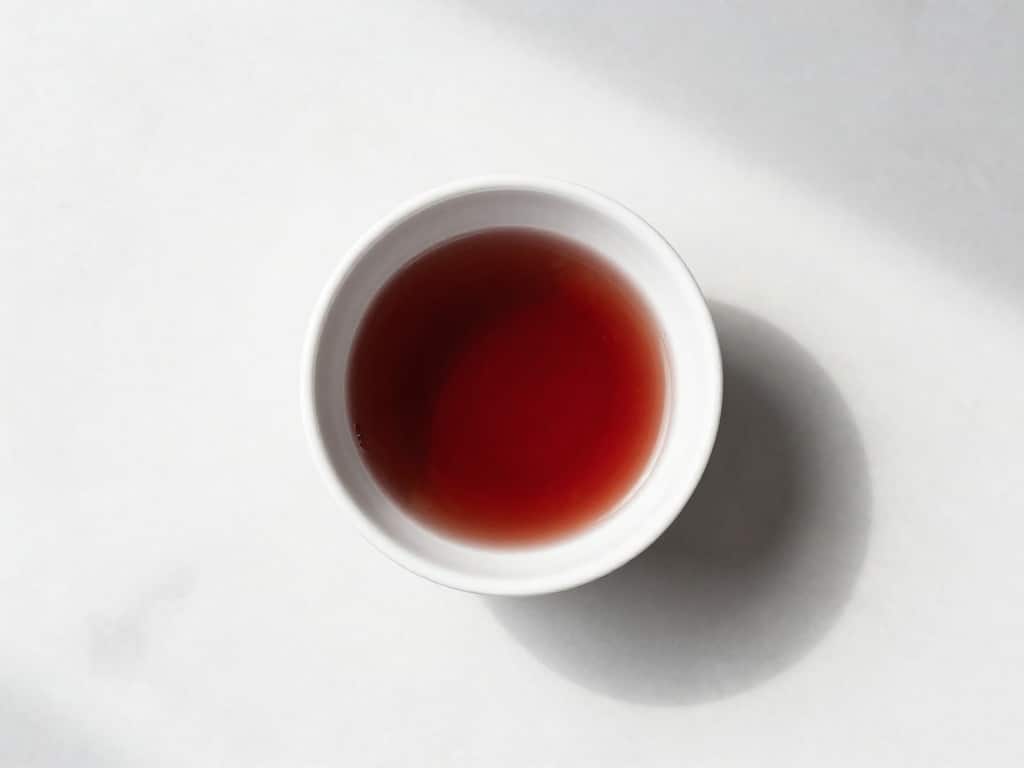
The top layer is fruit. Descriptors range from red berries like raspberry and cherry to black fruits like blackberry and plum.
Warmer climates push wines toward riper, jammier fruit; cooler climates keep fruit tighter and more tart.
Below fruit sits acidity. Acidity is what makes your mouth water.
It creates brightness and makes the wine feel alive on your tongue. High-acid reds feel crisp; low-acid reds feel rounder and softer.
Then come tannins. Tannins create a drying, almost powdery sensation on your gums and the sides of your tongue.
They do not taste bitter; they grip. Grape skins, seeds, and oak barrels all contribute tannins.
- Fruit layer: Red berries and black fruits are the most common primary descriptors, shifting from tart to jammy with climate.
- Acidity: Drives salivation and brightness; described as crisp, lively, or sharp depending on level.
- Tannin: Produces a drying sensation rather than a bitter taste; softens significantly with age.
- Alcohol and body: Higher alcohol adds warmth and weight; body ranges from light and silky to full and chewy.
- Oak notes: Oak aging can impart vanilla, toast, cedar, and spice; heavier oak use creates a more pronounced wood character.
- Finish: The length of flavor after swallowing; a longer finish generally signals a more complex wine.
Understanding acidity and tannin together is where most beginners make progress fastest. Black currants offer a useful reference point for the tart-yet-rich fruit character found in many full-bodied reds.
Use the flavor ladder: fruit → acidity → tannin → body → finish. Work through each in sequence during your first sip to build a complete picture of any red wine.
Save This for Later
Pin this what does red wine taste like? exploring the flavor guide so you always have it when you need it.
What Varies the Flavor: Grape Variety, Region, Age, and Winemaking?
Two bottles labeled "red wine" can taste nothing alike. Grape variety is the single biggest variable, followed closely by where it was grown and how it was made.
Pinot Noir often yields a lighter body with red fruit notes like cherry and cranberry, plus higher acidity and softer tannins. It is one of the more approachable reds for new tasters precisely because the tannins do not overwhelm the fruit.
Cabernet Sauvignon tends toward darker fruit, firmer tannins, and oak-derived notes of cedar, tobacco, and black pepper. A classic Napa Cabernet and a Burgundy Pinot Noir can seem like entirely different drinks, even to experienced tasters.
- Cooler climate reds: Higher acidity, less ripe fruit, more earthy or mineral notes; think Burgundy Pinot Noir or Loire Cabernet Franc.
- Warmer climate reds: Riper, fuller fruit, lower acidity, richer body; think Australian Shiraz or California Zinfandel.
- Oak-aged reds: Gain vanilla, toast, and coconut from new oak barrels; the longer the contact, the more pronounced those notes.
- Unoaked or lightly oaked reds: Express cleaner fruit and more pronounced acidity without the softening influence of wood.
Age is the other major variable. Young reds lead with primary aromas: fresh fruit, flowers, herbs.
As wines mature in bottle, those fade and tertiary aromas emerge: leather, tobacco, dried fruit, forest floor, and mushroom. Tannins also soften with age, making older reds feel smoother even when they were grippy in youth.
Soil type adds another layer. Volcanic soils can produce wines with a distinct mineral or smoky edge.
Clay-heavy soils tend to yield fuller-bodied, more structured wines. This is why tasters often describe a wine as tasting like "somewhere," not just something.
The flavor complexity in aged red wine has loose parallels to how barrel aging shapes warming spice blends, where time and heat draw out depth that simply is not present at the start.
The four flavor drivers are variety, climate, oak, and age. Expect primary fruit notes in young wines and a progression toward secondary and tertiary aromas as the wine matures in bottle.
Color-to-Flavor Guide: What Color Signals About Taste
Red wine color is not just visual. It is a rough preview of what your palate is about to encounter.
Color in red wine comes from anthocyanins in the grape skins. More skin contact and thicker-skinned grapes produce deeper color.
Tannins and color tend to travel together, so a deeply colored wine generally signals firmer tannin structure.
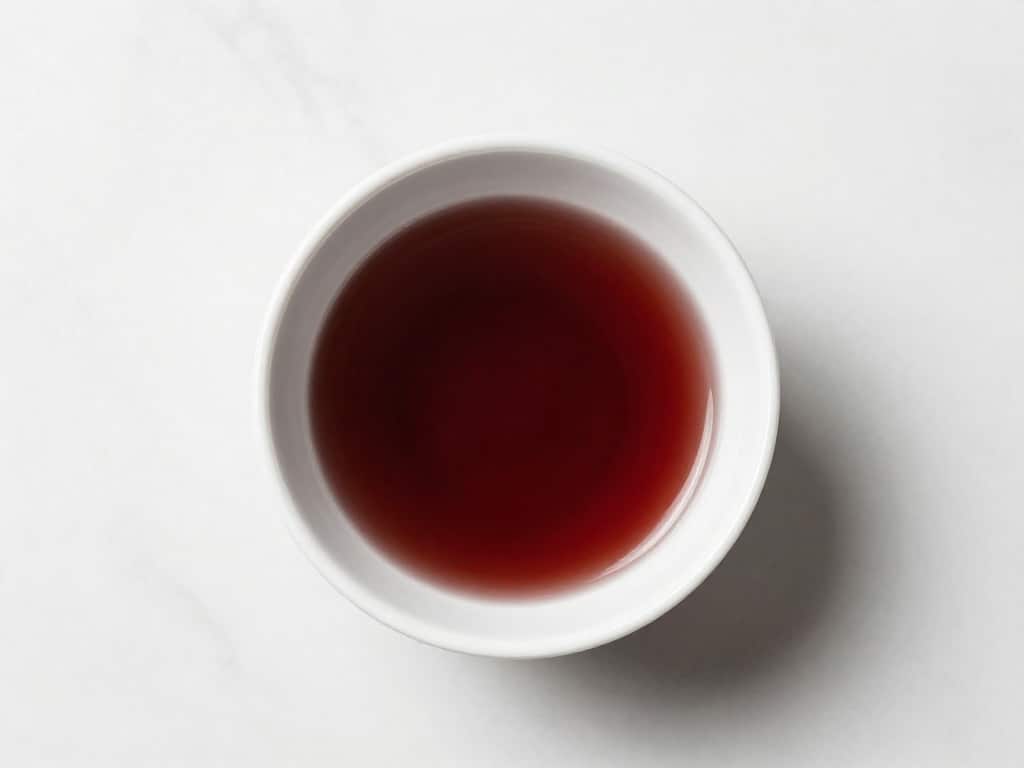
- Pale ruby or garnet: Lighter reds like Pinot Noir and Gamay; expect red-fruit notes, lighter tannins, and higher acidity.
- Medium ruby to cherry red: Mid-weight reds like Merlot or Sangiovese; balanced fruit, moderate tannin, and often a savory edge.
- Deep ruby to purple: Full-bodied reds like Cabernet Sauvignon and Syrah; dark fruit, higher tannin, more pronounced oak-driven notes.
- Brick or garnet-brown edges: A sign of age in any red; tannins are likely softer and tertiary aromas are more present.
Color intensity also hints at alcohol. Warmer climates ripen grapes more fully, which raises both sugar and eventual alcohol.
Those riper grapes also tend to produce deeper color. So a very dark, inky red often means a wine above 14% alcohol with rich, ripe fruit to match.
Color at the rim versus the center tells you about age. A young Cabernet is deep purple all the way to the glass edge.
An aged one shows a lighter, brick-toned rim even when the center stays dark.
The same kind of visual reading applies to many flavor-forward ingredients. Just as the deep orange of cashew fruit signals its tannic, astringent skin character, red wine color depth signals the tannin and body waiting for you in the glass.
Use color as a rough map before your first sip: lighter shade hints at red fruit, lower tannin, and higher acidity; deeper shade points toward dark fruit, firmer tannin, and stronger oak influence.
How to Taste Like a Pro: Structured Tasting Steps?
A repeatable tasting method turns a casual sip into a learning experience. The five-step ritual below works for every red wine, from a weeknight table wine to a cellar-aged bottle.
Look: Hold the glass against a white background. Note color depth, hue, and rim color.
These give early clues about grape, age, and body.
Swirl and sniff: Swirling helps release aromas by increasing the wine's surface area. Take a short first sniff, then a slower, deeper one.
Identify fruit first, then look for secondary notes like earth, spice, or florals.
Taste in layers: Take a small sip and let it coat your whole mouth. Notice acidity first, it provides brightness at the sides of your tongue.
Then feel the tannin grip on your gums. Then assess body: how heavy does the wine feel?
- Step 1 - Look: Color, depth, and rim variation reveal body, age, and grape variety before a single sniff.
- Step 2 - Swirl: Swirling releases volatile aromas; tilt and rotate the glass for 5-10 seconds before nosing.
- Step 3 - Sniff: Nose twice: a quick pass for first impressions, then a deeper inhale for complexity.
- Step 4 - Taste: Acidity hits the sides of your tongue; tannins dry the gums; body registers as weight across your palate.
- Step 5 - Finish: The finish extends beyond the swallow; count the seconds of lingering flavor as a rough quality indicator.
Writing down even three words per wine builds your vocabulary fast. Kiwi's tart-sweet-floral profile is a useful sensory training tool because it isolates acidity and brightness, two components you are also hunting for in red wine.
Apply this 5-step tasting ritual to any red wine: look, swirl, sniff, taste in sequence, then note finish length. Three descriptors per step is enough to build a usable flavor profile.
Pairing and Drinking: Translating Flavor into Pairings
Once you can identify a red wine's dominant character, pairing becomes a matching exercise rather than guesswork. The core principle: the wine should meet the food in weight and contrast in structure.
High-acid red wines pair well with fatty foods because acidity cuts richness. High-tannin reds suit protein-rich dishes and aged cheeses because protein softens the grippy tannin sensation.
Lighter reds with lower tannin are flexible enough to pair with poultry and even fattier fish like salmon. Sablefish's buttery, rich texture is one example of a fish that can handle a light-bodied red without being overwhelmed.
Oak-forward wines go naturally with grilled or smoked dishes, where charred flavors echo the wood notes in the wine.
- #: Wine Flavor Cue Type Prep Best Pairing
- 1: High acidity (Pinot Noir, Sangiovese) Protein Easy Fatty cuts, duck confit, or cream sauces cut by the wine's brightness
- 2: High tannin (Cabernet, Nebbiolo) Protein Medium Grilled ribeye, lamb chops, or aged Parmigiano; protein softens the grip
- 3: Light body, red fruit (Gamay, Pinot Noir) Other Easy Roast chicken, salmon, mushroom dishes; low tannin does not overwhelm
- 4: Oak-forward (oaked Cabernet, Rioja Reserva) Other Medium Grilled or smoked meats; charred notes mirror the wine's wood character
- 5: Full body, dark fruit (Syrah, Zinfandel) Protein Medium Barbecue ribs, spiced lamb, hard aged cheeses; weight matches weight
- 6: Earthy, mineral (Burgundy, Barolo) Veggie Easy Mushroom risotto, roasted root vegetables; earthy notes echo in both
Quick pairings by profile: high-acid reds with rich or fatty dishes, high-tannin reds with protein and aged cheese, light-bodied reds with poultry or salmon, and oak-forward reds with grilled or smoked food.
Frequently Asked Questions
Is red wine always dry, or can it be sweet?
Most red wines are dry, meaning residual sugar is below 4 g/L. However, styles like Lambrusco, Brachetto d'Acqui, and some Port-style wines are noticeably sweet.
How does aging affect red wine flavor in the bottle vs. in the glass?
Bottle aging slowly softens tannins and develops tertiary aromas over years. In the glass, 20-30 minutes of air exposure can open up a young red noticeably.
What are common descriptors for mature vs. young red wines?
Young reds show fresh fruit, floral notes, and firm tannins. Mature reds develop leather, dried fruit, tobacco, and forest floor aromas as primary fruit fades.
How can a beginner build a personal flavor wheel?
Taste five structurally different reds back to back, like a Pinot Noir, Merlot, and Cabernet, and write three descriptors per glass. Patterns emerge quickly across sessions.
What mistakes do beginners make when tasting red wine and how to avoid them?
The most common errors are confusing tannin for bitterness, skipping the nose entirely, and tasting wine too cold. Serve red wine between 60-65°F for best aroma expression.

Carrie is a food writer and editor with more than 15 years of experience. She has worked for some of the biggest names in the food industry, including Bon Appétit, Food & Wine, and Martha Stewart Living.
As the Editor in Chief of EpicureDelight, Carrie oversees all of the content on the site. She also manages the team of contributing writers and editors, who help to create delicious recipes, helpful tips, and informative articles that you’ll find on the site.
A native of the Chicago area, Carrie is passionate about all things food. She loves trying new restaurants and experimenting with new recipes in her kitchen. She’s also a graduate of the Culinary Institute of America, so she knows a thing or two about food!