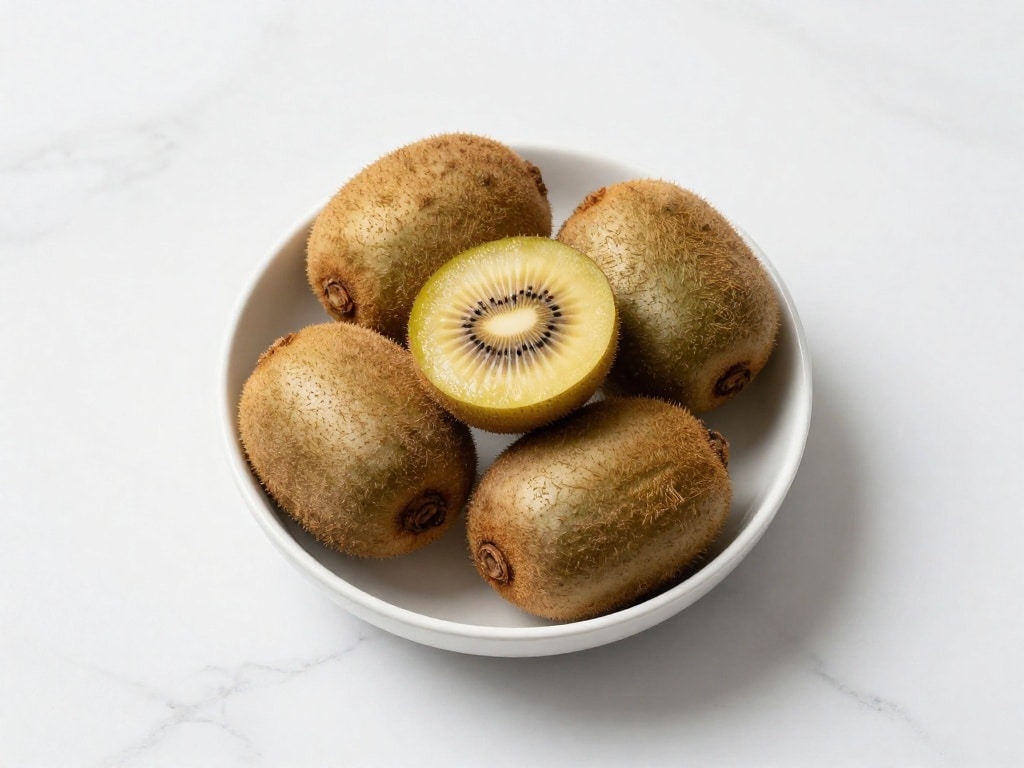
Kiwis are one of those fruits that surprise you the moment you slice them open. That burst of bright, citrusy-green aroma hits before you even take a bite, signaling something refreshing and a little complex.

The flavor is not a simple sweet-or-sour story. It has layers.
Green kiwis, specifically the Hayward variety, lean tart-sweet with a pronounced tang and a grassy, citrusy edge. Gold kiwis swing the other way: sweeter, softer, and more perfume-like, with tropical and melon-like undertones that make them feel almost luxurious by comparison.
Both varieties share some core traits. Tiny edible seeds are scattered through the flesh, adding a mild crunch.
The fuzzy brown skin is technically edible too, though most people peel it. And ripeness matters enormously here, far more than with many other fruits.
A ripe kiwi yields gently to finger pressure and releases a fragrant aroma from the skin. An underripe one tastes sharp and almost vegetal.
This guide gives you a precise flavor map, texture cues, and enough practical knowledge to pick, ripen, and use kiwis with confidence.
Much like beetroot's earthy sweetness changes dramatically based on preparation and ripeness, kiwi flavor is highly responsive to how and when you eat it.
Kiwis taste tart-sweet with citrusy, tropical notes. Green (Hayward) kiwis are tangier and firmer; gold kiwis are sweeter and softer with melon-like aroma. Both have fine-grained flesh and edible seeds. Ripeness, signaled by a gentle yield to pressure and a fragrant skin, is the single biggest driver of flavor quality.
Flavor and Texture: A Close Tasting Map
Getting a full read on kiwi flavor means thinking about aroma, taste, texture, and finish as separate but connected layers. They do not all arrive at once, and each variety delivers them differently.
Aroma comes first. A ripe kiwi has a bright, citrusy-green scent with subtle tropical hints, almost like a cross between lime zest and passionfruit. Gold kiwis push further toward a perfume-like, honeyed fragrance.
Underripe fruit smells faintly grassy and dull, which is a reliable warning sign before you even cut in.
- Taste (green): Green Hayward kiwis lead with tangy acidity and a citrusy brightness, then soften into a mild sweetness at the finish.
- Taste (gold): Gold kiwis (Actinidia chinensis) skew noticeably sweeter from the first bite, with melon-like and tropical undertones and far less acid upfront.
- Texture: Both varieties have crisp, fine-grained flesh. The juice is brisk and refreshing, with edible seeds that provide a gentle, snappy bite without being intrusive.
- Finish: Green kiwis leave a lingering sweet-tart note with floral acidity. Gold kiwis finish cleaner and sweeter, with almost no sharp aftertaste.
- Temperature effect: Serving kiwi slightly cooler than room temperature, around 50°F, sharpens the aroma and keeps the acidity bright without numbing the palate.
Acidity is more pronounced in underripe fruit and dials back noticeably once fully ripe. This is why a green kiwi eaten two days too early can taste almost sour.
The same fruit at peak ripeness is balanced and genuinely pleasant.
Much like guarana's complex bitterness shifts with ripeness and processing, kiwi's acidity is a moving target that ripeness alone controls.
- Aspect: Green Kiwi Gold Kiwi
- Primary Flavor: Tart-sweet, citrusy Sweet, melon-like
- Acidity Level: High, prominent Low to moderate
- Aroma: Citrusy-green, grassy Perfume-like, honeyed
- Texture: Firmer, crisp Softer, silkier
- Finish: Lingering tart-floral Clean, mildly sweet
- Best Temperature: Slightly chilled Slightly chilled or room temp
Always smell your kiwi before cutting it. A ripe kiwi releases a distinct, fragrant aroma through the skin. No smell usually means another day or two on the counter is needed.
Save This for Later
Pin this what do kiwis taste like? exploring the flavor guide so you always have it when you need it.
Varieties at a Glance: Green vs Gold
The two kiwi varieties most widely available in supermarkets behave very differently in both the bowl and the recipe. Knowing which to reach for saves a lot of guesswork.
Green kiwis (Hayward, Actinidia deliciosa) are what most people picture: oval, fuzzy-skinned, with bright green flesh and a cream-colored core. Their high acidity and citrusy brightness make them ideal for dishes where a tart contrast is useful.
They hold their shape better when cut, which makes them a reliable choice for fruit salads and salsas. The firmer texture also means they tolerate brief cooking slightly better than gold varieties.
Gold kiwis (SunGold variety, Actinidia chinensis) have a pointed tip, smoother skin, and golden-yellow flesh. The aroma is noticeably more floral and perfume-like.
Their lower acidity and softer texture make them better suited for raw eating, desserts, and yogurt toppings where you want sweetness without sharpness.
- For savory dishes: Green kiwis work well in salsas and marinades, where their acidity cuts through rich proteins.
- For desserts: Gold kiwis pair naturally with cream, honey, and mild cheeses without overpowering them.
- For snacking raw: Either works, though gold kiwis tend to appeal more to people who find green kiwis too tart.
- Variety: Flavor Emphasis Best Uses
- Green ( Hayward ): Tart-sweet, citrusy, bright acidity Fruit salads, salsas, marinades, smoothies
- Gold ( SunGold ): Sweet, melon-like, low acid Raw eating, desserts, yogurt bowls, cheese boards
For most raw applications, gold kiwi is the more crowd-pleasing choice. For recipes where tang is an asset, such as a fruit salsa or tropical vinaigrette, reach for green.
Buying, Ripening, and Eating: Practical Guidance
Choosing a good kiwi at the market is a two-second skill once you know what to feel and smell for. Avoid fruit that is rock-hard with no give at all, and skip anything that feels mushy or has wrinkled, shriveled skin.
A ripe kiwi yields slightly to gentle pressure near the stem end and releases a faint fragrance from the skin itself. At home, unripe kiwis ripen at room temperature in 2 to 5 days.
Once ripe, move them to the refrigerator, where they stay fresh for up to 2 weeks. For a faster ripening method, place the kiwi in a paper bag with an apple or banana; the ethylene gas those fruits release speeds the process noticeably.
Similar to the way Malta's malt flavor reveals itself best at the right serving temperature, kiwi flavor peaks at the right stage of ripeness.
Pick kiwis that yield to gentle pressure and smell fragrant. Ripen firm fruit at room temperature for 2 to 5 days, then refrigerate for up to 2 weeks. A paper bag with an apple speeds ripening. Avoid shriveled or mushy skin.
Frequently Asked Questions
Do kiwis taste different when peeled vs. unpeeled?
The skin adds a slightly fuzzy, mildly bitter note. The flesh alone is cleaner and sweeter. Most people prefer peeled, though both are edible.
Can kiwis be used as a meat tenderizer due to their enzyme content?
Yes. Kiwis contain actinidin, a proteolytic enzyme that breaks down meat proteins effectively. Marinate meat with kiwi pulp for no more than 30 minutes to avoid mushiness.
What is the best way to pair kiwis with other flavors?
Kiwis pair well with strawberries, mango, lime, coconut, honey, and mild soft cheeses. Their acidity also complements white rum's clean sweetness in tropical cocktails.
Are there any common allergens or reactions to kiwis?
Kiwi allergy is documented and can cause oral allergy syndrome, particularly in people also allergic to latex, birch pollen, or avocado. Reactions range from mild tingling to severe.
How can I tell if a gold kiwi is ripe without squeezing it?
Check the aroma near the stem end. A ripe gold kiwi smells noticeably sweet and honeyed. The skin should look uniformly golden, not greenish or dull.

Carrie is a food writer and editor with more than 15 years of experience. She has worked for some of the biggest names in the food industry, including Bon Appétit, Food & Wine, and Martha Stewart Living.
As the Editor in Chief of EpicureDelight, Carrie oversees all of the content on the site. She also manages the team of contributing writers and editors, who help to create delicious recipes, helpful tips, and informative articles that you’ll find on the site.
A native of the Chicago area, Carrie is passionate about all things food. She loves trying new restaurants and experimenting with new recipes in her kitchen. She’s also a graduate of the Culinary Institute of America, so she knows a thing or two about food!