Bubble tea tastes like sweet, creamy milk tea paired with chewy, slightly caramel-like tapioca pearls. The base can range from malty black tea to floral jasmine or fruity blends, so the overall flavor shifts from robust and tea-forward to dessert-like and sugary.
You'll never look back after trying this unique and delicious beverage.
What is Bubble Tea?
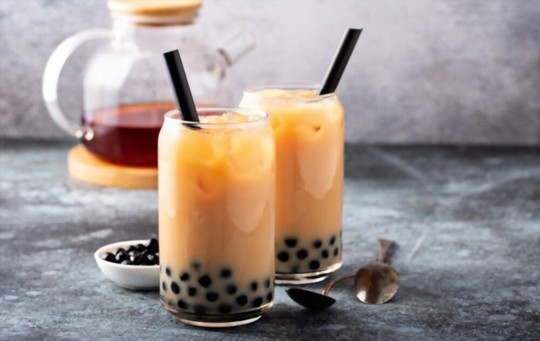
Bubble tea, also known as boba tea, is a Taiwanese tea-based drink that originated in the 1980s.
It typically contains a tea base mixed with fruit flavoring or milk and chewy tapioca balls or fruit jellies.
The drink is served cold, and consumed with a wide straw, making it easy to sip the tapioca balls or jellies along with the tea.
So, what does bubble tea taste like? The flavor varies depending on the specific ingredients used, but generally, it has a sweet, fruity or creamy taste from the flavorings and milk, combined with the chewy texture of the tapioca balls.
The tea base can range from a variety of flavors including green, black, or oolong.
There are also variations made with coffee or matcha.
Overall, bubble tea is a unique and flavorful beverage that has become increasingly popular worldwide.
It's a great way to enjoy a new tea experience while also satisfying a sweet tooth.
What Does Bubble Tea Taste Like?
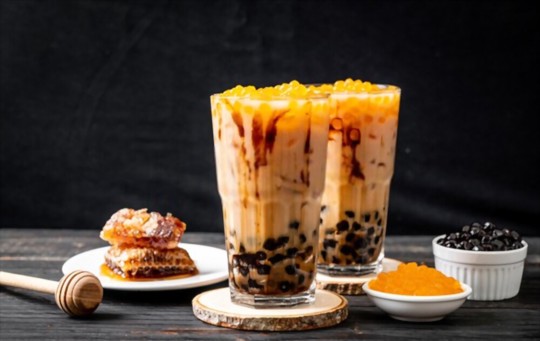
Bubble tea is a Taiwanese iced tea-based drink and it comes in a range of flavors, each with varying degrees of sweetness, creaminess, and texture.
Here are some of the most common bubble tea flavors and their taste profiles:
- Classic Milk Tea: This flavor is made with black tea, milk, and sugar. It has a creamy and sweet taste.
- Taro: This flavor is made with taro root, which gives it a nutty and sweet taste. It's typically purple-colored.
- Mango: Mango bubble tea has a sweet, tropical flavor that's both fruity and refreshing.
- Green Tea: This flavor is made with green tea and has a light, floral taste with subtle hints of bitterness.
- Thai Tea: This flavor is made with black tea, condensed milk, and sugar. It has a rich and creamy taste with notes of spice.
Bubble tea also contains small, chewy tapioca pearls or fruit jelly that add a unique texture to the beverage.
The overall taste of bubble tea can be adjusted based on personal preference by controlling the sugar and ice levels in the drink.
However, the drink is typically sweet with a creamy texture and a hint of tea flavor.
Ingredients that Affect the Taste of Bubble Tea
Bubble tea is a nice beverage that comes in a variety of flavors and textures.
There are several ingredients that contribute to the unique and delicious taste of bubble tea.
Here are some of the ingredients that affect the taste of bubble tea:
- Tea: The tea's flavor, strength, and type will affect the overall taste of bubble tea. Most bubble tea shops use black, green, or oolong tea, but there are variations that include jasmine, fruit teas, and herbal teas, too.
- Sweeteners: Bubble tea is usually sweetened with simple syrup or flavored syrups like honey or agave nectar. Different amounts of sweetener will affect the sweetness of the drink.
- Milk: Milk is often used in creamy versions of bubble tea, like milk tea. The type of milk used will affect the flavor. Common milk options include whole, skim, soy, almond or oat.
- Fruit: Many bubble tea flavors include chunks of fresh fruit, like strawberries, mangoes, or peaches, which provide a fruity sweetness to the drink.
- Toppings: Toppings like tapioca pearls, fruit jelly, and popping boba, blobs of flavorful syrup that burst upon chewing them add a unique texture to the drink.
These are some of the primary ingredients that affect the taste of bubble tea.
Experimenting with different combinations and ratios of these ingredients is the best way to discover your favorite flavor.
1 - Tea Base
Tea Base is the foundation of Bubble Tea, which is a unique and popular Taiwanese beverage that has taken the world by storm.
Bubble Tea comes in many flavors and styles.
However, the Tea Base is an essential ingredient that determines the overall taste and character of the beverage.
Traditional Bubble Tea is made using black tea as the Tea Base, but green tea or a mix of both can also be used.
Typically, the Tea Base is brewed very strong to balance out the sweetness of the added flavors and ingredients like fruit syrups, milk, honey, tapioca pearls, or other types of bubbles.
The Tea Base's tannic and bitter notes may be detected through sweetness, making it a go-to flavor for those who want a bubble tea with more depth.
Here are some common tea base flavors used for Bubble Tea:
- Black Tea: A classic flavor, black tea has a slightly bitter, tannic taste that balances out the sweetness in Bubble Tea.
- Green Tea: A lighter and fresher option, green tea has a more delicate flavor that can be overwhelmed by stronger flavors in Bubble Tea.
- Oolong Tea: A middle ground between black and green teas, oolong tea has a pleasant fragrance and a floral, fruity taste.
- Herbal Tea: Some Bubble Tea shops offer herbal tea bases for those who want to avoid caffeine or experiment with unique flavors. Herbal teas are typically made with flowers, fruits, or spices and can be sweet or bitter.
2 - Milk or Non-Dairy Creamer
Milk or non-dairy creamer is an important component of bubble tea that affects its taste, texture, and overall feel in the mouth.
Bubble tea is a beverage that originated in Taiwan and has grown in popularity worldwide.
It is typically made with a base of black or green tea, mixed with milk or non-dairy creamer, and sweetened with sugar, honey, or flavored syrups.
Tapioca pearls, fruit jellies or popping boba are added to create a unique visual and textural experience.
- Milk: Adding milk to bubble tea creates a creamy, smooth, and rich flavor. The milk can be regular, evaporated, or condensed for a variety of tastes. Whole milk is the most common type of milk used in bubble tea, but non-dairy alternatives like soy, almond, or oat milk are also available.
- Non-Dairy Creamer: Non-dairy creamer is a popular alternative to milk in bubble tea. It is typically made from a blend of sugar, oils, and artificial flavors that create a creamy and smooth consistency. Non-dairy creamer comes in different flavors, such as vanilla, hazelnut, or mocha, that can improve the taste of the tea or go with the toppings used to decorate the beverage.
Experiment with different types of milk or non-dairy creamer to find the taste that suits you best.
Some combinations can be surprising and delicious.
3 - Sweetener
Sweetener plays a important role in the flavor of bubble tea, a popular Taiwanese beverage.
Bubble tea has a complex and layered taste, with variations based on the type of tea, milk, and sweetener used.
Here are some sweeteners commonly used in bubble tea and how they affect the taste:
- Classic syrup: This sweetener is made from a combination of sugar, water, and fruit flavorings such as strawberry or honeydew. It adds a mild sweetness and a fruity undertone to bubble tea.
- Honey: Honey adds a natural sweetness to bubble tea and gives it a fragrant aroma. It pairs well with black or green tea and adds a hint of floral notes to the beverage.
- Brown sugar: Brown sugar gives bubble tea a deep and rich flavor, reminiscent of caramel or toffee. It is especially popular in milk-based bubble tea.
- Agave nectar: Agave nectar is a healthier alternative to sugar and adds a mild sweetness to bubble tea. It pairs well with fruity and floral teas, such as passionfruit or jasmine.
- Sweetened condensed milk: Sweetened condensed milk is a popular addition to milk-based bubble tea, adding a creamy and rich texture and a distinct sweetness.
Try experimenting with different sweeteners to find your preferred flavor of bubble tea.
Don't be afraid to step outside your comfort zone and try new flavor combinations.
4 - Toppings (e.g. tapioca pearls, jelly, fruit, etc.)
Bubble tea is a popular Asian drink that has taken the world by storm because of its unique taste and texture.
Toppings are an essential component of bubble tea that add flavor, texture, and vibrancy to the popular beverage.
Here are some of the most common toppings and the flavors they bring to bubble tea:
- Tapioca pearls: Also known as boba, tapioca pearls are the most popular topping for bubble tea. These small, chewy balls add texture and a slight sweetness to the drink.
- Jelly: Made with agar-agar, jelly comes in different flavors and adds a refreshing, juicy, and chewy texture to the drink.
- Fruit: Bubble tea can be made with fresh or dried fruit, such as strawberries, mango, pineapple, or lychee. Fruit adds a natural sweetness and bright color to the drink.
- Popping boba: Unlike tapioca pearls, popping boba has a thin and delicate outer layer that bursts with liquid when you bite into it, making it a fun addition to bubble tea.
With all these toppings, bubble tea has something to offer for everyone's taste, and it's one of the most versatile and exciting drinks out there.
Try different combinations of toppings to find your favorite flavor and texture.
Also, remember to adjust the sweetness level to your taste as different places serve bubble tea with different levels of sweetness.
How to Customize the Flavor of Bubble Tea?
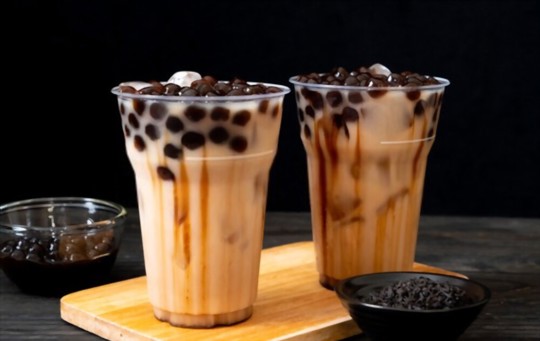
Bubble tea comes in a variety of flavors, and you can easily customize the flavor to suit your taste preferences.
Here are some tips for customizing your bubble tea:
- Choose your tea base: Bubble tea usually starts with a base of black, green or oolong tea. You can choose your preferred tea base and adjust the strength to your liking. You can also experiment with different tea blends.
- Choose your sweetness level: Bubble tea is often sweetened with sugar syrup or honey. You can adjust the sweetness level by adding more or less sugar or honey. You could also try different flavored syrups as a substitute for regular sugar syrup.
- Add fruit or fruit juice: Adding fruit or fruit juice to your bubble tea is a great way to add extra flavor and nutrition. You could try adding fresh fruit such as strawberries, mango, or kiwi, or use fruit juice as a base for your bubble tea.
- Add toppings: Toppings such as tapioca pearls, grass jelly, or fruit jelly, can also add flavor and texture to your bubble tea. You could try mixing and matching different toppings to find your perfect combination.
One important thing to note is that the taste of bubble tea can vary depending on the store, the tea base used or the way it is prepared.
It is worth experimenting with different tea shops and varieties to find your favorite bubble tea flavor.
Where to Buy Bubble Tea and When it's Available?
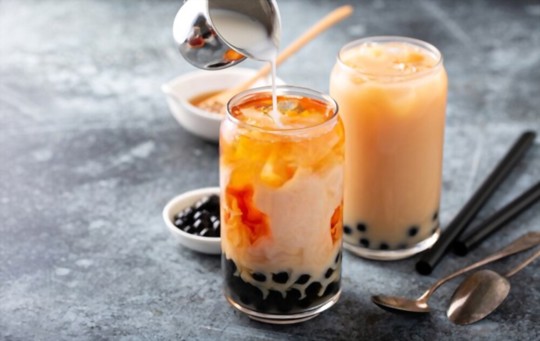
Bubble tea is a delicious Taiwanese tea-based beverage that comes in a variety of flavors, textures, and colors.
The taste of bubble tea varies widely, depending on the type and combination of ingredients used.
Here are some popular flavors you can expect to find:
- Classic Milk Tea: A creamy and rich black tea paired with milk and sugar.
- Taro: A purple root vegetable that lends a nutty and slightly sweet flavor to the tea.
- Honeydew: A fresh and fruity flavor that pairs well with boba pearls.
- Matcha: A finely ground green tea that has a slightly bitter and earthy taste.
- Mango: A sweet and tropical flavor that's perfect for a summer day.
Bubble tea can be found in many Asian markets, tea shops, and cafes.
It's typically available year-round, but some shops may offer special seasonal flavors or limited edition drinks.
So, whether you prefer a classic flavor or something more exotic, there's a bubble tea out there for everyone to enjoy.
Bubble Tea Flavor Highlights
It is made with tea, milk, fruit, and chewy tapioca pearls, all combined to create a unique and refreshing flavor.
Bubble tea has a sweet and creamy taste, similar to a milkshake, but with the added texture and flavor of the chewy tapioca pearls.
The tea flavor can vary depending on the type of tea used, with black tea, green tea, and jasmine tea being the most popular options.
Bubble tea can be customized with different flavors, sugar levels, and even toppings, such as fruit jellies or popping boba.
It is a fun and delicious drink that has something for everyone.
More From EpicureDelight
The Complete Food Flavor Guide - your complete resource for this topic.
Read all flavor guides →Bubble Tea has a flavor that surprises many first-time tasters. It lands somewhere between [familiar comparisons], with a texture that plays a big role in the overall eating experience.
For some people, yes. The flavor is distinctive and can take a few tries to fully appreciate, especially if you're new to it. Starting with milder preparations often helps.
Texture plays a huge role in the eating experience. A [tender/crisp/creamy] texture reinforces the flavor perception - chewy textures can make flavors seem more intense, while tender preparations feel more subtle.
Most people try it for the first time in a [dish/preparation], where it's supported by familiar flavors. This is also the most forgiving way to experience it before enjoying it on its own.

Carrie is a food writer and editor with more than 15 years of experience. She has worked for some of the biggest names in the food industry, including Bon Appétit, Food & Wine, and Martha Stewart Living.
As the Editor in Chief of EpicureDelight, Carrie oversees all of the content on the site. She also manages the team of contributing writers and editors, who help to create delicious recipes, helpful tips, and informative articles that you’ll find on the site.
A native of the Chicago area, Carrie is passionate about all things food. She loves trying new restaurants and experimenting with new recipes in her kitchen. She’s also a graduate of the Culinary Institute of America, so she knows a thing or two about food!