Ever heard of hominy before, but always been curious about what this mysterious ingredient tastes like?
You're not alone! This unique food item has certainly piqued the interest of many and we understand why.
Not only is hominy surprisingly versatile in the kitchen, but it also carries a delicious and chewy texture as well. In our insider's guide to understanding what does hominy taste like.
And reviewing different recipes that make use of it-we'll explore all facets of this intriguing food item so you can start utilizing it right away!
What is Hominy?
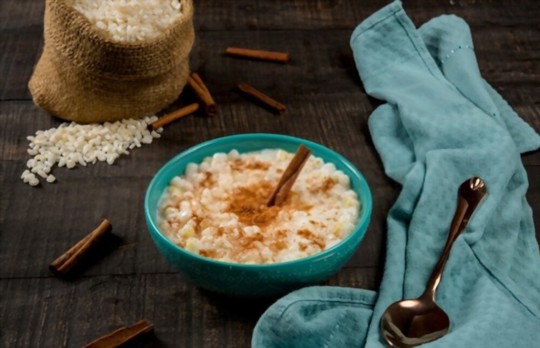
Hominy is a food ingredient made from dried maize kernels (corn) that have been treated with an alkali solution to remove the outer hull and germ.
This process is called nixtamalization, and it has been used in Central and South America for centuries to make masa dough for tortillas and tamales.
Hominy has a chewy texture and a distinct flavor that has been described as earthy, nutty, and slightly bitter.
It is often used in soups, stews, and casseroles and can also be ground into grits or masa dough for making tortillas and other dishes.
If you've never tried hominy before, it is worth giving it a taste to see if you enjoy its unique flavor and texture.
What Does Hominy Taste Like?
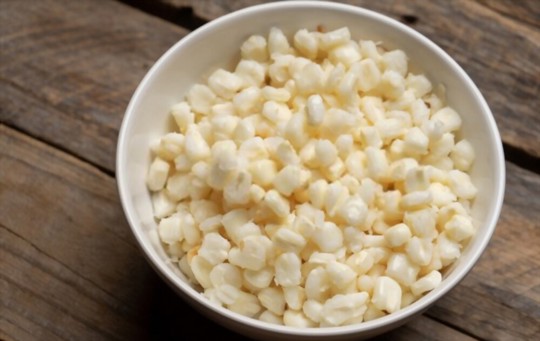
Hominy is a type of corn that has been treated with an alkali solution to remove the hard outer hull and germ.
The resulting kernels are larger, softer, and puff up slightly when cooked.
Hominy has a slightly nutty and earthy flavor and a chewy texture.
The texture of hominy is similar to that of cooked beans or al dente pasta.
The flavor of hominy is mild, sweet, and slightly tangy with a subtle hint of corn.
It is commonly used in stews, soups, and casseroles, and is a staple ingredient in many Mexican and Native American dishes.
Hominy is also used to make grits or masa, a dough used to make tortillas and tamales.
Pro tip: Hominy can be difficult to find in some grocery stores, but it can be purchased online or at specialty markets.
Preparation Methods that Affect the Taste of Hominy
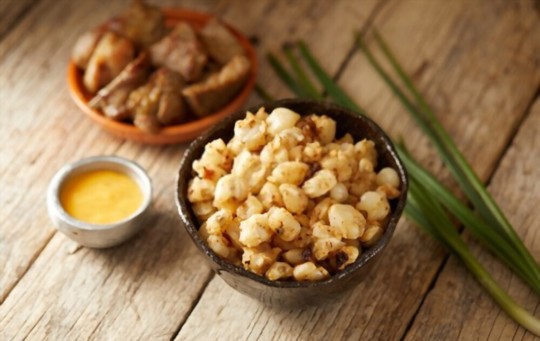
Here are some preparation methods that affect the taste of hominy:
1 - Boiling
Boiling is an essential step in the preparation of hominy, a traditional Native American food made from dried maize kernels.
To make hominy, dried corn kernels are soaked in a solution of water and food-grade lye or ash to remove the outer hull and germ.
The resulting kernels are then boiled until they become tender and chewy, similar to cooked beans or barley.
Hominy has a unique nutty and earthy flavor, and its texture ranges from tender to chewy.
It is a flexible ingredient that can be used in savory dishes like stews, soups, and casseroles or added to side dishes like salads or grits for added texture and flavor.
Next time you are looking for a delicious and nutritious alternative to rice or pasta, try cooking some hominy and experience its unique flavor and texture yourself.
2 - Grilling or Roasting
Hominy is a type of corn that has been processed by soaking the kernels in an alkali solution, which removes the hull and germ and causes the grains to puff up.
It has a distinctive flavor and texture that sets it apart from other types of corn.
When cooked, hominy has a slightly chewy texture and a savory, corn-forward flavor with a pronounced earthiness.
The kernels are larger than regular corn and can be white or yellow in color.
Hominy is a flexible ingredient that can be used in a variety of dishes like soups, stews, and casseroles, and is especially popular in Mexican and Southern cuisine.
Grilling and roasting hominy is a great way to bring out its natural sweetness and further develop its earthy flavor.
To grill or roast hominy, coat the kernels with oil and your preferred seasoning, then cook on high heat until browned and crispy.
Pro Tip: Hominy is available in canned or dried form at most supermarkets and specialty food stores.
3 - Nixtamalization
Nixtamalization is a process of preparing maize, also known as corn, for consumption through the removal of its outer layer and cooking it in an alkaline solution, such as limestone or wood ash.
The nixtamalization process creates hominy, which is commonly used in traditional Latin American and Southern American cuisine.
Hominy is characterized by its chewy texture and mild, slightly sweet flavor that is often likened to corn or cornbread.
It comes in many forms, including whole kernels, ground meal, and grits.
Hominy can be enjoyed on its own as a side dish, or it can be used in dishes like stews, soups, and casseroles.
It's a flexible ingredient that can add texture and flavor to any meal.
Plus, it's packed with fiber, protein, and other essential nutrients that make it a healthy addition to your diet.
If you're new to using hominy, start with canned hominy, which is readily available in most grocery stores.
It's pre-cooked, making it easy to use in recipes without having to worry about the nixtamalization process.
Culinary Uses of Hominy
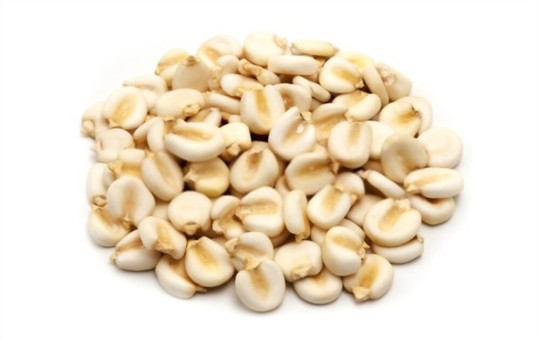
Hominy is a type of corn that has been treated with an alkali solution, such as lye or lime, which removes the hull and germ, resulting in a softer and chewier texture.
Hominy has a mild flavor with a slightly nutty and subtle sweetness, making it a flexible ingredient in various culinary dishes.
Here are some popular culinary uses of Hominy:
- Pozole: A traditional Mexican soup or stew made with hominy, pork meat, chili, and other seasonings.
- Grits: A popular Southern dish made with hominy or ground hominy, butter, and cheese.
- Casseroles and bakes: Hominy can be added to casseroles, bakes, and stews for added texture and flavor.
- Salad toppers: Roasted or fried hominy can be used as crunchy salad toppers or croutons.
Pro tip: To make hominy at home, soak dried kernels of corn in a solution of baking soda and water overnight and boil them until the skins come off, leaving the soft and edible kernels.
Where to Buy Hominy and How to Store It?

Hominy is a type of corn that has been treated with an alkali solution, usually made with either lime or lye.
Hominy has a unique texture and flavor that makes it a flexible ingredient in many dishes.
It tastes slightly earthy and nutty, with a chewy and slightly grainy texture similar to that of cooked beans or rice.
If you're wondering where to buy hominy, most grocery stores carry it in the canned goods aisle, usually near the beans and vegetables.
Hominy can also be found at specialty Latin American or Mexican food stores.
To store hominy, keep the unopened cans in a cool, dry place, such as a pantry, for up to 1 year.
Once opened, transfer the hominy to an airtight container and refrigerate it for up to 5 days.
For longer-term storage, hominy can be frozen in an airtight container for up to 6 months.
To add even more flavor to hominy, try toasting it in a skillet with some oil or butter before using it in a recipe.
Hominy Flavor and Culinary Uses
This process gives hominy a distinct, chewy texture and a slightly nutty, earthy flavor.
It is a staple ingredient in many Mexican and Southern dishes, such as posole, grits, and hominy stew, and can be used as a substitute for corn in many recipes.
When cooked, hominy can have a pleasantly soft or slightly firm texture, depending on how it is prepared.
Whether you are a fan of traditional Southern cuisine or looking to experiment with new flavors and ingredients, hominy is a versatile and delicious food that is worth exploring.
More From EpicureDelight
The Complete Food Flavor Guide - your complete resource for this topic.
Read all flavor guides →Hominy is often compared to [a familiar ingredient], though it has its own distinct character. Cooking method makes a significant difference - roasting brings out sweetness, while raw preparations highlight a more [sharp/clean/grassy] note.
Absolutely. Grilling and roasting develop caramelized, smoky notes; boiling or steaming keeps the flavor cleaner and more subtle; raw preparations are the most pungent.
Significantly. Freshness, origin, and growing conditions all affect flavor intensity. Wild-caught or locally sourced options often have a more pronounced, complex taste than mass-produced alternatives.
The closest comparison is [familiar ingredient], but it has a more [complex/pronounced/subtle] flavor. Think of it as a more [refined/earthy/bright] version of something you already know.

Carrie is a food writer and editor with more than 15 years of experience. She has worked for some of the biggest names in the food industry, including Bon Appétit, Food & Wine, and Martha Stewart Living.
As the Editor in Chief of EpicureDelight, Carrie oversees all of the content on the site. She also manages the team of contributing writers and editors, who help to create delicious recipes, helpful tips, and informative articles that you’ll find on the site.
A native of the Chicago area, Carrie is passionate about all things food. She loves trying new restaurants and experimenting with new recipes in her kitchen. She’s also a graduate of the Culinary Institute of America, so she knows a thing or two about food!