Chard tastes mildly earthy and slightly bitter, with a flavor somewhere between spinach and beet greens. The leaves turn tender and more mellow when sautéed with garlic or braised, while the colorful stems stay pleasantly crunchy and a bit sweet.
To help you understand what exactly chard tastes like, this comprehensive guide will discuss everything from its appearance, texture, taste profile and how best to prepare it.
What is Chard?
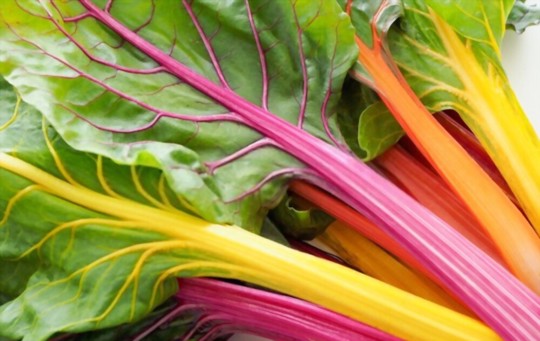
Chard, also known as Swiss chard, is a leafy green vegetable that belongs to the same family as beets and spinach.
With its large, tender leaves and colorful stalks, chard is a nutritious and flexible ingredient that can be prepared in a variety of ways.
When cooked, chard has a mild and slightly earthy flavor with notes of beetroot and spinach.
The stems are slightly bitter and have a crunchy texture like celery or asparagus.
Chard can be eaten raw in salads or cooked as a side dish, sautéed, steamed, grilled, roasted, or baked in casseroles and quiches.
Chard is an excellent source of vitamins A, C, and K, as well as minerals like iron and magnesium.
Its deep green leaves and bright colors indicate a high concentration of antioxidants and anti-inflammatory compounds, making it a healthy addition to your diet.
Pro tip: To preserve the flavor and nutrition of chard, store it in a plastic bag in the refrigerator for up to 5 days.
Avoid washing it until ready to use to prevent wilting.
What Does Chard Taste Like?
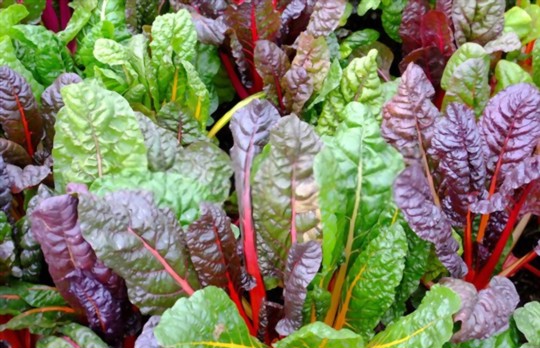
Chard, also known as Swiss chard, is a green leafy vegetable that has a slightly bitter and earthy taste, with a similar flavor to spinach and beet greens.
The stems of the chard have a crunchy and slightly salty flavor, similar to celery, while the leaves have a soft texture and can be eaten cooked or raw.
Chard is a versatile vegetable that can be used in a variety of dishes, such as salads, soups, sautés, and stir-fries.
It pairs well with other vegetables and proteins, such as garlic, onions, mushrooms, chickpeas, and chicken.
Chard is an excellent source of vitamins A, C, and K, as well as antioxidants and fiber.
Whether you are a fan of bitter greens or prefer milder flavors, chard is definitely worth incorporating into your diet for its unique taste and nutritional benefits.
Varieties of Chard and Their Taste Profiles
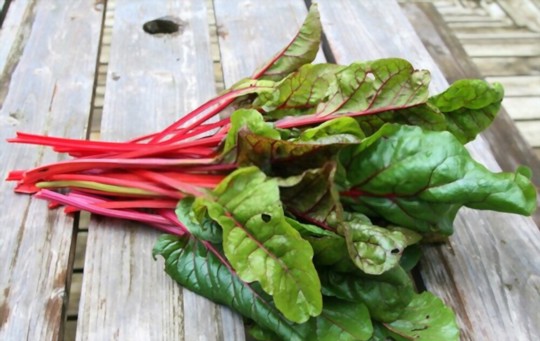
The leaves and stems of chard are both edible and come in a variety of color, each with its distinct taste profile.
Here are four types of chard and their taste profiles:
- Ruby Chard - has a slightly sweet and earthy taste with a nutty flavor.
- Bright Lights Chard - tastes similar to Ruby chard but has a more tangy taste profile.
- Fordhook Giant Chard - has a mild, tender taste and can be used in a variety of recipes.
- Swiss Chard - has a slightly bitter taste and can be used in salads, stir-fries, and even soups.
Try experimenting with different types of chard to add variety to your meals while still getting the many health benefits of this nutrient-rich vegetable.
1 - Swiss Chard
Swiss chard is a leafy green vegetable that comes in a variety of colors, ranging from green to pink, orange, and yellow.
It has a mild flavor and a slightly bitter taste that is often compared to spinach or beet greens.
Here is everything you need to know about Swiss chard:
- Swiss chard is packed with vitamins and minerals, making it a nutritious addition to any diet.
- It is versatile and can be eaten raw in salads or cooked in a variety of dishes, including sautés, stews, and soups.
- Swiss chard leaves are tender and have a slightly salty taste, while the stems are crisp and have a slightly bitter taste.
- It's important to wash Swiss chard thoroughly before eating, as the leaves and stems can be sandy. Also, it is recommended to cook Swiss chard lightly to retain its nutrients.
Overall, Swiss chard is a healthy and delicious green that can add flavor and color to any dish.
2 - Rainbow Chard
Chard is a leafy green vegetable that belongs to the same family as beets and spinach.
It has prominently colored stalks and veins, which can range from deep red to bright yellow and white, hence the name "rainbow chard".
The taste of chard is often described as earthy, nutty, and slightly bitter.
The flavor can vary depending on the color of the stems, with the red variety being slightly sweeter than the others.
Here's what you need to know about chard:
Chard is packed with nutrients such as vitamins A, C, and K, as well as minerals like calcium and potassium.
It's a flexible ingredient that can be eaten raw in salads or cooked in a variety of dishes, such as stir-fries, soups, and casseroles.
When cooking chard, it's important to note that the leaves cook down faster than the stems, so it's best to cook them separately, or to add the stems to the pan a few minutes before the leaves.
Chard leaves can be stored in the refrigerator for up to 5 days, while the stems can be stored for up to a week.
Pro Tip: To extend the shelf life of your chard, wrap it in a paper towel and store it in a plastic bag or airtight container in the fridge.
How to Cook Chard to Enhance its Flavor?
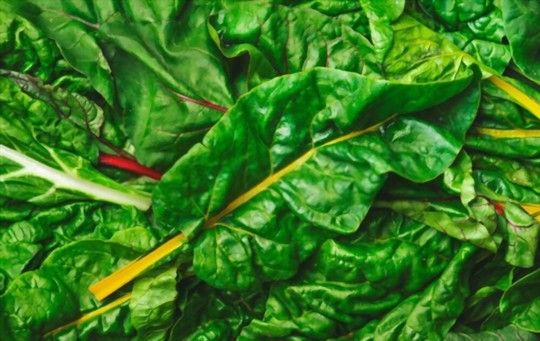
Chard is a leafy green vegetable that belongs to the same family as beets and spinach.
Its taste is earthy with a slightly bitter undertone that can be enhanced by proper cooking techniques.
Here's how to cook chard to enhance its flavor:
- Start by washing your chard leaves thoroughly in cold water. Cut off the tough stems and discard. Cut the leaves into small pieces or ribbons.
- Heat up a large pan over medium heat. Add a tablespoon of olive oil to the pan and let it heat up. Add the chard leaves to the pan and toss them gently. Season with salt and pepper to taste.
- Cook for 3-4 minutes, stirring occasionally, until the leaves wilt and become tender. You can also add a splash of lemon juice or balsamic vinegar to brighten up the flavor of your chard.
- Enjoy your cooked chard as a healthy side dish or add it to pasta, soups, or omelets for added nutrition and flavor.
Culinary Uses of Chard
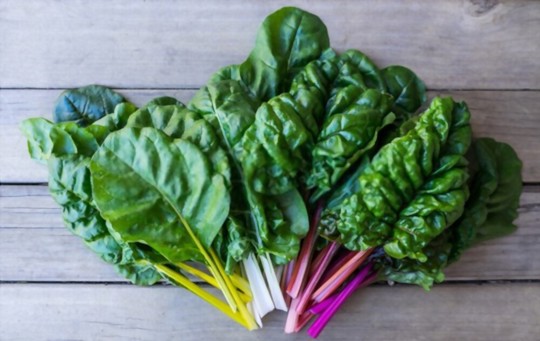
Chard, also known as Swiss chard, is a leafy green vegetable that belongs to the beet family.
It has a slightly bitter and earthy taste, similar to spinach, but less delicate.
While chard is often used in Mediterranean and Middle Eastern cuisine, it can be found in dishes from all over the world.
Here are some popular culinary uses of chard:
- Salads - Chard can be eaten raw in salads or used as a base for salad greens.
- Sauteed or Stir-fried - By sauteing or stir frying chard with garlic and olive oil, it can make a tasty side dish or a healthy addition to soups and stews.
- Sandwiches and Wraps - Sliced chard leaves can be used in sandwiches and wraps as a healthy and crunchy alternative to lettuce.
- Juices and Smoothies - Chard can be blended into smoothies or juiced along with other fruits and vegetables for a healthy and refreshing drink.
So, next time you are at the grocery store, consider picking up some chard to experiment with its unique flavor and versatility.
Where to Buy Chard and How to Store It?
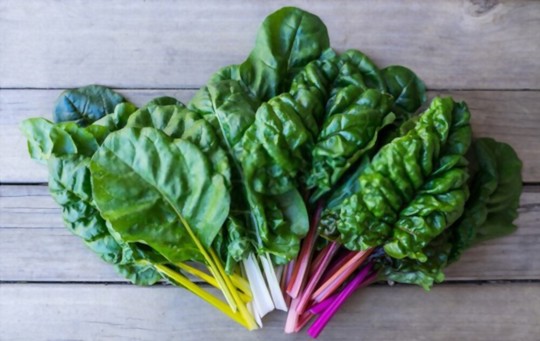
Chard, a green leafy vegetable, is commonly available in most supermarkets and grocery stores, and can be stored properly to extend its shelf life.
When buying chard for storage, be sure to choose fresh, crisp leaves that are free of yellowing or wilting.
To store chard properly, follow these simple steps:
- Rinse the chard leaves with cold water and pat them dry with a clean towel.
- Wrap the chard leaves loosely in a paper towel to absorb any excess moisture.
- Place the wrapped chard leaves in a sealed plastic bag and store them in the fridge.
Chard has a unique taste that is earthy, slightly bitter, and similar to beet greens.
It is also packed with nutrients and antioxidants, making it a good addition to your diet.
Pro tip: Store chard separately from ethylene-producing fruits, such as apples and bananas, to prevent premature spoilage.
Flavor Elements of Chard
It has a mild, earthy flavor with a slightly bitter aftertaste, making it an excellent addition to salads, soups, and stews.
Chard is packed with nutrients such as vitamin K, A, and C, iron, and potassium, making it a healthy and nutritious addition to your diet.
When selecting chard, look for leaves that are bright green, crisp, and tender.
Avoid those with yellow or brown spots or wilted leaves.
More From EpicureDelight
The Complete Food Flavor Guide - your complete resource for this topic.
Read all flavor guides →Chard has a distinctive flavor that's worth exploring - it is usually [rich/delicate/bold/earthy/bright] with notes that vary depending on how it's prepared. Fresh and cooked versions often taste quite different.
Chard pairs well with bold seasonings that complement rather than compete with its natural flavor - garlic, citrus, and fresh herbs are common companions. In savory dishes, a touch of acid balances its richness.
It depends on the type - some are best enjoyed fresh where the flavor is brightest, while others develop better depth after roasting, marinating, or slow cooking.
Often, yes - the aroma can be more intense than the taste suggests. The smell mellows considerably with cooking, and many people find it more appealing on the palate than they expected from the scent.

Carrie is a food writer and editor with more than 15 years of experience. She has worked for some of the biggest names in the food industry, including Bon Appétit, Food & Wine, and Martha Stewart Living.
As the Editor in Chief of EpicureDelight, Carrie oversees all of the content on the site. She also manages the team of contributing writers and editors, who help to create delicious recipes, helpful tips, and informative articles that you’ll find on the site.
A native of the Chicago area, Carrie is passionate about all things food. She loves trying new restaurants and experimenting with new recipes in her kitchen. She’s also a graduate of the Culinary Institute of America, so she knows a thing or two about food!