You're not alone!
With its unique flavor, sweet taste and startling appearance, the honeydew has captivated generations of fruit lovers both young and old.
Its versatile nature allows for it to be used in recipes both savory and sweet - from smoothies to refreshing salads that bring out its natural sweetness.
We are here to shed some light on the tempting taste sensation that is the honeydew melon.
In this comprehensive guide you'll learn all there is to know about honeydews: what they taste like, how best to eat them and even a few ways you can use them in your meals today!
So buckle up as we explore What Does Honeydew Taste Like?
What is Honeydew?
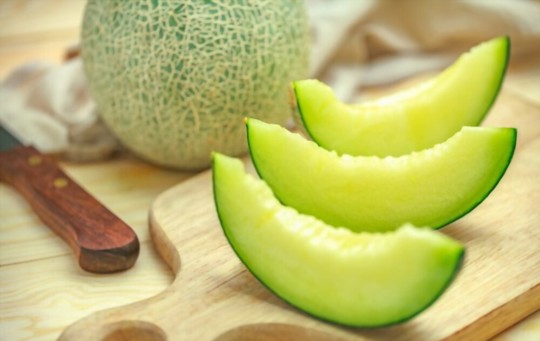
Honeydew is a type of melon that is sweet, juicy, and refreshing.
This fruit is typically round or oval-shaped and has a smooth, greenish-yellow rind that encases its sweet, juicy flesh.
Honeydew is known for its distinctive aroma and delicate, slightly tangy flavor.
When selecting and consuming Honeydew, it is important to look for fruits that are heavy for their size, firm, and free of bruises or soft spots.
To enjoy Honeydew at its best, cut it into wedges, remove the seeds, and chill it in the refrigerator for a refreshing summer treat.
This fruit can also be used in a variety of recipes, including smoothies, salads, and cocktails.
If you want to improve the flavor of your Honeydew, sprinkle a small amount of salt, lime juice, or paprika on top.
What Does Honeydew Taste Like?
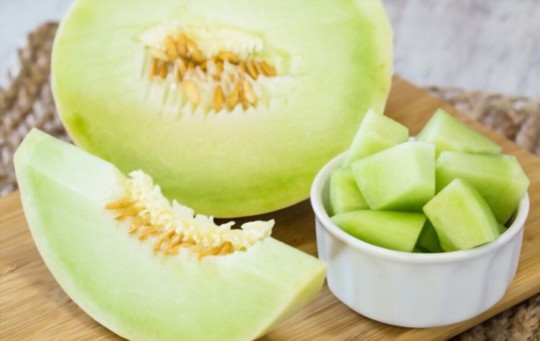
Honeydew has a smooth, pale green rind and greenish-white flesh that is soft and juicy.
Honeydew melons are often eaten fresh in fruit salads and desserts or used as a flavoring in beverages and sauces.
Honeydew tastes like a combination of sweet and slightly tangy flavors with a subtle honey-like aroma.
It has a soft and juicy flesh that is easy to chew and swallow.
The flavor of honeydew can vary depending on its ripeness and the growing conditions.
Ripe honeydew has a strong fragrance and a sweeter taste, while unripe honeydew can be bland and less flavorful.
When choosing honeydew, look for a melon that is heavy for its size, with a smooth and unblemished rind.
The fruit should have a slightly soft feel at the blossom end, indicating that it is ripe and ready to eat.
Factors that Affect the Taste of Honeydew
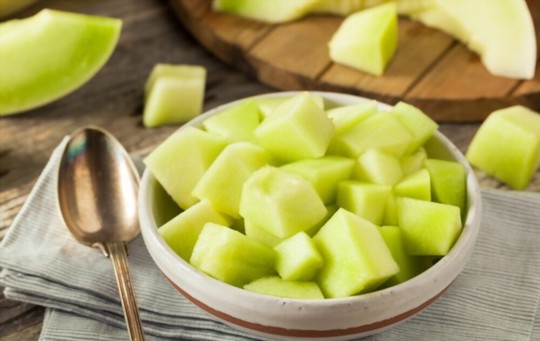
Honeydew is a type of melon that is known for its juicy and sweet flesh.
The taste of honeydew can be affected by several factors that influence its flavor and texture.
Ripeness is one of the most important factors that affect the taste of honeydew.
A ripe honeydew melon will have a sweet and juicy flavor, while an unripe melon will taste bland and textureless.
Another factor is the growing conditions of the honeydew melon.
Soil quality, temperature, and humidity can all influence the flavor and texture of the fruit.
The season in which the honeydew melon is grown can also affect its taste.
Generally, honeydew melons grown in warmer months are sweeter and juicier.
The variety of honeydew melon can also play a role in its taste.
Some types of honeydew melons are sweeter and juicier than others.
Lastly, the storage conditions of honeydew melons can affect their taste.
Keeping them in the fridge can improve their sweetness and prolong their shelf life.
1 - Ripeness
Honeydew is a type of melon that is part of the muskmelon family, and it's widely known for its juicy and sweet taste.
A ripe honeydew will feel heavy for its size, have a slightly waxy texture, and emit a fragrant aroma.
Here are some tips for choosing the best honeydew:
- Look for a melon that feels heavy and firm for its size.
- Check for a creamy or yellowish color on the skin.
- Smell the stem end of the melon, which should have a sweet fragrance.
- Give the melon a gentle tap or thump; a ripe honeydew will have a dull, hollow sound.
To prepare a honeydew, simply cut it in half and remove the seeds.
Then, slice it into wedges or cubes and serve fresh or in a salad.
2 - Season and Growing Conditions
Honeydew is a type of fruit that belongs to the melon family.
It has a sweet and refreshing flavor similar to that of its cousin, the cantaloupe.
Honeydews require warm temperatures to grow to their full potential.
They grow best in areas with long, hot summers and low humidity.
This fruit prefers well-drained soil with good fertility levels.
It is best to grow Honeydew from seeds indoors and transplant them outside once the temperature is warm enough.
To ensure that your Honeydew plant produces the sweetest fruit possible, it's essential to provide it with consistent and thorough watering.
An inch of water per week is sufficient for proper hydration.
Adding straw mulch around the plant can help to retain moisture in the soil.
When the fruit is ripe, the skin turns yellowish-white and has a slight waxy feel.
The flesh is pale green and juicy with a unique sweetness that can be enjoyed on its own or used in salads or smoothies.
Pro Tip: It's best to harvest Honeydew early in the morning when the fruit is at its coolest to preserve its quality.
3 - Storage and Handling
Honeydew is a type of melon with a greenish-white rind and sweet juicy flesh with a unique flavor.
The crisp fruit has a faint aroma with a flavor that is mild, sweet and refreshing.
Honeydew tastes mildly sweet and is often compared to the taste of pear, cucumber, or even watermelon.
Here are some tips for storing and handling honeydew:
- When purchasing a whole honeydew, choose one that is slightly soft on the stem end but firm on the blossom end for ripeness.
- Store a cut honeydew in an airtight container or wrap with plastic wrap to prevent it from absorbing other flavors in the refrigerator for up to three days.
- Cut fruit should be left unpeeled and stored in its juice so that the texture and flavor of the fruit are preserved.
Honeydew is perfect in salads, smoothies, or eaten plain as a refreshing snack.
Pro tip: To improve the flavor of your honeydew, serve it cold, drizzled with lime juice and a sprinkle of chili flakes.
How to Pick a Ripe Honeydew?
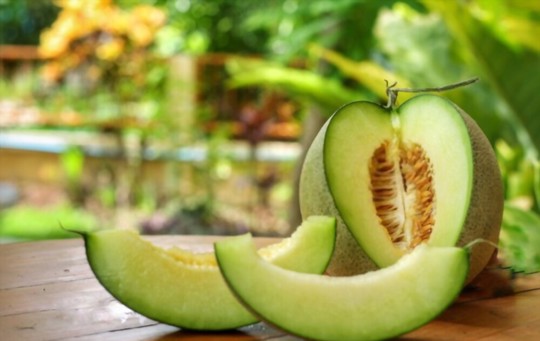
Honeydew is a type of melon that is usually oval-shaped and has a smooth, pale green outer rind.
It is a juicy and refreshing fruit that is often enjoyed in the summertime.
Here is how to pick a ripe honeydew:
Look for a creamy yellow or white color on the skin, avoiding any with a green tinge, which indicates it's unripe.
Give the honeydew a gentle press with your palm or thumb, it should yield slightly and have a bit of a spring-back.
If it feels too hard or too soft and mushy, it's not ripe.
Smell the base of the honeydew.
If it has a fragrant, sweet aroma, it's likely ripe, but if it smells musty or sour, it may be overripe or spoiled.
Once picked, you can store ripe honeydew melons in the fridge for up to a week, or freeze them for later use in smoothies or sorbets.
Ways to Enjoy Honeydew
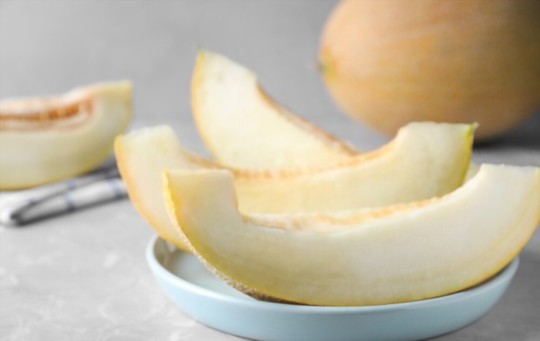
Honeydew is a variety of muskmelon that's loved for its juicy flesh, soft texture, and subtle sweetness.
The fruit has a light green skin and a pale, creamy-colored interior with small seeds in the center.
Here are some ways to enjoy honeydew:
- Eat it raw: Simply cut the honeydew in half, scoop out the seeds, and slice it into bite-sized pieces.
- Mix it with other fruits and make a salad: Honeydew pairs well with watermelon, cantaloupe, and berries.
- Blend it into a smoothie: Combine honeydew with yogurt, milk, and ice in a blender to make a refreshing drink.
- Make honeydew sorbet: Puree honeydew flesh with a simple syrup and freeze it into a creamy sorbet.
- Add it to a cheese board: Pair honeydew slices with soft cheese and crackers for a savory-sweet snack.
So, next time you're looking for a sweet and refreshing treat, reach for a ripe honeydew.
Is Honeydew Nutritious?
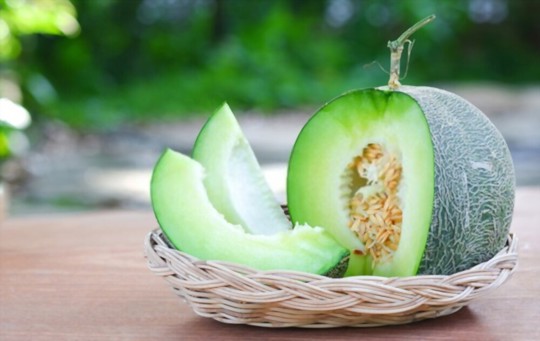
Honeydew is a type of melon that is both delicious and nutritious.
It is low in calories and fat and high in vitamins and minerals.
Honeydew has a sweet and mild flavor, making it a popular fruit to include in salads, smoothies, and desserts.
Here are some key nutritional facts about honeydew:
- A 1-cup serving of honeydew has only 64 calories and is fat-free.
- Honeydew is a good source of vitamin C, providing 34% of the recommended daily intake in a 1-cup serving.
- It is also rich in potassium, providing 12% of the recommended daily intake in a 1-cup serving.
Overall, honeydew is a great choice for those looking to maintain a healthy diet without sacrificing flavor.
Sweetness and Texture of Honeydew
It has a pale green rind and a firm, juicy, and fragrant flesh that is rich in vitamins and minerals.
Its taste is described as sweet, mild, and slightly tangy, with a delicate flavor that is refreshing and thirst-quenching.
Honeydew is a low-calorie fruit that is ideal for snacking, adding to salads, or using as an ingredient in smoothies and desserts.
It is easy to tell when a honeydew is ripe by its aroma, texture, and appearance.
Whether you eat it on its own or add it to your favorite recipes, honeydew is a versatile and flavorful fruit that everyone should try.
More From EpicureDelight
The Complete Food Flavor Guide - your complete resource for this topic.
Read all flavor guides →The taste of Honeydew sits on a spectrum - [milder preparations] are approachable for most palates, while [stronger varieties or preparations] bring more intensity and character.
For a first taste, keep it simple - let the natural flavor come through before adding heavy sauces or spices. A light seasoning with salt, olive oil, and lemon is a great starting point.
Yes - milder preparations, lighter seasonings, and familiar cooking methods make it much more approachable. Mixing it into dishes rather than serving it alone is a great entry point.
It responds particularly well to [fat type - butter, olive oil, sesame] and [herb or spice]. The right fat carries its flavor beautifully and rounds out any sharpness.

Carrie is a food writer and editor with more than 15 years of experience. She has worked for some of the biggest names in the food industry, including Bon Appétit, Food & Wine, and Martha Stewart Living.
As the Editor in Chief of EpicureDelight, Carrie oversees all of the content on the site. She also manages the team of contributing writers and editors, who help to create delicious recipes, helpful tips, and informative articles that you’ll find on the site.
A native of the Chicago area, Carrie is passionate about all things food. She loves trying new restaurants and experimenting with new recipes in her kitchen. She’s also a graduate of the Culinary Institute of America, so she knows a thing or two about food!