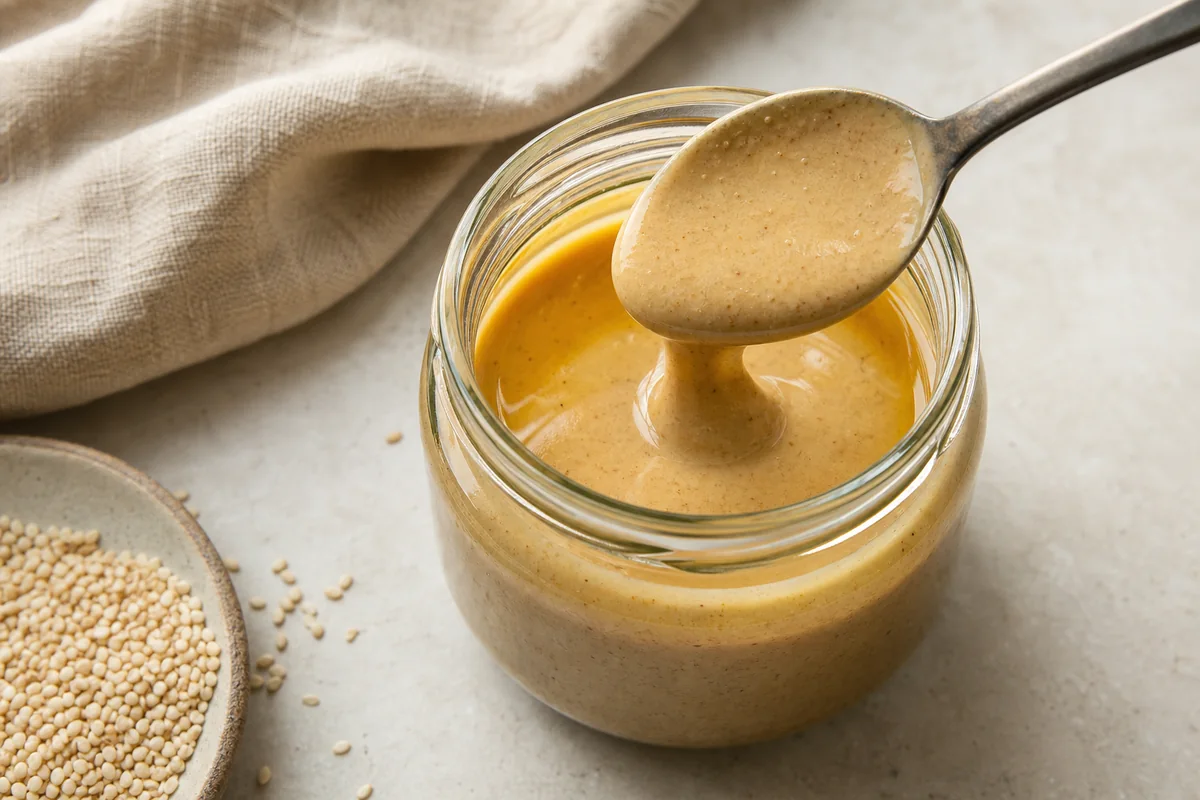
Have you ever heard of sorghum? If not, it's time to get familiar quickly because this ancient grain is currently experiencing a resurgence in popularity.
Sorghum has been around for thousands of years, dating back to some of the first crops used by the Egyptians.
But what does sorghum actually taste like?
While opinions vary, there are some key descriptions that remain consistent across all accounts; nutty and sweet with notes of caramel or molasses.
What is Sorghum?
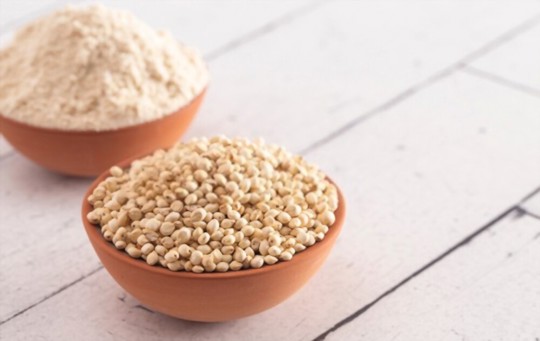
Sorghum is a type of cereal grain which is grown in warm climates around the world and is native to Africa.
It has been used for centuries in food, both as a grain and as a sweetener.
It can be used in many different recipes, such as breads, pancakes, porridge and cakes.
Sorghum is also popularly used in brewing beer and distilling liquor, with its mild yet characteristic flavor making an excellent addition to many classic drinks.
Sorghum can also be fermented into sorghum syrup or molasses, commonly referred to as 'sorghum honey.
' This tasty treat has a deep brown color due to its high sugar content and makes a delicious topping on pancakes or waffles.
It's also often added to sauces or glazes for baked goods such as cakes or muffins.
Sorghum is also gaining popularity as an alternative sweetener for coffee, tea and other beverages due to its low glycemic index rating compared to other sweets like white sugar.
In recent times, sorghum has become increasingly important in animal feed production as it can provide essential nutrition at lower cost than other grains.
The plant itself is drought-resistant and requires little maintenance once planted so it provides greater security against natural disasters than other crops do.
As more countries turn towards sustainable energy sources such as biofuel powered by sorghum crops, this cereal grain looks set to stay important for years to come.
What Does Sorghum Taste Like?
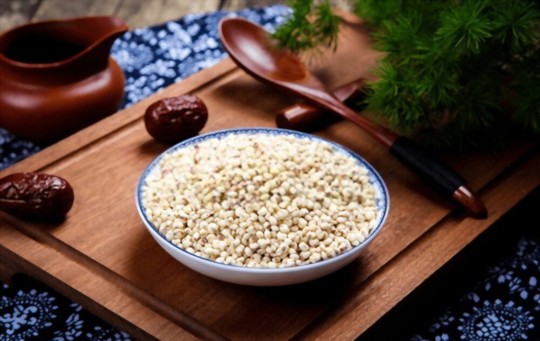
Sorghum is a nutrient-rich grain that is gluten-free and has a mildly sweet and nutty taste.
The taste of sorghum can be described as a cross between corn and rice, with earthy notes that add depth to the flavor.
The taste of sorghum can vary depending on how the grain is prepared.
Sorghum can be cooked like rice or quinoa, popped like popcorn, or milled into flour for baking.
When cooked, sorghum has a chewy texture similar to barley, making it a great alternative to rice or couscous.
In baked goods, sorghum flour provides a nutty, whole-grain flavor that pairs well with sweet or savory dishes.
Sorghum syrup, a natural sweetener made from the juice of the sorghum plant, has a rich, molasses-like taste that is often used as a substitute for molasses or maple syrup.
Sorghum is a versatile grain that can be used in a variety of dishes, from breakfast porridge to salads and stir-fries.
Try experimenting with different cooking methods and flavor combinations to find what you like best.
Culinary Uses of Sorghum
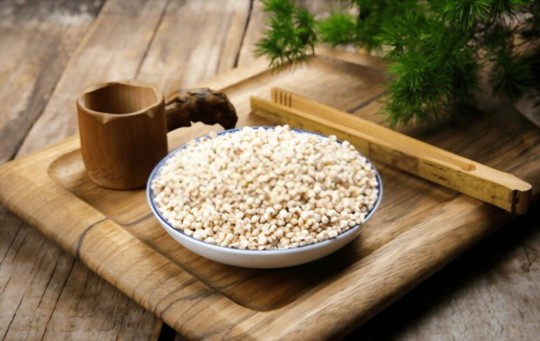
Sorghum is an ancient cereal grain that has been cultivated for thousands of years and has many culinary uses.
Its flavor is earthy, nutty, and slightly sweet with a chewy texture.
Here are some of the ways sorghum can be used in the kitchen:
- As a gluten-free flour alternative for baking.
- In savory dishes such as soups, stews, salads, and grain bowls.
- As a breakfast porridge or in a smoothie bowl.
- As a substitute for rice or quinoa.
- In fermenting and brewing processes to make beer, vinegar, or syrup.
Sorghum is a versatile and nutritious ingredient that can add depth and complexity to your dishes.
Give it a try and take your cooking to the next level.
Preparation Methods that Affect the Taste of Sorghum
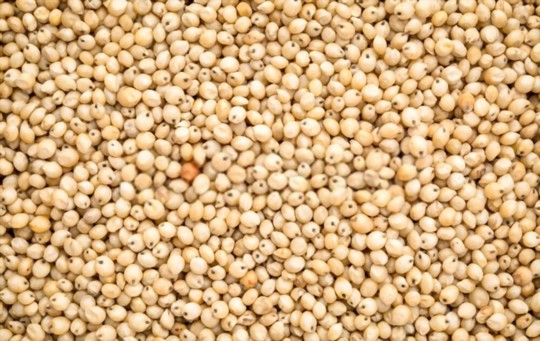
It is versatile and can be used in various dishes, including salads, stews, bread, and desserts.
The preparation method significantly affects the taste of sorghum.
Here are the preparation methods and how they affect the taste of sorghum:
- Boiling: Boiled sorghum has a mild flavor and a slightly chewy texture.
- Roasting: Roasted sorghum has a nuttier flavor and is crunchier than boiled sorghum.
- Sprouting: Sprouted sorghum has a sweeter taste and is easier to digest than non-sprouted sorghum.
- Fermenting: Fermented sorghum has a tangy flavor and can be used to make alcoholic beverages and sourdough bread.
The preparation method used depends on the intended use of sorghum.
Boiled sorghum is ideal for soups and stews, while roasted sorghum is a great snack food.
Fermented sorghum is preferred for alcoholic beverages and sourdough bread, while sprouted sorghum can be used in salads and grain bowls.
1 - Boiling
Boiling is an essential step in the preparation of sorghum, a nutritious, gluten-free grain that has been gaining popularity in recent years.
To boil sorghum, rinse the grain thoroughly under cold water and add it to a pot with three cups of water per cup of sorghum.
Bring the water to a boil, reduce the heat, and let the sorghum simmer for 45-60 minutes, or until tender.
Once the sorghum is cooked, drain any excess water and use it as desired.
It can be used in salads, soups, stews, and as a substitute for rice or other grains in a variety of dishes.
Sorghum has a mild sweetness and a nutty flavor that pairs well with savory ingredients.
Its texture is slightly chewy, similar to that of other whole grains like farro or barley.
Pro Tip: To improve the flavor of sorghum, you can also cook it in broth or add spices and herbs to the cooking water.
2 - Baking
Sorghum is a versatile whole grain that has been gaining popularity in baking for its rich nutty flavor and gluten-free properties.
Sorghum flour is a popular substitute for wheat flour in gluten-free baking, and is also used to create malted sorghum flour, which adds a sweet, caramel-like taste to baked goods.
Sorghum has a unique flavor that has been described as nutty, earthy, and slightly sweet, making it suitable for savory and sweet dishes alike.
If you're not sure where to start with sorghum, try baking a simple sorghum bread or muffins, and experiment with different combinations of spices, fruits, and nuts to find your perfect flavor.
Pro tip: To get the best nutty flavor, lightly toast sorghum flour in the oven before using it in your baking recipes.
Where to Buy Sorghum and How to Store It?
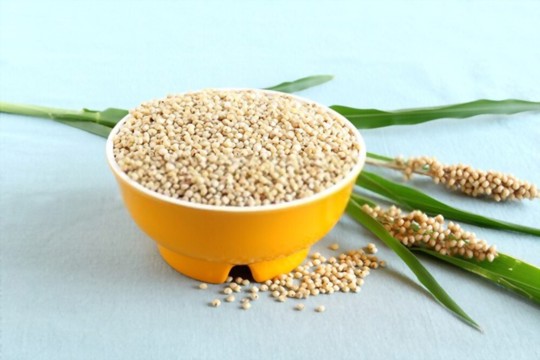
Sorghum is a nutritious and gluten-free grain that is readily available in most grocery stores and online markets.
It has a mild, nutty flavor and can be used in a wide range of dishes as a substitute for rice, quinoa, or oatmeal.
Here's where you can buy sorghum and how to store it:
Where to buy
Sorghum is available in most natural health food stores and organic markets.
You can also find it at large grocery store chains, such as Walmart and Whole Foods.
Shopping online is also an excellent option, and you can purchase sorghum from Amazon or any bulk food supplier.
How to store
Store sorghum in an airtight container in a cool, dry, and dark place such as a pantry or cupboard.
It can last up to six months, and you can extend its shelf life by keeping it in the fridge or freezer.
Pro tip: To increase the nutritional value and improve the digestibility, soak sorghum overnight before cooking.
Flavor Profile of Sorghum
It is a versatile and gluten-free grain that can be consumed in various forms, including flour, syrup, and popped grains.
Sorghum has a mild, nutty flavor that pairs well with a wide range of dishes, from salads to stews.
It is an excellent source of nutrients, including fiber, protein, iron, and vitamins B and E.
Sorghum is also relatively easy to grow and more drought-tolerant compared to other grains, making it an ideal crop for farmers in arid regions.
With its numerous health benefits and culinary versatility, sorghum is becoming increasingly popular worldwide.
Whether you're looking for a gluten-free alternative to wheat, an excellent source of nutrients, or a flavorful ingredient to improve your cooking, sorghum is a great choice.
More From EpicureDelight
The Complete Food Flavor Guide - your complete resource for this topic.
Read all flavor guides →The flavor of Sorghum is often described as complex - there's usually a balance of [savory depth/natural sweetness/pleasant bitterness/umami] that makes it versatile in cooking.
Yes - the flavor changes considerably with cooking. Heat mellows sharpness and brings out natural sugars, while raw preparations retain more bite and brightness.
Some varieties do have a lingering aftertaste - often described as [earthy/mineral/slightly bitter]. This typically fades with cooking or when paired with contrasting flavors.
It leans [savory/sweet] in most preparations, though the balance shifts depending on how it's cooked. Roasting pushes it sweeter; raw or lightly seasoned preparations highlight the savory, [earthy/bright/tangy] side.

Carrie is a food writer and editor with more than 15 years of experience. She has worked for some of the biggest names in the food industry, including Bon Appétit, Food & Wine, and Martha Stewart Living.
As the Editor in Chief of EpicureDelight, Carrie oversees all of the content on the site. She also manages the team of contributing writers and editors, who help to create delicious recipes, helpful tips, and informative articles that you’ll find on the site.
A native of the Chicago area, Carrie is passionate about all things food. She loves trying new restaurants and experimenting with new recipes in her kitchen. She’s also a graduate of the Culinary Institute of America, so she knows a thing or two about food!