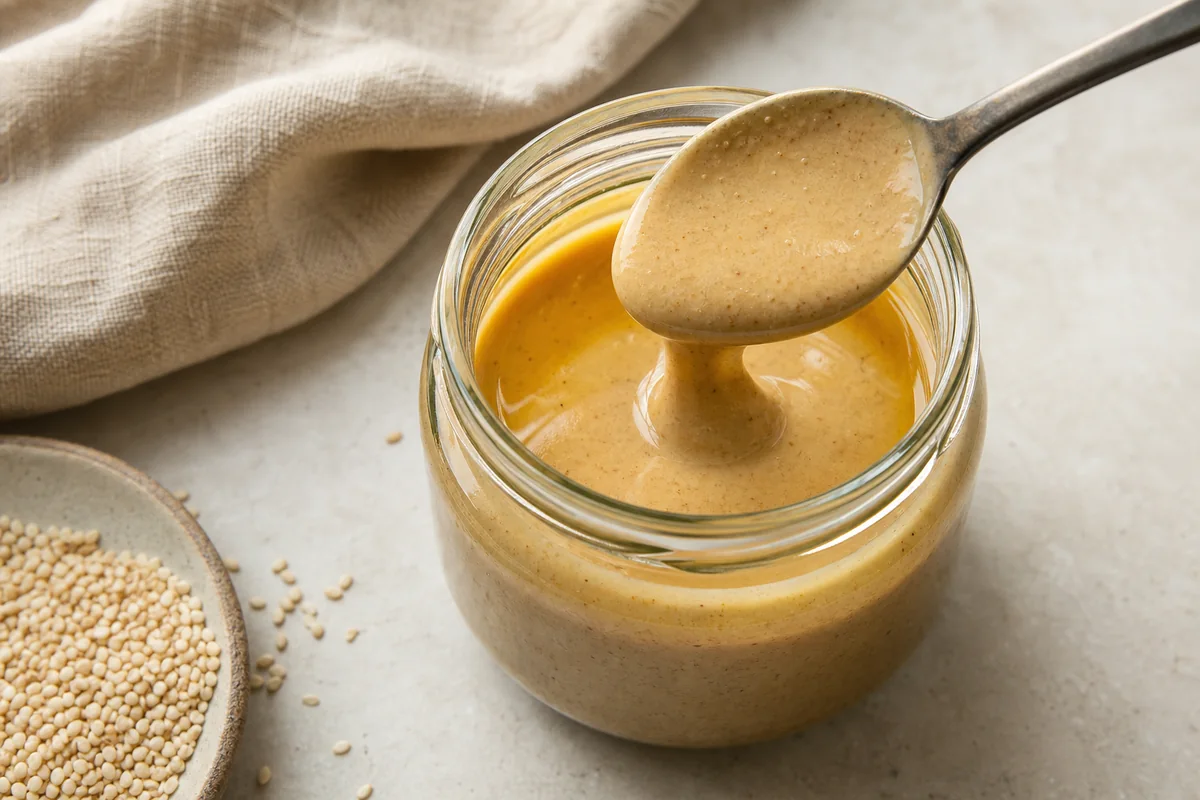
You have probably heard about its spectacular flavor, but do you know exactly how this fish will tempt your palate?
In this comprehensive guide to everything related to Ahi Tuna, we'll discuss the profile of Ahi Tuna's flavors, as well as suggestions on how to best cook it so that you can enjoy all its deliciousness.
With just one bite of this amazing fish, your senses will be filled with an excellent combination of tastes and sensations; leading you on a magical adventure through the depths of gastronomy.
So let's dive into the world of flaky tuna flesh and uncover why people keep raving about it!
What is Ahi Tuna?
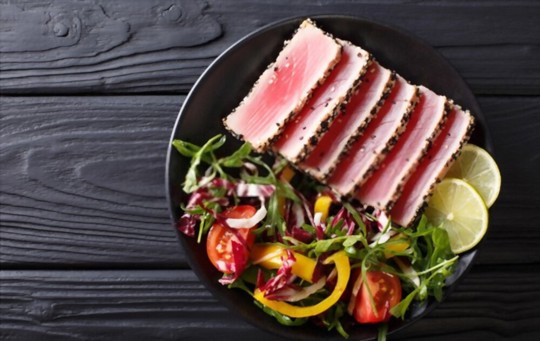
Ahi tuna is a species of fish that is commonly consumed raw, either as sushi or sashimi.
It has a light pink flesh with a firm texture and high fat content, which helps it retain its flavor when cooked.
Its mild, slightly sweet taste makes it popular amongst seafood lovers.
In terms of nutrition, ahi tuna is an excellent source of protein, healthy fats, vitamins and minerals such as iodine, selenium and B vitamins.
It's also low in mercury content compared to other types of fish.
Ahi tuna can be prepared in many different ways, including grilling or searing on the stovetop.
When cooking this type of fish, it's best to keep it simple with minimal ingredients so that its flavor won't be overpowered.
Popular accompaniments include lemon wedges, wasabi or soy sauce.
Overall, ahi tuna is an easy yet flavorful way to incorporate seafood into your diet.
What Does Ahi Tuna Taste Like?
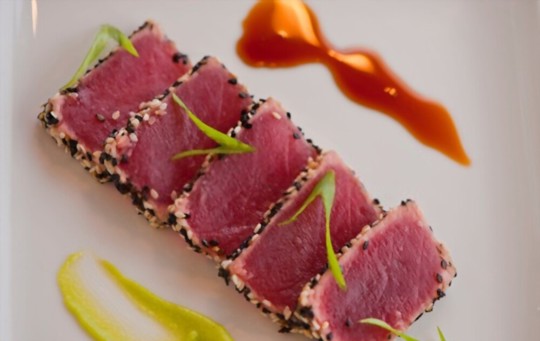
Ahi Tuna, also known as Yellowfin tuna, is a type of fish that is commonly used in sushi and other raw seafood dishes.
It has a firm texture and a mild, meaty flavor that is often compared to that of beef.
The taste of Ahi Tuna can vary depending on its size, quality, and how it is prepared.
When cooked, it is typically seared or grilled to enhance its flavor and bring out its natural sweetness.
The texture of Ahi Tuna is smooth and buttery, and the taste is flavorful with a slight hint of saltiness.
When eaten raw, Ahi Tuna has a subtle flavor and a delicate, silky texture that melts in your mouth.
It is commonly served with soy sauce, wasabi, and pickled ginger to add a contrasting flavor and texture to the dish.
Factors that Affect the Taste of Ahi Tuna
Ahi tuna is a type of tuna that is typically found in Hawaii and the Pacific Islands, although it can also be found worldwide.
The taste of Ahi tuna can be influenced by several factors.
The freshness of the fish is a significant factor that affects its taste.
Fresher Ahi tuna will have a milder and more delicate flavor than older fish.
Another factor is the diet of the Ahi tuna.
Wild Ahi tuna that feeds on shrimp, squid, and crustaceans will have a sweeter and buttery flavor compared to farmed fish.
The cut and preparation of Ahi tuna also impact its taste.
The most tender cuts are the ones closest to the midline, while the outer portions are tougher in texture and stronger in flavor.
Lastly, the cooking method will affect Ahi tuna's taste.
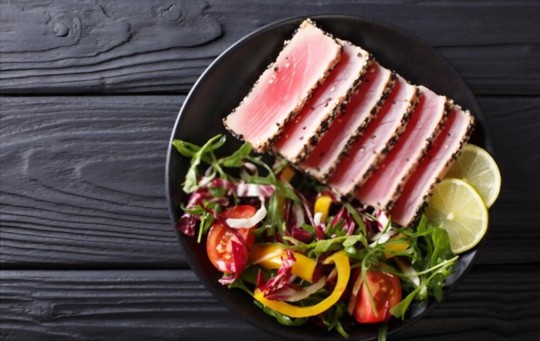
Grilling or searing it will produce a crispy exterior and a rare or medium-rare center, allowing the fish's natural flavors to shine through.
1 - Fat Content
Ahi tuna is a protein-rich fish with a relatively low fat content, making it a healthy and flavorful addition to a balanced diet.
It has a meaty, tender texture with a mild flavor that can be described as buttery, nutty, or umami, depending on the cooking method and seasoning.
Some people also compare ahi tuna to beef or veal, given its red color and hearty texture.
When preparing ahi tuna, it's essential to handle it properly to prevent contamination and achieve the best taste and texture.
Store it in the refrigerator until ready to use and avoid overcooking to preserve its delicate flavor and texture.
Pro Tip: Try seasoning ahi tuna with soy sauce, sesame oil, garlic, and ginger for a flavorful yet healthy meal.
2 - Grade
Ahi Tuna, also known as yellowfin tuna, is a popular fish variety found in warmer parts of the ocean.
With its mild taste and tender texture, Ahi tuna is a favorite fish among fish lovers and chefs alike.
The taste of Ahi tuna ranges from mild and sweet when raw to stronger and meatier when cooked.
It has a firm texture that is not too flaky, which makes it a great option for sushi or searing.
Generally, it is best to not overcook Ahi tuna, as it can become dry and tough.
When selecting Ahi tuna, look for deep red meat with a shiny appearance.
Avoid any fish with brown spots, dry edges, or a fishy smell.
3 - Preparation Method
Ahi tuna, also known as yellowfin tuna, is a popular seafood item known for its flavorful taste, meaty texture, and versatility in various culinary preparations.
Here's what you need to know about its preparation method: Ahi tuna can be cooked in various ways, including grilling, searing, baking, and even consuming it raw in sushi or poke bowls.
Its meaty texture and rich flavor make it an excellent candidate for rare or medium-rare preparations, which help to retain its moistness and tender texture.
A simple way to prepare ahi tuna is to season it with salt and pepper, coat it with olive oil or sesame oil, and sear it for 1-2 minutes on each side in a hot skillet.
When cooked correctly, ahi tuna has a tender, buttery texture, and a rich, meaty flavor that's slightly sweet and nutty.
It can be enjoyed as a standalone dish or paired with various sauces and side dishes to create a balanced meal.
How to Cook Ahi Tuna to Enhance its Flavor?
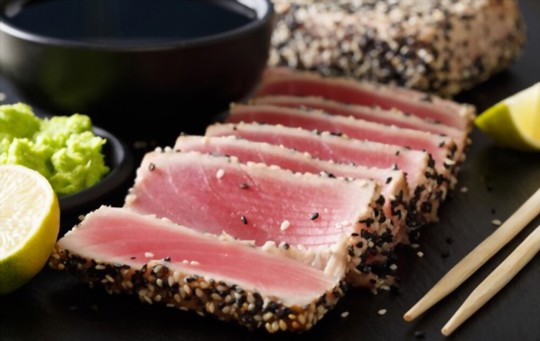
Ahi tuna is a type of tuna that is commonly used in cooking due to its rich and flavorful taste.
It has a firm, meaty texture and a deep red color.
When cooking ahi tuna, there are several ways to enhance its flavor:
- Sear: Searing ahi tuna in a hot pan for a short period helps to lock in its natural juices and flavor while creating a crispy outer layer.
- Marinate: Marinating ahi tuna with soy sauce, ginger, garlic, and other seasonings infuses it with additional flavor and adds moisture to the fish.
- Grill: Grilling ahi tuna over high heat gives it a smoky flavor while keeping it moist and tender.
Ahi tuna tastes buttery, meaty, and slightly sweet, with a subtle flavor that is not overly fishy.
Its flavor is best enjoyed when it's cooked rare to medium-rare.
Culinary Uses of Ahi Tuna
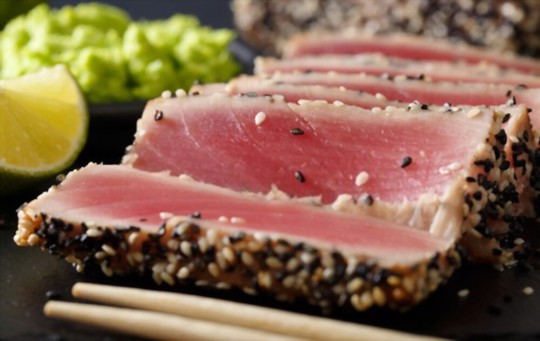
Ahi Tuna, also known as Yellowfin Tuna, is a popular fish in the cooking world due to its rich flavor, meaty texture, and versatility in cooking.
Its distinctive flavor is often described as bold, slightly sweet, and nutty with a hint of umami.
When raw, Ahi Tuna has a buttery and tender texture that melts in your mouth.
This fish is used in a range of dishes, from sashimi and ceviche to grilled steak and tartare.
Its meaty texture makes it perfect for searing, grilling or baking dishes.
Its flavor also pairs well with acidic ingredients like lemon, lime, and vinegar, as well as with sweeteners like honey and maple syrup.
Ahi Tuna is also known for its high protein content and low fat, making it a healthy addition to any meal.
Where to Buy Ahi Tuna and How to Store It?
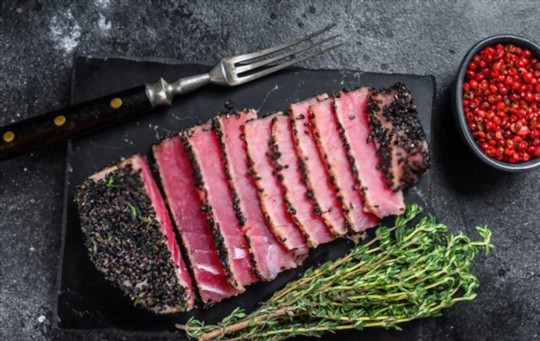
Ahi tuna is a type of tuna that is commonly used in sushi and sashimi.
It has a meaty texture, a firm flesh, and a mild, slightly sweet flavor.
If you are looking to purchase ahi tuna, your best bet is to go to a local seafood market or Japanese grocery store.
These places often carry high-quality, sushi-grade ahi tuna that is perfect for raw consumption.
It is important to keep the fish cold and dry to prevent spoilage.
Wrap the tuna in paper towels to absorb any moisture and store it in an airtight container in the coldest part of your refrigerator.
Make sure to consume the tuna within 1-2 days of purchasing it to ensure maximum freshness and flavor.
Distinctive Taste of Ahi Tuna
It is sought after for its tender, meaty texture, and mild flavor that works well with a range of cuisines.
Whether you're a seasoned seafood lover or a newbie, Ahi Tuna is worth trying out.
So go ahead and cook it to perfection using your favorite recipe and enjoy.
More From EpicureDelight
The Complete Food Flavor Guide - your complete resource for this topic.
Read all flavor guides →Ahi Tuna has a distinctive flavor that's worth exploring - it is usually [rich/delicate/bold/earthy/bright] with notes that vary depending on how it's prepared. Fresh and cooked versions often taste quite different.
Ahi Tuna pairs well with bold seasonings that complement rather than compete with its natural flavor - garlic, citrus, and fresh herbs are common companions. In savory dishes, a touch of acid balances its richness.
It depends on the type - some are best enjoyed fresh where the flavor is brightest, while others develop better depth after roasting, marinating, or slow cooking.
Often, yes - the aroma can be more intense than the taste suggests. The smell mellows considerably with cooking, and many people find it more appealing on the palate than they expected from the scent.

Carrie is a food writer and editor with more than 15 years of experience. She has worked for some of the biggest names in the food industry, including Bon Appétit, Food & Wine, and Martha Stewart Living.
As the Editor in Chief of EpicureDelight, Carrie oversees all of the content on the site. She also manages the team of contributing writers and editors, who help to create delicious recipes, helpful tips, and informative articles that you’ll find on the site.
A native of the Chicago area, Carrie is passionate about all things food. She loves trying new restaurants and experimenting with new recipes in her kitchen. She’s also a graduate of the Culinary Institute of America, so she knows a thing or two about food!