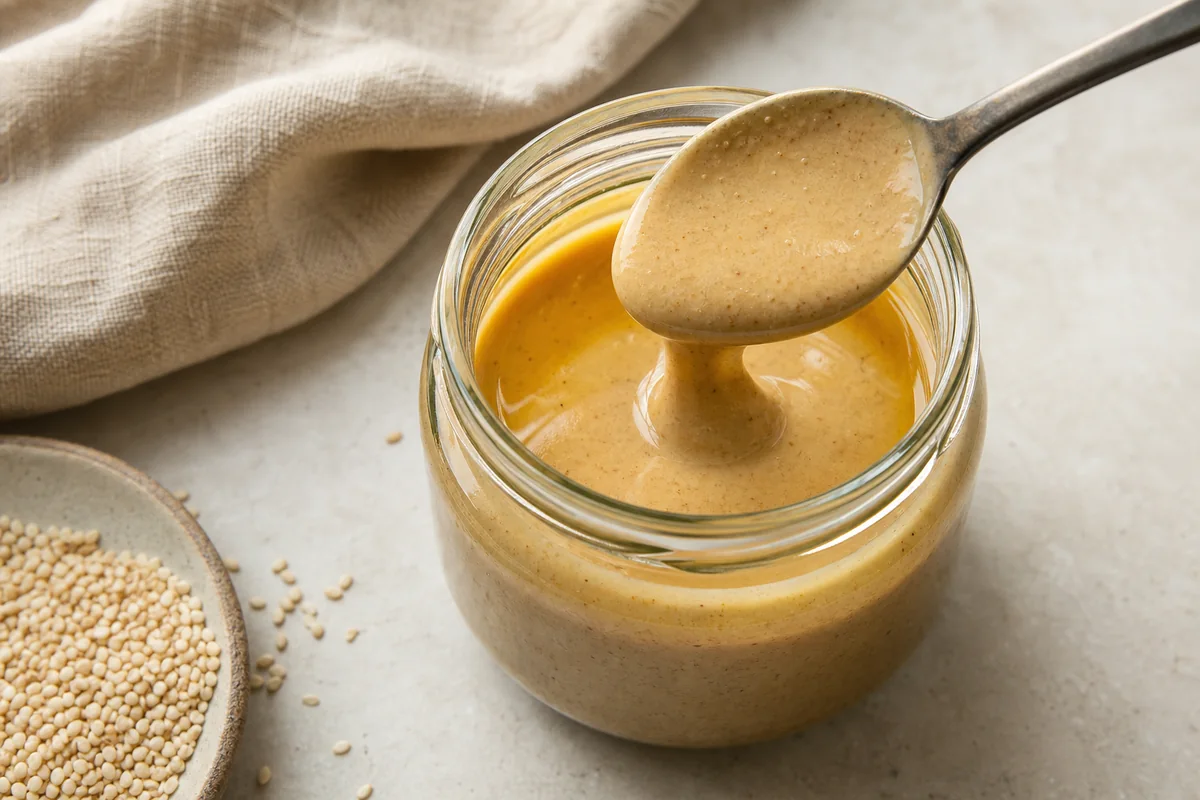
Brazil nuts taste rich, buttery, and mildly earthy with a faint coconut-like sweetness. The first bite is firm and crisp, but their high oil content makes the texture turn creamy as you chew.
Fresh nuts should taste clean and mild rather than sharply bitter. Light roasting deepens the toasted flavor, while a paint-like, waxy, or sour note can signal rancid oil.

Brazil nuts are mild, buttery, earthy, and very rich. They feel firmer than cashews at first, then become creamy, while roasting adds a stronger toasted edge.
What Do Brazil Nuts Taste Like?
A Brazil nut is much larger than an almond or cashew, so the first bite feels dense. The pale interior breaks with a firm snap, then small pieces coat the tongue with rich oil.
The flavor arrives in a slow order: mild sweetness, butter, damp earth, and a soft woody or coconut-like finish. Thin patches of brown skin can add a little dryness or bitterness.
Brazil nuts are not sweet like candy and not as roasted-tasting as a dark peanut. Their natural sweetness is closer to fresh coconut flesh or a mild macadamia.
A raw nut can seem almost neutral during the first chew. Warmth in the mouth releases more oil and makes the butter-like flavor clearer.
The nut should feel firm but not rock-hard. It crumbles into dense creamy pieces rather than turning pasty as quickly as a cashew.
A dry, hollow, or rubbery texture suggests age or poor storage. Very soft flesh, damp spots, or a musty smell needs closer inspection before tasting.
For a sweeter and more aromatic comparison, our hazelnut taste guide covers the nut behind many chocolate spreads and pralines.
Why Do Brazil Nuts Taste So Rich?
The rich mouthfeel comes from abundant nut oil. That oil carries flavor and leaves a longer coating on the tongue, which can make one or two nuts feel more filling than a small handful of drier nuts.
Rich does not mean loud. Brazil nuts have weight and creaminess, but their aroma is often quieter than toasted hazelnuts, walnuts, or peanuts.
| Nut | Main flavor | Texture | Closest difference |
|---|---|---|---|
| Brazil nut | Buttery, earthy, faintly coconut-like | Firm then creamy | Largest and richest bite |
| Macadamia | Buttery and gently sweet | Crisp and very creamy | Sweeter, less earthy |
| Cashew | Mild, sweet, milky | Soft crunch, pasty finish | Softer and sweeter |
| Walnut | Woody, bitter, tannic | Crumbly with thin skin | More bitter and aromatic |
| Chestnut | Sweet, starchy, earthy | Soft and floury when cooked | Far less oily |
The comparison explains why Brazil nuts can replace some of the richness of macadamias in chopped applications, yet the flavor is earthier. They are a poor match for the dry starch of chestnuts.
Read our chestnut taste guide when the nut is meant to be roasted or boiled into a soft, potato-like texture rather than eaten as an oily kernel.
How Does Roasting Change Brazil Nuts?

Heat makes the surface crisper and produces stronger roasted aromas. It also reduces the fresh coconut-like note and pushes the flavor toward toast, browned butter, and warm wood.
- Start with a low, even layer. Large nuts heat more slowly at the center than small chopped pieces.
- Watch color, not only time. Stop when the surfaces become lightly golden and smell toasted.
- Cool before judging. Hot oil can hide bitterness and make the nut seem softer.
- Taste one cooled nut. It should be crisp and fragrant, not smoky or acrid.
Brazil nuts can move from toasted to scorched because their oil-rich surfaces brown readily. Stir or turn them so the flat sides do not burn against the tray.
Salt makes the nut taste sweeter and more savory at once. A heavy seasoning crust can hide the natural earthiness, so use plain nuts when you want to learn their baseline flavor.
How Can You Use Brazil Nuts?
The large kernel can dominate a bite when left whole. Cutting it changes both texture and how quickly the rich flavor spreads through a dish.
Halves suit a snack plate or the top of a baked item where the nut should stay easy to identify. They remain firm longer than thin slices.
Check each piece before serving because one rancid nut can affect a whole mouthful. Large size makes visual inspection easier than it is with tiny chopped nuts.
Rough pieces spread through granola, cookies, salads, rice, and roasted vegetables. A small amount can add weight without placing a full dense nut in every bite.
Chop after roasting and cooling when you want clean pieces. Chopping before roasting creates more browned edges but also raises the chance of scorching.
Ground Brazil nuts can thicken fillings, crusts, sauces, or nut milk. Pulse in short bursts because the high oil level can turn meal into paste quickly.
A paste tastes richer and less crisp than the whole nut. Pair it with acid, cocoa, coffee, or tart fruit when the coating mouthfeel becomes too heavy.
Stop grinding while crumbs still move freely. Continued heat and pressure release oil and turn the mixture into butter.
When Should You Avoid or Discard Brazil Nuts?
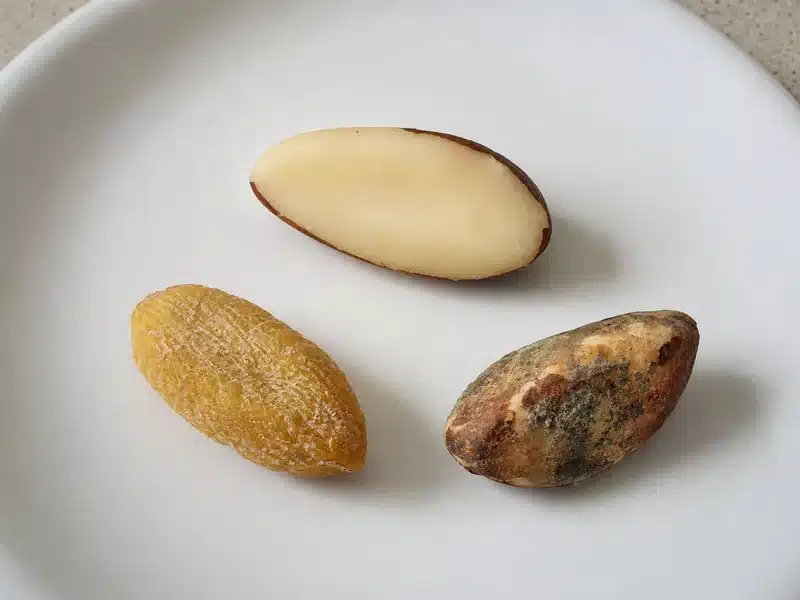
Oil oxidation and mold damage are different failures. Neither improves through roasting, seasoning, or mixing the nut into a stronger food.
- Rancid oil can smell like paint, crayons, old cooking oil, or sharp chemicals and may taste waxy or sour.
- Mold can appear fuzzy, dusty, dark, green, or pale and often brings a musty odor.
- Moisture damage can make the flesh soft, stained, or unusually dark in patches.
- Insect damage can leave holes, webbing, dust, or hollow areas.
- Fresh nuts smell mild and clean, with firm cream-colored flesh and normal patches of thin brown skin.
The FDA includes nuts and nut products in its inspection guidance and monitors mycotoxin risks in foods. Do not cut away visible mold and eat the rest of a damaged Brazil nut.
Store nuts in a tight container away from heat and light. Their oil can become stale, so cool storage helps a large supply.
Cashew shelf life shows similar odor and texture checks for another high-fat nut.
Brazil nuts contain much more selenium than most foods. The National Institutes of Health says one nut can contain about 68 to 91 micrograms, while the amount varies with soil and growing conditions.
That range means a casual large handful can supply far more selenium than expected. The NIH adult upper limit is 400 micrograms per day from all sources, so Brazil nuts are not a snack to eat without attention every day.
One nut can contain a large selenium dose. People with medical conditions, children, and anyone using selenium supplements should follow professional guidance rather than treating a handful as an everyday portion.
Brazil nuts are also tree nuts, a major food allergen in the United States. Avoid them when a tree-nut allergy plan says to do so, and prevent cross-contact with shared boards, knives, grinders, and storage jars.
This safety boundary does not change the taste description. It changes how much you serve while enjoying the rich, mild flavor.
Sources
- National Institutes of Health Office of Dietary Supplements, selenium amounts in Brazil nuts and intake limits
- U.S. Food and Drug Administration, tree nuts as a major allergen
- U.S. Food and Drug Administration, inspection methods for nuts and nut products
- U.S. Food and Drug Administration, mycotoxin risks in food
Fresh nuts may have a faint dry bitterness from the brown skin, but they should taste mainly buttery and mild. Sharp waxy or paint-like bitterness can mean rancidity.
They can have a faint coconut-like sweetness and creamy oil, but the flavor is earthier and the bite is much firmer than coconut flesh.
Roasted nuts taste stronger, toastier, and crisper, while raw nuts keep a milder creamy flavor. The better choice depends on the dish.
A paint, crayon, or old-oil flavor is a common rancidity warning. Discard the nut and inspect the rest of the package.
Because selenium varies and one nut can contain a large amount, keep portions small and follow medical guidance when you use supplements or have a health condition.

Carrie is a food writer and editor with more than 15 years of experience. She has worked for some of the biggest names in the food industry, including Bon Appétit, Food & Wine, and Martha Stewart Living.
As the Editor in Chief of EpicureDelight, Carrie oversees all of the content on the site. She also manages the team of contributing writers and editors, who help to create delicious recipes, helpful tips, and informative articles that you’ll find on the site.
A native of the Chicago area, Carrie is passionate about all things food. She loves trying new restaurants and experimenting with new recipes in her kitchen. She’s also a graduate of the Culinary Institute of America, so she knows a thing or two about food!