If so, you're not alone - many people are curious about the taste of this powdery substance!
Indeed, with cornstarch being such a ubiquitous ingredient in many dishes around the world, understanding its unique flavor could help improve your cooking repertoire.
Our comprehensive guide will provide an in-depth look into the complexities and subtleties behind each type of cornstarch available; from common yellow varieties to speciality types like potato or tapioca starch.
What is Cornstarch?

Cornstarch is a common ingredient in many households that is often used for thickening sauces, gravies, and soups.
But there is much more to this white, powdery substance than just that.
Cornstarch is derived from the endosperm of corn, and it is used in a variety of ways beyond cooking.
In fact, cornstarch can be found in a wide range of products, including cosmetics, medicines, and even paper products.
This flexible ingredient has many benefits as well, such as being gluten-free and having a neutral flavor.
Additionally, it can be used as a substitute for flour in gluten-free baking, making it a go-to ingredient for those with diet restrictions.
Cornstarch truly is a multi-purpose substance that should not be underestimated.
What Does Cornstarch Taste Like?
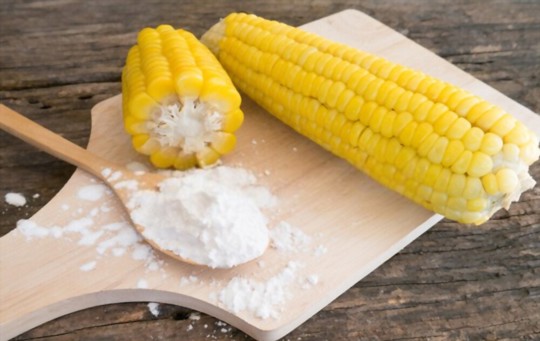
Cornstarch is a fine white powder that is commonly used in cooking and baking as a thickener or a binding agent in recipes.
Cornstarch itself has a very mild, neutral taste, making it an ideal ingredient for use in dishes where you do not want to impart any additional flavors.
When cornstarch is added to recipes, it primarily serves to thicken the mixture and improve its overall texture, rather than add to its taste.
It is also an excellent gluten-free substitute for wheat flour in recipes and adds a crisp texture to fried dishes.
Due to its ability to dissolve in liquids, cornstarch is perfect for thickening sauces, gravies, and soups.
Additionally, adding cornstarch to certain desserts like puddings, custards, and pies yields a smooth and velvety texture.
In conclusion, cornstarch is a tasteless and flexible ingredient that is an essential component of many dishes and recipes, especially in gluten-free cooking.
Can Cornstarch Be Eaten as a Food?

Cornstarch is a commonly used cooking ingredient made from corn that can be used to thicken sauces, soups, and gravies.
Unlike cornmeal, cornstarch is finely grounded, creating a smooth texture when mixed with liquids.
However, cornstarch is not meant to be eaten on its own as it is a flavorless and nutritionless ingredient.
When added to recipes, cornstarch provides a subtle thickness to liquid dishes without altering their taste significantly.
However, cornstarch is a high-carbohydrate and high-calorie ingredient that should be used in moderation.
So, while cornstarch itself cannot be eaten as a food, it can be used as a thickening agent in a wide range of culinary applications.
Preparation Methods that Affect the Taste of Cornstarch
Cornstarch is a popular ingredient used in many recipes as a thickening agent.
It is a fine, white powder derived from corn kernels and is virtually tasteless.
However, the preparation method can affect the taste and texture of the cornstarch.
- Raw cornstarch has a slightly starchy taste and needs to be cooked to remove the raw flavor.
- Cooked cornstarch has a neutral taste and is preferred when making sauces, soups, or gravies.
- Roasted cornstarch has a nutty flavor and can be used to add depth to dishes.
- Fried cornstarch has a crispy texture and is used as a coating for fried food items like chicken, tofu, etc.
It is essential to choose the appropriate preparation method for cornstarch to ensure that it compliments the flavors of your dish.
Pro tip: Always add cornstarch to a cold liquid first to avoid lumps and ensure an even consistency.
1 - Raw Cornstarch
Cornstarch is a fine, powdery substance that is made from corn.
It is typically used as a thickener and stabilizer in food and cooking.
Raw cornstarch has a plain, starchy taste and a slightly gritty texture when consumed directly.
However, when used as a thickener in soups, stews, or sauces, it does not contribute any taste or aroma to the dish.
Cornstarch is gluten-free and a popular substitute for flour in gluten-free recipes because of its binding properties.
It is also used in baking to keep cakes and cookies light and fluffy.
Pro Tip: To use cornstarch as a thickener, mix it with water or other cold liquid first to create a slurry.
This helps avoid clumping and ensures even distribution in the recipe.
2 - Cooked Cornstarch
Cornstarch is a powdery white substance derived from maize which is commonly used in cooking and baking as a thickening agent for soups, sauces, and gravies.
Unlike flour, it is not a protein and is gluten-free, which makes it an ideal substitute for wheat flour.
Cornstarch itself is flavorless, which means it won't add any taste to your dishes.
However, it does impart a smooth, silky texture to the food and helps to bind the ingredients together.
When used properly, cornstarch can give your dishes a glossy and translucent appearance, making it the perfect ingredient for puddings, custards, and pie fillings.
Pro tip: To ensure that your cornstarch is fully dissolved and doesn't clump when added to your recipe, mix it into a small amount of cold liquid before incorporating it into your dish.
3 - Cornstarch in Baked Goods
Cornstarch is a fine, powdery substance that is commonly used in baked goods to thicken and stabilize the mixture.
It has a neutral taste and odor, making it a flexible ingredient that doesn't overpower the flavor of other ingredients in the recipe.
Cornstarch is made by grinding the starchy part of a corn kernel into a fine powder.
It is commonly used in recipes like cakes, cookies, and sauces to create a smooth and tender texture.
Cornstarch is also a gluten-free alternative to flour and can be used to thicken soups and gravies.
Despite its name, cornstarch doesn't taste like corn at all.
It has a mild, slightly sweet taste and is known for its ability to create a glossy finish when used as a thickener in sauces and puddings.
Next time you're making a baked good, consider using cornstarch as a key ingredient to create a delicious and velvety texture in your creations.
Alternative Uses of Cornstarch

Cornstarch is commonly used as a thickening agent in recipes, but it also has several alternative uses beyond cooking.
Cornstarch is a fine, white powder made from ground corn kernels.
It has a neutral taste and odor, making it an excellent ingredient for various recipes as it doesn't alter the taste, but it contributes to the texture.
Cornstarch can also be used for the following:
- Scalp treatment: Cornstarch can help control oily hair by absorbing excess oil on the scalp.
- Soothing skin irritation: It can be used as a natural remedy for skin irritations, including sunburn, rashes, and itching caused due to heat.
- Dry shampoo: Cornstarch is a great alternative to dry shampoo as it effectively soaks up oils, sweat, and dirt from hair.
- Jewelry cleaner: Cornstarch can be used to clean and polish jewelry, leaving it gleaming and free from tarnishes.
- Window cleaner: When mixed with apple cider vinegar, cornstarch can be used to clean windows and other glass surfaces.
Cornstarch is an essential and flexible ingredient for your kitchen and beyond.
Cornstarch Taste Characteristics
It is widely used as a thickener, binder, and stabilizer in various food products.
Cornstarch has a neutral taste and aroma, enabling it to blend unobtrusively with other ingredients without affecting the flavor of the final product.
It possesses an exceptional ability to thicken and stabilize food items, making it a popular ingredient in gravies, sauces, soups, and pies.
Due to its versatility and gluten-free nature, cornstarch has become a pantry staple in most households.
More From EpicureDelight
The Complete Food Flavor Guide - your complete resource for this topic.
Read all flavor guides →The taste of Cornstarch sits on a spectrum - [milder preparations] are approachable for most palates, while [stronger varieties or preparations] bring more intensity and character.
For a first taste, keep it simple - let the natural flavor come through before adding heavy sauces or spices. A light seasoning with salt, olive oil, and lemon is a great starting point.
Yes - milder preparations, lighter seasonings, and familiar cooking methods make it much more approachable. Mixing it into dishes rather than serving it alone is a great entry point.
It responds particularly well to [fat type - butter, olive oil, sesame] and [herb or spice]. The right fat carries its flavor beautifully and rounds out any sharpness.

Carrie is a food writer and editor with more than 15 years of experience. She has worked for some of the biggest names in the food industry, including Bon Appétit, Food & Wine, and Martha Stewart Living.
As the Editor in Chief of EpicureDelight, Carrie oversees all of the content on the site. She also manages the team of contributing writers and editors, who help to create delicious recipes, helpful tips, and informative articles that you’ll find on the site.
A native of the Chicago area, Carrie is passionate about all things food. She loves trying new restaurants and experimenting with new recipes in her kitchen. She’s also a graduate of the Culinary Institute of America, so she knows a thing or two about food!