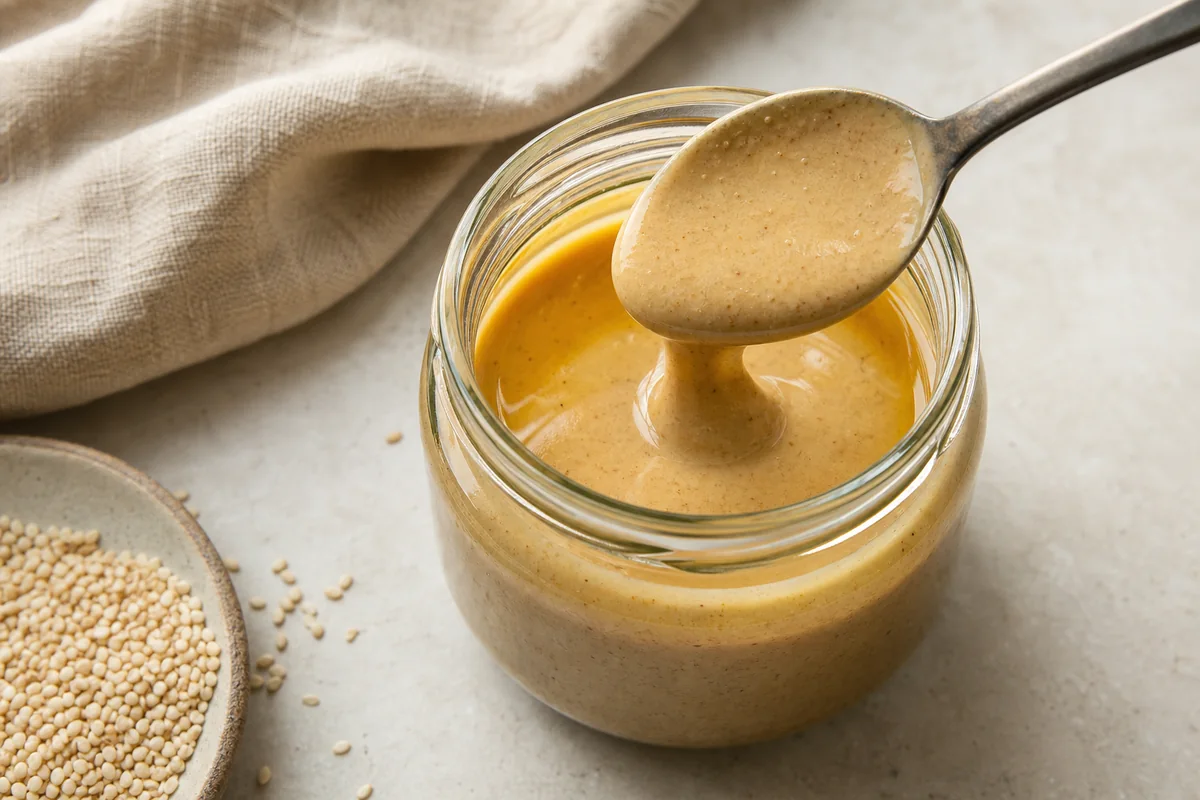
Stevia tastes intensely sweet, but its sweetness starts later and lasts longer than sugar. Too much can leave a bitter, herbal, or licorice-like finish, and different glycosides or packet blends can taste noticeably different.
A good dose can taste clean in coffee, tea, or yogurt. A heavy dose makes the long finish build until the aftertaste becomes stronger than the food.

Stevia brings high sweetness with a slower rise and longer finish than sugar. The exact glycoside, packet filler, dose, and food decide whether it tastes clean or turns bitter and herbal.
What Does Stevia Taste Like?
Sugar tastes sweet as soon as it dissolves on the tongue, then fades in a familiar curve. Stevia can take longer to peak and may remain after the food or drink has gone.
Sugar
Quick sweetness, clean fade, and familiar weight on the tongue.
Stevia
Later sweetness, high intensity, and a longer herbal or bitter finish at heavy doses.
Honey
Immediate sweetness with floral aroma, body, and its own strong flavor.
That timing makes a first sip seem balanced before the next sip becomes too sweet. The lingering part is also where some people notice bitterness, licorice, or a dry herbal note.
The difference is easiest to notice in plain water or unsweetened tea. Vanilla, coffee, cocoa, fruit acid, and dairy can cover part of the finish.
Stevia also lacks the syrupy body of sugar. A drink may taste sweet enough but still feel thin, which can make the aftertaste stand out.
People vary in how strongly they sense bitter compounds. One person may find a product clean while another reaches for honey's floral sweetness after the first sip.
Why Do Stevia Glycosides and Packet Ingredients Change the Flavor?
| Form | What you may taste | What to check |
|---|---|---|
| Pure extract | Very intense sweetness with little bulk | Use the product's tiny measure |
| Reb A-led extract | Strong sweetness with more bitter risk at high dose | Start low and taste after it dissolves |
| Newer glycoside blend | Often designed for a rounder finish | Read the named glycosides |
| Erythritol blend | More volume with a possible cooling feel | Do not use pure-extract ratios |
| Dextrose blend | More sugar-like bulk and a faster sweet start | Check calories and serving size |
Stevia leaves contain several sweet steviol glycosides. Purified products can emphasize different glycosides, and those choices change the sweetness curve and bitter edge.
The front label may say stevia even when most of a tabletop packet is a carrier such as erythritol or dextrose. That carrier adds volume, changes how fast the powder dissolves, and may add cooling or sugar-like notes.
The US Food and Drug Administration separates highly purified steviol glycosides from whole-leaf and crude stevia extracts. That difference matters because the forms do not share one food-use status or one flavor profile.
Label reading also prevents bad substitutions. A spoonable blend and a concentrated liquid drop are not interchangeable, even when both packages use the same plant picture.
Other sweeteners bring different signals. Agave nectar adds syrupy body, while brown sugar brings molasses flavor and moisture.
When Does Stevia Turn Bitter?
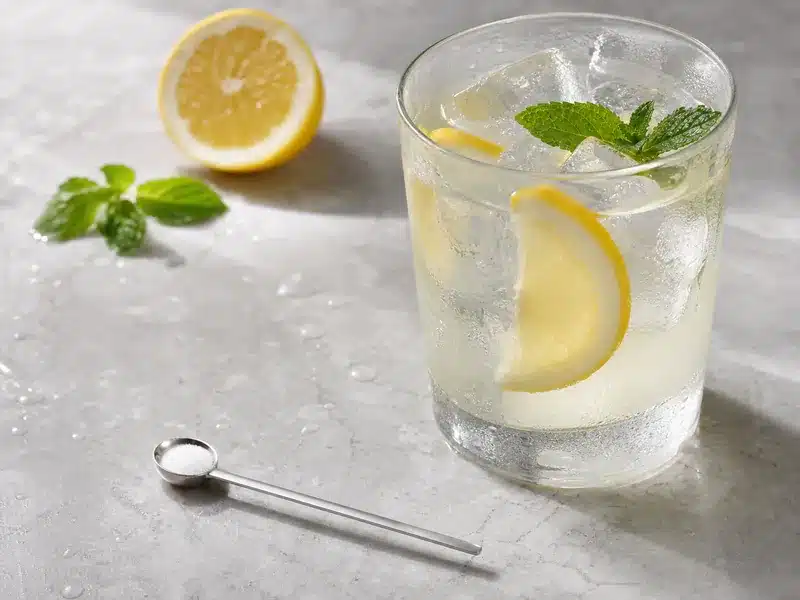
Test the full finish before adding more
The cleanest way to test stevia is to start below the label's suggested maximum. Stir or shake until it fully dissolves, wait for the finish, then add a little more only if the drink still needs sweetness.
Adding a full second dose before the first one peaks creates the common bitter result. More stevia increases both sweetness and the length of the finish.
Dry pockets can create sharp sweet spots, so a result is not trustworthy until the sweetener has dissolved. Concentrated drops and powders also leave little room for an unmeasured pour.
Correct the drink one variable at a time
Cold drinks can mute sweetness at first, while melting ice later dilutes both tea and sweetener. Taste the drink at its serving temperature, especially in fruit-forward smoothies, rather than while the base is warm.
Acid can make a drink seem brighter, but it does not erase a severe stevia aftertaste. A small squeeze of citrus may help fruit drinks, while extra acid can make coffee taste harsh.
When maple flavor belongs in the recipe, the options in a maple syrup swap offer body that stevia cannot provide. They also add their own sugars or flavors, so the choice is about function as well as sweetness.
Why Does Stevia Behave Differently from Sugar in Baking?
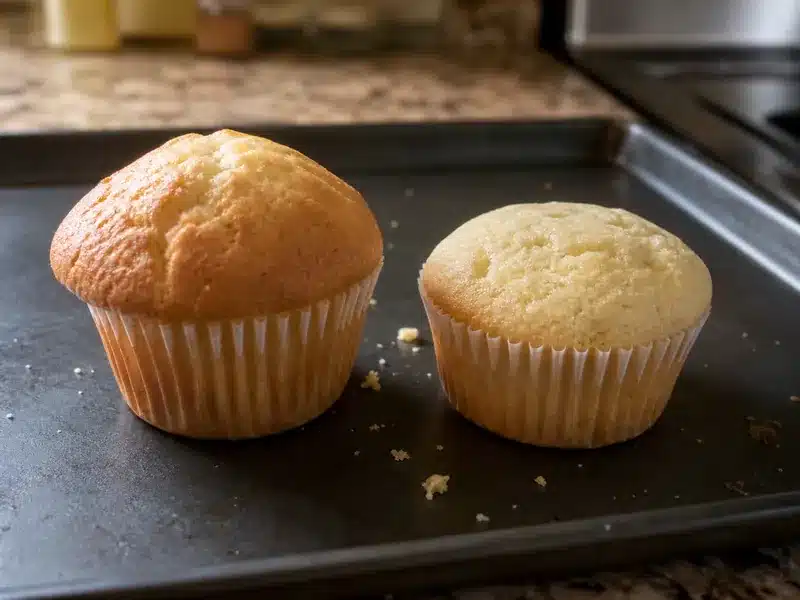
Sugar sweetens batter, but it also adds bulk, holds water, helps browning, and controls spread. Stevia supplies sweetness without doing those physical jobs.
A cake can taste sweet yet bake pale, dry, or short if the recipe removes a cup of sugar and replaces it with a tiny amount of pure extract. The missing volume has to come from a tested formula, not extra stevia.
| Sugar job | Possible change | Better response |
|---|---|---|
| Bulk | Less batter volume | Use a recipe built for the exact blend |
| Browning | Paler crust | Judge doneness by structure, not color alone |
| Moisture | Drier crumb | Use the tested liquid and fat balance |
| Spread | Thicker cookies | Do not assume a cup-for-cup swap |
| Flavor | Aftertaste stands out | Pair with cocoa, spice, fruit, or vanilla when suitable |
Blended baking products often include bulking ingredients for this reason. Follow the ratio for that exact product rather than borrowing the measure from a different brand.
Applesauce can add moisture and volume in some batters, but it also changes flavor and structure. Treat applesauce baking swaps as recipe decisions, not a universal stevia fix.
Powdered sugar has its own starch and texture roles, so stored powdered sugar cannot be replaced by sweetness alone. The same caution applies to frostings that depend on sugar for body.
How Can You Soften Stevia's Aftertaste?
- For coffee reduce the stevia, then use milk or cream to soften bitterness and body.
- For cocoa add enough salt to sharpen chocolate, but keep it below a clearly salty taste.
- For fruit use acid only when the fruit already needs brightness.
- For vanilla foods let vanilla aroma round the finish without doubling the dose.
- For desserts choose a tested blend or a lower-sugar dessert formula that already accounts for bulk.
If stevia tastes bitter, reduce the dose first. Adding more sweetness usually lengthens the same finish instead of covering it.
A small amount of another sweetener can make the onset feel more sugar-like. This blend works because the two sweetness curves overlap, not because one flavor disappears.
Flavor additions can round a mild edge, but they cannot make an overloaded drink taste clean. Lowering the dose remains the first correction because every extra measure lengthens the same aftertaste.
A cooling sensation may come from erythritol in the packet rather than stevia itself. Check the ingredient list before deciding which part of the blend you dislike.
If a recipe needs caramel notes, spread, or browning, a small amount of real sugar may serve the food better. Stevia works best when the recipe asks it to sweeten, not to imitate every job sugar performs.
Single-serve foods make testing easier. A small mug cake limits waste while you learn a product's dose, though the recipe still needs to be designed for that sweetener.
Sources
- US Food and Drug Administration high-intensity sweetener guidance
- FDA distinction between stevia leaves and purified steviol glycosides
- FDA GRAS notice with stevia sweetness-timing and food-matrix data
Frequently Asked Questions
Does stevia taste like sugar?
No. It can deliver similar sweetness, but it usually rises later, lasts longer, and has less body than sugar.
Why does stevia taste bitter to some people?
Dose, glycoside mix, food, and individual sensitivity all matter. A heavy dose makes the bitter or herbal finish easier to notice.
Does liquid stevia taste different from powder?
It can. Powders often contain carriers, while liquids use a different concentration and base, so compare ingredient lists and serving sizes.
Can stevia replace sugar cup for cup?
Pure stevia cannot. Some baking blends are designed for larger-volume swaps, but you must follow the ratio for that exact product.
How do you remove stevia aftertaste?
Reduce the dose first. Then use a suitable flavor, dairy, or a small amount of another sweetener to round a mild remaining edge.

Carrie is a food writer and editor with more than 15 years of experience. She has worked for some of the biggest names in the food industry, including Bon Appétit, Food & Wine, and Martha Stewart Living.
As the Editor in Chief of EpicureDelight, Carrie oversees all of the content on the site. She also manages the team of contributing writers and editors, who help to create delicious recipes, helpful tips, and informative articles that you’ll find on the site.
A native of the Chicago area, Carrie is passionate about all things food. She loves trying new restaurants and experimenting with new recipes in her kitchen. She’s also a graduate of the Culinary Institute of America, so she knows a thing or two about food!