Are you the type of person who is endlessly curious about how food tastes?
Are you someone who can never resist trying new flavors, but sometimes struggle to describe what it was that you just tasted?
If so, then have I got a treat for you! This comprehensive guide dives into the flavor of chocolate and breaks down what makes it such a special part of any dessert.
We'll look at different types like white, dark, and milk chocolate to discover exactly what they all taste like and how they vary from one another.
From its origin story to describing why it's universally loved by millions around the world -
What is Chocolate?
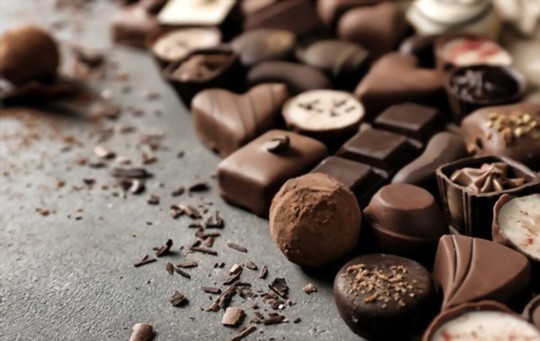
Indulging in a rich, velvety piece of chocolate is a pleasure that is shared by millions of people all over the world.
But what is chocolate exactly? In-depth details reveal that chocolate is made from cacao beans that are harvested from the Theobroma cacao tree.
These beans are then roasted, ground and mixed with sugar, milk, and other flavourings to produce the delicious treat we all know and love.
Beyond its taste, chocolate has many benefits, ranging from boosting mood to improving heart health.
Wrapping points include the fact that consuming chocolate in moderation can be a part of a healthy diet and lifestyle.
So, if you ever find yourself wondering what chocolate really is, just remember that it's a nice delicacy that comes from a unique and complex process involving nature's finest ingredients.
What Does Chocolate Taste Like?
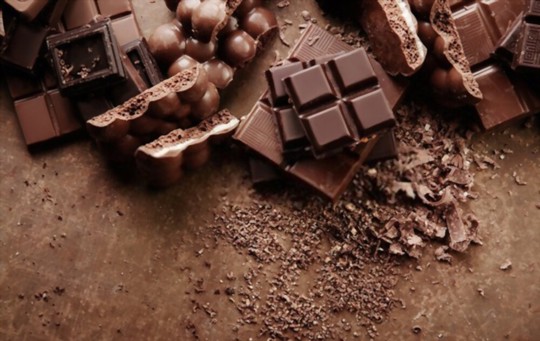
Chocolate is a beloved treat enjoyed around the world, with a complex flavor that varies depending on factors such as cocoa content, production method, and added ingredients.
At its core, chocolate is a mixture of cocoa solids, cocoa butter, and sugar.
The percentage of cocoa solids in the chocolate determines its overall flavor, with higher percentages resulting in a more intense, bitter taste.
Milk chocolate, which adds milk powder or condensed milk to the chocolate mixture, has a sweeter and creamier taste than dark chocolate.
White chocolate, which contains no cocoa solids, has a rich, buttery flavor.
Other factors can also influence the taste of chocolate, such as the addition of nuts, fruit, or spices.
Overall, the taste of chocolate can be described as rich, complex, and indulgent, with a variety of flavors and textures to experience.
Types of Chocolate and Their Taste Profiles
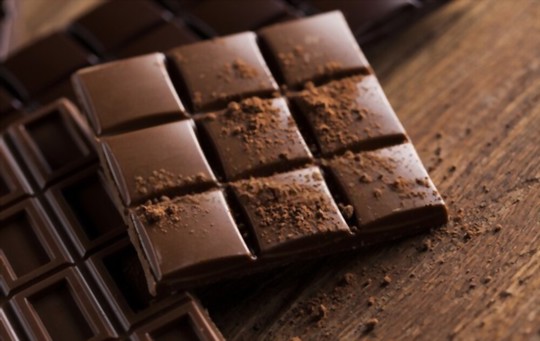
Chocolate comes in different types, each with a unique taste profile.
Dark, milk, and white chocolate are the most common versions of chocolate that are commonly consumed.
Dark chocolate has a rich, intense flavor that ranges from mildly sweet to bitter, depending on the percentage of cocoa solids.
At 70% or higher, dark chocolate has a deep, earthy, and sometimes fruity taste.
Milk chocolate is sweeter and creamier than dark chocolate and has a milder taste.
Its flavor is more subtle than dark chocolate, and it often has hints of caramel or vanilla.
White chocolate is the sweetest of all chocolate varieties and has a rich and creamy flavor.
White chocolate does not contain cocoa solids and is made from cocoa butter, sugar, and milk.
The taste of chocolate depends on the cocoa content, added ingredients, and even the processing method.
Furthermore, the taste can differ from person to person.
1 - Milk Chocolate
Milk Chocolate is a type of chocolate that has a creamy and sweet taste with a smooth texture.
It is made up of cocoa powder, sugar, and milk solids with varying percentages of each ingredient depending on the manufacturer.
Milk chocolate offers a milder chocolate flavor compared to dark chocolate because of the higher content of milk and sugar.
It is perfect for those who want a sweeter and mild chocolate taste.
However, it is essential to note that the quality of milk chocolate depends on the cocoa content.
Therefore, if you want to experience a richer milk chocolate flavor, go for the ones with a higher percentage of cocoa content.
You can add some texture and flavor depth to your milk chocolate by incorporating ingredients such as nuts, dried fruits, or spices.
2 - Dark Chocolate
Dark chocolate is a type of chocolate that is made of more than 70% cocoa solids and has a higher percentage of cocoa as compared to other types of chocolate.
Dark chocolate has a rich and intense flavor, ranging from bitter to sweet, and a smooth texture.
Dark chocolate is known for its complex flavor, which includes notes of roasted nuts, coffee, and dried fruit.
It may also have a slightly floral or herbal flavor.
The taste of dark chocolate varies depending on the percentage of cocoa solids used and the origin of the cocoa beans.
Dark chocolate is also considered healthier than milk chocolate due to its high cocoa content, which contains antioxidants and other beneficial compounds.
Pro tip: When tasting dark chocolate, start with the lowest percentage of cocoa solids and work your way up to a higher percentage to fully appreciate the depth and complexity of its flavor.
3 - White Chocolate
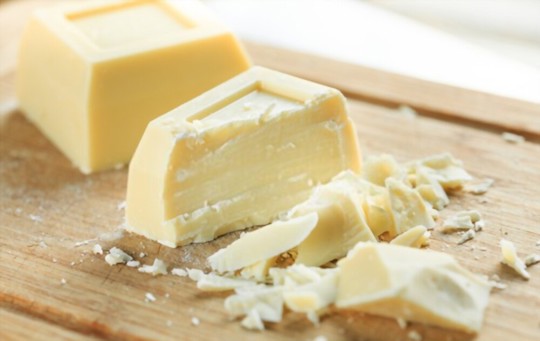
White chocolate is a type of chocolate that doesn't contain any cocoa solids and is instead made with cocoa butter, sugar, milk, and vanilla.
Unlike dark chocolate, white chocolate has a creamy, sweet, and buttery flavor, with a hint of vanilla.
Its texture is also creamier and smoother than dark chocolate because it doesn't contain any solids.
White chocolate is a flexible ingredient that can be used in a variety of recipes, such as cookies, cakes, and frostings.
It also pairs well with fruits, nuts, and other desserts.
However, because it's high in sugar and fat and lacks the health benefits of dark chocolate, it should be enjoyed in moderation.
Pro tip: To improve the flavor of white chocolate, try pairing it with tart fruits like raspberries or citrus.
4 - Semi-Sweet Chocolate
Semi-sweet chocolate, also known as dark chocolate, is made from a mixture of sugar, cocoa butter, and cocoa solids.
Unlike milk chocolate, semi-sweet chocolate has little to no milk solids, giving it a richer, more intense flavor.
The taste of semi-sweet chocolate can vary depending on the percentage of cocoa solids present in the chocolate.
Generally, the higher the percentage of cocoa solids, the more bitter and complex the chocolate tastes.
High-quality semi-sweet chocolate has a smooth, velvety texture and can have notes of fruit, nuts, and spices.
Semi-sweet chocolate is a flexible ingredient used in a variety of desserts, baked goods, and confections.
It pairs well with coffee, red wine, and strong flavors like mint and chili pepper.
Pro tip: To properly store semi-sweet chocolate, keep it in a cool, dry place away from direct heat and sunlight.
Chocolate can absorb strong odors, so it's best to store it in an airtight container.
5 - Bittersweet Chocolate
Bittersweet chocolate is a type of chocolate that typically contains a higher percentage of cocoa solids and less sugar than other types of chocolate.
As the name suggests, bittersweet chocolate has a more bitter taste profile than milk chocolate or semisweet chocolate.
The taste of bittersweet chocolate can vary depending on the percentage of cocoa solids in it.
A higher percentage of cocoa solids results in a more intense and bitter taste.
Some bittersweet chocolate can have a fruity or floral taste profile, while others have a smoky or roasted taste.
Bittersweet chocolate is often used in baking and cooking due to its strong chocolate flavor and lower sugar content.
It can add depth and complexity to desserts and savory dishes.
Pro tip: When selecting bittersweet chocolate for your recipes, choose the percentage of cocoa solids based on your personal preference and desired taste profile for the dish.
Factors that Affect the Taste of Chocolate
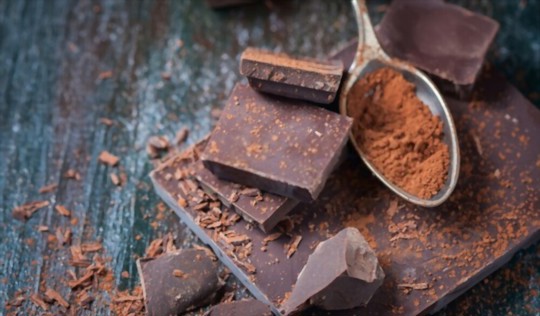
Chocolate is derived from the cacao bean and is a complex food that consists of many different compounds.
Several factors can affect the taste of chocolate, including the origin of the cacao, the fermentation process, roasting, and additional ingredients.
The origin of the cacao determines the flavor of the chocolate.
Cacao from different regions has unique flavors, just like wine or coffee.
The fermentation process affects the flavor by reducing the bitterness and developing fruity, floral, or nutty notes.
Roasting darkens the color of the cacao and adds a smoky, toasted flavor.
Additional ingredients like sugar, milk, fruits, and nuts also impact the taste of the chocolate.
The combination of all these factors creates the unique taste profile of each chocolate variety available in the market.
Culinary Uses of Chocolate
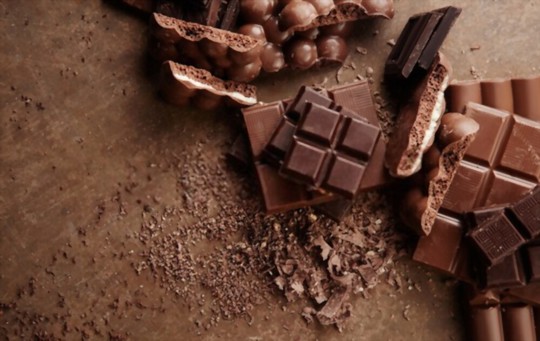
Chocolate is a beloved treat enjoyed by people worldwide in a variety of forms.
It is made from the fermented, roasted, and ground seeds of cacao trees and comes in different flavors and textures.
Chocolate has a diverse range of flavors, depending on its type, ingredients, and processing.
Some describe chocolate as sweet and creamy, while others know it to be rich and bitter, with hints of berries, nuts, or coffee.
Culinary uses of chocolate are numerous, ranging from sweet to savory dishes, pastries, beverages, and desserts.
For example, it is used to make chocolate bars, cakes, cookies, brownies, truffles, mousse, ice cream, hot cocoa, and chocolate-covered fruits and nuts.
Additionally, chocolate can add deep, complex flavors to meat, chili, mole sauce, and other spicy dishes.
Pro tip: Look for high-quality chocolate made from pure cacao butter and avoid brands with additives like hydrogenated oils or artificial flavors.
Where to Buy Chocolate and How to Store Them?
If you're looking to buy chocolate, there are several options available to you.
You can purchase chocolate from specialty chocolate shops, gourmet food stores, or online retailers.
When buying chocolate, consider the chocolate's percentage of cacao, as this will affect the flavor and intensity of the chocolate.
To store chocolate, it's important to keep it in a cool, dry place away from direct sunlight.
Ideally, you should store chocolate between 60-70°F (15-21°C) with a humidity level of less than 50%.
Chocolate should be stored in an airtight container to prevent moisture and odors from affecting the flavor.
Pro tip: If you're unsure of where to buy quality chocolate or want to try a variety of chocolates, consider subscribing to a chocolate of the month club.
Chocolate Taste Notes
It is available in various forms, including dark, milk, and white chocolate, with each having a unique taste, texture, and color.
Chocolate is also known to have several health benefits, including reducing the risk of heart disease, improving cognitive function, and boosting mood.
Whether enjoyed as a decadent treat or a health-boosting snack, chocolate's unique taste, texture, and benefits make it a perennial favorite among people of all ages.
More From EpicureDelight
The Complete Food Flavor Guide - your complete resource for this topic.
Read all flavor guides →The flavor of Chocolate is often described as complex - there's usually a balance of [savory depth/natural sweetness/pleasant bitterness/umami] that makes it versatile in cooking.
Yes - the flavor changes considerably with cooking. Heat mellows sharpness and brings out natural sugars, while raw preparations retain more bite and brightness.
Some varieties do have a lingering aftertaste - often described as [earthy/mineral/slightly bitter]. This typically fades with cooking or when paired with contrasting flavors.
It leans [savory/sweet] in most preparations, though the balance shifts depending on how it's cooked. Roasting pushes it sweeter; raw or lightly seasoned preparations highlight the savory, [earthy/bright/tangy] side.

Carrie is a food writer and editor with more than 15 years of experience. She has worked for some of the biggest names in the food industry, including Bon Appétit, Food & Wine, and Martha Stewart Living.
As the Editor in Chief of EpicureDelight, Carrie oversees all of the content on the site. She also manages the team of contributing writers and editors, who help to create delicious recipes, helpful tips, and informative articles that you’ll find on the site.
A native of the Chicago area, Carrie is passionate about all things food. She loves trying new restaurants and experimenting with new recipes in her kitchen. She’s also a graduate of the Culinary Institute of America, so she knows a thing or two about food!