Are you curious about the mysterious cucamelon?
It looks like a mini watermelon but tastes more like a cucumber - it's no wonder why this funny looking fruit is referred to as a "mouse melon".
From identifying and sourcing these sour fruits, to discussing how to use them in recipes, by the end of our guide you'll have all of your questions answered about the unique cooking experience that is eating cucamelons!
What are Cucamelons?
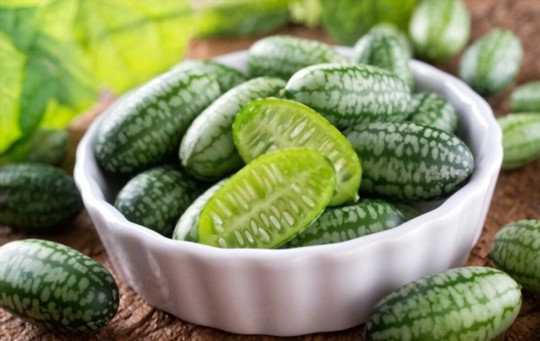
Cucamelons, also known as Mexican sour gherkins, are a type of fruit that are native to Central America.
These tiny fruits are about the size of a grape and look like miniature watermelons with green stripes.
They have become increasingly popular in recent years due to their unique taste and appearance.
- Cucamelons come from the same family as cucumbers and melons.
- They are also known as sanditas or mouse melon in Spanish.
- They are typically grown on a vine and resemble mini watermelons, but their taste is often described as a cross between cucumber and lime.
- Cucamelons have a thin skin that is edible and crunchy, while the interior has small seeds surrounded by juicy flesh.
If you've never heard of cucamelons before,
These adorable fruits have gained popularity in recent years thanks to their unique appearance and flavor.
They're similar to other types of produce you may have tried, but with their own twist.
So what makes cucamelons so special? Well, for starters, they're incredibly cute.
Their small size and distinctive stripes make them a fun addition to any dish or snack.
But more importantly, they pack a big punch when it comes to flavor.
Many people describe their taste as refreshing and tangy, with hints of cucumber and lime.
If you're curious about trying cucamelons for yourself, there are plenty of ways to do so.
You can find them at specialty grocery stores or order them online.
Some people enjoy eating them on their own as a quick snack, while others use them to add interest to salads or cocktails.
However you choose to enjoy them, cucamelons are definitely worth exploring if you're looking for something new and exciting in the world of produce.
What Do Cucamelons Taste Like?
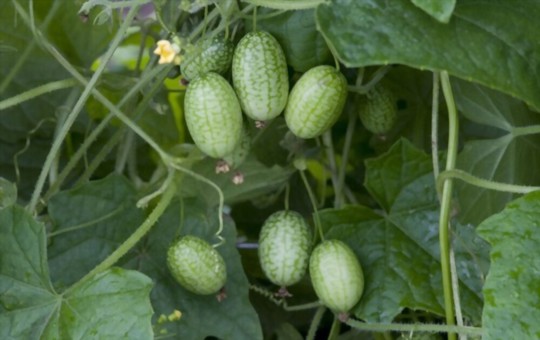
Cucamelons, also known as Mexican Sour Gherkins or Mouse Melons, have a unique taste that is often compared to a cross between cucumber and lime.
The flavor is tangy and sour with a hint of sweetness, making them perfect for snacking or adding to salads and sauces.
When you bite into a cucamelon, the first thing you will notice is its texture.
It has a thin, waxy skin that gives way to a juicy interior.
The seeds are soft and small enough that they do not detract from the overall eating experience.
As you chew, the tanginess of the cucamelon becomes more prominent.
It has a sharp acidity that quickly fades into a subtle sweetness reminiscent of honeydew melon.
This balance between sour and sweet makes it an excellent addition to fresh fruit platters or used as a garnish for cocktails.
If you enjoy sour foods like pickles or citrus fruits, then chances are you will love cucamelons.
Their unique flavor sets them apart from other common garden vegetables and provides an exciting new taste sensation to try.
Factors that Affect the Taste of Cucamelons
There are several factors that can affect their flavor.
Here are some things to consider:
- Ripeness: Just like with any fruit or vegetable, cucamelons taste different at varying levels of ripeness. Generally, they will be sweeter and more flavorful when fully ripe.
- Growing conditions: The environment in which cucamelons are grown can also impact their taste. Factors like soil type, temperature, and sunlight can all affect the flavor of the fruit.
- Preparation method: Finally, how you prepare your cucamelons can also impact their taste. Roasting or grilling them will bring out different flavors than eating them raw or pickled.
Considering these factors and experimenting with different preparation methods may help you find your preferred way to enjoy cucamelons.
Culinary Uses of Cucamelons
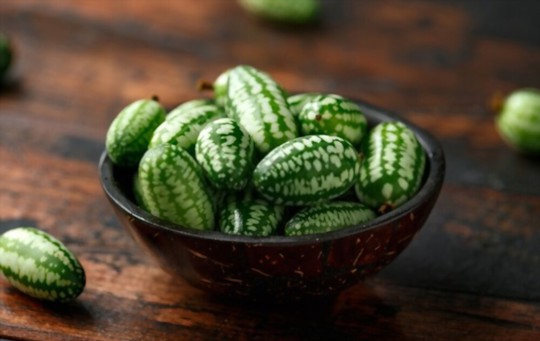
Cucamelons are small, cucumber-like fruits with a tangy, citrusy flavor.
They are great for snacking but can also be used in various culinary applications.
Here are six culinary uses for cucamelons:
- Add them to salads for a refreshing crunch.
- Pickle them to create a unique and flavorful condiment.
- Use them as a substitute for cherry tomatoes in recipes, such as skewers or bruschetta.
- Create salsa or guacamole by dicing cucamelons and mixing with other ingredients.
- Amp up your cocktails by using cucamelon slices as garnish or muddling them into the drink itself.
- Bake cucamelons in the oven with olive oil and seasonings for a tasty snack or side dish.
Aside from these suggestions, there are many other ways to incorporate cucamelons into your cooking.
The fruit's crisp texture and bright flavor make it a flexible ingredient.
When considering how to use cucamelons in your meal preparation, be sure to experiment and have fun.
Cucamelons can improve any dish with their zesty taste and unique appearance.
And if you find that you simply cannot get enough of this pleasant fruit, consider growing them yourself.
Cucamelon plants are relatively easy to care for and make an excellent addition to any garden or patio.
How to Select and Store Cucamelons?
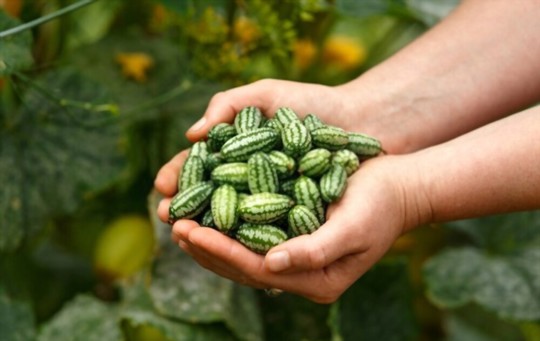
To select and store cucamelons, start by looking for firm and blemish-free fruits.
Such fruits indicate that they are fresh and of good quality.
Avoid any cucamelons with cracks or soft spots on their skin as they may be damaged.
After selecting your cucamelons, store them in the refrigerator to prolong their shelf life.
Cucamelons can stay fresh for up to 2 weeks if kept at a temperature between 45-50°F (7-10°C).
Keep them in a perforated plastic bag or a container with a lid to prevent moisture buildup.
If you have harvested your cucamelons from your garden, wash them thoroughly before storing.
Remove any debris or dirt from the fruit's surface before storing.
This will prevent bacteria growth and maintain the fruit's freshness.
Remember to only pick the fruits when they are ripe and ready to eat.
Ripe cucamelons turn yellowish-brown in color, indicating that they are fully matured and taste better than unripe ones.
By following these steps, you can easily select and store your cucamelons while making sure their freshness and flavor remain intact.
Unique Taste of Cucamelons
If you haven't tried cucamelons yet, now's the time to give them a shot.
These adorable little fruits pack a powerhouse of flavor, while also offering many health benefits.
In this section, we'll summarize what we covered
Cucamelons are small fruits that resemble tiny watermelons, but with a tangy and citrusy taste.
They're low in calories and high in nutrients such as vitamin C, potassium, and antioxidants.
You can eat cucamelons on their own as a snack or use them as a unique addition to salads, salsa, and cocktails.
More From EpicureDelight
The Complete Food Flavor Guide - your complete resource for this topic.
Read all flavor guides →What Do Cucamelons has a flavor that surprises many first-time tasters. It lands somewhere between [familiar comparisons], with a texture that plays a big role in the overall eating experience.
For some people, yes. The flavor is distinctive and can take a few tries to fully appreciate, especially if you're new to it. Starting with milder preparations often helps.
Texture plays a huge role in the eating experience. A [tender/crisp/creamy] texture reinforces the flavor perception - chewy textures can make flavors seem more intense, while tender preparations feel more subtle.
Most people try it for the first time in a [dish/preparation], where it's supported by familiar flavors. This is also the most forgiving way to experience it before enjoying it on its own.

Carrie is a food writer and editor with more than 15 years of experience. She has worked for some of the biggest names in the food industry, including Bon Appétit, Food & Wine, and Martha Stewart Living.
As the Editor in Chief of EpicureDelight, Carrie oversees all of the content on the site. She also manages the team of contributing writers and editors, who help to create delicious recipes, helpful tips, and informative articles that you’ll find on the site.
A native of the Chicago area, Carrie is passionate about all things food. She loves trying new restaurants and experimenting with new recipes in her kitchen. She’s also a graduate of the Culinary Institute of America, so she knows a thing or two about food!