Have you ever been curious about what sesame seeds taste like?
Or maybe you've noticed them in a dish but weren't sure how they could be used to enhance its flavor? If so, this guide is definitely for you!
In it, we'll take an in-depth look at the world of sesame seeds: what they taste like, how to use them in different types of dishes, and some tips and tricks to get the most out of their flavor.
With all that said, if your appetite has been piqued by the possibilities offered by these tiny crunchy wonders-or even if you're just slightly intrigued-strap yourselves in for a tasty ride through one seriously flexible ingredient.
What are Sesame Seeds?

Sesame seeds are tiny seeds that come from the sesame plant, scientifically known as Sesamum indicum.
These seeds have a nutty and mild taste and are commonly used in cooking for their flavour and texture.
They grow in pods and can be consumed whole, toasted or ground.
To understand better what sesame seeds are, consider these four points:
- Sesame seeds are widely cultivated and used across the globe but mainly grown in Asia.
- The seeds come in several colours such as white, black, brown or yellow.
- Sesame oil is extracted from sesame seeds and has a unique flavour profile with an ability to enhance any dish it's added too.
- These tiny seeds are packed with essential minerals like copper, calcium, magnesium which make them nutritious.
Now let's focus on "What are Sesame Seeds?" These little gems pack a wallop of nutrients such as Vitamins B6 & E, zinc, protein & fibre.
They have been cultivated for over 5000 years worldwide due to their rich history, culinary versatility dating back to ancient cultures who crushed the herbs into medical remedies for common ailments.
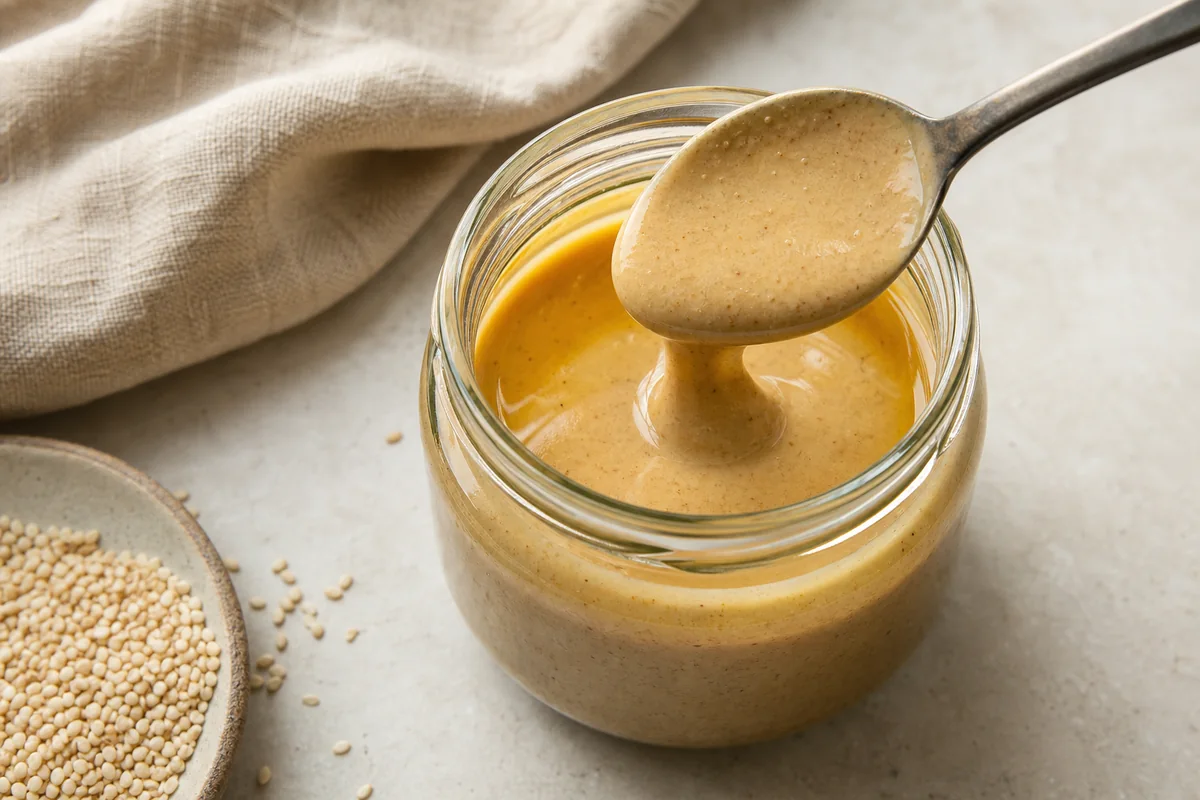
If you've ever tasted Tahini (made from sesame seed paste) used in Middle Eastern dips like hummus or baba ganoush than you know exactly how healthy they can be for your diet while adding tasty sauces to your meals.
What Do Sesame Seeds Taste Like?

Sesame seeds have a unique taste that cannot be compared to any other seed.
The first thing you notice when you taste sesame seeds is the nutty flavor.
It is a distinctive flavor that sets sesame seeds apart from other seeds.
If you look closely, sesame seeds are made up of two layers - an outer layer and an inner layer.
The outer layer is the hull, which is removed when processed into products such as tahini or sesame oil.
Slightly roasted sesame seeds bring out their full flavor and aroma, making them perfect for various dishes.
Sesame seeds also have a subtle sweetness that gives them an almost caramel-like flavor.
Moreover, they also carry a hint of bitterness which balances the overall taste.
These flavors are more pronounced in toasted sesame seeds than in raw ones.
In addition to their unique flavors, Sesame seeds have a crispy texture when roasted and can add a crunchy dimension to food preparation.
They can be eaten as it is or incorporated into salads, baked goods, cereals, smoothies among others.
The Different Tastes of Sesame Seeds
Sesame seeds are a popular ingredient in many cuisines around the world and come in different varieties with varying taste profiles.
As you can see from the table above, raw sesame seeds have a nutty flavor which makes them great for adding crunch to dishes or using as a topping.
However, if you toast them, they take on a richer, smoky flavor that works well in sauces and marinades.
On the other hand, black sesame seeds have an earthy and nutty flavor that is perfect for dishes like sushi or as a finishing touch to salads.
When incorporating sesame seeds into your cooking, it's important to consider which type of seed will work best with the dish you're making.
Whether you want to add crunch or depth of flavor, there is always a variety of sesame seed that can achieve your desired outcome.
1 - Raw Sesame Seeds
Raw sesame seeds are the unprocessed seeds of the sesame plant, without any added flavors or additives.
These tiny beige-colored seeds are a common ingredient in various cuisines and are known for their nutty flavor and crunchy texture.
In this section, we will discuss raw sesame seeds.
- Raw sesame seeds have a mild flavor that is nutty and slightly sweet.
- Their texture is crunchy with a small amount of chewiness.
- These seeds are used as a garnish on many dishes or added to smoothies for nutritional benefits.
- They are commonly used as a base for making tahini paste, which is used in hummus and other dips.
- The high oil content in raw sesame seeds makes them prone to spoilage; hence they must be stored properly in an airtight container in a cool, dry place.
- Raw sesame seeds are loaded with nutrients like protein, fiber, healthy fats, vitamins, and minerals making them an excellent addition to your diet plan.
When incorporating sesame seeds into your cooking or eating them raw, it is essential to note that their flavor can vary based on how fresh they are.
Sesame seeds become rancid quickly due to their high level of healthy oils; therefore, it's always recommended to buy from reputable brands and places.
In summary, raw sesame seeds have undamaged embryonic roots and offer a mild nutty flavor.
With numerous health benefits such as being rich in vitamins and minerals while also containing fiber and protein.
It has been researched that these benefits increase greatly when eaten with other foods.
2 - Toasted Sesame Seeds
Toasted Sesame Seeds are simply raw sesame seeds that have been toasted in a pan or oven until they are golden brown in color.
This process brings out the flavor of the sesame seeds and adds a nutty aroma to them.
Here are four points about Toasted Sesame Seeds:
- Toasting gives sesame seeds an even stronger aroma than raw sesame seeds.
- They become crunchier and tastier after being toasted.
- Toasting doesn't affect nutritional value - they will still contain healthy vitamins and minerals.
- The taste is described as nutty, earthy, and slightly bitter.
If you're looking to add some extra depth of flavor to your dishes, Toasted Sesame Seeds can provide just that.
They can be sprinkled on top of salads, mixed into sauces or dressings, used as a topping for sushi rolls, or even added to baked goods.
They are a good addition to any dish that needs a little extra crunch or flavor.
They also provide a variety of health benefits due to their high levels of vitamin E, calcium, iron, and magnesium.
3 - Black Sesame Seeds

Black sesame seeds are a lesser-known variety of sesame seeds.
These small, teardrop-shaped seeds are similar in appearance to regular sesame seeds but are black instead of tan or white.
Unlike white sesame seeds, black sesame seeds have not had their hulls removed.
Black sesame seeds have a unique taste that is slightly earthy and nutty, with a hint of sweetness.
The flavor is more intense than regular sesame seeds and can add depth and complexity to dishes that call for sesame seeds.
In addition to their unique taste, black sesame seeds also boast a variety of health benefits.
They are rich in antioxidants, vitamins, and minerals such as calcium and iron.
When using black sesame seeds in cooking, it is best to toast them first to bring out their full flavor.
They can be used in both sweet and savory dishes, from stir-fries to baked goods.
4 - Hulled Sesame Seeds
Hulled sesame seeds are the seeds of the sesame plant that have had their outer layer, or hull, removed.
These seeds are also known as white sesame seeds as they have a pale color due to the removal of the outer layer.
Hulled sesame seeds can be used in a variety of culinary dishes and are popular in both sweet and savory recipes.
Hull removal is often done using automated machines that are specifically designed for this purpose.
The removal of the hull results in a seed that has a milder flavor compared to unhulled sesame seeds but retains the nutritional benefits like healthy fats, fiber, protein, and antioxidants.
Hulled sesame seeds have a light, delicate taste with a slightly sweet and nutty flavor.
They do not have any bitterness or pungency that may come from unhulled sesame seeds.
Their texture is also softer compared to unhulled sesame seeds which gives them an enjoyable mouthfeel when consumed.
These versatile little seeds can be used in a variety of culinary dishes like bread, cakes, cookies, soups, hummus, spreads and sauces etc.
Adding nutritionally sound options to your diet.
Culinary Uses of Sesame Seeds

Sesame seeds are versatile and can be used in various cuisines around the world.
They have a nutty and mildly sweet flavor, making them an excellent addition to both savory and sweets dishes.
Here are some of the most common culinary uses of sesame seeds that you might want to explore.
- In Asia, sesame seeds are often roasted and ground into a paste known as tahini. Besides being a vital ingredient in hummus, tahini is also used as a condiment for meat dishes, salad dressing, and bread spread. In Japan, sesame seeds are sprinkled on top of sushi rolls for added crunch and aroma.
- In Middle Eastern cuisine, sesame seeds are a important spice used in chicken shawarma or kebabs. The nuttiness of sesame seeds pairs well with grilled meats, especially when coated with a mixture of spices such as sumac or za'atar.
- Sesame seeds also find their way into baked goods like bread, cakes, cookies, and crackers all over the world. You can sprinkle them on top of your favorite pastry before baking or mix them into the dough for added texture.
- Besides their culinary use in dishes, sesame oil derived from toasted sesame seeds is widely used to infuse salads and stir-fries with its unique nutty aroma.
Where to Buy Sesame Seeds and How to Store Them?

To answer the question of where to buy sesame seeds and how to store them, there are a few key points to consider.
- Look for sesame seeds in your local grocery store or health food store. They may be sold in the spice aisle, baking aisle, or bulk section.
- You can also find sesame seeds online, through retailers such as Amazon or specialty spice companies.
- When purchasing sesame seeds, be sure to check the expiration date and ensure that the packaging is sealed properly.
- To store sesame seeds at home, it's best to keep them in an airtight container in a cool, dry place. This will help prevent spoilage and maintain their freshness.
- If possible, consider purchasing whole sesame seeds instead of pre-ground. This will allow you to grind them fresh as needed and preserve their flavor for longer periods of time.
It's important to be mindful of freshness and quality.
By choosing reputable retailers and keeping your seeds stored correctly, you can enjoy their delicious flavor and nutritional benefits for months on end.
Distinct Taste of Sesame Seeds
Sesame seeds are a highly flexible ingredient and can be used in many dishes.
They have a distinct nutty and slightly sweet flavor that improves any recipe.
If you're looking for a place to buy sesame seeds, they can often be found in the spice aisle of your local grocery store or specialty food store.
Online retailers also offer a wide range of options.
Sesame seeds are not only delicious but also packed with nutrients such as protein, fiber, healthy fats, vitamins, and minerals.
Adding them to your diet can provide numerous health benefits like improved heart health, digestion, bone health, and blood sugar control.
More From EpicureDelight
The Complete Food Flavor Guide - your complete resource for this topic.
Read all flavor guides →The flavor of What Do Sesame Seeds is often described as complex - there's usually a balance of [savory depth/natural sweetness/pleasant bitterness/umami] that makes it versatile in cooking.
Yes - the flavor changes considerably with cooking. Heat mellows sharpness and brings out natural sugars, while raw preparations retain more bite and brightness.
Some varieties do have a lingering aftertaste - often described as [earthy/mineral/slightly bitter]. This typically fades with cooking or when paired with contrasting flavors.
It leans [savory/sweet] in most preparations, though the balance shifts depending on how it's cooked. Roasting pushes it sweeter; raw or lightly seasoned preparations highlight the savory, [earthy/bright/tangy] side.

Carrie is a food writer and editor with more than 15 years of experience. She has worked for some of the biggest names in the food industry, including Bon Appétit, Food & Wine, and Martha Stewart Living.
As the Editor in Chief of EpicureDelight, Carrie oversees all of the content on the site. She also manages the team of contributing writers and editors, who help to create delicious recipes, helpful tips, and informative articles that you’ll find on the site.
A native of the Chicago area, Carrie is passionate about all things food. She loves trying new restaurants and experimenting with new recipes in her kitchen. She’s also a graduate of the Culinary Institute of America, so she knows a thing or two about food!