You're not alone.
Often regarded as a mysterious ingredient in many Asian dishes, this crunchy vegetable has been the topic of curiosity for foodies worldwide.
But with its unique look and appealing crunch factor come many questions, from curious eaters to experienced chefs alike - what do water chestnuts taste like?
This guide will answer all your burning questions about the flavor of water chestnuts, their culinary uses around the world, nutrition information, tips for preparation and more!
What are Water Chestnuts?

Water chestnuts are a type of edible corm and an aquatic vegetable that is widely used in Asian cuisine.
These small, circular, and crunchy vegetables grow underwater in marshes, ponds, and shallow lakes.
Although they are called "chestnuts," they are not related to the nut family at all.
To be more specific about What are Water Chestnuts? They belong to the genus Eleocharis dulcis and have several different names depending on where they come from, such as singhara or pani-phal in South Asia.
Because water chestnuts grow underwater, they are usually harvested by hand when the water level is low enough for access.
Water chestnuts have a bulb-like shape with papery brown skin on the outside and white flesh on the inside with a crisp texture like that of an apple.
The flavor of water chestnuts is mildly sweet and nutty.
While they can be consumed raw, most of the time, water chestnuts are boiled or stir-fried before being added to dishes like soups, stir-fries, salads, or served as a side dish.
Compared to other root vegetables like potatoes or yams, water chestnuts have more crunchiness texture rather than starchy consistency.
However, it does not taste exactly like any other root vegetable.
What Do Water Chestnuts Taste Like?
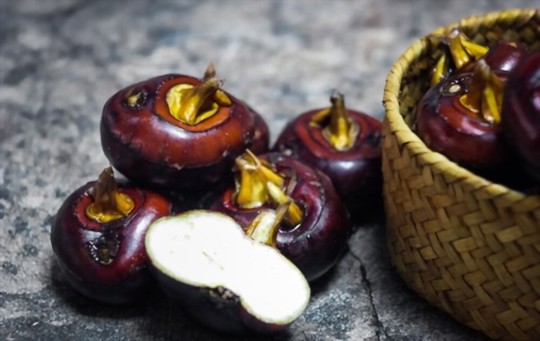
Water chestnuts are often used in Chinese and Southeast Asian cuisines, providing a unique texture and taste to various dishes.
So what do water chestnuts actually taste like?
Water chestnuts have a mild, slightly sweet flavor with a crispy texture that's similar to jicama or crisp apples.
They're not overly flavorful on their own, which makes them great for absorbing the flavors of other ingredients in a dish.
This is why they're commonly used as an ingredient rather than as a standalone snack.
When eaten raw, water chestnuts offer a refreshing crunch that pairs well with salads or sandwiches.
When cooked, they become tender but still retain their crispness, making them an ideal addition to stir-fries or tempura dishes.
One unique characteristic of water chestnuts is that they can be eaten both raw and cooked, which allows for versatility in their use in different types of cuisine.
The versatility of their taste also makes them suitable for both sweet and savory dishes.
Overall, the taste of water chestnuts is light and refreshing with a crunchy texture that can add depth and interest to many different types of recipes.
Cooking and Using Water Chestnuts
Cooking and using water chestnuts is relatively easy and versatile as they are commonly used in Asian cuisine.
One popular way to use them is in stir-fries, where they add a satisfying crunch to the dish.
They can also be sliced thinly and added raw to salads for an interesting texture.
Additionally, water chestnuts can be boiled or steamed until tender and then mashed into a paste for use in desserts.
Another way to use water chestnuts is by making chips out of them.
Thinly slice them using a mandoline or sharp knife, toss them with olive oil and seasoning, then bake at 350°F until crispy.
These chips make a great snack or addition to any appetizer platter.
Water chestnuts can also be pickled by boiling them in a mixture of vinegar, sugar, salt, and water.
Once pickled, they can be stored in the refrigerator for several weeks and used as a topping on sandwiches or burgers.
Canned water chestnuts have a softer texture compared to fresh ones but still retain their signature crunchy freshness.
You can choose between whole water chestnuts or sliced depending on your needs.
Nutritional Value of Water Chestnuts

Water Chestnuts are a great source of nutrition.
They are rich in vitamins, minerals and fiber, making them a healthy addition to any diet.
- Water Chestnuts are low in calories.
- They contain high levels of potassium which is essential for maintaining a healthy blood pressure.
- Water Chestnuts contain high amounts of vitamin B6 and copper, which play an important role in energy metabolism and red blood cell production.
- These aquatic vegetables also contain antioxidants such as catechins that protect the body against damage from free radicals.
- Lastly, they are a good source of dietary fiber which can aid digestion and weight management.
If you want to maintain or improve your health, it is important to include Water Chestnuts in your diet.
They are not only delicious but also offer numerous health benefits.
Eating Water Chestnuts regularly can boost your immune system, regulate your digestion and keep your heart healthy.
They are also known to improve brain function and enhance memory retention.
Therefore, if you want to add more nutrients to your diet or just looking for something tasty yet nutritious, add some Water Chestnuts to your plate.
Where to Buy and Store Water Chestnuts?
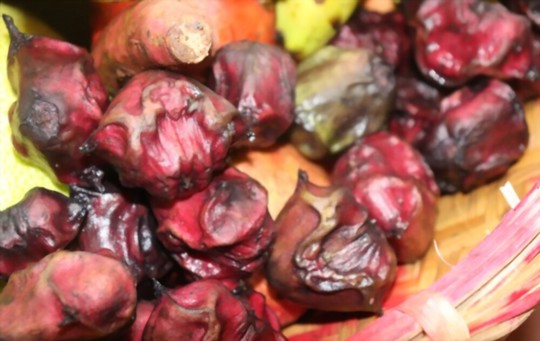
They can be found at most grocery stores and Asian markets.
They are typically sold canned or fresh.
Canned water chestnuts may contain added preservatives or sugar, so it is recommended to read the labels when purchasing them.
If you are lucky enough to find fresh water chestnuts, make sure they are firm and free of any blemishes or mold.
To store them, simply place them in a plastic bag and refrigerate for up to two weeks.
Canned ones are more convenient as they are already peeled and sliced.
Fresh ones require peeling and slicing before use.
When using canned water chestnuts, make sure to rinse them thoroughly with cold water before adding them to your recipe.
Overall, water chestnuts are a versatile and delicious ingredient that can be used in various dishes ranging from stir-fries to salads.
Just like any other food item, it's important to know where to buy and how to store them properly To get the most out of their flavor and nutritional benefits.
Water Chestnuts Taste Breakdown
With their subtle taste and superior crunchiness, they will improve your meals while providing you with essential nutrients like fiber, potassium and vitamin B6.
So go ahead and try out this exotic ingredient today.
More From EpicureDelight
The Complete Food Flavor Guide - your complete resource for this topic.
Read all flavor guides →What Do Water Chestnuts has a distinctive flavor that's worth exploring - it is usually [rich/delicate/bold/earthy/bright] with notes that vary depending on how it's prepared. Fresh and cooked versions often taste quite different.
What Do Water Chestnuts pairs well with bold seasonings that complement rather than compete with its natural flavor - garlic, citrus, and fresh herbs are common companions. In savory dishes, a touch of acid balances its richness.
It depends on the type - some are best enjoyed fresh where the flavor is brightest, while others develop better depth after roasting, marinating, or slow cooking.
Often, yes - the aroma can be more intense than the taste suggests. The smell mellows considerably with cooking, and many people find it more appealing on the palate than they expected from the scent.

Carrie is a food writer and editor with more than 15 years of experience. She has worked for some of the biggest names in the food industry, including Bon Appétit, Food & Wine, and Martha Stewart Living.
As the Editor in Chief of EpicureDelight, Carrie oversees all of the content on the site. She also manages the team of contributing writers and editors, who help to create delicious recipes, helpful tips, and informative articles that you’ll find on the site.
A native of the Chicago area, Carrie is passionate about all things food. She loves trying new restaurants and experimenting with new recipes in her kitchen. She’s also a graduate of the Culinary Institute of America, so she knows a thing or two about food!