
Apple butter is one of those pantry staples that quietly does a lot of heavy lifting.
It adds concentrated fruit sweetness, warm spice, and thick moisture to baked goods, and knowing what apple butter tastes like makes it much easier to choose the right stand-in when you run out.
The key is matching two things at once: thickness and sweetness level. A runny substitute will thin your batter; a sweeter one will throw off your sugar balance.
Get both right and most recipes won't notice the difference.
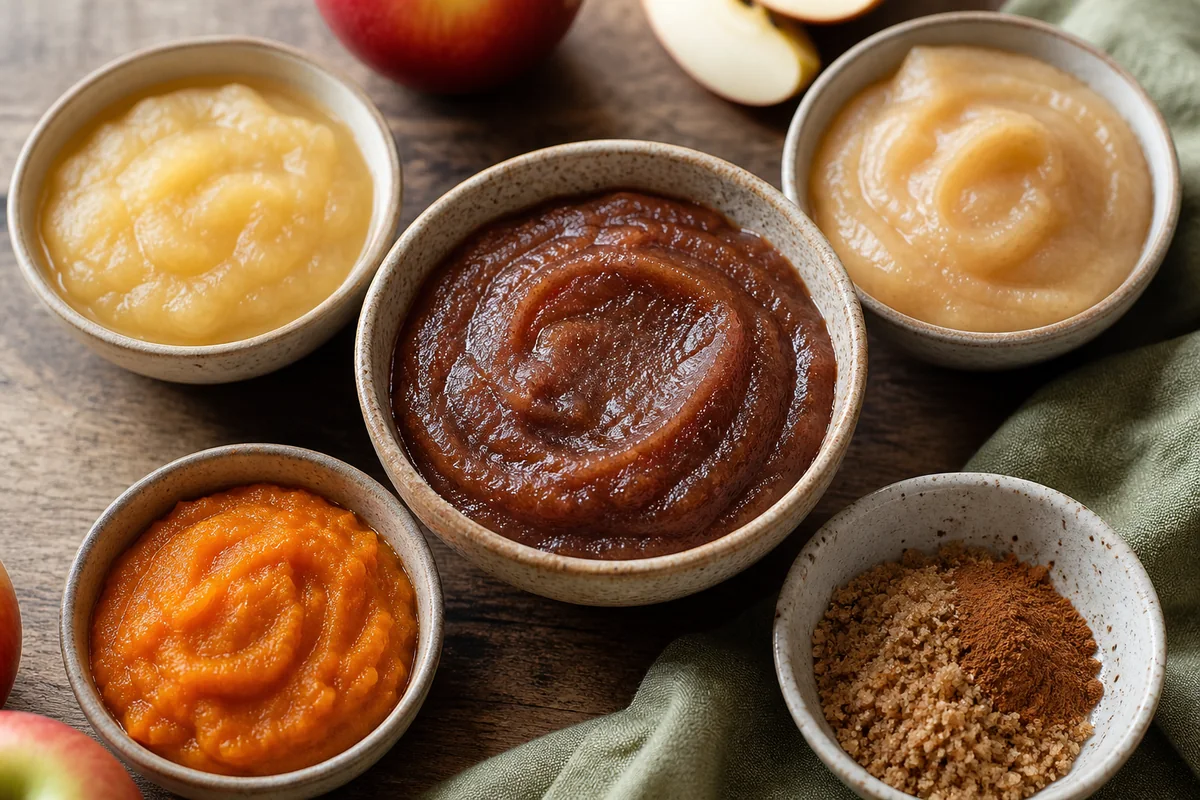
Apple butter is a thick, spiced fruit purée that adds moisture and sweetness to baked goods. The best substitutes match its consistency first, flavor second. Use thick applesauce or pumpkin purée at 1:1; use jam-based options at ¾:1 and thin slightly before mixing.
5 Apple Butter Substitutes Ranked by Flavor and Texture
Before you pick, it helps to know what each substitute does well and where it falls short. The table below gives you a fast comparison across all five options.
| # | Substitute | Best For | Ratio | Key Note |
|---|---|---|---|---|
| 1 | Thick Strained Applesauce | Both | 1:1 | Strain if runny first |
| 2 | Pumpkin Purée | Baking | 1:1 | Add cinnamon and ginger |
| 3 | Caramelized Apple Purée | Both | 1:1 | Blend smooth for baking |
| 4 | Pear Purée | Baking | 1:1 | Add apple pie spice |
| 5 | Apricot Jam | Spreading | ¾:1 | Thin with water, cut sugar |
1. Thick Strained Applesauce
Strained unsweetened applesauce is the closest substitute you'll find without cooking anything. It has the same fruit base as apple butter, just without the spice reduction-so the flavor is lighter, but the structure behaves almost identically in cake and muffin batters.
The one step you shouldn't skip: strain it first if it's at all watery. Spoon it into a fine-mesh strainer for 10 minutes over a bowl.
That extra liquid is what separates a moist crumb from a collapsed one. If you're working with recipes that already include cinnamon or nutmeg, you won't even miss the spiced depth.
For more ideas on flavor-forward spice swaps, check the best apple pie spice alternatives when you want to punch up the warmth yourself.
- Ratio: Use 1:1 in all baking recipes
- Thickness fix: Strain through cheesecloth or a fine sieve for 10 minutes if watery
- Spice it up: Add ½ teaspoon cinnamon and a pinch of allspice per ½ cup to mimic the original depth
- Sugar check: Unsweetened applesauce is lower in sugar than apple butter-taste your batter and add 1 teaspoon brown sugar if needed
Skip if: your applesauce is sweetened or still watery after straining-both will push the recipe off balance.
2. Pumpkin Purée
Plain canned pumpkin purée is thicker than applesauce and brings a warm, earthy sweetness that works surprisingly well in spiced muffins, quick breads, and cookies. It won't taste like apples, but in a recipe with cinnamon, cloves, or ginger already in the mix, most people won't notice.
One important distinction: plain purée and canned pie filling are not the same thing. Pie filling is pre-sweetened and heavily spiced.
Use it as-is and you'll likely over-sweeten your batter before you even add sugar. Plain pumpkin works because it lets you control the spice and sweetness from scratch.
If you're building up a spiced bake, pair it with savory warm-spice blends to get closer to apple butter's character.
- Ratio: 1:1 in cakes, muffins, and quick breads
- Spice add-in: Stir in ½ teaspoon cinnamon plus ¼ teaspoon ginger per ¼ cup purée
- Moisture check: Pumpkin purée can be slightly denser-add 1 tablespoon milk if batter feels stiff
- Sweetness: Plain purée is unsweetened; taste and adjust with 1-2 teaspoon maple syrup if needed
Skip if: you need the recipe to taste apple-forward-pumpkin reads as fall-spiced, not apple-cinnamon.
3. Caramelized Apple Purée
This is the closest you'll get to the real thing. Slow-cooking apples in a dry pan until they brown and soften concentrates their natural sugar and builds the same jammy depth that makes apple butter so good in baked goods.
Blend until completely smooth and it behaves nearly identically in batters. For inspiration on how apples change flavor when reduced, the same principle applies to other apple butter flavor comparisons.
Plain Blended Apple
Works for: quick no-cook prep, mild fruit flavor
Skip if: you need deep caramel notes or rich color
Caramelized Apple Purée
Works for: direct apple butter replacement with color and depth
Skip if: you can't spare 25-30 minutes of simmering time
- Ratio: 1:1 in any recipe calling for apple butter
- Cook time: Simmer sliced apples 20-30 minutes over low heat until golden and jammy
- Blending: Blend until silky smooth; lumps can create uneven pockets in muffin crumb
- Thickness: If it looks loose, simmer an extra 5 minutes to reduce before blending
Skip if: you're short on time-this substitute only works when properly reduced.
4. Pear Purée
Pear purée is milder and sweeter than apple, but it shares the same soft, thick fruit texture that apple butter brings to baked goods. It works well in oatmeal bars, muffin batters, and quick breads where the fruit flavor is background rather than front-and-center.
For the spice gap, reach for cinnamon and apple pie spice-they push the flavor close enough that most tasters won't question it.
You can use canned pears blended smooth or fresh ones simmered briefly and strained. Either way, make sure the result is thick.
If you're wondering whether pear pairs well with other spice substitutes, the best apple pie spice alternatives apply equally here.
- Ratio: 1:1 in cakes, muffins, and cookies
- Spice boost: Add ½ teaspoon cinnamon plus ¼ teaspoon apple pie spice per ½ cup purée
- Sweetness: Pears are naturally sweeter-reduce added sugar by 1 tablespoon per ½ cup used
- Texture: Strain canned pear liquid fully before blending to avoid thin batter
Skip if: you need a strong apple-cinnamon taste-pear is pleasant but noticeably softer in flavor.
5. Apricot Jam
Apricot jam works as an emergency swap when you need that sticky, fruit-forward sweetness in a spread or glaze. Its apricot jam flavor is tangy-sweet and closer to apple butter than most jams in the pantry, but it is significantly sweeter and thinner straight from the jar.
Apricot Jam (straight)
Works for: glaze, toast spread, filling applications
Skip if: baking directly-too sweet and gummy without thinning
Apricot Jam (thinned ¾:1)
Works for: muffins, quick breads, oatmeal cookies with reduced sugar
Skip if: your jam has chunky skins-they create uneven texture in batters
- Ratio: Start at ¾:1-use 3 tablespoon jam per every 4 tablespoon apple butter called for
- Thinning: Stir in 1-2 teaspoon water to loosen before mixing; it should spread, not pour
- Sugar cut: Reduce the recipe's added sugar by 1-2 tablespoon per ½ cup jam used
- Browning watch: Jam's sugar browns faster-check baked goods 3-5 minutes early
Skip if: your jam is very chunky or seedy-smooth jam only for even batters.
Making Apple Butter Substitutes Work Every Time
The decision comes down to three things: how thick your substitute is, how sweet it runs, and how close the flavor needs to be. Fruit purées (applesauce, pear, pumpkin) work at 1:1 and mostly need a spice adjustment.
Jam-based swaps need a ratio reduction and a sugar cut. When you're unsure, lean toward the purée side of the list-they're more forgiving.
If you're experimenting with fig jam as an option, check what the best fig jam alternatives are to understand where it sits in the sweetness spectrum before you commit.
- Check thickness first: If your substitute pours easily, reduce it in a small saucepan for 2-5 minutes before adding it to batter-liquid substitutes will thin your bake unpredictably.
- Adjust sugar when using jam: Start at ¾:1 and cut the recipe's added sugar by 1-2 tablespoon per ½ cup to avoid gummy, over-sweet results.
- Close the spice gap: Add ½ teaspoon cinnamon (and optionally ¼ teaspoon allspice or nutmeg) to any substitute that lacks the warm-spiced notes apple butter naturally brings.
Frequently Asked Questions
Yes, use unsweetened applesauce at a 1:1 ratio. Strain it first if watery, and add ½ teaspoon cinnamon per ½ cup to compensate for apple butter's spiced depth.
Start at ¾:1-3 tablespoon jam for every 4 tablespoon apple butter. Thin with 1-2 teaspoon water and reduce added sugar by 1-2 tablespoon to avoid over-sweetening.
Simmer the substitute in a small saucepan over medium-low heat for 2-5 minutes, stirring often, until it holds its shape on a spoon before using.
Caramelized apple purée is the closest in both flavor and color. Thick strained applesauce is the easiest no-cook option that comes in second.
Yes. Cut added sugar by 1-2 tablespoon per ½ cup of any jam or sweetened purée to keep the final bake from turning gummy or overly sweet.
5 Best Apple Butter Substitutes for Better Results
Ingredients
Equipment
Method
- Identify the job apple butter is doing in your recipe (sweetness, fruit flavor, moisture, or filling).
- Start with the closest match ratio from the list (use 1:1 when you need similar fruit moisture; use ¾:1 when the substitute is sweeter).
- If your substitute is thinner than apple butter, strain or reduce it for 2-5 minutes in a small pot to thicken before mixing.
- If your substitute is sweeter (jam/purée), reduce added sugar by 1-2 tablespoons per ½ cup substitute.
- Bake as directed, then check doneness 3-5 minutes earlier if you thinned a jam-based substitute or expect faster browning.
Notes
- When substituting in baking, prioritize thickness first-apple butter is both fruit-flavored and spoon-coating thick.
- Jam-based options can brown faster; keep an eye on color near the end of baking time.
Tried this recipe?
Let us know how it was!
Carrie is a food writer and editor with more than 15 years of experience. She has worked for some of the biggest names in the food industry, including Bon Appétit, Food & Wine, and Martha Stewart Living.
As the Editor in Chief of EpicureDelight, Carrie oversees all of the content on the site. She also manages the team of contributing writers and editors, who help to create delicious recipes, helpful tips, and informative articles that you’ll find on the site.
A native of the Chicago area, Carrie is passionate about all things food. She loves trying new restaurants and experimenting with new recipes in her kitchen. She’s also a graduate of the Culinary Institute of America, so she knows a thing or two about food!



