
Beets do three jobs at once: they color a dish pink or purple, they add earthy sweetness, and they carry moisture into batter or sauce. The right beet substitute depends on which of those jobs matters most to your recipe.
For quick color, beetroot powder is usually the most direct swap. For earthy sweetness in baking, roasted sweet potato is closer to beet's actual behavior in batter.
For savory depth and a dark hue, pomegranate molasses or cooked red cabbage can step in.
Choose your beet substitute by role: beetroot powder for concentrated color, roasted sweet potato for earthy-sweet moisture in baking, pomegranate molasses for tangy dark depth in sauces, carrot puree for mild sweetness, and red cabbage for purple color with acidity.
Best Beet Substitutes at a Glance
Choose based on what you need beet to do. If your recipe leans on texture and moisture, prioritize a puree.
If you're mainly after color or earthy depth, powder and molasses are faster. For more on adjusting acid when swapping lemon-based components, see our guide on swapping lemon juice.
| # | Substitute | Best For | Ratio | Key Note |
|---|---|---|---|---|
| 1 | Beetroot Powder | Both | 1:1 | Color and earthy flavor |
| 2 | Roasted Sweet Potato | Baking | 1:1 | Add a pinch of salt |
| 3 | Carrot Puree | Both | 1:1 | Orange color, mild sweet |
| 4 | Pomegranate Molasses | Savory | ¾:1 | Tangy; reduce added sugar |
| 5 | Red Cabbage | Savory | 1:1 | Needs acid for color |
If your recipe depends on beet's bulk and texture, skip flavor-only options like powder or molasses and go straight to the purees.
1. Beetroot Powder
Beetroot powder is the most direct swap when color is the priority. It carries a concentrated earthy-sweet flavor without adding any extra moisture, which makes it ideal for dry batters, frostings, and spice rubs.
If you're working with a recipe that already has enough liquid, it blends in seamlessly. We prefer it in red velvet-style cakes and salad dressings where a small amount goes a long way.
You can find beetroot powder alongside other intense colorants in specialty food stores or online.
- How to use: Start with 1 teaspoon of powder per 2 tablespoons of fresh beet called for; increase gradually to taste.
- Color expectation: Deep pink to magenta in light batters, darker in acidic environments.
- Flavor expectation: Earthy and slightly sweet with a mild mineral note, similar to fresh beet.
- Skip if: You need volume or texture-powder won't replicate the bulk of grated or pureed beet.
2. Roasted Sweet Potato
Sweet potato comes closer to beet's earthy-sweet personality than most vegetables. When roasted and mashed, it adds similar warmth and moisture to baked goods, and it won't fight other flavors the way raw carrot or turnip might.
The main difference is sweetness: sweet potato is softer and less mineral. Add 1-2 pinches of fine sea salt per cup of puree to push it toward beet's more savory undertone.
For inspiration on using it in recipes, this roasted sweet potato salad shows how the flavor holds up alongside bold seasonings. If you ever need to swap the sweet potato itself, check out best sweet potato alternatives for backup options.
- Ratio: Use equal parts mashed sweet potato to fresh beet by weight (1:1).
- How to prep: Roast whole at 400°F until soft, then scoop and mash or blend until smooth.
- Seasoning adjustment: Add salt and a small splash of apple cider vinegar to balance the extra sweetness.
- Skip if: You're after beet's distinct earthy aroma-sweet potato is noticeably sweeter and will shift the flavor profile.
3. Carrot Puree
The color lands orange rather than magenta. That's the first thing to settle before using carrot puree as a beet swap-it works for moisture and sweetness, but it won't fool anyone looking for a purple tint.
Carrot puree is cooked and blended until fully smooth. It works well in lemon juice substitutes - actually, for acid-forward recipes, a small splash of vinegar mixed into carrot puree mimics some of beet's brightness effectively.
Carrot Puree vs. Beet
Works for: moist cakes, muffins, sauces needing sweetness and body
Skip if: you must match beet's purple color or strong earthy mineral flavor
- Best uses: Carrot puree shines in spiced cakes, muffins, and smooth vegetable sauces.
- Reducing the mismatch: Add ¼ teaspoon smoked paprika and a small squeeze of lemon to push it earthier.
- Texture tip: Blend cooked carrot with a tablespoon of water until fully smooth-lumps make the swap noticeable.
- Skip if: The recipe color is the visual centerpiece; orange is hard to disguise.
4. Pomegranate Molasses
Pomegranate molasses is tangy, dark, and intensely sweet. In sauces, dressings, and glazes, it can mimic beet's role of adding depth and a jewel-toned color without any cooking prep.
It's a syrup, not a puree, so it won't replace beet's bulk. Use about ¾ the amount called for fresh beet by weight, then taste before adding more.
If you ever run out mid-recipe, there are good options for replacing pomegranate molasses that preserve a similar tangy-sweet balance.
- Best uses: Warm dressings, pan sauces, BBQ-style glazes, and grain bowls where beet adds a dark sweet note.
- Ratio: Use ¾ tablespoon of molasses per 1 tablespoon of beet puree; reduce added sugar in the recipe by 1 teaspoon.
- Balancing it: Add a small pinch of salt and a drop of olive oil to soften the sharpness in savory applications.
- Skip if: Your recipe needs beet's earthy vegetable flavor-molasses reads as tangy and sweet, not earthy.
5. Red Cabbage
Red cabbage can produce a striking purple-magenta color when cooked with an acid. The chemistry is real: anthocyanins in the cabbage shift toward red-pink in the presence of vinegar or lemon juice, landing close to beet's visual range.
Know that how long red cabbage lasts in the fridge-up to two weeks raw-means it's a reliable standby. For situations where you don't have cabbage either, replacements for red cabbage cover the next level of fallbacks.
- How to cook down: Shred finely, sauté with 1 tablespoon of red wine vinegar and a pinch of salt until very soft (about 15 minutes).
- Blending: Blend hot until completely smooth; strain if your recipe calls for a clean puree.
- Flavor expectation: Mild, slightly tangy with a gentle berry-like note-less earthy than beet, but not harsh.
- Skip if: You need a clean earthy-sweet profile-red cabbage is tangier and noticeably less mineral than beet.
Making a Beet Substitute Taste Like Beet
No substitute nails every aspect of beet at once, but three adjustments consistently close the gap: salt for earthiness, acid for brightness, and thorough blending for texture.
The logic is simple-beet's mineral edge comes partly from salt-amplified earthiness, and its slight tang is easy to recreate with a small acid hit.
When you're working with a sauce or a baked good that already uses swapping red wine as a flavor base, adding a tablespoon of cooked red cabbage puree or a teaspoon of beetroot powder into that liquid creates a surprisingly beet-adjacent depth.
If the overall flavor feels flat, add ¼ teaspoon of vinegar and taste again before adding more.
- Add salt first: A flat ¼ teaspoon of fine sea salt per cup of substitute puree mimics beet's natural mineral quality.
- Add acid second: One teaspoon of apple cider vinegar or lemon juice per cup brings the brightness beet carries without overwhelming the dish.
- Blend thoroughly: Any lumps in a puree substitute make the swap obvious-30 seconds more in the blender is always worth it.
Frequently Asked Questions
Beetroot powder is the strongest option for pink-purple color in batters and frostings. Start with 1 teaspoon per 2 tablespoons of fresh beet and adjust from there.
Yes, carrot puree works well for moisture and sweetness in cakes. Expect an orange tint instead of pink, and add a pinch of smoked paprika to push the flavor earthier.
Use less vinegar during cooking and balance with a pinch of sugar. Blending it fully also mellows the sharpness significantly.
No-powder is concentrated and adds no moisture. Use 1 teaspoon of powder to approximate the flavor and color of 2 tablespoons of cooked beet, then adjust liquid separately.
Use pomegranate molasses in sauces, glazes, and dressings where beet adds dark sweetness and depth. Choose a puree when the recipe needs beet's bulk and earthy vegetable character.
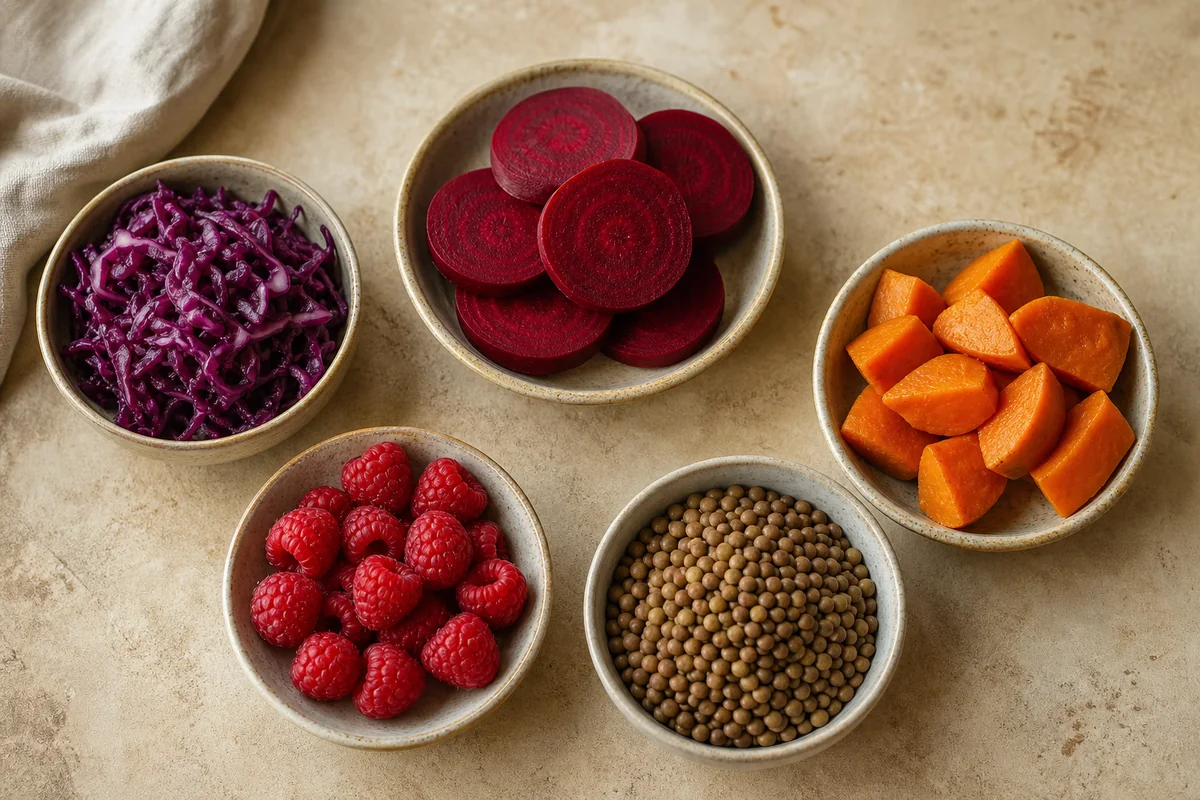
5 Best Beet Substitutes (Flavor-Matched)
Ingredients
Equipment
Method
- Identify what beet is doing in your recipe: color (pink/purple), sweetness, earthy flavor, or moisture.
- Match the role: for concentrated color, use beetroot powder; for baking moisture, use roasted sweet potato; for savory depth, use pomegranate molasses or cooked red cabbage.
- Use the listed ratio, then adjust: if flavor tastes flat, add salt; if it's too sweet, add a small splash of acid (lemon or vinegar).
- For texture-heavy recipes, blend or mash thoroughly so the substitute disappears instead of streaking.
Notes
- Beet's signature flavor is earthy-sweet; substitutes often need salt and a touch of acid to feel "complete."
Tried this recipe?
Let us know how it was!
Carrie is a food writer and editor with more than 15 years of experience. She has worked for some of the biggest names in the food industry, including Bon Appétit, Food & Wine, and Martha Stewart Living.
As the Editor in Chief of EpicureDelight, Carrie oversees all of the content on the site. She also manages the team of contributing writers and editors, who help to create delicious recipes, helpful tips, and informative articles that you’ll find on the site.
A native of the Chicago area, Carrie is passionate about all things food. She loves trying new restaurants and experimenting with new recipes in her kitchen. She’s also a graduate of the Culinary Institute of America, so she knows a thing or two about food!



