
Tender, cupped leaves that cradle dressing without going limp, a mild flavor that never fights the rest of the bowl. That's what makes bibb lettuce hard to replace on instinct.
The right bibb lettuce substitute depends on one thing: do you need softness, crunch, or leaf shape for cups and stacks?
Most swaps fall into two camps. Butterhead types (butter lettuce, Boston) match the mildness closely.
Crisper types (romaine hearts, iceberg) trade softness for structure.
Butter lettuce is the closest bibb lettuce substitute for tenderness and mild flavor. Romaine hearts work when you need crispness and structure. For a flavor pivot, baby arugula adds pepper but should be used in smaller amounts to avoid overpowering the dish.
5 Bibb Lettuce Substitutes Ranked by Texture and Flavor
| # | Substitute | Best For | Ratio | Key Note |
|---|---|---|---|---|
| 1 | Butter Lettuce | Both | 1:1 | Closest tenderness match |
| 2 | Romaine Hearts | Both | 1:1 | Crisper, mild flavor |
| 3 | Green Leaf Lettuce | Both | 1:1 | Drain well before using |
| 4 | Boston Lettuce | Both | 1:1 | Same butterhead family |
| 5 | Baby Iceberg | Both | 1:1 | Strong dressing needed |
For salads, pick butter or Boston lettuce when you want leaves that cling to dressing. Choose romaine hearts or iceberg when the dish needs structure, like sandwiches or stacked plates.
1. Butter Lettuce
Butter lettuce belongs to the same butterhead family as bibb, so the swap is almost seamless. The leaves are soft, mildly sweet, and cup slightly at the edges, which makes them sit in a bowl the same way bibb does.
Butter Lettuce
Works for: tossed salads, lettuce cups, creamy dressings, sandwich layering
Skip if: you need distinct crunch - romaine hearts are the better call there
- Ratio: Use 1:1 by volume, leaves separated into similar-sized pieces
- Prep tip: Pull leaves apart by hand rather than cutting, to keep edges intact
- Dressing: Works with vinaigrette or creamy styles equally well
- Texture note: Slightly larger leaves than bibb - tear them once if needed
2. Romaine Hearts
Romaine hearts are firmer than bibb, but their flavor is still mild enough to work in most salads without changing the dish's character. The inner leaves are the key.
Outer romaine is tougher, but the pale heart leaves are close to bibb in their gentleness.
Romaine heart pieces hold up well in sandwiches because they don't compress under toppings the way butter lettuce can. They are also easy to find year-round, which makes them a reliable backup.
- Ratio: 1:1, using inner leaves only for the mildest result
- Prep tip: Cut lengthwise into halves, then slice crosswise into bite-size pieces
- Dressing: Toss early and let sit 2 minutes - the leaves soften slightly as they absorb
- Skip if: Your salad depends on very tender, delicate leaves with no crunch at all
3. Green Leaf Lettuce
Green leaf lettuce has a looser, frillier structure than bibb, but it takes dressing well and holds its shape in a bowl longer than you might expect. The flavor is mild with a very faint bitterness, similar to how green leaf lettuce vs escarole differ in bite level.
Green Leaf Lettuce
Works for: tossed salads, grain bowls, any recipe needing volume without density
Skip if: you want bibb's buttery softness - butterhead is closer for that
- Ratio: 1:1 by volume; torn into palm-sized pieces for even bites
- Moisture control: Spin in a salad spinner and pat dry - green leaf releases more water than bibb
- Dressing: Vinaigrette coats it well; creamy dressings weigh it down slightly
- Skip if: You need leaves that hold a cup shape for wraps or lettuce boats
4. Boston Lettuce
Boston lettuce is so close to bibb that most people use the names interchangeably, and in most stores they are sold side by side. The leaves are slightly rounder and the head is looser, but the tenderness and mild flavor are almost identical.
Separate the layers by peeling from the outside in, the same way you'd prep bibb. A creamy dressing like a light Caesar or buttermilk ranch pairs especially well here, because the soft leaves absorb it without going soggy fast.
- Ratio: 1:1 - this is the safest bibb replacement on this list
- Prep tip: Separate leaves one at a time and rinse individually to remove grit between layers
- Texture: Slightly larger cupped leaves than bibb; halve them if you want smaller pieces
- Skip if: The recipe specifically needs bibb's smaller, tighter head shape for plating purposes
5. Baby Iceberg
Baby iceberg is colder, crunchier, and less buttery than bibb, but it handles dressing better than full-size iceberg because the leaves are thinner. You can find various iceberg lettuce swaps that follow a similar logic - crisp structure compensates for lower flavor complexity.
Chill the leaves for 10 minutes after rinsing for the best snap. Use a bold dressing (blue cheese, Caesar, or a sharp vinaigrette) because iceberg's neutral flavor needs more help than bibb does.
| Use | Ratio | Notes |
|---|---|---|
| Tossed salad | 1:1 | Chop into thin strips; toss with strong vinaigrette |
| Sandwich layer | 1:1 | Use whole small leaves for crunch under toppings |
| Lettuce cup/wrap | 1:1 | Peel outer cup leaves; fill while still cold |
- Prep tip: Quarter the baby head, then rinse and separate - don't chop until ready to serve
- Dressing: Creamy or bold dressings are better than light vinaigrette here
- Skip if: You're aiming for bibb's buttery mouthfeel - iceberg won't deliver that
Making Bibb Lettuce Substitutes Work Every Time
The fastest way to choose is to match your priority first. Tenderness matters most?
Go butter lettuce or Boston. Crunch and structure matter?
Romaine or iceberg. When the swap is sharper in flavor, like arugula vs baby arugula differences, adjust the amount down and balance with a creamy dressing.
- Control moisture first: Rinse, then spin or pat dry before dressing - wet leaves dilute flavor and make the salad go limp faster
- Match leaf size: Tear or chop your substitute into pieces similar to bibb's natural leaf portions so each bite has the same ratio of leaf to topping
- Adjust dressing strength: Mild swaps (butter, Boston) work with any dressing; crunchy swaps (romaine, iceberg) benefit from bolder dressing to compensate for lower natural flavor
Frequently Asked Questions
Butter lettuce is the closest match. It has the same butterhead softness and mild flavor, and works at a 1:1 ratio with no prep changes needed beyond separating the leaves.
Yes. Romaine hearts are firmer and hold up well under sandwich toppings. Use the inner leaves for the mildest flavor closest to bibb.
Spin it in a salad spinner immediately after rinsing, then spread on a clean towel for 2 minutes. Don't dress it until right before serving.
It is bland on its own, so pair it with a bold dressing like blue cheese or Caesar. Baby iceberg works better than full-size because the leaves are thinner and less watery.
Start with about half the amount bibb calls for. Arugula is peppery where bibb is mild, so less is safer until you know the flavor fits your dish.
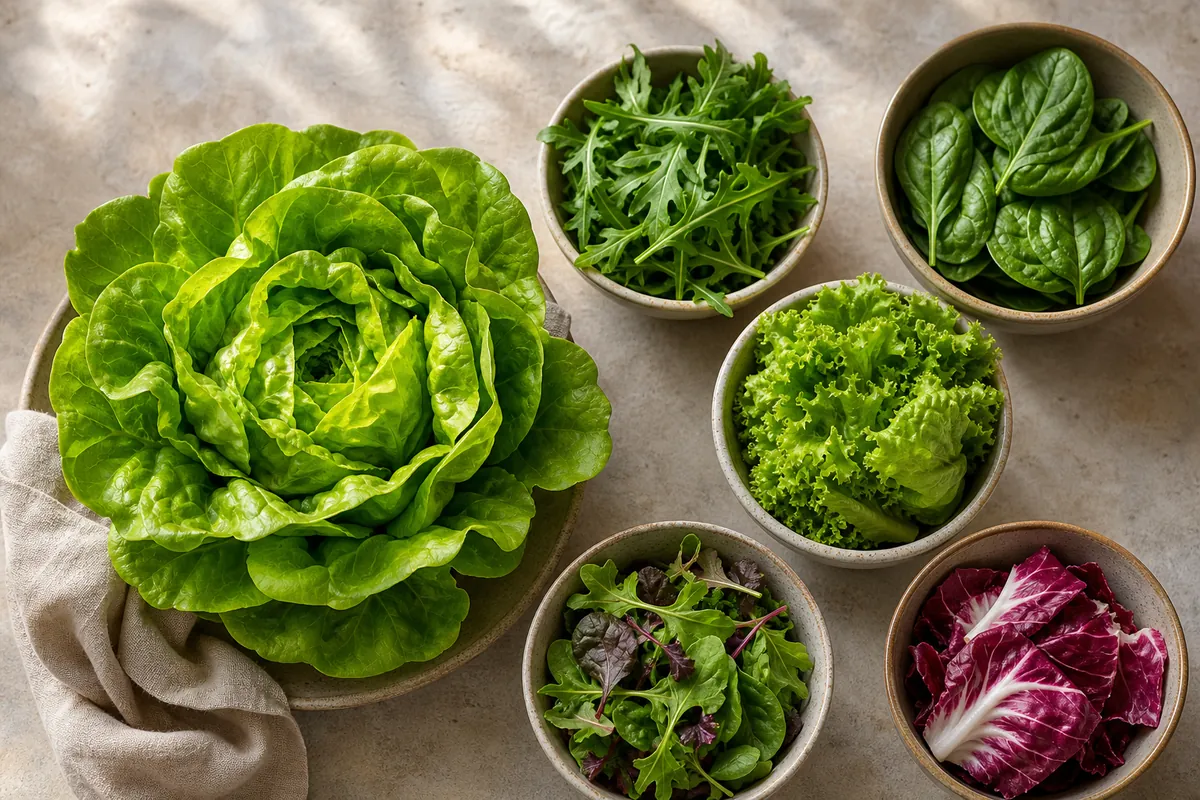
5 Best Bibb Lettuce Substitutes Worth Trying
Ingredients
Equipment
Method
- Decide your goal: closest tenderness (butter/boston lettuce) or extra crunch (romaine hearts).
- Use the 1:1 ratio, then prepare leaves to match bibb’s bite size (separate layers or chop/torn evenly).
- Rinse lettuce only if needed, then spin/drain thoroughly so watery leaves don’t dilute dressing.
- If your swap is sharper (like arugula), balance with a creamy dressing or reduce the substitute amount.
Notes
- Use bibb-like leaf size for the same texture in every bite.
- Moisture control matters: drier leaves = better cling to vinaigrette and creamy dressings.
- Peppery swaps (arugula) may need a dressing adjustment.
Tried this recipe?
Let us know how it was!
Carrie is a food writer and editor with more than 15 years of experience. She has worked for some of the biggest names in the food industry, including Bon Appétit, Food & Wine, and Martha Stewart Living.
As the Editor in Chief of EpicureDelight, Carrie oversees all of the content on the site. She also manages the team of contributing writers and editors, who help to create delicious recipes, helpful tips, and informative articles that you’ll find on the site.
A native of the Chicago area, Carrie is passionate about all things food. She loves trying new restaurants and experimenting with new recipes in her kitchen. She’s also a graduate of the Culinary Institute of America, so she knows a thing or two about food!



