
That creamy, mild spoonful of cashew butter is easy to take for granted - until you open the jar and find it empty mid-recipe. The good news: several common pantry staples can step in, and most work at a 1:1 ratio.
The trick is matching the texture and flavor intensity to your specific recipe, because a sauce swap and a baking swap are not the same decision.
Cashew butter is notably mild and smooth. It doesn't fight other flavors the way peanut butter can. If you know this creamy nut spread goes stale faster than you expect, keeping a backup option in your pantry makes sense.
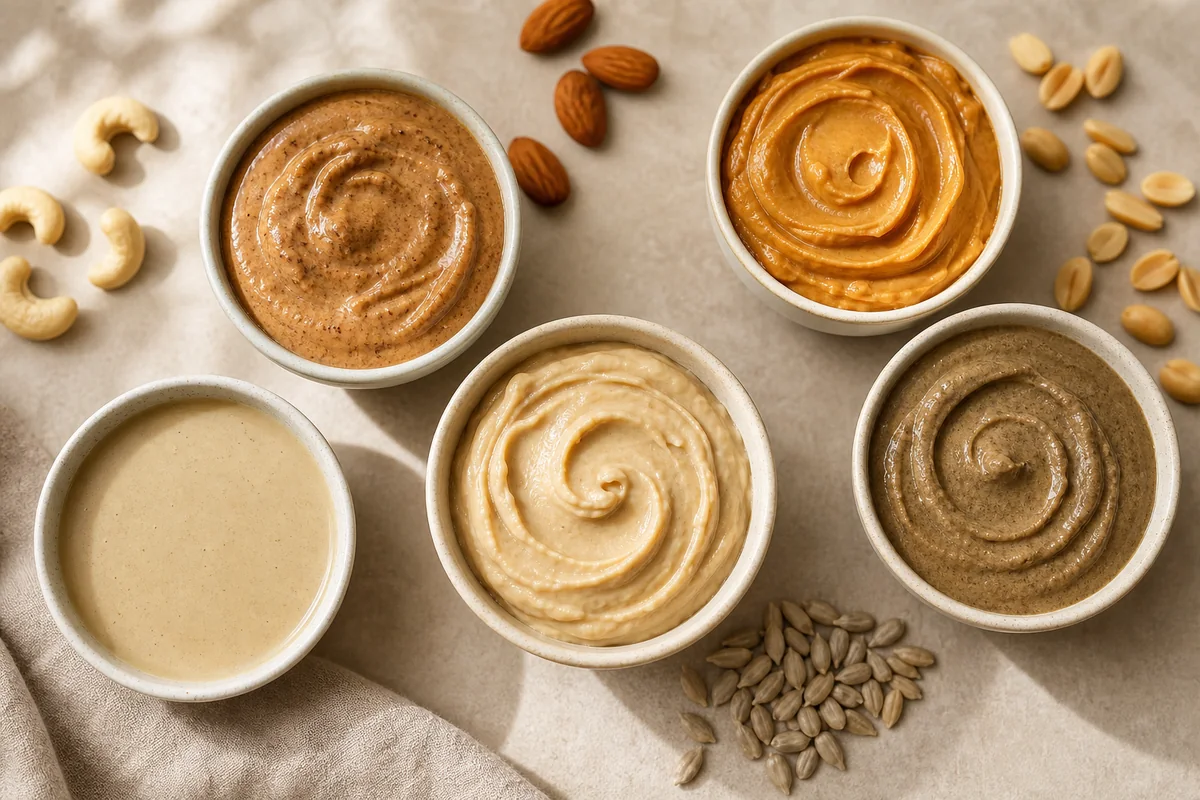
The best cashew butter substitute for baking and spreads is smooth almond butter, which swaps 1:1 and matches creaminess closely. For nut-free needs, sunflower seed butter is the top pick. Tahini works in savory and semi-sweet recipes at ¾:1. Match texture first, then fine-tune flavor.
5 Cashew Butter Swaps Ranked by Texture and Richness
Knowing which substitute lands closest in texture is the fastest way to avoid a ruined batch. The table below gives you a snapshot of each swap before you commit.
| # | Substitute | Best For | Ratio | Key Note |
|---|---|---|---|---|
| 1 | Almond Butter (smooth) | Both | 1:1 | Closest flavor, slightly bitter |
| 2 | Peanut Butter (creamy) | Both | 1:1 | Stronger roasted flavor |
| 3 | Sunflower Seed Butter | Both | 1:1 | Best nut-free swap |
| 4 | Tahini | Savory | ¾:1 | Sesame-forward, use less |
| 5 | Pumpkin Seed Butter | Baking | 1:1 | Earthy, toasty depth |
1. Almond Butter
Smooth almond butter is the cashew butter alternative that requires the least mental adjustment. The texture is almost identical, and it behaves the same way in batters, frostings, and spreads.
If you already use almond butter regularly, storing it properly means you'll always have a backup on hand.
The one noticeable shift is a slightly more bitter, nutty edge. A small pinch of sugar or an extra drop of vanilla corrects it in most sweet recipes.
- Ratio: 1:1 for cookies, brownies, frosting, and spreads
- Flavor fix: Add a pinch of sugar if the bitterness reads too sharp
- Texture tip: Stir the jar fully before measuring so it's glossy, not oily at the top
Skip if: you need a nut-free cashew butter replacement.
2. Peanut Butter (Creamy)
Peanut butter is the thickest, most reliable stand-in when you need body in a sauce or bar. Its roasted, deep flavor is stronger than cashew's, but that's actually a benefit in savory peanut noodles, dressings, and energy bars.
If you're curious about exactly how that flavor profile compares to other nut butters, roasted peanut flavor notes break it down clearly.
Use natural creamy peanut butter, stirred well, so the swap stays glossy rather than stiff.
- Ratio: 1:1 for sauces, dressings, and bars
- Best use: Savory sauces, peanut-forward cookies, and no-bake energy bars
- Texture tip: If the batter feels stiffer than expected, whisk in 1 teaspoon of water to loosen
Skip if: your recipe is mild and sweet and you need cashew's neutral background flavor.
3. Sunflower Seed Butter
For a nut-free kitchen, sunflower seed butter is the most practical cashew butter alternative by a wide margin. It's smooth, spreadable, and mild enough not to disrupt most baked recipes.
You can also check out other swapping sunflower seed butter options if this one isn't on hand either.
One thing to know: it can run slightly sweeter than cashew butter, especially in commercial versions.
Sunflower Seed Butter vs. Cashew Butter
Works for: nut-free baking, smoothies, sandwich spreads, and bars where mildness matters
Skip if: you need a fully neutral, fragrance-free base - sunflower seed butter has a faint toasted note
- Ratio: 1:1; if it tastes sweeter than intended, reduce added sugar by 1 teaspoon
- Baking note: It can turn baked goods slightly green due to chlorophyll reaction - flavor is fine, color is unexpected
- Best use: Cookies, muffins, smoothie bowls, and sandwich spreads
4. Tahini
Tahini is a sesame paste, not a nut butter, but it's creamy and spoonable in the same way. It works especially well in brownies, blondies, and savory sauces where a slightly bitter, sesame-forward note actually fits.
The key is using a little less: at ¾ the amount your recipe calls for, the flavor stays balanced. For a sense of how the nutty seed flavor compares across similar spreads, it's a useful reference point.
- Ratio: ¾:1 - use 3 tablespoons tahini for every 4 tablespoons of cashew butter
- Best use: Brownies, blondies, sesame-friendly sauces, and dressings
- Flavor fix: Add a small drizzle of honey or maple to soften the bitter edge in desserts
Skip if: your recipe is strongly sweet and the sesame note would clash rather than complement.
5. Pumpkin Seed Butter
Pumpkin seed butter has a warm, toasty depth that reads almost like a cross between sunflower seed butter and tahini. It works cleanly at 1:1 in most baking applications.
For guidance on picking the right whole cashew swap, the same flavor logic applies here.
It's thicker than cashew butter in most brands, which is good for batter structure but can make sauces paste-like.
| Use | Ratio | Notes |
|---|---|---|
| Cookie dough / brownies | 1:1 | Works as-is; expect a toasty, darker flavor |
| Creamy sauce / dressing | 1:1 + 1-2 teaspoon water | Loosen with water or milk to reach pourable consistency |
| Energy bars / no-bake | 1:1 | Binds well; flavor pairs nicely with chocolate and dates |
- Ratio: 1:1 for baking; add 1-2 teaspoons liquid per batch for sauces
- Best use: Brownies, cookies, and no-bake bars where toasty notes are welcome
Skip if: you need a mild, neutral cashew-butter flavor - pumpkin seed butter is noticeably earthy.
Making Cashew Butter Substitutes Work (Texture + Flavor Fixes)
Swapping nut or seed butters is rarely a disaster, but small adjustments make the difference between "close enough" and "actually good." Cashew butter's main job in a recipe is creaminess plus a mild flavor that doesn't compete.
Your substitute needs to match both before you start tweaking. If you're working through a batch of no-bake bars, dairy-free milk swaps can also help loosen a too-thick mixture alongside your chosen butter alternative.
For spreads and sauces especially, getting the right nut butter choice first saves you from over-adjusting later.
- Match the ratio first: Use 1:1 for almond butter, peanut butter, sunflower seed butter, and pumpkin seed butter; drop to ¾:1 for tahini and white bean puree, which are denser or more savory
- Loosen thick substitutes: If your batter or sauce feels stiff, whisk in water or unsweetened milk 1 teaspoon at a time until it reaches the original consistency
- Correct the flavor: A pinch of salt lifts bland swaps; a small spoonful of honey or maple balances bitter or savory-leaning options like tahini
Frequently Asked Questions
Smooth almond butter is the best 1:1 swap for baking. It matches cashew butter's creaminess and behaves almost identically in batters and frostings, with only a slight bitterness that a pinch of sugar fixes.
Sunflower seed butter is the top nut-free option. Tahini and pumpkin seed butter are also nut-free and work well in baking and sauces.
Yes, but use ¾ the amount and add a touch of honey to soften tahini's bitter edge. It works best in brownies and blondies where sesame fits naturally.
Whisk in water or unsweetened milk, 1 teaspoon at a time, until you reach the right consistency. Always use a fully blended, smooth-style butter to avoid grittiness from the start.
Most nut and seed butters store similarly - sealed at room temperature for weeks, or refrigerated for months. Bean puree is the exception and should be refrigerated and used within 4 days.
5 Best Cashew Butter Substitutes (That Actually Work)
Ingredients
Equipment
Method
- Decide your recipe goal: smooth spread, thick sauce, or baked structure.
- Choose the substitute that matches texture first (creamy/buttery beats chunky for baking).
- Use the listed ratio; start with less for stronger-flavored swaps (like tahini or bean puree).
- Adjust thickness: if your batter/sauce feels tight, whisk in 1–2 teaspoons water or milk at a time.
- Taste-test and fine-tune: add a pinch of salt for blandness or a small sweetener boost if the swap tastes sharp.
Notes
- For baking, prioritize smooth/creamy nut or seed butters to avoid grainy crumb.
- For sauces, warm and stir the substitute until glossy for a closer cashew-butter feel.
Tried this recipe?
Let us know how it was!
Carrie is a food writer and editor with more than 15 years of experience. She has worked for some of the biggest names in the food industry, including Bon Appétit, Food & Wine, and Martha Stewart Living.
As the Editor in Chief of EpicureDelight, Carrie oversees all of the content on the site. She also manages the team of contributing writers and editors, who help to create delicious recipes, helpful tips, and informative articles that you’ll find on the site.
A native of the Chicago area, Carrie is passionate about all things food. She loves trying new restaurants and experimenting with new recipes in her kitchen. She’s also a graduate of the Culinary Institute of America, so she knows a thing or two about food!



