
Chocolate and sweet in one bottle. That's what crème de cacao does, and it's harder to replace than it looks.
The wrong swap leaves your drink flat or your frosting tasting like a different dessert altogether.
A good creme de cacao substitute covers three things at once: cocoa flavor, sweetness, and alcohol presence. Drop any one of those and the recipe shifts.
The sections below map each option to the job it does best.
Crème de cacao is a sweet chocolate liqueur (15-25% ABV). Any substitute must cover cocoa flavor, sweetness, and alcohol. Chocolate liqueur is the closest match. Dark chocolate liqueur adds depth. Coffee liqueur brings mocha notes. A homemade chocolate syrup-plus-vodka mix works in a pinch.
5 Best Creme De Cacao Swaps (and What They Replace)
| # | Substitute | Best For | Ratio | Key Note |
|---|---|---|---|---|
| 1 | Chocolate Liqueur (20-30% ABV) | Both | 1:1 | Closest flavor match |
| 2 | Dark Chocolate Liqueur | Both | 1:1 | Richer, use less |
| 3 | Coffee Liqueur (Kahlua-style) | Desserts | 1:1 | Adds mocha notes |
| 4 | Chocolate Syrup + Vodka | Both | 1:1 | DIY liqueur, fast |
| 5 | Cocoa + Simple Syrup + Rum Extract | Desserts | ¾:1 | Start low, adjust |
Each substitute covers a different combination of cocoa intensity, sweetness, and alcohol strength. Read the table as a priority ranking: start at row 1 if your recipe needs the full liqueur profile, then move down if your pantry (or palate preference) calls for something different.
1. Chocolate Liqueur
This is the straightforward swap. A standard chocolate liqueur at 20-30% ABV mirrors crème de cacao so closely that most people can't tell the difference in a mixed drink.
If you're exploring other sweet liqueur swaps, berry liqueur options follow a similar matching logic for ratio and sweetness level.
- Cocktails: Works in chocolate martinis, white Russians, and any dessert drink
- Frosting and ganache: Adds classic liqueur sweetness without altering cocoa color
- Alcohol strength: Matches the original, so no adjustment needed
Skip if: your recipe specifically calls for white crème de cacao and color matters. Dark chocolate liqueur will tint a pale cocktail.
2. Dark Chocolate Liqueur
Dark chocolate liqueur works when you want the cocoa to come forward more strongly. It reads closer to a truffle than to classic crème de cacao, which is sometimes exactly what a dessert needs.
Reduce by about 1 to 2 teaspoons per ounce if your recipe is already cocoa-heavy. The extra bitterness adds up fast, especially in ganache or chocolate buttercream.
- Flavor shift: Deeper bitterness, less sugary than the original
- Sweetness impact: May need a small sugar adjustment in light cocktails
- Best uses: Dense chocolate cakes, dark chocolate mousse, after-dinner drinks
- Worst uses: Light, pale, or cream-based cocktails where bitter cocoa clashes
Skip if: you're building a sweet, low-intensity chocolate drink. Start with half the amount and taste before adding more.
3. Coffee Liqueur
Coffee liqueur is the most common pantry stand-in, but it changes the flavor profile. The cocoa is still there, layered under roasted notes that read as mocha rather than pure chocolate.
In tiramisu or chocolate-espresso cake, that mocha shift is a bonus, not a problem. For picking a minty liqueur swap in layered cocktails, the same principle applies: match the dominant flavor to the dessert's direction.
Coffee Liqueur vs. Crème de Cacao
Works for: tiramisu, mocha cakes, chocolate-coffee cocktails, dessert sauces
Skip if: recipe is pure-chocolate, light, or cream-based with no coffee element
- Mocha note: Coffee reads clearly if the recipe isn't strongly cocoa-forward
- Sweetness: Similar to crème de cacao, so ratio stays 1:1
- ABV: Kahlua-style liqueurs are usually 20-25%, close to the original
Skip if: your drink is meant to taste like pure chocolate. The coffee flavor won't hide.
4. Chocolate Syrup + Vodka
This is the fastest homemade route. Chocolate syrup handles the sweetness and cocoa body, while vodka adds the alcohol without layering in extra flavors. If you need neutral spirit swaps, that page covers the same logic for alcohol-forward builds.
Mix 2 tablespoons of chocolate syrup with 1 tablespoon of vodka per ounce of crème de cacao you're replacing. Rest it for 5 minutes before tasting.
| Use | Ratio | Notes |
|---|---|---|
| Single cocktail (1 oz) | 2 tablespoon syrup + 1 tablespoon vodka | Shake well, taste before serving |
| Small batch (4 oz) | ½ cup syrup + ¼ cup vodka | Stir, rest 10 min, refrigerate |
| Dessert drizzle | 3 tablespoon syrup only | Skip vodka for baking applications |
- Sweetness: Chocolate syrup is already sweet, so skip any added sugar
- Cocoa body: Use a good-quality syrup for the closest flavor result
- ABV: Lower than the original unless you increase vodka proportion
Skip if: you can't use alcohol. This option still requires a spirit to function as a liqueur replacement.
5. Cocoa Powder + Simple Syrup + Rum Extract
This one is for when you have zero liqueur on hand. Cocoa powder gives intense, concentrated chocolate. Simple syrup balances it.
A few drops of rum extract add the boozy aroma that makes it feel closer to a liqueur.
The syrup-versus-sugar tradeoff matters here. Simple syrup dissolves instantly and gives you a smoother texture than granulated sugar in cold drinks.
Use unsweetened cocoa powder. Check that your stored cocoa powder is still fresh before mixing.
- Base ratio: 1 tablespoon cocoa powder + 2 tablespoon simple syrup + 2-3 drops rum extract per ounce
- Cocoa intensity: Start with less and add more after tasting, it overshoots fast
- Rum extract: Use sparingly. Too much shifts aroma toward spiced rum, not chocolate
- Best for: Desserts, sauces, and recipes where alcohol volume is low anyway
Skip if: your recipe needs a neutral chocolate-liqueur profile. Rum extract changes the aroma noticeably and won't disappear in the background.
Making a Creme De Cacao Substitute Taste Right
Getting the flavor close is about adjusting three things: sweetness, cocoa intensity, and alcohol presence. Most substitutes lean too far in one direction.
A coffee liqueur is rich but has roasted notes. A homemade syrup mix may be sweet but thin on cocoa depth.
Pulling the flavor back into range is fast once you know which lever to push. If you're choosing rum extract alternatives for the homemade version, that decision also shapes final aroma here.
- Too bitter: Add ½ teaspoon simple syrup at a time and stir, then taste before adding more
- Not chocolatey enough: Stir in a small pinch of unsweetened cocoa powder directly into the drink or batter
- Alcohol too low: Add a measured ½ oz of vodka or a neutral grain spirit to restore ABV without flavor shift
Frequently Asked Questions
A standard chocolate liqueur at 20-30% ABV is the closest match. Use it at a 1:1 ratio and most cocktails won't taste different.
Yes, but it adds a mocha note. It works best in espresso-forward desserts like tiramisu. Avoid it in recipes where pure chocolate flavor is the point.
Mix 2 tablespoons of chocolate syrup with 1 tablespoon of vodka per ounce needed. Rest for 5 minutes before using in your cocktail or recipe.
Add simple syrup in small increments for bitterness, or a pinch of unsweetened cocoa for sweetness overload. Adjust in ½ teaspoon steps and taste between each addition.
Usually yes, but dark chocolate liqueur is more intense. Start at a 1:1 ratio, then taste and reduce by 1-2 teaspoons if the cocoa flavor runs too strong.
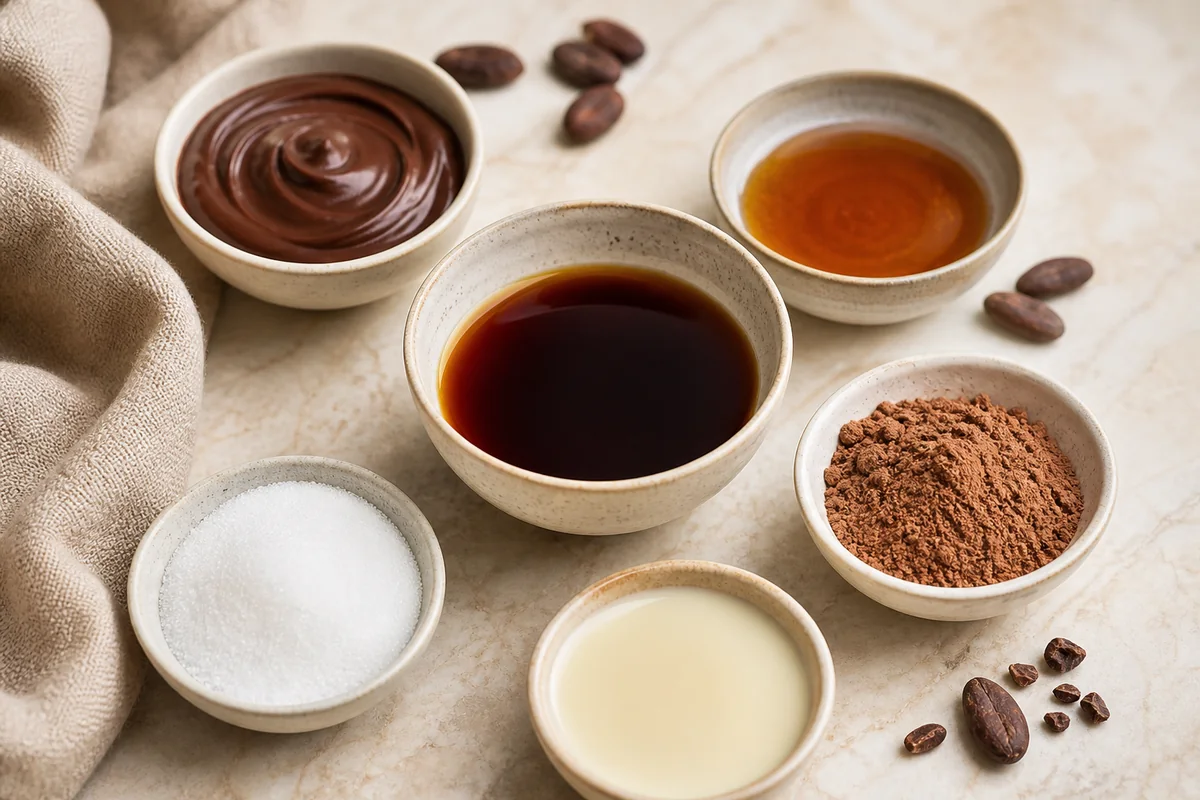
5 Best Creme De Cacao Substitutes You Can Trust
Ingredients
Equipment
Method
- Identify whether your recipe needs the liqueur mainly for sweetness, chocolate flavor, or alcohol volume (cocktail vs. dessert).
- Choose the closest match from the list: chocolate liqueur (closest), dark chocolate liqueur (richer), or coffee liqueur (mocha shift).
- Use the listed ratio as your starting point, then taste and adjust: add cocoa for intensity or a touch more syrup for sweetness.
- If using a homemade option (syrup + spirit or cocoa + syrup + extract), mix thoroughly and rest 5 minutes so flavors round out.
- For cocktails, keep the substitute cold and build in small increments—liqueurs vary widely in strength and sweetness.
Notes
- Liqueurs vary in ABV and sweetness; taste-adjust after mixing for the best replica flavor.
- In desserts, alcohol often cooks off—prioritize chocolate sweetness first.
Tried this recipe?
Let us know how it was!
Carrie is a food writer and editor with more than 15 years of experience. She has worked for some of the biggest names in the food industry, including Bon Appétit, Food & Wine, and Martha Stewart Living.
As the Editor in Chief of EpicureDelight, Carrie oversees all of the content on the site. She also manages the team of contributing writers and editors, who help to create delicious recipes, helpful tips, and informative articles that you’ll find on the site.
A native of the Chicago area, Carrie is passionate about all things food. She loves trying new restaurants and experimenting with new recipes in her kitchen. She’s also a graduate of the Culinary Institute of America, so she knows a thing or two about food!



