
Espelette pepper has a flavor that doesn't behave like most chili powders. It's fruity first, warm second, with a color that turns everything a deep brick-red.
Finding a good espelette pepper substitute means matching both the gentle heat and that distinctive sweet-pepper character at the same time.
Most chili swaps hit the heat but miss the fruitiness. The six options below each bring something different, and the sections explain where each one works and where it falls short.
Espelette pepper is mildly hot, fruity, and red-pepper sweet. The closest swap is Aleppo pepper at a 1:1 ratio. For a pantry-friendly fix, blend sweet paprika and a pinch of cayenne. Smoked paprika adds depth but changes the aroma, so use it carefully in finishing dishes.
5 Best Espelette Pepper Substitutes Ranked by Flavor and Heat
| # | Substitute | Best For | Ratio | Key Note |
|---|---|---|---|---|
| 1 | Aleppo Pepper | Sauce + Finish | 1:1 | Fruitiest overall match |
| 2 | Sweet Paprika + Cayenne | Cooking | 2:1 blend | Taste before adding cayenne |
| 3 | Piquillo Pepper Powder | Cooking | 1:1 | Sweet, low-heat option |
| 4 | Smoked Paprika + Chili Flakes | Simmer only | 1:1 base | Skip for finishing dishes |
| 5 | Chili Flakes + Sweet Paprika | Quick Sauté | ¾:1 | Sharper; blend carefully |
1. Aleppo Pepper
Aleppo pepper is the closest match you'll find outside the Basque region. It has the same fruity warmth and a similar brick-red color, and it grinds to a texture that behaves just like espelette in a pan.
Start at a 1:1 ratio and taste before adding more. Aleppo tends to be a touch oilier and slightly saltier than espelette, so check seasoning before you reach for the salt shaker.
If you want to understand how Aleppo's flavor profile compares in detail, that's worth a read before your first swap.
- Heat level: Mild to medium, similar to espelette without sharp bite
- Texture: Slightly coarser and oilier; works in sauces and as a finishing sprinkle
- Best use: Stir into marinades, scatter over eggs, or fold into braised sauces
- Ratio: 1:1, starting point only; taste and adjust
Skip if: your Aleppo supply is old or smells flat. Stale Aleppo loses the fruitiness that makes it a good stand-in, and you'd be better off with a paprika blend.
2. Hungarian Sweet Paprika + Cayenne
Sweet paprika on its own is too mild and too flat to replace espelette. Adding a small pinch of cayenne brings the heat up without crossing into aggressive chili territory.
Start with 2 parts sweet paprika to 1 part cayenne, then taste before adding more. The paprika carries the roasted pepper sweetness; cayenne handles the warmth.
This blend works especially well in dry rubs and creamy sauces because the paprika body holds up during longer cook times. If you ever find yourself needing to back off the heat further, check these cayenne swap options to adjust without starting over.
- Blend: 2 teaspoon sweet paprika to 1 teaspoon cayenne as a starting formula
- Best use: Dry rubs for chicken or pork, roasted vegetables, creamy tomato sauces
- Flavor note: Paprika sweetness comes through first; heat arrives at the finish
Skip if: you're finishing a delicate dish at the table and can't taste-adjust after the fact.
3. Piquillo Pepper Powder
Piquillo pepper powder brings a roasted red pepper sweetness that's genuinely close to espelette's fruitiness, just with less chili character. It's the right pick when you want the color and pepper aroma but not the heat.
For context on how this pepper behaves in recipes, sweet pepper swaps covers the full range.
Use it 1:1, then add a small pinch of red chili flakes separately if the dish needs more warmth.
- Heat level: Very mild; closer to a sweet pepper than a chili
- Best use: Sofrito bases, braises, vegetable soups where pepper flavor matters more than heat
- Adjustment: Add a pinch of red chili flakes on the side to bring heat up without swapping the base
- Color: Deep red, nearly identical to espelette's contribution in a dish
Skip if: your recipe depends on espelette's mild warming heat. Piquillo is sweet and aromatic but won't deliver the chili warmth.
4. Smoked Paprika + Red Pepper Flakes
Smoked paprika is the most common pantry stand-in, and it works, but it changes the character of a dish more than any other option on this list. The smoke note can easily take over.
If you're curious how the two smoky variants differ, smoked paprika flavor notes explains where that intensity comes from.
Use smoked paprika as the 1:1 base, then add red pepper flakes in tiny pinches until the heat matches what you'd expect from espelette.
Smoked Paprika + Flakes
Works for: long-simmered sauces, bean dishes, grilled meat rubs where smoke is welcome
Skip if: you're finishing a light fish dish or pale sauce where the smokiness will dominate
- Ratio: 1:1 smoked paprika, then add flakes in small pinches
- Flavor shift: Deeper and smokier than espelette; missing the fresh fruity top note
- Best use: Anything with a long cook time that can absorb smoke without tasting harsh
Skip if: you need espelette's aroma for a finishing garnish. Smoked paprika's campfire note will overpower delicate plates.
5. Chili Flakes + Sweet Paprika
This is the fastest fix when you're mid-recipe and out of every specialty pepper. The trick is to start with ¾ of the called-for espelette amount in chili flakes, then stir in sweet paprika to round the sharpness.
Standard chili flakes are hotter and less fruity than espelette. The sweet paprika softens that edge and adds some body.
It won't be a perfect copy, but in a weeknight sauce or a quick sauté it gets close enough.
Taste after the blend heats through in the pan, because chili flakes tend to release more heat once warmed. If the blend still tastes sharp, a small pinch of sugar or a few drops of lemon juice pulls it back.
For dishes where you need to go the other direction and swap out the paprika element, paprika replacement ideas covers that territory.
Skip if: you only have very hot dried chilies like Calabrian or bird's eye. Those won't mellow enough with paprika and will overpower the dish entirely.
Making Espelette Pepper Substitutes Taste Right
Every pepper substitute behaves differently once heat hits it. The fruity note in espelette comes from its roasted-sweet base, and most swaps either lose that or add something extra like smoke. Fruity pepper swaps that share this profile tend to follow the same adjustment pattern: add heat gradually, taste in the warm base, not cold.
Knowing when to store your Aleppo properly also matters, since a flat or stale jar is one of the most common reasons a swap fails.
- Heat after warming: Always taste your substitute after it's been in the pan or sauce for at least 2 minutes; ground peppers release more heat and aroma as they cook.
- Balance sharpness: If the swap tastes too sharp or harsh, add a small pinch of salt plus a drop of lemon juice or wine vinegar to round the edges.
- Simmer vs. finish: Add milder substitutes like piquillo powder early in cooking; save brighter or sharper ones like chili flakes for the last 2 minutes so they stay fragrant.
Frequently Asked Questions
Aleppo pepper is the closest match. It shares espelette's fruity warmth and mild heat, and it works at a 1:1 ratio in most recipes.
Stir in extra sweet paprika to dilute the heat, then add a small drop of acid like lemon juice to restore brightness. Avoid adding water; it dulls flavor.
Yes, but it changes the dish's character. Smoked paprika adds a campfire note espelette doesn't have, so use it only in long-simmered recipes where smoke fits.
Aleppo pepper is the best finishing option. Use it lightly as a sprinkle; it stays fragrant and doesn't turn bitter the way chili flakes can at high heat.
For sauces, use Aleppo or piquillo powder at 1:1 and simmer fully. For dry rubs, the sweet paprika and cayenne blend gives better control over final heat level.
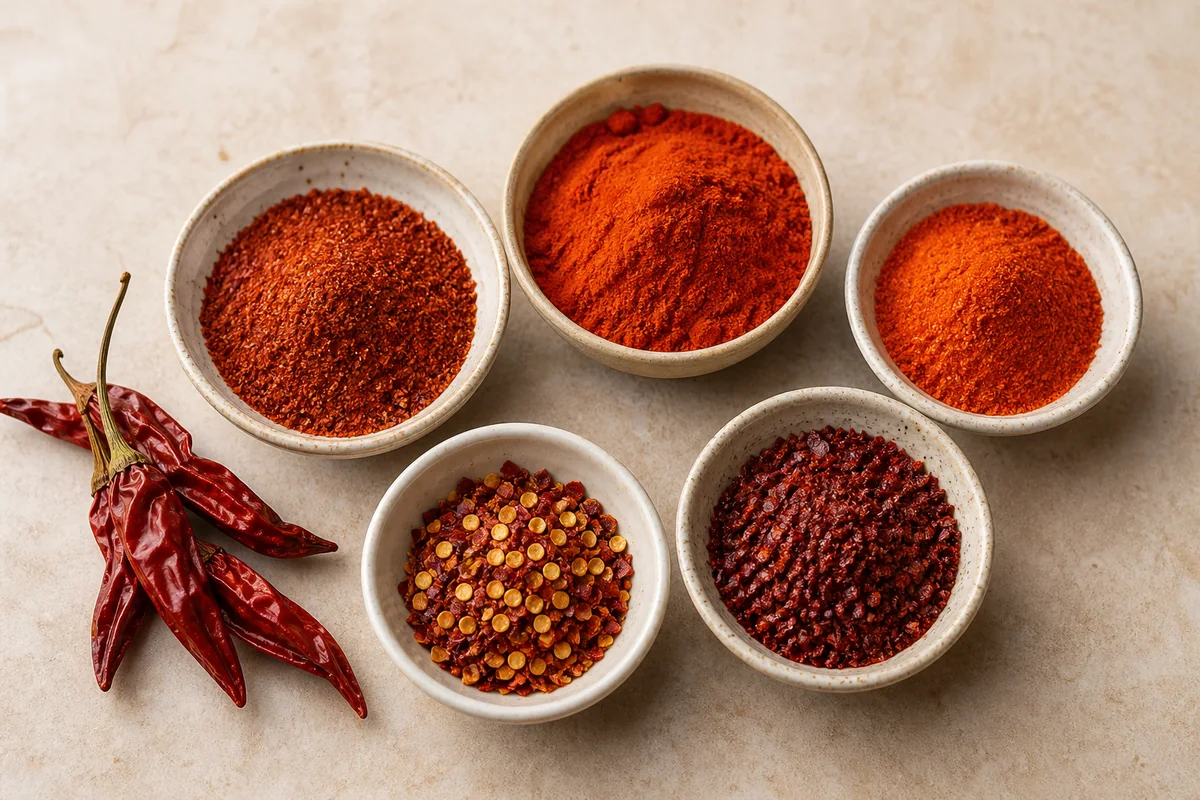
5 Best Espelette Pepper Substitutes in Every Recipe
Ingredients
Equipment
Method
- Decide your goal: match heat level first, then match fruity pepper flavor (roasted/sweet vs sharp).
- Start with the listed ratio for your substitute, then taste your dish’s sauce/base for warmth after it heats through.
- If the substitute tastes too sharp or flat, balance with a small pinch of salt and a drop of acid (lemon/vinegar) to mimic espelette’s roundness.
- If it’s not hot enough, add heat in tiny pinches (especially for paprika-based swaps) and re-taste—avoid overshooting.
- For finishing, use the substitute more lightly so it stays fragrant, and for sauces/braised dishes use it during simmering.
Notes
- Espelette’s key traits are gentle fruity heat and a rounded pepper sweetness—prioritize those over pure spiciness.
- When swapping from ground chilies to flakes (or vice versa), adjust gradually by tasting after heating.
Tried this recipe?
Let us know how it was!
Carrie is a food writer and editor with more than 15 years of experience. She has worked for some of the biggest names in the food industry, including Bon Appétit, Food & Wine, and Martha Stewart Living.
As the Editor in Chief of EpicureDelight, Carrie oversees all of the content on the site. She also manages the team of contributing writers and editors, who help to create delicious recipes, helpful tips, and informative articles that you’ll find on the site.
A native of the Chicago area, Carrie is passionate about all things food. She loves trying new restaurants and experimenting with new recipes in her kitchen. She’s also a graduate of the Culinary Institute of America, so she knows a thing or two about food!



