
Lemon extract has one job: deliver pure, concentrated lemon aroma in a single teaspoon. It does this through alcohol carrying volatile lemon oils, which means it punches far above what fresh juice can manage.
Choosing the right lemon extract substitute means deciding whether you need that same aroma-forward intensity or just bright, citrusy tang.
Two things drive lemon extract's effect in a recipe. First, concentrated fragrance from the lemon's essential oils.
Second, a trace of balanced acidity that lifts batters and glazes. Some swaps (like a vodka-zest infusion or food-grade lemon oil) replicate the aroma side.
Others (lemon juice with zest, or citric acid) lean on choosing a juice-first approach and cover the tang side. Match your substitute to whichever function matters most in your recipe.
The best lemon extract substitute depends on what the recipe needs. Lemon zest steeped in vodka comes closest to extract aroma. Limoncello adds floral sweetness. Lemon juice plus zest gives a fresh, natural result. Food-grade lemon oil is the most concentrated option. Citric acid covers emergency tang.
5 Best Lemon Extract Swaps (and What to Use Instead)
| # | Substitute | Best For | Ratio | Key Note |
|---|---|---|---|---|
| 1 | Lemon Zest + Vodka | ★ Baking & Frosting | 1:1 | Steep 30-60 min, strain |
| 2 | Limoncello | ★ Batters & Glazes | 1:1 | Reduce other sugar slightly |
| 3 | Lemon Juice + Zest | ★ Both | 2:1 | Microplane zest for best aroma |
| 4 | Food-Grade Lemon Oil | ★ Frostings | 1:16 | Dilute before adding |
| 5 | Citric Acid + Water | ★ Glazes & Tang | 1:4 | Add zest for full aroma |
Pick based on what your recipe needs most. Alcohol or oil-based swaps handle aroma.
Juice, zest, or citric acid handle bright tartness.
1. Lemon Zest + Vodka
This is the swap that behaves most like lemon extract. Alcohol pulls the volatile compounds right out of the zest and holds them in suspension, just like commercial extract.
To make it, combine the zest of one lemon with 3 tablespoons of neutral vodka. Steep for 30 to 60 minutes, then strain.
Use the strained liquid 1:1 in place of lemon extract.
- Steep time: Longer than 60 minutes deepens aroma but also extracts more bitter pith flavor if any zest is thick-cut.
- Zest thickness: Use a microplane for fine zest, which releases more oil and steeps faster.
- Straining: Always strain before using; you want the infused liquid, not the spent zest.
When storing lemon zest before your infusion, keep it covered and cold to preserve the oils.
Lemon Zest + Vodka
Works for: cakes, buttercream frosting, pound cake, any recipe needing extract-strength lemon aroma
Skip if: you avoid alcohol in cooking or are baking for someone who cannot have alcohol, even trace amounts
2. Limoncello
Limoncello is already alcohol-infused with lemon peel, so it delivers that same oil-carried aroma that extract gives. It just comes with sweetness baked in.
Use it 1:1 for lemon extract. In a recipe with measured sugar, reduce the sugar by about 1 teaspoon per tablespoon of limoncello added.
If you need other swaps in a similar spirit, choosing a limoncello alternative may point you toward other floral citrus options.
- In batters: Works well in pound cake or muffins where a hint of floral sweetness is welcome.
- In glazes: Great base for a lemon drizzle glaze; adjust powdered sugar quantity to compensate for limoncello's sweetness.
- Sugar adjustment: Reduce other sweeteners by roughly 10% when using limoncello in a balanced recipe.
Skip if: your recipe is already tightly calibrated for sweetness (like lemon curd) and you want clean, pure lemon flavor without the liqueur's added sugar.
3. Lemon Juice + Zest
This is the most natural-tasting swap, and the one most home cooks already have the ingredients for. It leans fresh and bright rather than extract-concentrated.
Use 2 tablespoons of fresh lemon juice plus 1 teaspoon of finely grated zest to replace 1 teaspoon of lemon extract. The juice carries acidity and the zest adds back the aromatic oils.
Understanding the zest versus juice difference helps you decide how much of each to use for your recipe type.
- For cakes and quick breads: The extra liquid from juice is usually fine; reduce other liquids by 1 tablespoon if the batter seems thin.
- For frostings: Use zest only (no juice) to avoid thinning the buttercream; add zest to taste.
- Bitterness check: Zest only the yellow layer. White pith turns bitter fast.
Skip if: you don't want visible zest flecks in a smooth glaze or pale frosting. In that case, strain an infused zest liquid instead.
4. Food-Grade Lemon Oil
Lemon oil is far more concentrated than extract. One drop can do what a full teaspoon of extract does, so measure carefully.
It is the right choice when you need extract-level punch in frosting without any added liquid.
Use no more than ⅛ teaspoon of food-grade lemon oil in place of 1 teaspoon of lemon extract. Always confirm the label reads "food-grade" before using it in any recipe.
- Dilute first: Stir the oil into a teaspoon of sugar or soft butter before mixing into batter or frosting.
- Start low: Add half the suggested amount, taste, and adjust. Overdoing lemon oil makes a recipe taste medicinal.
- Best uses: Buttercream frosting, shortbread, white chocolate coating, any preparation where added liquid is a problem.
- Label check: If the bottle says "for aromatherapy" or "skin use," it is not safe for food. Do not use it.
Skip if: you only have essential oils meant for skin or DIY use. Non-food-grade oils are not safe for consumption, no exceptions.
5. Citric Acid + Water
This is the emergency option. Citric acid delivers sharp, clean tartness fast.
It won't replicate lemon extract's aroma, but it covers the acidic component in glazes, icings, and batters.
Dissolve ¼ teaspoon of citric acid in 1 tablespoon of warm water. Use that as a swap for 1 teaspoon of lemon extract.
For context on how citric acid compares to other tart powders, the citric acid versus alternatives breakdown is worth a quick scan before you commit.
| Use | Ratio | Notes |
|---|---|---|
| Glaze or icing | ¼ teaspoon citric acid : 1 tablespoon water | Replaces 1 teaspoon extract; sharp and clean |
| Batter or cake | ¼ teaspoon citric acid : 1 tablespoon water + 1 teaspoon zest | Zest adds back the missing aroma |
| Fruit topping | ⅛ teaspoon citric acid : 2 teaspoon water | Light tang; dissolve fully before adding |
- Dissolve fully: Undissolved citric acid creates sharp, uneven pockets of sourness in baked goods.
- Add zest separately: Citric acid gives tang but zero aroma. Pairing it with a pinch of zest gets you closer to extract flavor.
Skip if: your recipe needs lemon aroma as the primary flavor. Citric acid alone will taste sour, not lemony.
Making Lemon Extract Substitutes Work
Picking the right substitute is half the job. The other half is adjusting your recipe so the swap integrates cleanly.
Because the fresh lemon liquid from bottled citrus juice behaves differently than an alcohol-based extract, a few simple checks prevent flat or off-balance results. If your recipe leans on extract as the main aromatic note, pair any juice-based swap with zest to fill the gap.
- Choose by function: Need aroma in frosting or cake? Use the zest-vodka infusion or food-grade lemon oil. Need tartness in a glaze? Citric acid or lemon juice is enough.
- Adjust sweetness: Limoncello and lemon juice concentrate both add sugar or natural sugars. Reduce other sweeteners by 1-2 teaspoons per tablespoon used.
- Test before baking: Taste the liquid component or batter before it goes in the oven. If the lemon flavor is faint, add a small pinch more zest or ½ teaspoon more of your chosen liquid. Correct it now, not after baking.
Frequently Asked Questions
No. Lemon juice is far less concentrated than extract, so a 1:1 swap gives you weak flavor and extra liquid. Use 2 tablespoons of juice plus 1 teaspoon of zest to replace 1 teaspoon of extract.
Lemon zest steeped in neutral vodka for 30 to 60 minutes is the closest match. It replicates the alcohol-carried volatile oils that give commercial lemon extract its concentrated fragrance.
Start with ⅛ teaspoon of lemon oil in place of 1 teaspoon of extract, then taste before adding more. Dilute it into a small amount of sugar or butter first so it distributes evenly.
Citric acid replaces only the acidity, not the aroma. For a more complete lemon flavor, combine it with a small amount of fresh zest.
Yes, if aroma matters. Concentrate is strong on tang but short on fragrance, so adding ½ teaspoon of fresh zest brings back the aromatic brightness that extract provides.
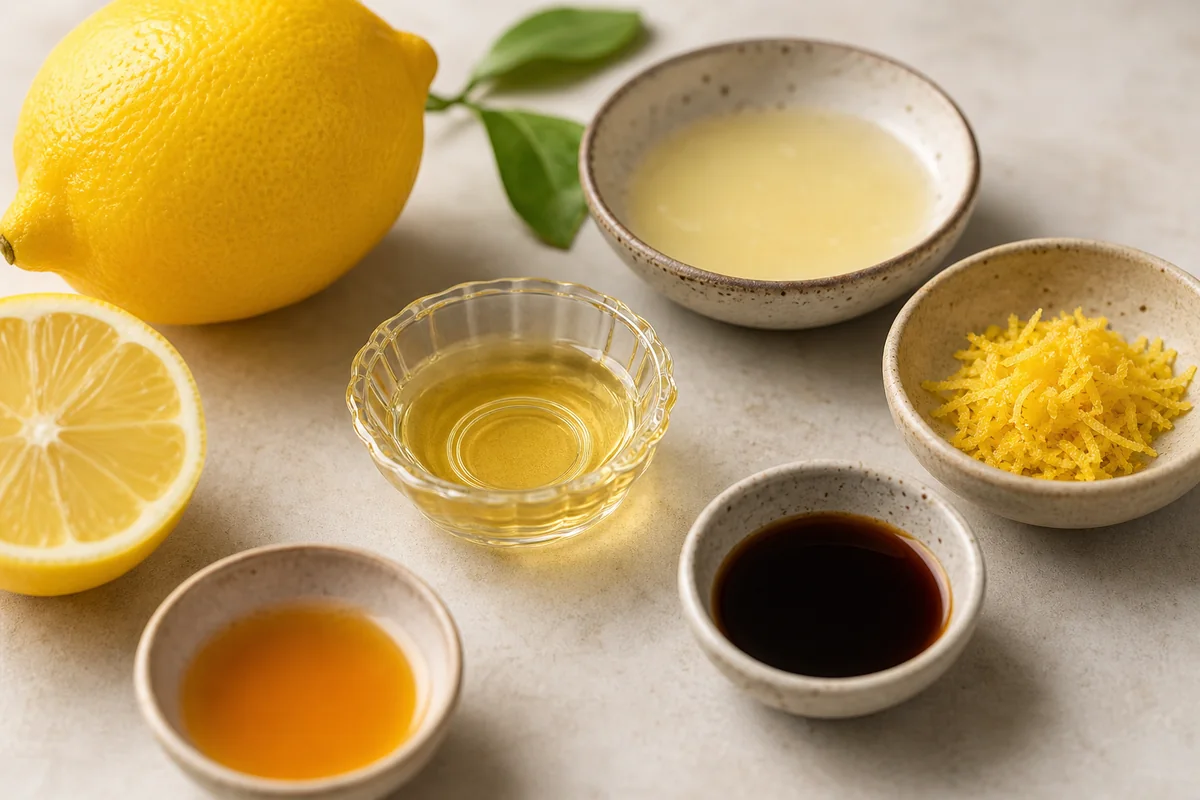
5 Best Lemon Extract Substitutes for Home Cooks
Ingredients
Equipment
Method
- Identify your recipe type: baking/cake frosting vs glaze/icing, because alcohol-based options evaporate differently than juice.
- Start with the table ratio for your chosen substitute (extract-like aroma first; pure tang last).
- Mix thoroughly: for zest-based swaps, stir and let sit 2–5 minutes; for oil/citric acid, dilute into a small amount of liquid or sugar first.
- Adjust in small steps: if the flavor is flat, add a pinch more zest or 1–2 teaspoons more lemon juice concentrate per batch; if too sharp, balance with a bit more sugar.
- Do a quick taste test of the liquid component (or batter before baking) so you can correct aroma/tang before it sets.
Notes
- Use food-grade lemon oil only; do not confuse it with skin essential oils.
- Alcohol-based substitutes work best when your recipe can tolerate a slight boozy note.
Tried this recipe?
Let us know how it was!
Carrie is a food writer and editor with more than 15 years of experience. She has worked for some of the biggest names in the food industry, including Bon Appétit, Food & Wine, and Martha Stewart Living.
As the Editor in Chief of EpicureDelight, Carrie oversees all of the content on the site. She also manages the team of contributing writers and editors, who help to create delicious recipes, helpful tips, and informative articles that you’ll find on the site.
A native of the Chicago area, Carrie is passionate about all things food. She loves trying new restaurants and experimenting with new recipes in her kitchen. She’s also a graduate of the Culinary Institute of America, so she knows a thing or two about food!



