
Pompano has a way of making simple cooking look impressive. The flesh is tender, the flake is generous, and the flavor sits right at that sweet spot between mild and interesting.
When you can't find it, the wrong swap can turn a quick weeknight sear into something dry and forgettable. A good pompano substitute keeps that same gentle, buttery character-and respects the short cook time the fish demands.
The fish market doesn't always cooperate. Pompano is seasonal and regional, so having a backup plan matters.
The best pompano substitutes are mild, quick-cooking white fish with a tender flake. Flounder is the closest match overall. Sea bass wins on buttery texture. Mahi-mahi and halibut work well for grilling and searing. Cod is the easiest to find in most stores.
5 Best Pompano Substitutes for Home Cooks
Each substitute below is rated for the method where it shines. The table uses a simple Best For column so you can match your recipe at a glance before reading the detail.
| # | Substitute | Best For | Ratio | Key Note |
|---|---|---|---|---|
| 1 | Flounder | Both | 1:1 | Closest tender flake |
| 2 | Sea Bass | Pan-sear / Roast | 1:1 | Buttery mouthfeel |
| 3 | Mahi-mahi | Grill / Sear | 1:1 | Slightly firmer flesh |
| 4 | Halibut | Bake / Sear | 1:1 | Use gentle heat |
| 5 | Cod | Both | 1:1 | Add extra fat |
1. Flounder
Flounder is the swap we reach for first. It shares pompano's mild, slightly sweet flavor and breaks into that same soft, layered flake when cooked right.
Buy skin-on if you can; the skin crisps quickly and helps hold the fillet together during a hot sear.
If you find yourself exploring flat fish options more broadly, flounder sits near the top of that list for a reason.
- Taste match: Mild and clean - almost no "fishy" aftertaste, same as pompano
- Best method: Quick pan-sear (2-3 min per side) or broil at high heat for 6-8 min total
- Doneness cue: Pull it when the flesh turns opaque at the thickest point and flakes with light fork pressure
Skip if: your flounder fillet is very thin (under ½ inch). It will overcook before you finish your first flip.
2. Sea Bass
Sea bass delivers a richness that most other white fish simply don't match. The flesh is a little denser than pompano but still yields that soft, buttery bite when you keep the heat medium-high and flip just once.
It's the pick when you want restaurant-quality results at home.
You can read more about its flavor profile through this look at this firm white flesh before you shop.
- Texture match: Slightly denser than pompano but with the same soft, yielding center
- Skin-on tip: Score the skin lightly and press the fillet flat for the first 30 seconds to prevent curling
- Fat guidance: A small pat of butter added off-heat bridges any richness gap between it and pompano
Skip if: your sea bass has been pre-seasoned or brined. The added salt pushes it away from pompano's clean, mild profile.
3. Mahi-mahi
Mahi-mahi is a solid grill and skillet fish, but it does cook a little differently than pompano. The flesh is firmer and slightly more steak-like, so it won't fall apart on a grill grate the way a thin flounder fillet might.
Mahi-mahi flavor notes are worth knowing before you swap, so check out mahi's flavor profile first.
Pompano vs. Mahi-mahi
Works for: grilling, high-heat searing, and any recipe where the fillet needs to hold its shape
Skip if: you dislike a slightly sweeter note or need a very delicate, soft flake
- Best method: Sear 3-4 min per side over medium-high; grill on oiled grates at the same timing
- Cook-time caution: Pull it 1 minute early - carryover heat finishes the center without drying it
- Keeping it tender: A drizzle of olive oil or a small knob of butter right after plating brings the texture closer to pompano's
4. Halibut
Halibut is the pick when you need a fillet that won't flake apart mid-cook. It's firm enough to handle a hot pan or a baking sheet without crumbling, and its flavor is mild enough that it won't overpower a delicate butter sauce.
The catch is that this dense white fish turns chalky fast if the heat is too high.
- Season lightly: Salt, pepper, and a thin coat of oil - halibut doesn't need more than that to taste great
- Best heat level: Medium rather than medium-high; lower than you'd use for flounder by about one burner notch
- Doneness cue: The center should feel just firm (not hard) when you press the thickest part with a finger
Skip if: your halibut portions are thin cuts rather than center-cut steaks. Thin pieces overcook before the exterior even colors properly.
5. Cod
Cod is the easiest pompano substitute to find, and it works well in most methods - but it needs a little help. It is leaner than pompano, so the flesh won't taste as naturally buttery without some added fat.
Get center-cut pieces; tail sections taper too thin and dry out faster. Proper storing white fish before cooking also keeps cod tasting clean rather than tired.
| Use | Ratio | Notes |
|---|---|---|
| Pan-sear | 1:1 | Brush fillet with 1 teaspoon oil; add butter in last 30 sec |
| Bake / Broil | 1:1 | Drizzle 1-2 teaspoon olive oil over top before cooking |
| Poach / Sauce | 1:1 | Finish with a light cream or butter pan sauce |
- Leanness fix: Brush both sides with oil before it hits the pan - not just the cooking surface
- Timing: Cook to just opaque throughout; remove from heat immediately to avoid carryover drying
Skip if: your recipe needs a naturally rich, buttery result without adding any extra fat. Cod alone won't get you there.
Making Pompano Substitutes Taste Like the Real Thing
The single biggest lever is thickness. Match your substitute fillet to the original pompano thickness as closely as possible, because cook time tracks directly with that number.
Lean swaps like cod and haddock need a surface fat boost - brush with oil or finish with a small pat of butter - and a moist pan sauce rescues any substitute that runs slightly dry. For haddock specifically, mild haddock flavor notes show why a light pan sauce pairs so well with it.
If you want to go further, swapping between bass-type fish opens up even more options when your market is short on stock.
- Match thickness first: Aim within ¼ inch of the original fillet - adjust cook time by 1 minute per ¼ inch difference
- Add fat for lean fish: Cod and haddock both need 1-2 teaspoon of oil or a finishing butter pat to mimic pompano's natural richness
- Check doneness visually: Pull the fillet the moment the center turns fully opaque and separates easily - fish continues cooking off heat
Pompano Substitute FAQs
Flounder is the closest match in both flavor and texture. It shares pompano's mild, slightly sweet profile and tender flake, and it cooks in nearly the same time.
Yes, but brush both sides with oil before the cod hits the pan. Cod is leaner than pompano and needs that surface fat to brown properly without sticking or drying out.
Pull the fish from heat the moment the center turns opaque, then finish with a pat of butter or a splash of white wine pan sauce. Carryover heat does the rest.
Sea bass and halibut both hold up well to oven heat. Sea bass stays buttery; halibut stays firm. Drizzle either with olive oil before it goes in.
The flesh turns fully opaque and separates into flakes with light fork pressure. If it resists or looks glassy in the center, give it 30 more seconds, then check again.
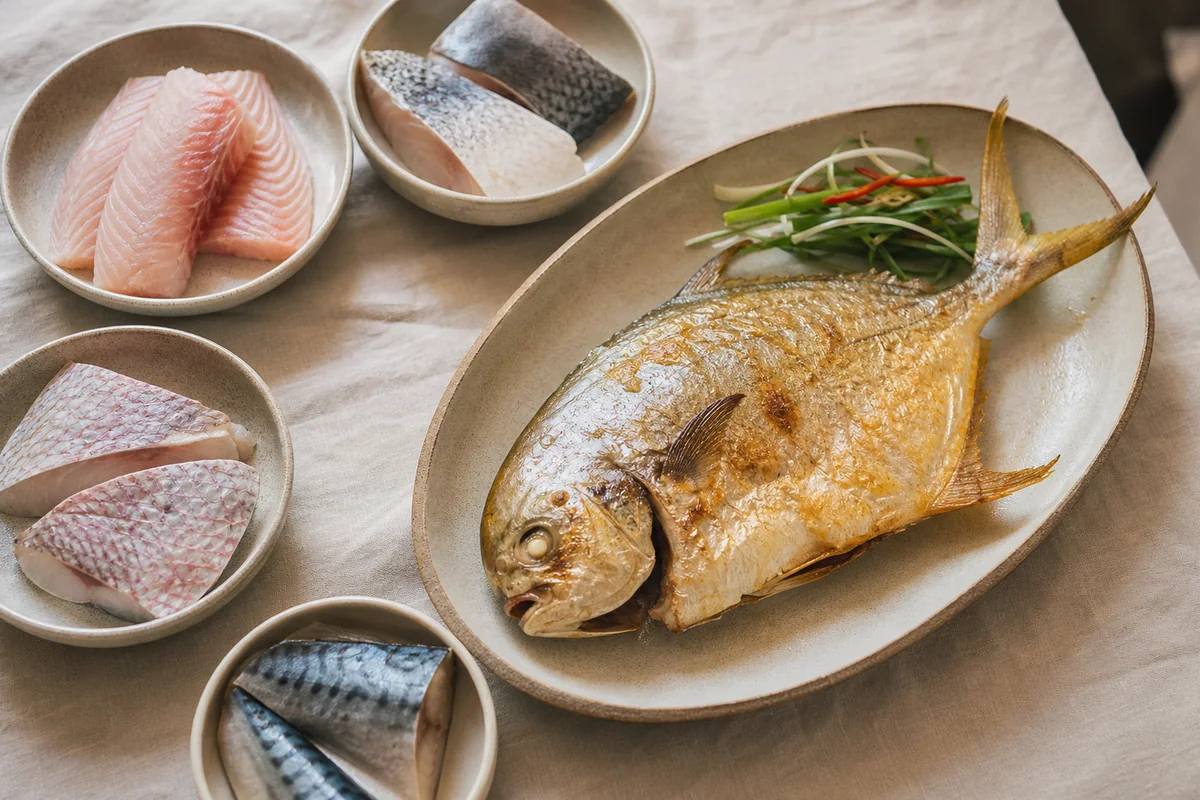
5 Best Pompano Substitutes for Home Cooks
Ingredients
Equipment
Method
- Match your recipe’s method first: choose a firm-and-mild fish for pan-searing; choose a tender flaker for baking or broiling.
- Use the 1:1 ratio by weight (or volume of fillet thickness). Keep fillets similarly thick so cook time stays close.
- Adjust for leanness: if your substitute is very lean (cod/haddock), brush with oil or add a finishing pat of butter.
- Cook by visual doneness: remove the fish when the center turns opaque and flakes easily with a fork—don’t wait for total dryness.
- Taste and rebalance: if the substitute feels bland, add a squeeze of citrus or a pinch of salt to bring out the mild sweetness.
Notes
- If your fillets are thinner than the original, start checking 1–2 minutes earlier.
- Skin-on fillets usually deliver the closest texture because they self-baste slightly while cooking.
Tried this recipe?
Let us know how it was!
Carrie is a food writer and editor with more than 15 years of experience. She has worked for some of the biggest names in the food industry, including Bon Appétit, Food & Wine, and Martha Stewart Living.
As the Editor in Chief of EpicureDelight, Carrie oversees all of the content on the site. She also manages the team of contributing writers and editors, who help to create delicious recipes, helpful tips, and informative articles that you’ll find on the site.
A native of the Chicago area, Carrie is passionate about all things food. She loves trying new restaurants and experimenting with new recipes in her kitchen. She’s also a graduate of the Culinary Institute of America, so she knows a thing or two about food!



