Have you ever seen a lima bean and wondered "What do lima beans taste like?"
If so, you've come to the right place! Lima beans are often seen as one of the more mysterious legumes out there.
They're not discussed as much as kidney beans, green peas, or chickpeas-but they can add an incredibly unique flavor that is universally loved by many.
So whether you're looking for some simple ideas on how to prepare them, want to understand what sets them apart from other legumes, or just curious about how they stack up flavor-wise against other popular options.
This guide will provide a comprehensive take on all things related to what lima beans taste like. Let's dive in!
What are Lima Beans?
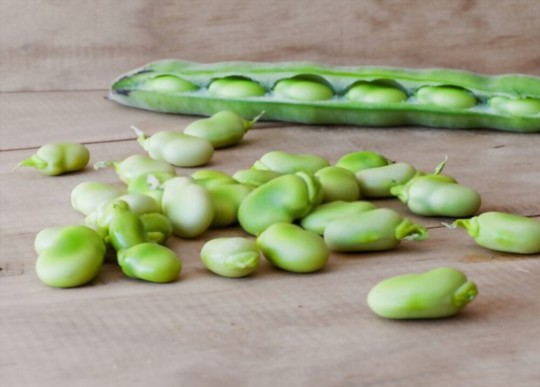
Lima beans are a type of legume that is commonly used as food.
They are also known as butter beans because of their texture and flavor, which is similar to butter.
These beans originated from Peru, where they have been cultivated for thousands of years.
Lima beans come in different varieties, with some having larger seeds than others.
They are often sold in their dried form and can be found in grocery stores or markets.
Lima beans are usually cooked before eating, although they can also be roasted or fried.
As mentioned earlier, Lima beans are a type of legume and belong to the same family as other common beans like kidney and navy.
They are rich in protein, fiber, vitamins, and minerals.
When consumed regularly, Lima beans can help promote heart health, manage blood sugar levels, and prevent constipation.
There are several ways to go about it.
The simplest method is to boil them until they become soft but not mushy.
They can then be added to soups or stews or mixed into salads.
What Do Lima Beans Taste Like?
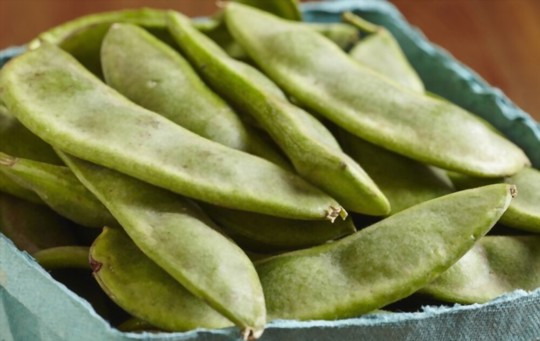
Lima beans are a type of legume that is commonly used in cooking.
But the question arises - what do Lima beans taste like? Well, when cooked, these beans have a creamy texture and a very mild, buttery flavor.
They also tend to absorb the flavors of any spices or seasonings that they are cooked with.
If you're looking for a more specific taste comparison, Lima beans are often compared to peas.
However, their texture is slightly firmer and chunkier than peas.
Additionally, some people describe Lima beans as having a slightly nutty taste.
The taste of Lima beans can differ depending on how they are prepared.
For example, if you cook them with strong-flavored ingredients such as garlic or onion, this can bring out their flavor even more.
On the other hand, if you cook them plain without adding any seasoning, they may seem relatively bland.
Another factor that can affect the taste of Lima beans is their freshness.
Dried Lima beans tend to have a stronger flavor than canned or frozen ones.
Additionally, younger Lima beans tend to be more tender and have a milder taste than older ones.
Factors that Affect the Taste of Lima Beans
The taste of Lima beans is dependent on several factors, such as the cooking method, seasoning, and other ingredients that are added to the dish.
The flavor can vary from slightly sweet and earthy to starchy and nutty depending on these factors.
- The cooking method can greatly impact the taste of Lima beans. Boiling them in seasoned water can give them a flavorful base, while roasting or grilling can add a smoky and charred taste. Cooking in stews and soups can also enhance its flavor.
- Seasoning plays an important role in improving the taste of Lima beans. Spices such as cumin, coriander, paprika or chili powder can improve their natural flavors. Using salt along with garlic or onion can make them more savory.
- What you add to your dish alongside your Lima beans also impacts their flavor. For example, Lima beans paired with tomatoes would have a fresh sweetness as tomatoes add sweetness to them while meats like ham or bacon would bring a salty umami flavor.
All these factors work together to create a delicious and enjoyable experience when consuming Lima beans.
So next time you're cooking up some Lima beans don't hesitate to experiment with different methods or seasonings.
Culinary Uses of Lima Beans
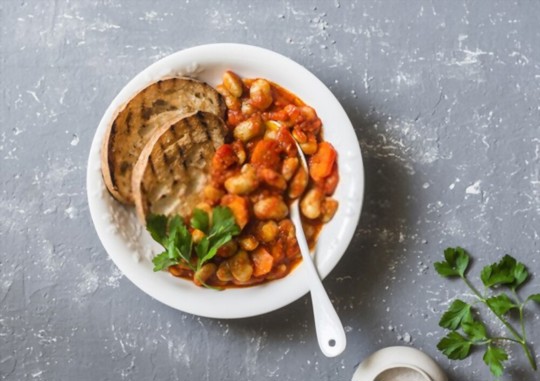
Lima beans are versatile legumes that can be used in various culinary ways.
Here are a few popular culinary uses of Lima Beans:
- Lima beans can be boiled, fried, sautéed, or roasted for use as a side dish or as a protein-rich addition to salads.
- They are used in soups and stews as they absorb flavors well and provide a smooth texture to the dish.
- Pureed lima beans can also be used as a dip for vegetables or as a spread for sandwiches.
- Lima beans can also be mashed with herbs and spices to make patties that serve as an excellent vegetarian option with burgers or sandwiches.
Apart from the above-mentioned uses, lima beans can also be used in casseroles and curries to add nutrition to the meal.
If you're using raw lima beans, it's essential to soak them overnight before cooking thoroughly until they become soft.
Lima bean pods can also be eaten at their immature stage and served by steaming or boiling.
Overall, there is no limit regarding how you incorporate lima beans into your diet.
Still, it's necessary to experiment with different recipes and find options that suit your palate.
In summary, Lima Beans have numerous culinary applications depending on personal preference.
Soak them beforehand if using raw ones and experiment with dishes that match your taste.
Nutritional Value of Lima Beans
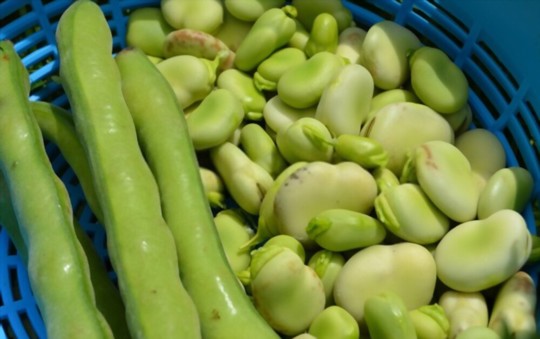
Lima beans are a nutrient-dense food that provides a variety of vitamins, minerals, and other beneficial nutrients.
They are low in fat and calories but high in fiber, protein, and complex carbohydrates.
Additionally, they contain antioxidants and other phytonutrients that have been shown to have anti-inflammatory properties.
To better understand the nutritional value of lima beans, let us look at its content per 100 grams.
As shown in the table below, 100g of cooked lima beans contains 21.46g of carbohydrates, including 7.52g of dietary fiber and only 0.38g of fat.
It also contains significant amounts of protein (7.8g) as well as micronutrients such as iron (2.48mg) and potassium (278mg).
The high fiber content found in lima beans can help promote digestive health by reducing constipation and other gastrointestinal problems.
Meanwhile, iron is essential for red blood cell production, while potassium helps maintain normal blood pressure levels by counteracting the effects of sodium.
Overall, incorporating lima beans into your diet can contribute to overall health and wellness.
Where to Buy Lima Beans and How to Store Them?
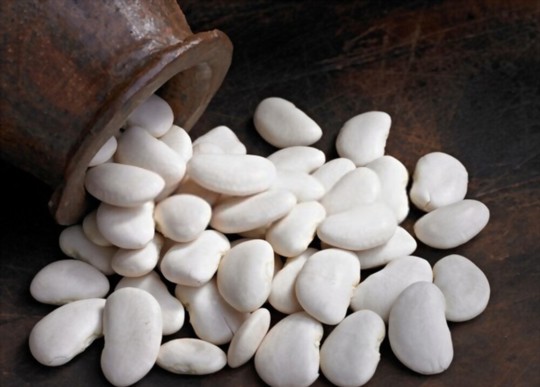
To store Lima Beans, you can purchase dried ones from a grocery store and store them in a dry, cool place like your pantry or cupboard.
Make sure to transfer the beans to an airtight container after opening the packet.
If stored properly, they can last for up to one year.
However, if you're not going to use them within six months of buying them, it's better to freeze them.
When selecting fresh Lima Beans make sure they appear fresh and intact.
They shouldn't be wrinkled, moldy or have any discoloration on their skin.
The best places to buy these beans are local farmers' markets or supermarkets with fresh produce sections.
Alternatively, you can also buy canned Lima Beans which can last for 2-3 years as long as they're stored in a cool and dry place.
You can easily find these in the canned food section of your local grocery store.
In case you're wondering where to find dried Lima Beans, you don't need to look further than your local grocery store.
Depending on which part of the world you are in, they may either be found in bags or sold loose by weight.
All in all, finding Lima Beans should not be too difficult - just head over to your nearest grocery store or farmers' market and ask around.
When stored correctly even dried lima beans will remain fresh for more than six months so take care when storing them- happy cooking.
Lima Beans Flavor Summary
Lima beans are a fantastic ingredient.
They can be used in various dishes from soups to salads, and they pack quite a nutritional punch, too.
Here, you learned what lima beans are and what they taste like.
Additionally, we went over where to buy lima beans and how to store them.
Finally, we hope that this article has given you valuable insights into what Lima beans are all about.
Try experimenting with different recipes featuring these nutritious legumes, we bet you won't be disappointed.
More From EpicureDelight
The Complete Food Flavor Guide - your complete resource for this topic.
Read all flavor guides →What Do Lima Beans is often compared to [a familiar ingredient], though it has its own distinct character. Cooking method makes a significant difference - roasting brings out sweetness, while raw preparations highlight a more [sharp/clean/grassy] note.
Absolutely. Grilling and roasting develop caramelized, smoky notes; boiling or steaming keeps the flavor cleaner and more subtle; raw preparations are the most pungent.
Significantly. Freshness, origin, and growing conditions all affect flavor intensity. Wild-caught or locally sourced options often have a more pronounced, complex taste than mass-produced alternatives.
The closest comparison is [familiar ingredient], but it has a more [complex/pronounced/subtle] flavor. Think of it as a more [refined/earthy/bright] version of something you already know.

Carrie is a food writer and editor with more than 15 years of experience. She has worked for some of the biggest names in the food industry, including Bon Appétit, Food & Wine, and Martha Stewart Living.
As the Editor in Chief of EpicureDelight, Carrie oversees all of the content on the site. She also manages the team of contributing writers and editors, who help to create delicious recipes, helpful tips, and informative articles that you’ll find on the site.
A native of the Chicago area, Carrie is passionate about all things food. She loves trying new restaurants and experimenting with new recipes in her kitchen. She’s also a graduate of the Culinary Institute of America, so she knows a thing or two about food!