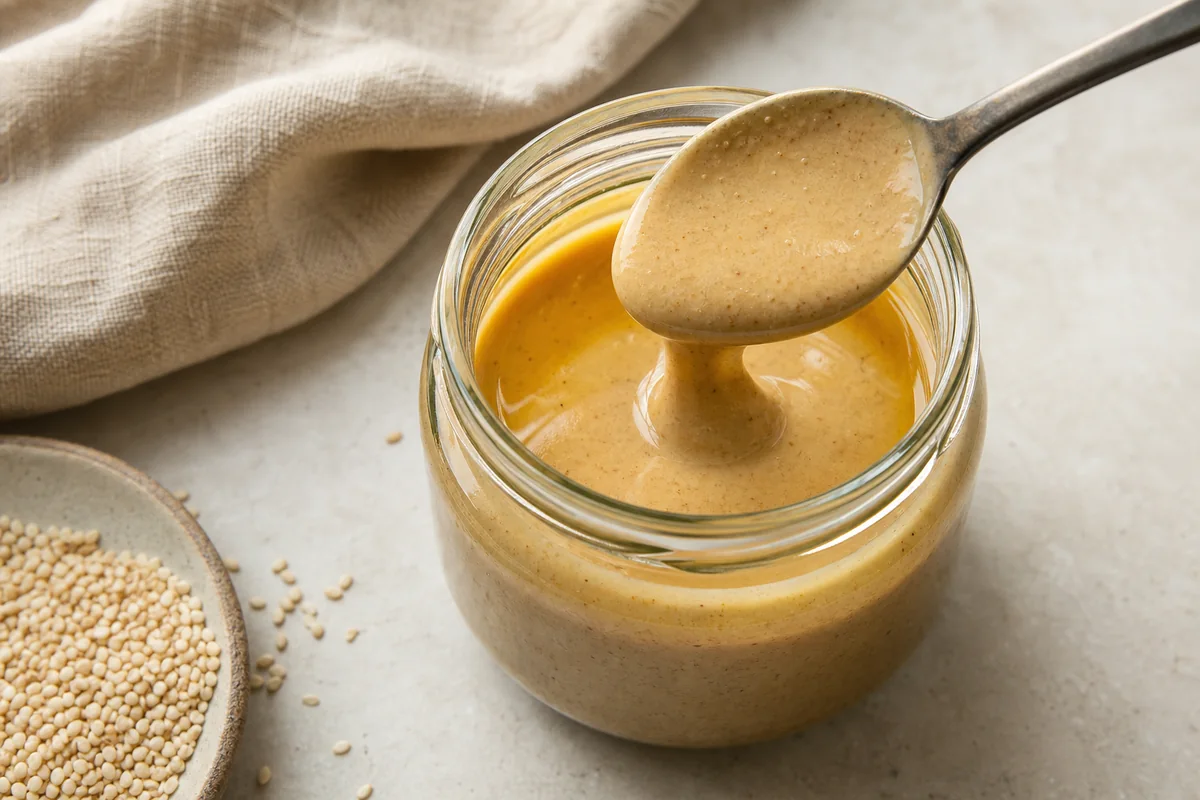
Chickpeas taste mild, starchy, and only faintly nutty. The closest reference is a firm cooked white bean rather than a nut, and there is very little sweetness or acidity in them.
That mildness is the whole point of how they get used. Texture and whatever you cook them with end up carrying most of the eating experience.

Chickpeas are mild and starchy with a faint nutty aroma. Form, skins, and cooking method change the result far more than the chickpea itself does.
Below is what actually moves the flavour, in the order that matters most. The last section is the fix if yours keep coming out bland.
What Do Chickpeas Taste Like?
Nutty is the word almost every description reaches for, and it oversells things. The nuttiness is real but faint, and it sits more in the aroma than on the tongue.
What you actually get is a soft starchy body with a clean, slightly earthy finish. It is closer to a cannellini bean than to anything from a nut jar.
The impression of nuttiness gets stronger when they are cooked dry rather than wet. That is a browning effect on the surface rather than something in the chickpea itself.
There is also almost nothing sharp in them. No sweetness, no acidity, no bitterness worth naming, which is why they sit so easily under stronger ingredients.
Do Canned and Dried Chickpeas Taste Different?
Recipes tend to treat these as interchangeable. They taste noticeably different straight from the pot or the tin.
| Form | Flavor | Texture | Best fit |
|---|---|---|---|
| Canned | Saltier, sometimes faintly tinned | Soft and even | Quick salads, soups, and weeknight meals |
| Home-cooked dried | Cleaner and easier to season from within | Firmer, with more control over doneness | Dishes where chickpeas carry the plate |
Rinsing canned chickpeas removes loose brine from the surface, so the first bite tastes less salty and less metallic. It does not change their soft center or remove seasoning that entered during canning.
Home-cooked chickpeas give you another control: the cooking broth. Aromatics in that water season the bean as it softens, while plain water keeps the result neutral for several meals.
Age matters with dried, and it is the usual reason a batch refuses to soften. Chickpeas that sat in a cupboard for a couple of years can stay firm and chalky through hours of simmering, no matter how long you soaked them.
You cannot see that from the outside. Buying from a shop with steady turnover does more for the result than any soaking trick.
Neither is wrong. Canned suits a quick salad or a weeknight stew, while dried is worth the time when the chickpea is the centre of the dish rather than an addition to it.
Why Can Chickpea Puree Taste Grainy?
Every chickpea has a thin papery skin that stays firmer than the center. You barely notice it in a stew or salad because the chickpeas remain whole and the skin only adds a little structure.
Blend them and it changes completely. Those skins break into small fragments that give the puree a grainy body, and that grain muffles the already mild flavour.
Slipping the skins off is tedious but it is the single change that makes a chickpea puree taste stronger rather than just smoother. The flavour is not increased, it simply reaches your palate more evenly.
Doneness matters too. A chickpea that still has a firm center breaks into dry crumbs under the blade.
A fully tender chickpea crushes into a creamy paste, so check the center before blaming every rough texture on the skins.
How Does Roasting Change the Taste of Chickpeas?
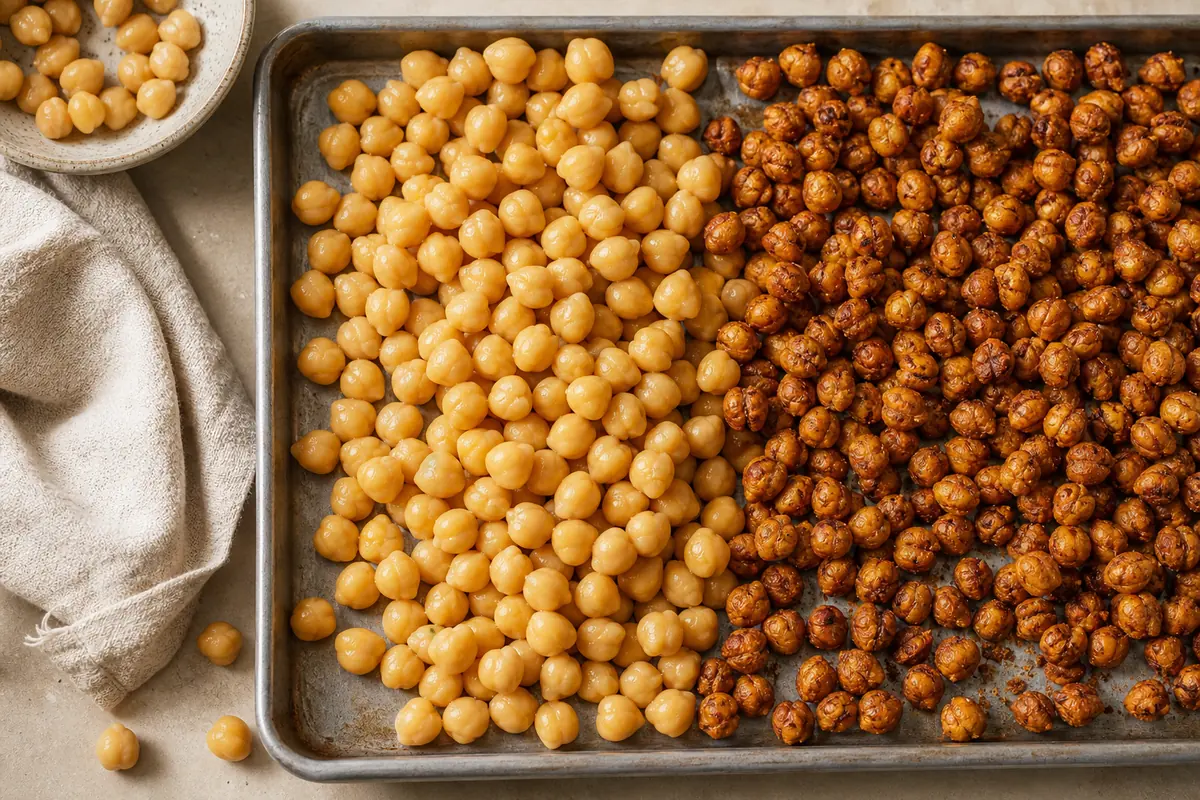
Dry heat is the biggest flavour change available to a chickpea, and it works in a different direction from boiling.
The outside browns and the surface starch concentrates, which gives a toasty flavour the boiled version never has. The beany quality drops away at the same time.
There is a limit worth knowing. Roast them too far and the interior turns chalky and dusty rather than creamy, which is a texture problem more than a flavour one.
They also do not stay crisp. Within a few hours of cooling they soften again, so the crunch is something to serve rather than something to store.
What Does Chickpea Cooking Liquid Taste Like?
Starch and some protein leach out of chickpeas into whatever they cook in. That liquid is not waste water, it is a thin chickpea broth.
Home-cooked liquid tastes cleaner and more distinctly beany, and it thickens a sauce without adding fat. It is the better of the two by a wide margin.
Reducing home-cooked liquid concentrates it further. Simmered down by half it turns into something closer to a light stock, and it carries far more chickpea character than the tinned version ever will.
Texture tells you how much to use. Thin liquid can loosen a puree without changing it much, while a thick chilled liquid adds a clearer bean note and more body.
Add the liquid in small amounts so the dish does not turn watery.
Either version does the same structural job. A spoonful stirred into a stew or a dressing gives body that would otherwise need oil or cream.
How Should You Season Chickpeas?
This is the part that explains bland chickpeas, and it is rarely a problem with the chickpea itself.
That starchy interior is absorbent, so it takes on fat, salt, and aromatics readily. Left plain it gives back very little, because there was not much there to begin with.
Timing matters more than quantity. Season them while they are still warm and the flavour travels into the interior, while the same seasoning added cold mostly sits on the outside.
Acid does more than extra salt at that point. A squeeze of lemon lifts the whole bowl in a way that another pinch of salt cannot.
Fat is the other carrier. Good olive oil and a little garlic both travel into the interior rather than sitting on the surface, which is why those two show up in nearly every chickpea dish worth eating.
Match the seasoning to the cooking method. Boiled chickpeas need enough salt and acid to wake up their mild center.
Roasted chickpeas already have toasted flavor, so strong spice can support that crust without asking the bean itself to carry the whole bite.
Sources
Frequently Asked Questions
Do chickpeas actually taste nutty?
Only faintly, and mostly in the aroma. The dominant note is mild and starchy, closer to a firm white bean.
Why do my chickpeas taste bland?
They were probably seasoned after cooling. Salt and fat travel into the interior while the chickpeas are still warm.
Do canned chickpeas taste different from dried?
Yes. Canned are softer and already salted, and they can carry a faint tinned note that dried chickpeas do not have.
Should I remove the skins?
Only when blending. Skins make a puree grainy, but in a stew or salad they are barely noticeable.
Can I use the liquid from the can?
Yes, and it thickens sauces well. Taste it first because it carries the canning salt, then reduce salt elsewhere.

Carrie is a food writer and editor with more than 15 years of experience. She has worked for some of the biggest names in the food industry, including Bon Appétit, Food & Wine, and Martha Stewart Living.
As the Editor in Chief of EpicureDelight, Carrie oversees all of the content on the site. She also manages the team of contributing writers and editors, who help to create delicious recipes, helpful tips, and informative articles that you’ll find on the site.
A native of the Chicago area, Carrie is passionate about all things food. She loves trying new restaurants and experimenting with new recipes in her kitchen. She’s also a graduate of the Culinary Institute of America, so she knows a thing or two about food!