
Chili oil is one of those pantry staples that quietly does a lot of heavy lifting.
A drizzle over dumplings, a spoonful stirred into noodles, a finishing touch on fried rice - it adds heat, depth, and a glossy richness that is hard to replicate with a single ingredient.
The good news is that several solid substitutes exist, each bringing something slightly different to the table.
Chili oil has roots in ancient China, with documented use stretching back over 13 centuries. It became especially prominent in Sichuan cooking, where bold heat and layered aromatics define the cuisine.
Today it shows up in ramen shops, Korean barbecue spreads, and modern Western pantries alike.
Running out mid-recipe is frustrating, and not every store stocks a quality version. Knowing your options means you never have to pause a meal for a last-minute grocery run.
You can also check out our guide on replacing chili garlic sauce for more heat-forward swap ideas.
The best chili oil substitutes are cayenne pepper, Sichuan sauce, sweet chili sauce, homemade chili oil, heated chilies in oil, dried peppers, and crushed red pepper flakes. Each delivers heat and flavor in slightly different ways, so choose based on your dish and the texture you need.
What is Chili Oil?
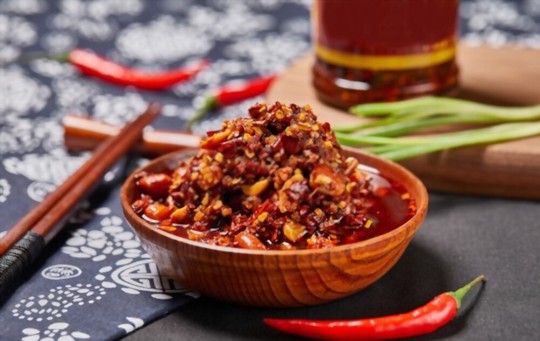
Chili oil is a neutral or sesame-based oil infused with dried chili peppers, and sometimes garlic, ginger, or Sichuan peppercorns. It is used across Chinese, Korean, and Southeast Asian cooking as both a cooking fat and a finishing condiment.
The flavor is pungent and fiery, with a hint of sweetness from the toasted peppers. The heat level shifts depending on which chili variety was used during infusion.
Its origins trace to ancient China, where early versions were used medicinally. It later became a cornerstone of Sichuan provincial cooking, where it appears in dishes like dan dan noodles and mapo tofu.
Today chili oil is sold in most supermarkets, though quality varies significantly between brands. Chili crisp - a textured version with fried garlic and shallots - has become popular in recent years as a more complex variation.
As a condiment, chili oil is drizzled directly over finished dishes. As a cooking ingredient, it goes into stir-fries, dumpling dipping sauces, soups, and recipes that call for whole red chilies but need an oil-based heat source instead.
Start with a small amount - about half a teaspoon - when using it as a condiment, then add more to taste. The heat builds slowly, and it is easy to over-drizzle.
7 Best Chili Oil Substitutes
1. Cayenne Pepper
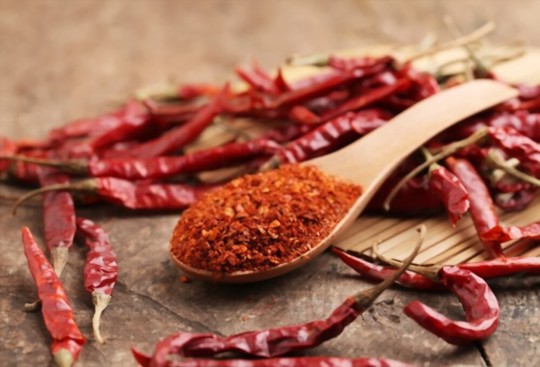
Cayenne pepper is ground from dried Capsicum annuum peppers and registers between 30,000 and 50,000 Scoville heat units - comparable to many commercial chili oils. It is the most accessible swap, available in every grocery store spice aisle.
The flavor is straightforwardly hot without the aromatic complexity of a full chili oil. It works well when your goal is adding heat rather than infusing a dish with layered flavor.
Use cayenne at a 1:1 ratio as a starting point. Because it is a dry spice going into a recipe that expects an oil, mix it with a neutral oil like canola or soybean oil first to approximate the texture of chili oil.
Reduce the amount if you are cooking for heat-sensitive guests. Cayenne has no built-in fat to soften its burn the way infused oil does.
Mix cayenne into a tablespoon of neutral oil before adding it to any dish. This distributes the heat evenly and prevents hot spots in the finished recipe.
2. Sichuan Sauce
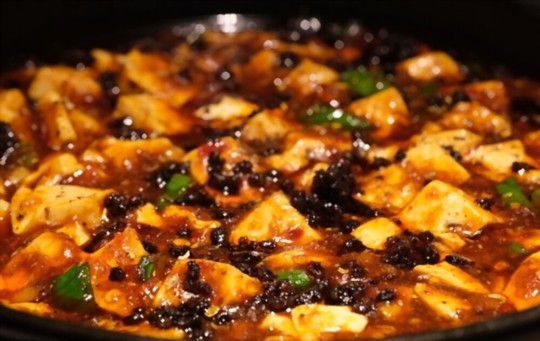
Sichuan sauce combines chili peppers, garlic, ginger, and Sichuan peppercorns - the dried berries that create the signature numbing tingle unique to this regional cuisine. The peppercorns contain hydroxy-alpha-sanshool, the compound responsible for that buzzing sensation on the lips and tongue.
It is thinner than chili oil and more savory, with a complex aromatic profile that plain chili oil does not always have. For stir-fries and noodle dishes, this extra depth is an advantage.
Substitute Sichuan sauce for chili oil at a 1:1 ratio. Because it contains more water than oil, it can thin out sauces slightly - reduce other liquid in the recipe by a small amount if needed.
This is not the best swap when you need chili oil purely as a cooking fat. Use it as a flavor-forward finishing sauce rather than a base oil.
3. Sweet Chili Sauce
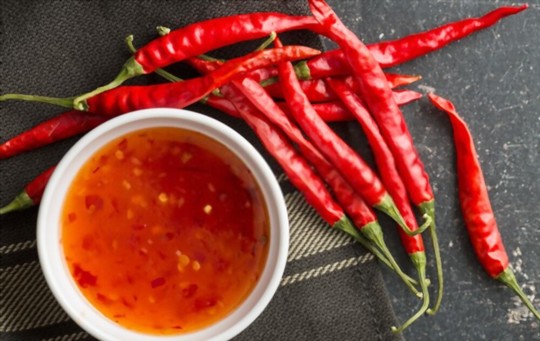
Sweet chili sauce is built from sugar, rice vinegar, and red chili peppers, giving it a sticky, jam-like consistency that is very different from the thin pour of chili oil. The heat is mild - most commercial versions sit below 1,000 Scoville units.
Where chili oil is savory and sharp, sweet chili sauce is tangy and mild. It works well as a substitute in dipping sauces, glazes, and marinades where a touch of sweetness is welcome.
Use it at a 1:1 ratio, then taste before adding more. If you need more heat, stir in a pinch of red pepper flakes.
If the dish reads too sweet, a splash of rice vinegar or a drop of soy sauce brings it back into balance.
For stir-fries, add it near the end of cooking. Its high sugar content means it scorches quickly over high heat.
4. Homemade Chili Oil
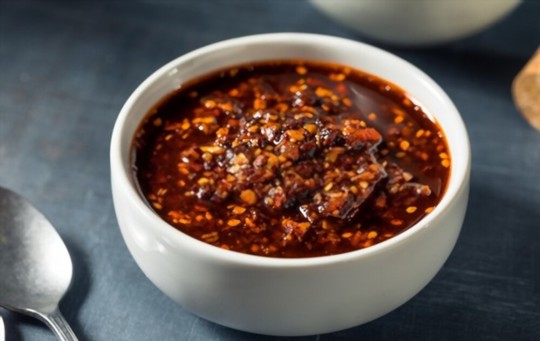
Making chili oil at home takes about 10 to 15 minutes and produces a result far closer to the real thing than any store-bought substitute.
The basic formula is simple: heat a neutral oil to around 300°F, pour it over dried chili flakes, and let the mixture steep.
Neutral oils like canola or avocado oil work well as the base. If you want a richer, nuttier result, you can find ideas for neutral oil alternatives that still carry heat well.
For added complexity, include a smashed garlic clove, a slice of fresh ginger, or a pinch of Sichuan peppercorns in the infusion. Remove the solids once the oil cools if you prefer a cleaner texture, or leave them in for a chili crisp-style result.
The homemade version stores in a sealed jar at room temperature for up to one month. Understanding how long infused oils stay fresh helps you avoid using a batch that has gone stale.
Do not heat the oil above 350°F before pouring it over dried chilies. Oil that is too hot will scorch the flakes instantly, turning the oil bitter and dark instead of fragrant and red.
5. Heat Chilies in Oil
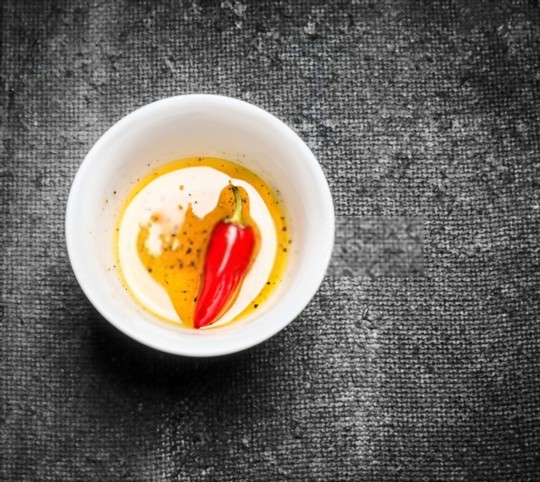
This method is a quick, stovetop version of homemade chili oil that skips the steeping step. Add fresh or dried chilies to room-temperature oil in a cold pan, then heat them together slowly over medium-low heat for 5 to 8 minutes.
Starting with cold oil and heating gradually draws the chili flavor into the fat more evenly than pouring hot oil over flakes. The result is a fragrant, deeply red oil with slightly softer heat.
Add garlic, ginger, or sliced onion to the pan alongside the chilies for a more aromatic final product. Remove from heat before any ingredient begins to brown past golden.
This approach is especially useful when you want to build chili oil directly into a dish rather than making a separate condiment. Strain the solids out and use the oil as you would any store-bought version, at a 1:1 ratio.
6. Dried Peppers
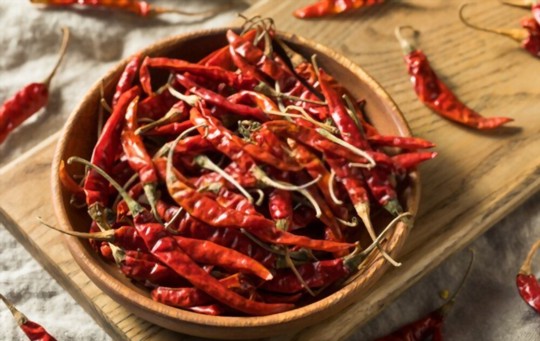
Dried peppers - including anchos, chipotles, guajillos, or dried Thai bird chilies - deliver concentrated chili flavor without any oil base. Chipotle peppers add a smoky dimension that works particularly well in soups, braises, and grain bowls.
Rehydrate dried peppers by soaking them in warm water for 30 to 60 minutes until pliable. Drain, chop or blend, and use in place of chili oil wherever depth of flavor matters more than a pourable texture.
To make a loose oil from dried peppers, soak them in olive oil instead of water for one to two hours. Strain the peppers out and use the infused oil directly, or blend everything together for a thick, spreadable paste.
Dried peppers also make a good base for homemade harissa. Harissa - a North African chili paste made from rehydrated dried peppers, cumin, coriander, and olive oil - is itself an excellent chili oil substitute in dressings and roasted vegetable dishes.
You can also look at ways to adjust sauce consistency when your pepper-based substitute comes out thicker than expected.
7. Crushed Red Peppers
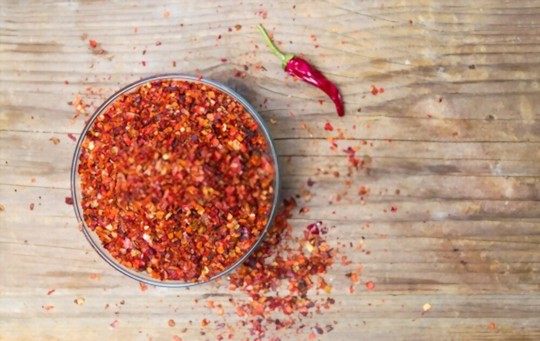
Crushed red pepper flakes are made from dried cayenne-type peppers and register around 30,000 Scoville units, putting them in the same heat tier as most mid-level chili oils. They are dry, however, so they do not replicate the oil component on their own.
Use half a teaspoon of crushed red pepper flakes for every tablespoon of chili oil called for in a recipe. Stir them into a small amount of neutral oil first to create a rough approximation of the original.
In pasta, pizza, and soups, crushed red pepper flakes work well added directly without any oil mixing. The fat already present in the dish carries the heat through.
For fried rice and noodle dishes, toast the flakes in the cooking oil for 30 seconds before adding other ingredients. This blooms the dried pepper, releasing more color and aroma than raw flakes would provide.
For additional ideas on pepper-based swaps, our guide on ingredient flexibility in recipes covers how texture changes affect final dishes.
Effective Chili Oil Replacement Options
Every substitute above addresses a slightly different need. Cayenne and crushed red pepper handle raw heat.
Sichuan sauce and sweet chili sauce bring flavor complexity. Homemade versions - whether steeped or stovetop - get you closest to the real thing in both taste and texture.
The right swap depends on your dish. A dipping sauce tolerates sweet chili sauce easily.
A bowl of fat-forward noodles needs an oil-based option to carry heat evenly. Knowing which direction to go saves a dish rather than changing it entirely.
Chili oil is versatile, and fortunately, the substitutes for it are too. Keep cayenne pepper, crushed red pepper flakes, and dried chilies stocked, and you will almost always have what you need to approximate the heat and character of a good chili oil.
More From EpicureDelight
The Complete Ingredient Substitutes Guide - your complete resource for this topic.
Frequently Asked Questions
What is the difference between chili oil and chili paste?
Chili oil is fat-based and pourable, while chili paste - like gochujang or sambal oelek - is thick and water-based. Chili paste delivers more concentrated flavor per teaspoon but does not add the oily texture chili oil provides.
What substitutes best mimic the heat of chili oil in fried rice or noodles?
Crushed red pepper flakes toasted in neutral oil for 30 seconds most closely replicate chili oil's heat in fried rice and noodles, delivering around 30,000 Scoville units with a similar oil-based texture.
Can I substitute chili oil in sauces or dressings?
Yes. Sweet chili sauce or a mix of cayenne and sesame oil works well in dressings and dipping sauces. Use half a teaspoon of cayenne per tablespoon of chili oil as a starting point.
What can I use instead of chili oil in baking?
Cayenne pepper mixed into a neutral oil is the cleanest swap for baking, since it adds heat without altering moisture balance. Start with one-quarter teaspoon per tablespoon of chili oil called for.
How do I adjust salt when using chili oil substitutes?
Sichuan sauce and sweet chili sauce both contain sodium, so reduce added salt by about one-quarter teaspoon per tablespoon of substitute used to avoid over-seasoning the finished dish.
Save This for Later
Pin this savory tweaks: 7 best chili oil substitutes guide so you always have it when you need it.

Carrie is a food writer and editor with more than 15 years of experience. She has worked for some of the biggest names in the food industry, including Bon Appétit, Food & Wine, and Martha Stewart Living.
As the Editor in Chief of EpicureDelight, Carrie oversees all of the content on the site. She also manages the team of contributing writers and editors, who help to create delicious recipes, helpful tips, and informative articles that you’ll find on the site.
A native of the Chicago area, Carrie is passionate about all things food. She loves trying new restaurants and experimenting with new recipes in her kitchen. She’s also a graduate of the Culinary Institute of America, so she knows a thing or two about food!



