
Soybean oil is one of the most widely used cooking oils in American homes and commercial food production. It has a genuinely neutral flavor and a refined smoke point of around 450°F (232°C), which makes it reliable for everything from stir-fries to boxed cake mixes.

Its fat profile leans toward polyunsaturated fats, with a monounsaturated to polyunsaturated ratio of roughly 23:57, making it a go-to for high-heat and everyday cooking alike.
Running out mid-recipe is frustrating. So is discovering a soy allergy in your household, or simply wanting to branch out from processed seed oils.
The good news is that swapping soybean oil does not require rebuilding a recipe from scratch. Most substitutes work at a 1:1 ratio, and flavor or texture differences are minor in savory dishes.
Baking is where you need to pay closer attention, since fat composition can affect crumb structure and moisture.
If you regularly swap specialty oils, you may also find our guide on linseed oil substitutes useful for understanding how fat profiles shift between oil types.
This guide covers five solid options: canola, light olive, sunflower, avocado, and grapeseed oil, each with a ratio, a smoke point, and clear notes on where it works best.
The five best substitutes for soybean oil are canola oil, light olive oil, sunflower oil, avocado oil, and grapeseed oil. All work at a 1:1 ratio in most recipes. Choose based on smoke point needs, flavor sensitivity, and whether you are baking or cooking savory dishes.
Soybean Oil Substitutes in Detail
Before choosing a substitute, it helps to see all five options side by side. Each one listed below swaps in at a 1:1 ratio for standard cooking and baking, with only minor adjustments needed in edge cases.
The table below gives you the critical decision points fast so you can get back to cooking.
Canola, light olive, sunflower, avocado, and grapeseed are the most practical and widely available options. All five are neutral enough to work across a broad range of recipes, though each has a distinct strength and a tradeoff worth knowing.
| # | Substitute | Ratio | Best For | Taste Match |
|---|---|---|---|---|
| 1 | Canola Oil | 1:1 | Sautéing, dressings, light baking | Close |
| 2 | Light Olive Oil | 1:1 | Dressings, low-heat cooking, baking | Mild |
| 3 | Sunflower Oil | 1:1 | Baked goods, high-heat roasting | Close |
| 4 | Avocado Oil | 1:1 | High-heat searing, roasting | Mild |
| 5 | Grapeseed Oil | 1:1 | Emulsions, baking, light sauces | Close |
Use 1:1 substitutions when the recipe tolerates minor flavor changes. In delicate baked goods, stick with sunflower or grapeseed for the closest neutral result.
Save This for Later
Pin this savory tweaks: 5 best soybean oil substitutes guide so you always have it when you need it.
Pin This GuideEach substitute below gets its own breakdown covering ratio, smoke point, flavor impact, and the cooking contexts where it performs best. Read the entry that matches your recipe type to make the right call.
1. Canola Oil
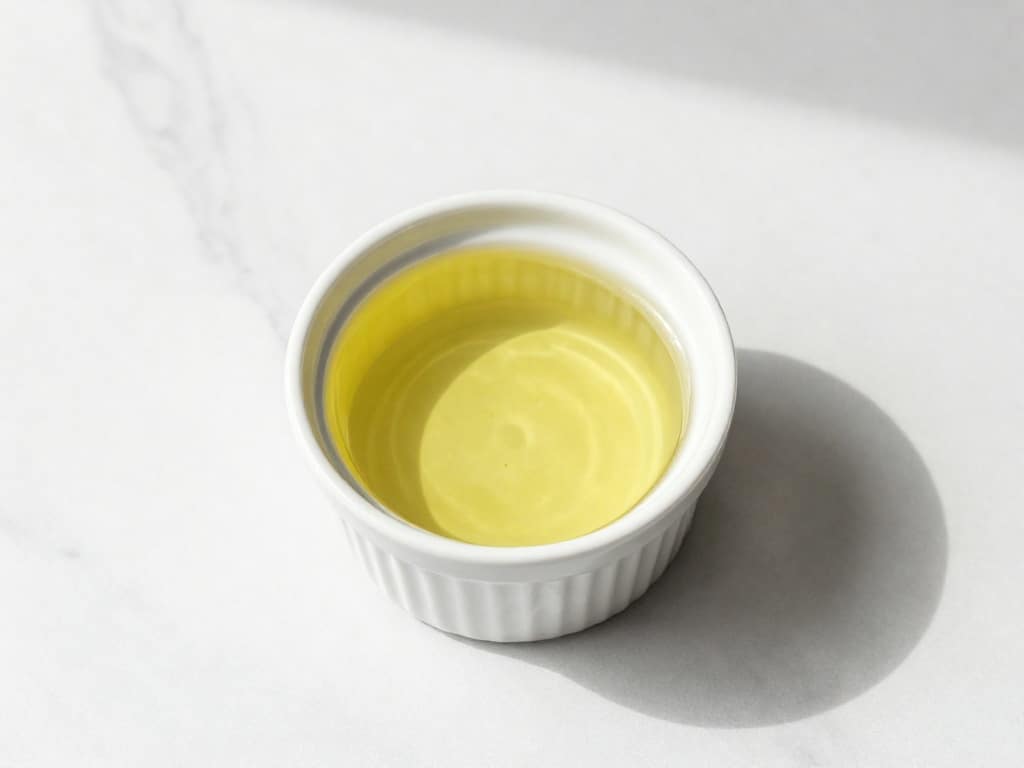
Canola oil is the closest all-around match for soybean oil. Use it at a 1:1 ratio across nearly every recipe type, from stovetop sautés to vinaigrettes to muffins.
It has a very neutral flavor that most tasters cannot detect in finished dishes.
Its smoke point sits at roughly 400°F (204°C) for refined canola, which is slightly lower than refined soybean oil's 450°F.
That difference matters for high-heat searing or deep-frying, but it is perfectly fine for most everyday cooking, including roasting vegetables at 375°F or pan-frying at medium heat.
Canola oil is also one of the most affordable options on this list, and it is available in every grocery store.
For baking, it performs almost identically to soybean oil: it produces a moist crumb, does not interfere with flavor, and handles the fat role in quick breads, cakes, and cookies without issue.
- Ratio: 1:1 for all uses, no adjustment needed.
- Flavor impact: Essentially neutral; no detectable difference in savory or sweet recipes.
- Smoke point: ~400°F (204°C), reliable for medium to medium-high heat.
- Best for: Everyday sautéing, salad dressings, quick breads, and light baking.
- Tradeoff: Slightly lower smoke point than soybean oil; not ideal for very high-heat deep-frying.
If you are interested in comparing how other neutral oils perform across different contexts, our breakdown of olive oil substitutes covers similar smoke point and flavor considerations.
Canola oil is the best all-around swap with minimal flavor change. If you need a single go-to replacement for soybean oil in everyday cooking and baking, this is it.
2. Light Olive Oil
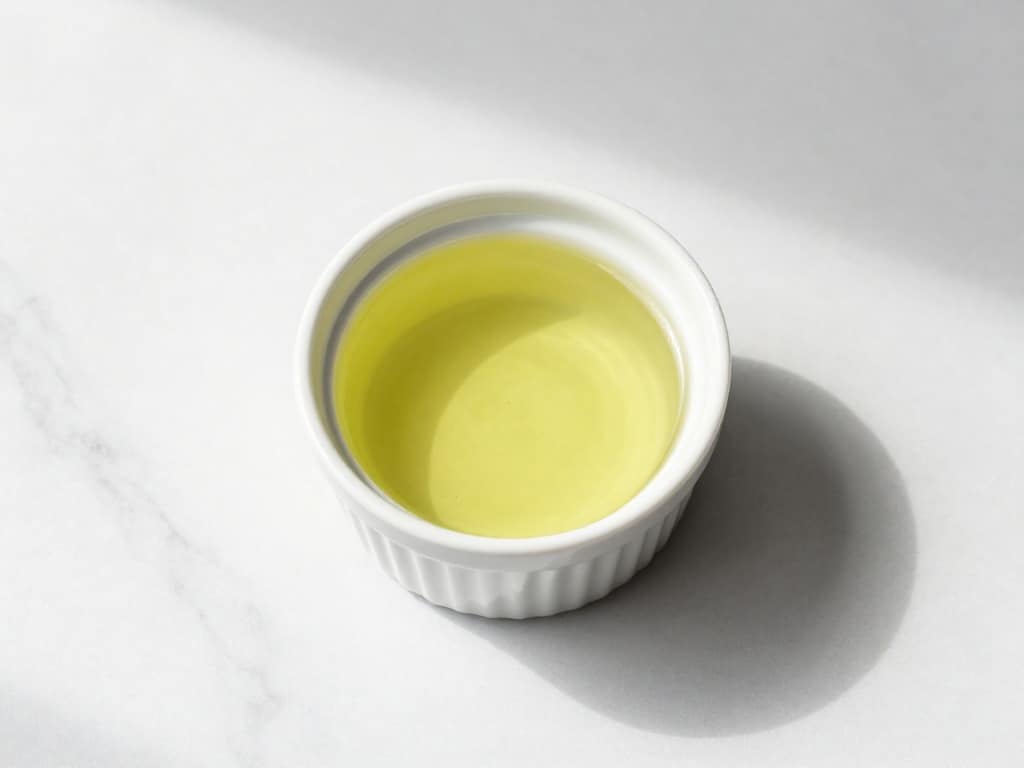
Light olive oil is not low-calorie. The word "light" refers to its lighter flavor compared to extra-virgin varieties, which can taste grassy or peppery.
Refined light olive oil has a genuinely mild, slightly fruity character that blends into most dishes without dominating.
Use it at a 1:1 ratio for soybean oil. Its smoke point reaches roughly 465°F (240°C) for refined versions, which actually exceeds soybean oil and makes it capable of handling higher cooking temperatures than most people expect from olive oil.
That said, its subtle fruitiness does come through in delicate baked goods like vanilla sponge cakes, so it works better in recipes where a hint of richness is welcome.
Light olive oil is an excellent pick for salad dressings, marinades, and low-heat cooking tasks like sweating onions or finishing a sauce. In baking, it performs well in olive oil cakes, banana bread, and savory quick breads where the mild flavor complements rather than clashes.
- Ratio: 1:1 for cooking and most baking applications.
- Flavor impact: Very mild fruitiness; noticeable only in very delicate sweets.
- Smoke point: ~465°F (240°C), higher than soybean oil when refined.
- Best for: Dressings, low-heat sautés, marinades, and savory baked goods.
- Tradeoff: Fruity undertone can alter flavor in neutral or subtly flavored desserts.
Readers who enjoy cooking with distinctive oils may also want to check our notes on truffle oil substitutes, where flavor matching is an even bigger factor in the swap decision.
Light olive oil is ideal when you want a touch of fruitiness without overpowering the dish. It is a refined, versatile swap that handles both cooking and baking with ease.
3. Sunflower Oil
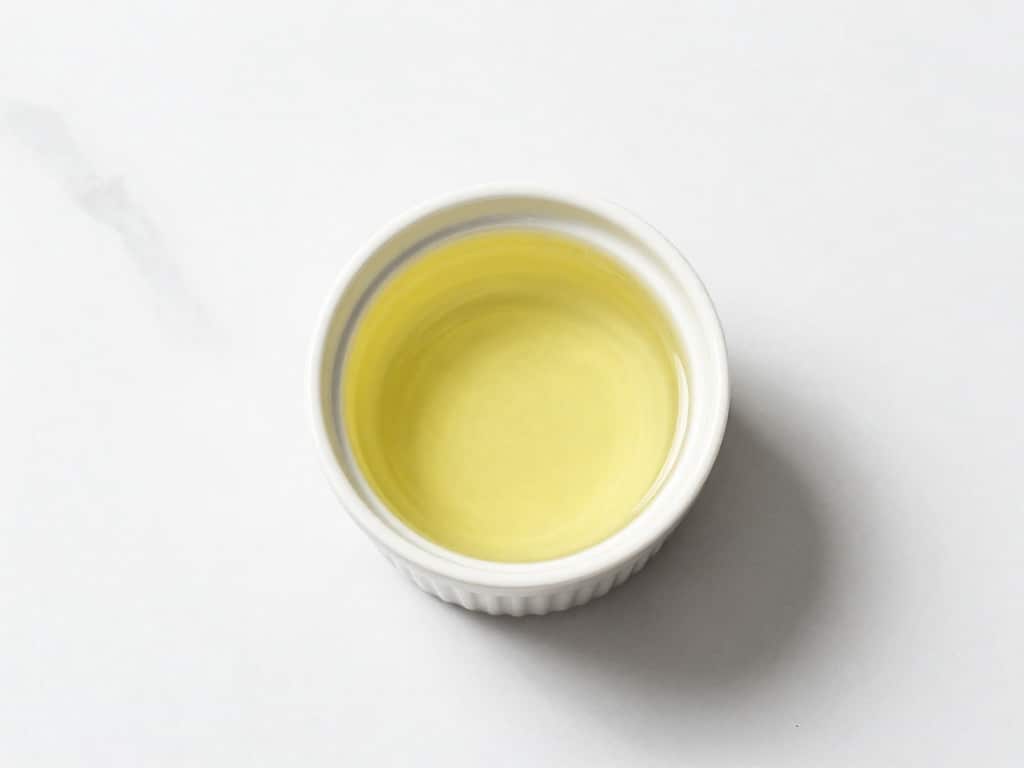
Sunflower oil is high in polyunsaturated fats, particularly linoleic acid, which gives it a light, clean texture in both baked and cooked dishes.
It has a neutral flavor that is nearly identical to soybean oil on the palate, making it one of the least disruptive swaps on this list.
Its smoke point is approximately 450°F (232°C) for refined sunflower oil, matching soybean oil almost exactly. That makes it reliable for the same range of tasks: stir-frying, roasting at high temperatures, deep-frying, and baking.
Use it at a 1:1 ratio without any adjustment.
In baked goods specifically, sunflower oil produces a moist, tender crumb and does not add any competing flavor. It is particularly well suited to recipes like carrot cake, banana bread, and boxed mix upgrades where the fat needs to stay in the background.
For high-heat roasting, it holds up well without burning or smoking prematurely.
- Ratio: 1:1 across all uses.
- Flavor impact: Essentially neutral; nearly indistinguishable from soybean oil.
- Smoke point: ~450°F (232°C), matching soybean oil closely.
- Best for: Baked goods, high-heat roasting, stir-frying, and deep-frying.
- Tradeoff: High in omega-6 fatty acids; less balanced fat profile than avocado or canola.
For other seed-derived oil swaps worth knowing, our guide on pumpkin seed oil substitutes covers a similarly distinctive fat with its own swap considerations.
Sunflower oil is excellent for baking where a neutral profile is desired. Its matching smoke point also makes it a dependable replacement for high-heat savory cooking.
4. Avocado Oil
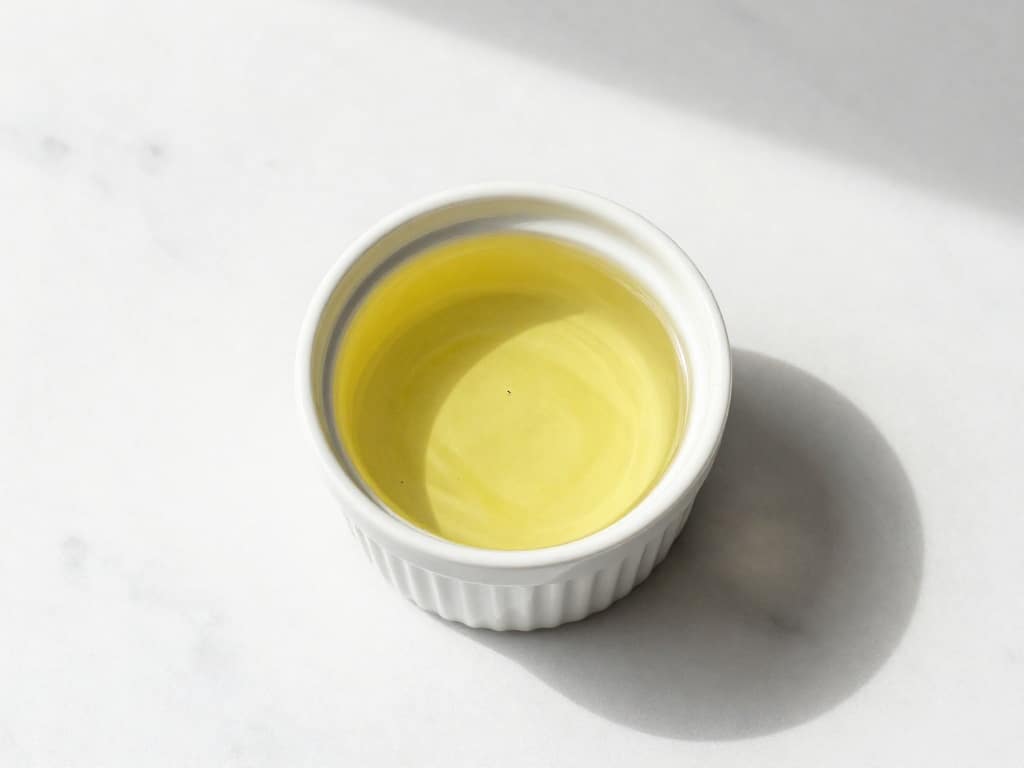
Avocado oil has a mild, slightly buttery flavor that is present but not distracting. In high-heat applications, that mellow richness adds a subtle depth to seared proteins and roasted vegetables.
Use it at a 1:1 ratio for soybean oil in virtually any savory context.
What sets avocado oil apart is its smoke point of around 520°F (271°C), which is one of the highest among commonly available cooking oils.
That headroom makes it the clear top pick for deep-frying, hard searing, and wok cooking, where temperatures climb fast and a lower-smoke-point oil would break down and turn acrid.
In baked goods, avocado oil adds a very light richness that works well in dense recipes like chocolate cake, zucchini bread, or brownies. For delicate items like angel food cake or lemon sponge, the buttery undertone can be slightly noticeable, so sunflower or grapeseed is a better fit there.
Avocado oil also costs more than the other four substitutes, which is worth factoring in for large-batch cooking.
- Ratio: 1:1 for all cooking and most baking.
- Flavor impact: Mildly buttery; noticeable in very delicate baked goods.
- Smoke point: ~520°F (271°C), the highest on this list.
- Best for: High-heat searing, deep-frying, roasting, and rich baked goods.
- Tradeoff: Higher cost; mild flavor may show up in subtle, delicate desserts.
If you enjoy cooking with bold or distinctive oils and want to understand their substitution logic, our guide on hazelnut oil substitutes walks through flavor-driven swapping in detail.
Avocado oil is the top pick for high-heat tasks with a smooth mouthfeel. Its 520°F smoke point gives you the most margin for searing and frying without oil breakdown.
5. Grapeseed Oil
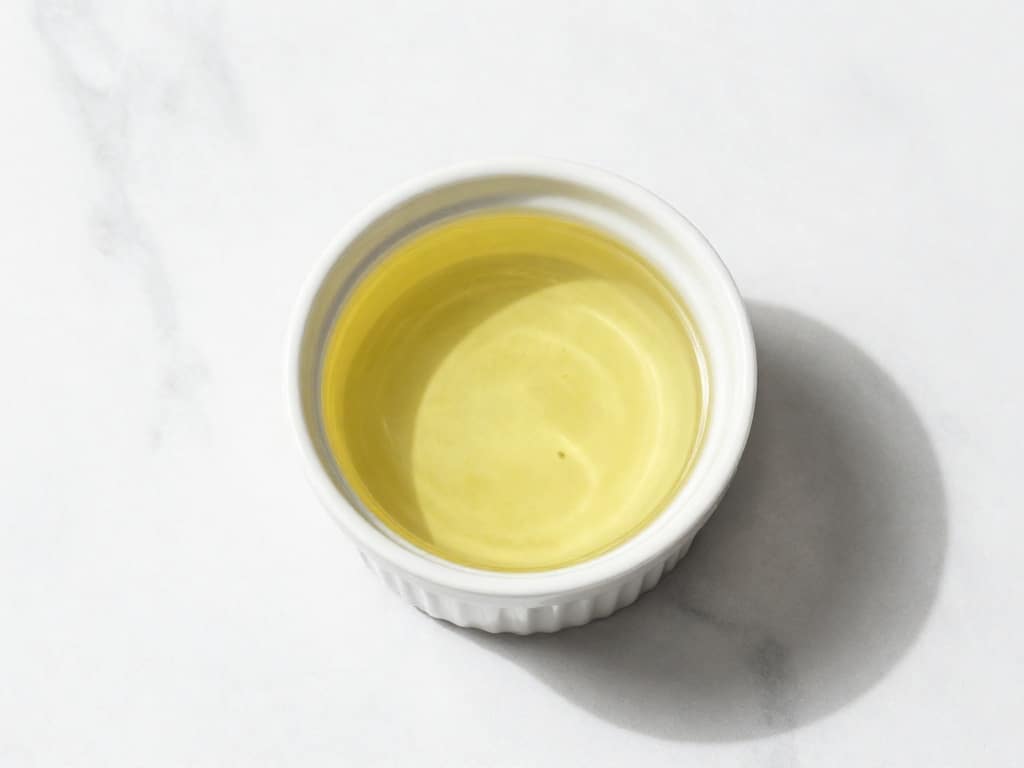
Grapeseed oil is a byproduct of wine production and is widely used in emulsions due to its light, clean texture that does not compete with other flavors.
It has a very faint, almost imperceptible taste that makes it one of the most neutral options on this list.
Its smoke point is approximately 420°F (216°C), which sits between canola and sunflower. That range is solid for most stovetop cooking, oven roasting up to 400°F, and all baking tasks.
Use it at a 1:1 ratio. In emulsified preparations like vinaigrettes, aioli, and mayonnaise, grapeseed oil's light texture prevents the dressing from becoming heavy or overly rich.
In baked goods, it behaves similarly to canola and sunflower: it produces a tender crumb without interfering with flavors. It is especially well suited to delicate batters like chiffon cake, crepes, or light muffins where a truly neutral fat keeps the recipe clean.
Grapeseed oil tends to cost a bit more than canola, and it is worth storing in the refrigerator after opening, as its high polyunsaturated fat content makes it more prone to oxidation than oils higher in monounsaturated fats.
- Ratio: 1:1 for all cooking and baking.
- Flavor impact: Nearly tasteless; extremely neutral across applications.
- Smoke point: ~420°F (216°C), suitable for most cooking tasks.
- Best for: Emulsions, delicate batters, light sauces, and baking.
- Tradeoff: Shorter shelf life once opened; store refrigerated to prevent rancidity.
For other oil substitutes that involve flavor-sensitive decisions, our articles on sesame oil substitutes and annatto oil substitutes cover swaps where flavor matching is the primary challenge.
Grapeseed oil is great for delicate batters and dressings where neutrality is key. Its clean profile and light body make it the most unobtrusive swap on this list.
How to Choose the Right Substitute?
The right pick depends on three factors: what you are cooking, how much heat is involved, and how sensitive the dish is to added flavor. For most savory cooking, any of the five options works at a 1:1 ratio.
Baking narrows the field slightly because fat composition affects moisture and crumb texture more than it does in a pan sauce or a stir-fry.
Use this quick decision logic to land on the right oil fast:
- High-heat frying or searing: Avocado oil at 520°F is the safest pick. Sunflower at 450°F is the budget-friendly alternative.
- Neutral baking: Sunflower or grapeseed keeps flavors clean. Both produce a moist crumb without adding taste.
- Everyday sautéing or dressings: Canola is the easiest, cheapest, and most available option.
- Low-heat cooking with a flavor bonus: Light olive oil adds mild fruitiness that enhances vinaigrettes and roasted vegetables.
- Emulsions and delicate sauces: Grapeseed oil's light body prevents heaviness and blends cleanly.
Most substitutes work at 1:1 for standard recipes. Consider a slight reduction to 0.8:1 only when using a strongly flavored oil in a delicate sweet bake, or a small increase when a recipe relies on fat for moisture and you need a bit more body.
For recipes involving other specialty oils, our guide on mustard oil substitutes is a good reference for understanding how strong-flavored oils require more deliberate ratio adjustments.
If baking with delicate flavors, avoid avocado oil in subtle cakes. Its mild buttery note can subtly shift the finished flavor in ways that do not suit neutral or citrus-forward recipes.
Frequently Asked Questions
Can I substitute oil 1:1 in all baking recipes?
In most baking recipes, yes. The 1:1 ratio holds for cakes, muffins, and quick breads. Adjust to 0.8:1 only when swapping a stronger-flavored oil into a very delicate batter.
Will these substitutes alter texture in baked goods?
Minimally. Canola, sunflower, and grapeseed produce near-identical crumb texture. Avocado oil adds a slightly richer, denser crumb due to its higher monounsaturated fat content.
Are there allergens among these substitutes to consider?
Refined oils rarely carry protein allergens, however those with tree-nut sensitivities should confirm that avocado oil is safe for their specific allergy profile before using it.
Which substitute is best for deep-frying?
Avocado oil at 520°F (271°C) is the top pick. Sunflower oil at 450°F is a practical, lower-cost alternative that performs reliably for home deep-frying.
Do I need to adjust seasoning when using a substitute?
Usually not. Canola, sunflower, and grapeseed are flavor-neutral. Light olive oil may add mild fruitiness, so taste before adding extra salt or acid to your dish.
Savory Tweaks: 5 BEST Soybean Oil Substitutes
Ingredients
Method
- Choose your substitute based on the dish type and desired flavor match.
- Prepare the substitute as directed: adjust ratios and prep as noted for each option.
- Apply the substitution ratio carefully. Start with the stated amount and adjust to taste.
- Taste and adjust seasoning. Some substitutes shift flavor or texture slightly.
Notes
- Most substitutes work at a 1:1 ratio. Only reduce to 0.8:1 in very delicate baked goods when using a flavored oil like light olive oil.
- Store grapeseed oil in the refrigerator after opening to prevent rancidity due to its high polyunsaturated fat content.
Tried this recipe?
Let us know how it was!
Carrie is a food writer and editor with more than 15 years of experience. She has worked for some of the biggest names in the food industry, including Bon Appétit, Food & Wine, and Martha Stewart Living.
As the Editor in Chief of EpicureDelight, Carrie oversees all of the content on the site. She also manages the team of contributing writers and editors, who help to create delicious recipes, helpful tips, and informative articles that you’ll find on the site.
A native of the Chicago area, Carrie is passionate about all things food. She loves trying new restaurants and experimenting with new recipes in her kitchen. She’s also a graduate of the Culinary Institute of America, so she knows a thing or two about food!



