If you've ever been faced with the intimidating task of tasting a violet, then you know just how perplexing it can be.
Many have heard tales of its unique flavor, but to truly understand what this mysterious flower tastes like is often a challenge in and of itself.
But worry not - today, I will offer an in-depth look at every facet of the violet's taste.
In this lengthy guide, we'll be exploring all sorts of recipes, cultures and flavor combinations centered around violets that are sure to prove both fascinating and delicious!
What is Violet?
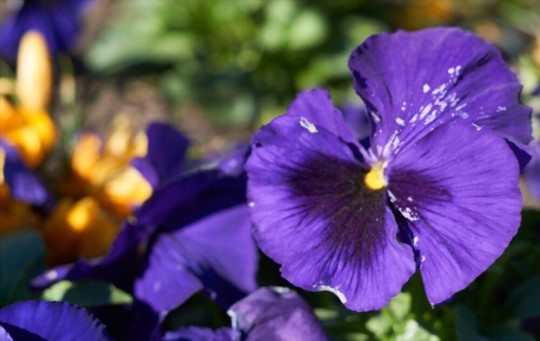
Violet is a flower that belongs to the family of Violets (Viola).
The plant is native to the Northern Hemisphere and can be found in various habitats.
Violets are known for their striking purple or blue colors, which makes them an ornamental choice for gardens or home decorations.
In addition to their aesthetic value, Violet flowers are also used for medicinal purposes.
Some studies suggest that Violets can help reduce inflammation and alleviate respiratory ailments.
Additionally, some people use Violet tea or syrup as a natural remedy for coughs and sore throats.
However, one of the most interesting aspects of Violets is their culinary uses.
Violet petals have a sweet, floral taste with a hint of muskiness.
They are often used to flavor desserts such as cakes, macarons, and ice cream.
Moreover, Violet petals can also add color and flavor to cocktails, teas, and other beverages.
To prepare Violet petals for consumption, it's important to remove any green parts of the flower as they can be bitter in taste.
The petals can be eaten raw or infused into syrups or oils.
While fresh petals have the best flavor and fragrance, dried ones work well too.
Overall, Violets offer a versatile range of benefits thanks to its vivid colors and sweet scent.
From medicine to cuisine, it's fascinating how this little flower has been utilized in different ways throughout history.
Culinary Uses of Violets
Violets are not only beautiful, but they also have a pleasant taste that can enhance various culinary dishes.
Here are some commonly used ways to incorporate violets into your cooking:
- Infused syrups: Violet infused syrups can be used in tea, cocktails, and lemonade.
- Desserts: Violet flavored ice cream, macarons, cupcakes, and cakes are famous European desserts.
- Jellies and Jams: Violet jellies with cheese and crackers are an attractive appetizer.
- Salad: Sweet violet flowers add fresh flavor to the salad bowl.
- Beverages: A few drops of violet extract or cordial in a club soda or tonic water gives it a floral touch.
Using violets in recipes isn't new; violets were used as food for centuries.
Explorers found violet growing in ancient Indian markets centuries ago used for medicines, fragrances, and foods.
The next time you plan to surprise your guests with a new palate sensation, reach out for the dried violets or make violet extracts as this plant becomes more popular among chefs today.
What Does Violet Taste Like?
Violets have a unique taste that is difficult to describe.
The taste of violets is often described as floral, sweet and delicate, with hints of menthol and a slight bitterness.
The flavor of violets can vary depending on the type of violet, the growing conditions and how they are used.
When using violets in culinary applications, their flavor can be subtle due to their delicate nature.
Violets are often used in sweet dishes such as cakes, pastries and candies to add color and a floral aroma.
When making violet flavored desserts or drinks, it's important not to overload on the flowers as too much can cause a bitter taste.
In savory dishes, violets can be used sparingly as a garnish to add color and aroma but should not overwhelm the other flavors.
The flavor of violets can also differ depending on how they are prepared.
Fresh violet leaves can have a slightly grassy flavor with hints of mint.
Violet syrup has a more intense floral aroma with a sweetness that pairs well with lemonade or champagne.
Candied violets have a crunchier texture with a milder floral flavor than fresh flowers.
Some people may find the taste of violets too strong or bitter for their liking.
Those who are sensitive to bitter flavors may want to use violets sparingly or avoid them altogether.
Factors that Affect the Taste of Violets
Factors that affect the taste of violets can vary depending on various factors such as the species of the plant, time of harvest and preparation method.
Violet plants contain volatile oils which contribute to its aroma and flavor.
The composition and quantity of these oils can vary from species to species, causing differences in the taste profile.
Harvesting also affects the taste of violets.
Flowers harvested earlier in the day have a sweeter taste compared to those harvested later in the evening when they become bitter.
Similarly, harvesting during different seasons can also impact their taste.
For instance, violets harvested in spring have a milder taste than those harvested in colder months.
The way violets are prepared can also impact their taste.
While some people enjoy eating them raw or as a garnish to desserts, others prefer using them to infuse tea, syrups or liquors.
When cooked, violet's flavor is mellowed out into a more subtle floral note but intense heat may destroy some of its flavor compounds.
Another factor that can influence the flavor is cooking temperature and timing.
Cooking at high temperatures for too long may cause breakdown of essential oils resulting in less flavor while undercooking may leave an overpowering essence that's bitter.
When you use Violet flowers during your cooking or baking process it adds not only unique flavours but also fantastic scents making it a great ingredient to work with.
Therefore, let's move on to our next heading and see how we can utilize this ingredient further by examining key techniques and methods for incorporating violet flowers into baking recipes - How to Use Violets in Cooking and Baking.
How to Use Violets in Cooking and Baking
Violets are not just good for ornamental purposes, they are also edible and can be used in cooking and baking.
Here's how you can incorporate violets into your dishes:
- Use them as a natural food coloring. You can use fresh or dried violets to add color to beverages or baked goods.
- Add them to salads for a pop of color and mild floral flavor.
- Make violet-flavored syrup by simmering violets with sugar and water. This can be used as a sweetener or drizzled over desserts.
- Brew violet tea by steeping fresh or dried petals in hot water.
- Make violet butter by blending softened butter with chopped violets until well combined. This can be used on bread or added to dishes like pasta or steamed vegetables.
- Create violet-infused vinegar by steeping fresh flowers in white wine vinegar for several weeks. Use this flavorful vinegar in salad dressings or marinades.
Using violets in your cooking and baking can add an interesting twist to your tried-and-true recipes.
You might find that the floral notes of violets pair well with ingredients you've never considered before.
Don't be afraid to experiment with different ways of incorporating violets into your dishes.
You might discover a new favorite flavor combination.
Where to Buy Violets and How to Store Them?

If you are wondering where to buy violets, you can find them at specialty food stores, farmers' markets or even online.
Fresh violets have a very short shelf life and are usually only available during the spring season.
However, you can also find dried violets that can be stored for an extended period.
When buying fresh violets, look for ones that are firm, plump and have bright colors.
Avoid wilted or discolored flowers as they are past their prime.
If you opt for dried violets, make sure they are free of any additives or preservatives.
Once you have purchased your violets, it is important to store them correctly.
Fresh violets should be used within one day of purchase or placed in the refrigerator in a container lined with damp paper towels to maintain their moisture content.
Dried violets will stay fresh for up to six months if stored correctly in an airtight container away from moisture and heat.
Flavor Notes of Violet
The availability of violets may vary depending on your location, but you can usually find them at markets or specialty food stores.
You can also grow your own violets in a garden or indoors.
Violets have both flavor and aroma, with a sweet and slightly perfumed taste that is reminiscent of their floral scent.
The flavor is delicate, so it is best used as an accent rather than the main ingredient in dishes.
Violets are often used as edible decorations on cakes or cocktails or infused into syrups or jams.
More From EpicureDelight
The Complete Food Flavor Guide - your complete resource for this topic.
Read all flavor guides →The taste of Violet sits on a spectrum - [milder preparations] are approachable for most palates, while [stronger varieties or preparations] bring more intensity and character.
For a first taste, keep it simple - let the natural flavor come through before adding heavy sauces or spices. A light seasoning with salt, olive oil, and lemon is a great starting point.
Yes - milder preparations, lighter seasonings, and familiar cooking methods make it much more approachable. Mixing it into dishes rather than serving it alone is a great entry point.
It responds particularly well to [fat type - butter, olive oil, sesame] and [herb or spice]. The right fat carries its flavor beautifully and rounds out any sharpness.

Carrie is a food writer and editor with more than 15 years of experience. She has worked for some of the biggest names in the food industry, including Bon Appétit, Food & Wine, and Martha Stewart Living.
As the Editor in Chief of EpicureDelight, Carrie oversees all of the content on the site. She also manages the team of contributing writers and editors, who help to create delicious recipes, helpful tips, and informative articles that you’ll find on the site.
A native of the Chicago area, Carrie is passionate about all things food. She loves trying new restaurants and experimenting with new recipes in her kitchen. She’s also a graduate of the Culinary Institute of America, so she knows a thing or two about food!