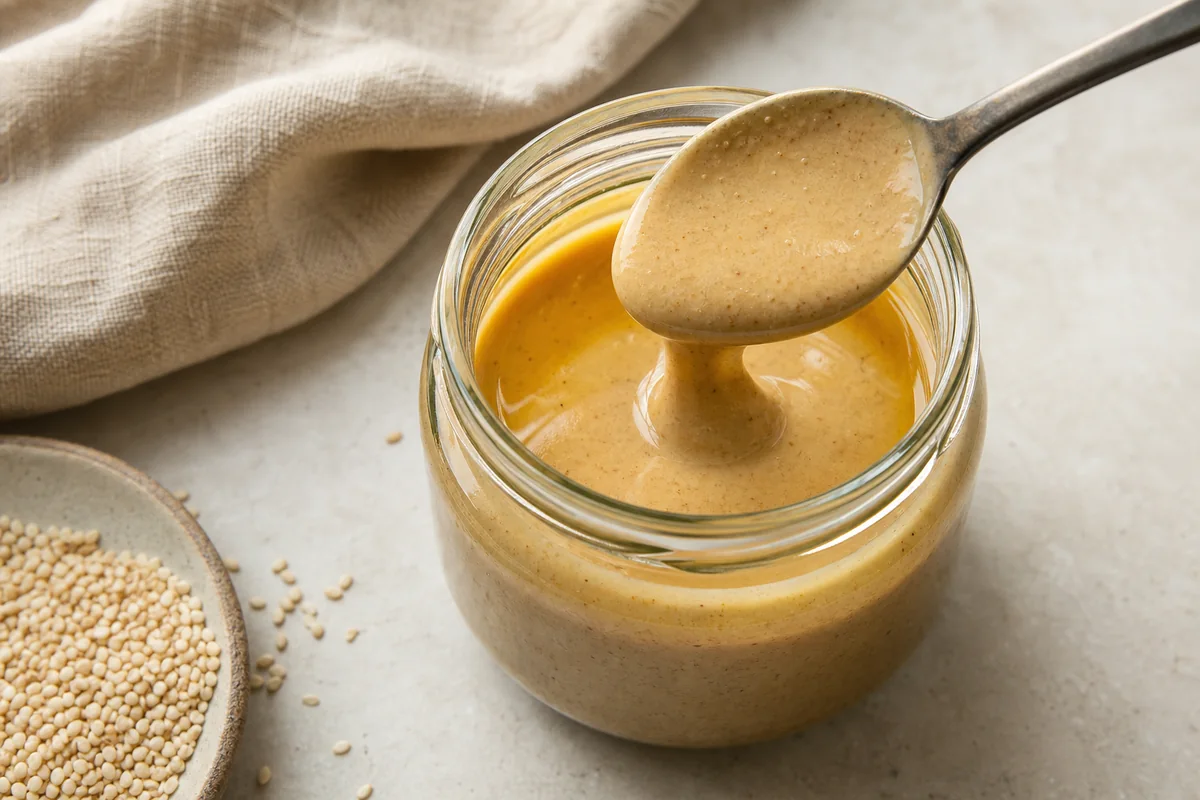
Makgeolli tastes gently sweet and tangy, with soft rice, yogurt-like acidity, light fizz, and a cloudy, creamy-grainy body. Some bottles taste clean and mild. Live versions can become drier, sharper, and more carbonated as fermentation continues.
The label and storage section tell you which style is in front of you. Check those first, then decide whether to pour the clear upper layer or gently mix the rice sediment back through the drink.

Expect sweet rice, a yogurt-like tang, fine fizz, and low alcohol warmth. Live refrigerated bottles change faster and may taste sharper. Gently roll a cold bottle when you want the settled grain mixed back into the pour.
Start With the Bottle You Bought
Makgeolli is a broad drink family rather than one fixed flavor. Korean government sources describe it as a cloudy fermented drink made from grain, water, and nuruk, a fermentation starter that carries enzymes and microorganisms.
| Bottle style | Likely taste | Texture and fizz | What to check |
|---|---|---|---|
| Live and unpasteurized | Fresh, tangy, changing from sweet toward dry | Cloudy with active carbonation | Keep refrigerated and open slowly |
| Pasteurized | More stable and often softer | Cloudy with less active fizz | Follow the label after opening |
| Plain rice | Grain, mild sweetness, lactic tang | Soft body and rice sediment | Taste before adding flavor |
| Flavored | Fruit, chestnut, banana, or added sweetness | Varies by base and additives | Read sugar and flavor information |
Live makgeolli can continue fermenting in the bottle. Yeast consumes sugar and produces alcohol and carbon dioxide, so a young bottle may taste sweeter while an older one tastes drier, more sour, and fizzier.
Pasteurization stops that active change by heating the drink. It can travel and store more easily, though it may lose part of the lively aroma and fine carbonation found in a fresh live bottle.
Flavored makgeolli may place fruit or added sweetener ahead of the rice. That can be pleasant, but it is a poor bottle for judging the plain drink's grain and fermentation character.
Sweet, Sour, Grain, and Fizz Arrive Together
The aroma often suggests steamed rice, fresh bread dough, yogurt, or mild fruit. A strong alcohol smell is unusual in a typical table pour because many commercial versions sit near beer strength.
Sweetness reaches the tongue first. It can resemble rice milk or lightly sweet cereal rather than candy. Tang follows and may remind you of plain yogurt, mild cider, or sourdough starter.
Fine bubbles lift the heavy-looking liquid. They make the drink feel fresher and carry aroma toward the nose. A flat pasteurized version will seem softer and more coating even when the ingredients are similar.
The finish is cloudy and faintly chalky because suspended rice solids remain in the drink. Alcohol warmth appears late and usually stays gentle. A brand with more residual sugar will hide both the tang and warmth.
Temperature changes that sequence. Very cold makgeolli feels crisp and quiet. As it warms in the bowl, grain, fruit, yeast, and acid become easier to notice.
Nuruk Makes the Flavor Hard to Standardize
Nuruk contains enzymes and a community of microorganisms grown on grain. Its job begins before the sip and explains why regional or small-batch bottles can differ so much.
Starch Becomes Sugar
Enzymes release fermentable sugars from cooked grain. Some remain and give the drink its soft sweetness.
Yeast Makes Alcohol and Gas
Yeast consumes sugar, adding mild alcohol warmth, bread-like aromas, and carbon dioxide.
Acid Adds Freshness
Acid-producing microbes create the yogurt-like tang that keeps the rice body from tasting flat.
Grain choice also matters. Rice gives a clean, round base, while wheat or other grains can add earthier cereal notes. Fermentation temperature, water, strain selection, and filtering change the final balance again.
Time shifts the bottle after brewing. Continued fermentation reduces sugar and raises pressure. That is why the same live makgeolli may taste gentle near bottling and brisk near its date.
Mixing the Sediment Changes the Drink
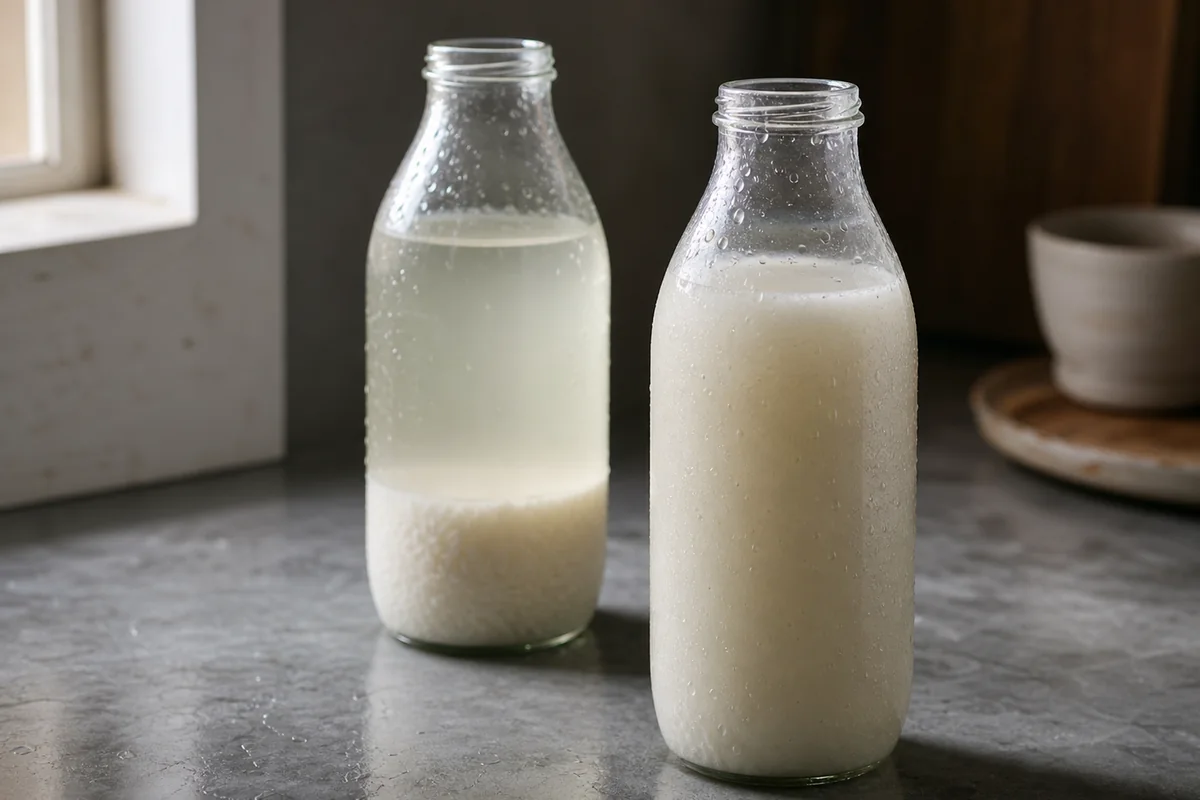
Rice solids settle during storage. The layers are normal when the bottle is within date, properly chilled when required, and free from damage.
Pour the Clearer Layer for a Lighter Sip
The upper liquid tastes cleaner and thinner. It shows more acid, alcohol, and carbonation because less grain is present to soften them.
Pour slowly without disturbing the bottom when you want this style. The remaining portion will become progressively denser as the bottle empties.
Gently Mix for the Full Cloudy Body
Keep the bottle cold, then roll or turn it slowly to lift the sediment. Do not shake a live carbonated bottle hard. Pressure and suspended solids can create a sudden column of foam.
Set the bottle upright, loosen the cap in small stages, and pause when gas escapes. Once opened, gently invert only if the label allows it.
The mixed pour feels creamier, grainier, and slightly sweeter because rice solids soften the acid. Serve it cool rather than frozen so the aroma remains present.
Salt, Fat, and Heat Keep the Next Sip Fresh
Fried scallion pancake, or pajeon, is a classic partner because crisp fat makes the fine bubbles and acid feel useful rather than decorative.
Fried Foods
Jeon, fried chicken, and crisp dumplings leave oil on the palate. Makgeolli's tang and carbonation clear that coating, while the grain body matches the batter.
Fermented and Spicy Foods
Kimchi and chile-rich dishes echo the drink's fermentation while adding heat and salt. Cold makgeolli softens the burn, though a very sweet bottle can make a sugary sauce feel heavier.
Grilled Meat and Mild Snacks
Grilled pork, mushrooms, tofu, and roasted nuts bring savory depth. Salt resets the sweet first sip, while char gives the mild rice flavor a darker contrast.
Sourness alone does not prove spoilage in live makgeolli. Use the date, storage history, seal, and smell together. Discard a swollen or leaking bottle, or a drink with rotten, harsh solvent, or sewage-like odors.
A faint yeast aroma and pressure can be normal. A damaged cap, warm storage against the label, or violent gushing adds reason to stop rather than taste.
Sources
- Korea.net guide to traditional Korean liquor and nuruk
- Korea.net explanation of live and pasteurized makgeolli
- Korean Cultural Heritage Administration description of makgeolli making
No. Makgeolli is cloudy, lightly carbonated, lower in alcohol, and more grainy and tangy. Sake is usually clear, stronger, and smoother in texture.
A clean yogurt-like or cider-like tang is normal, especially in a live bottle. Rotten, solvent-like, or sewage odors are not normal.
Makgeolli is minimally filtered, so rice and fermentation solids settle at the bottom. You may pour the lighter upper layer or gently mix them back in.
Gently roll or turn a cold bottle. Hard shaking can make a live carbonated bottle foam over when opened.
Many bottles are gently sweet, but the level varies. Live fermentation can consume sugar over time, making the drink drier and sharper.

Carrie is a food writer and editor with more than 15 years of experience. She has worked for some of the biggest names in the food industry, including Bon Appétit, Food & Wine, and Martha Stewart Living.
As the Editor in Chief of EpicureDelight, Carrie oversees all of the content on the site. She also manages the team of contributing writers and editors, who help to create delicious recipes, helpful tips, and informative articles that you’ll find on the site.
A native of the Chicago area, Carrie is passionate about all things food. She loves trying new restaurants and experimenting with new recipes in her kitchen. She’s also a graduate of the Culinary Institute of America, so she knows a thing or two about food!