For those who might be hearing the term "blood orange" for the first time, it can be a bit perplexing-and understandably so.
The name evokes a strange mix of excitement and fear that often comes with experiencing something you don't yet understand.
We all have tasted regular oranges before and know what to expect from them; however, when it comes to their cousin, the blood orange, many are left wondering: What does it taste like?
In this comprehensive guide on blood oranges I will take you through everything there is to know about them - from their flavor to their health benefits.
So grab your spoon (or fork!) and let's dive right into discovering what makes these juicy fruits truly special!
What are Blood Oranges?

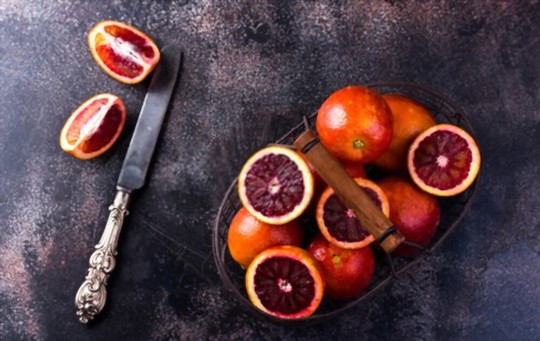
Blood oranges, as the name suggests, are a type of orange fruit that has a distinct red or deep maroon flesh inside.
They belong to the citrus family and have a unique appearance compared to other citrus fruits.
Blood oranges are believed to have originated in Italy and Spain, but now they are grown in various parts of the world such as Sicily, California, Florida, and Texas.
The blood-orange variety is often smaller and less round than other types of oranges.
The skin is typically thin and slightly pebbly with a reddish tint.
While the external appearance may not look too different from other oranges varieties, its interior is what makes it stand out.
The flesh ranges in color from pink to deep burgundy-red hues.
The deeper the color of the flesh goes through more cold tolerance.
Highly regarded for their juicy texture, tart sweetness and complex flavor makes them perfect popsicle elements making it stand out on your plate as well as inside your mouth.
Blood oranges can be eaten freshly peeled or sliced just like navel orange sections paired alongside poultry food dishes along with summer salads containing garlic-infused olive oil.
What Do Blood Oranges Taste Like?
Blood oranges have a unique taste that is different from other types of oranges.
The flavor is sweet with a tart undertone, making them stand out from the crowd.
When biting into a blood orange, you'll notice that the flesh has a deep red color due to the presence of anthocyanins, which give it a berry-like flavor.
The juice from blood oranges has a rich color and is also sweeter than regular orange juice.
A popular use for blood orange juice is in cocktails or as a garnish.
The unusual color of the juice can add an exciting twist to any drink recipe.
If you're looking for a healthy yet tasty option, try drinking fresh squeezed blood orange juice.
When eating the fruit itself, you'll want to be aware that some varieties may contain seeds, but they are usually easy to pick out.
The texture of the flesh can vary depending on ripeness and variety, but in general it is soft and juicy.
Some people describe it as "melt-in-your-mouth" due to its buttery consistency.
Overall, if you haven't tried blood oranges before, they are definitely worth adding to your shopping list for their unique taste experience.
Whether eaten alone or used in recipes calling for oranges, their sweet-tart flavor and distinct color can add an unexpected twist to any dish.
Nutritional Value of Blood Oranges
Blood oranges are not only delicious, but they also pack a powerful nutritional punch.
One medium-sized fruit contains approximately 70 calories, making it a low-calorie option for those watching their weight.
Additionally, blood oranges are high in dietary fiber, which helps with digestion and can keep you feeling full longer.
Blood oranges are also loaded with vitamin C, providing about 85% of your daily recommended intake in just one fruit.
This essential vitamin is important for maintaining healthy skin and boosting the immune system.
The fruit also contains folate, thiamine, and potassium, which all contribute to overall health.
In addition to being nutrient-dense, blood oranges are also believed to have anti-inflammatory properties due to their high levels of anthocyanins - the pigment responsible for their unique red color.
These compounds have been shown to reduce inflammation in the body and may even help prevent chronic diseases such as heart disease and cancer.
Overall, blood oranges make a good addition to any healthy diet due to their low calorie count and various nutrients that support good health.
Incorporating them into your meals or enjoying them as a snack can provide a tasty way to boost your nutrition.
How to Select and Store Blood Oranges?

To select and store blood oranges, start by choosing fruits that are heavy for their size and have a firm texture.
Avoid any oranges that feel spongy or have soft spots as they may be overripe or moldy.
Look for skins with a bright orange color, blushed with red or maroon hues.
To store blood oranges, keep them at room temperature for up to three days.
If you want to prolong their shelf life, place them in the refrigerator in a plastic bag where they can stay fresh for up to two weeks.
Before consuming the oranges, bring them back to room temperature to enhance their flavor.
Always trust your sense of touch and smell - look for fruits that are slightly bumpy and give off a sweet aroma.
If you're uncertain about the ripeness of the fruit, don't be afraid to ask your grocer or supplier about the best way to choose healthy blood oranges.
Storing blood oranges is an important step in so that they remain flavorful and nutritious.
By keeping them cool and dry, you can extend their shelf life while preserving their distinctive taste and nutritional benefits.
In summary, when selecting blood oranges look for weighty fruit with a firm texture, a bright orange color with some red hue on it; storing these beauties calls for keeping them at room temperature to use within 3 days but can last up-to 2 weeks in a refrigerated environment.
Ways to Enjoy Blood Oranges

Blood oranges are a versatile fruit that can be used in a variety of ways.
Here are six ways to enjoy blood oranges:
- Eat them raw - Blood oranges make a great on-the-go snack. Simply peel the orange and enjoy the juicy flesh.
- Juice them - Blood oranges have a tart, slightly sweet flavor that makes for a delicious juice. Squeeze the fruit into a glass or use a juicer for maximum efficiency.
- Make marmalade - The unique flavor of blood oranges makes for a tasty marmalade that goes well with toast or scones.
- Add them to salads - Blood oranges add a pop of color and tangy flavor to any salad. Simply slice the fruit and toss it in with your favorite greens.
- Use them in baking - Blood orange zest adds an extra layer of flavor to cakes, muffins, and other baked goods.
- Mix them into cocktails - The bright color and citrusy flavor of blood oranges make them perfect for cocktails. Try adding some juice or zest to margaritas, martinis, or sangria.
Whether you're looking for a healthy snack or an ingredient for your next dish, blood oranges are sure to impress.
There are so many ways to enjoy blood oranges, from juicing them to using them in baking or cocktails - there's something for everyone.
Try incorporating this unique fruit into your diet and get ready to experience its tangy-sweet taste and bright color for yourself.
Distinct Taste Characteristics of Blood Oranges
There are several options available.
You can simply eat them as a snack or use the juice to make cocktails and desserts.
These citrus fruits are also a good addition to salads, adding both flavor and color.
They have a sweet yet tangy flavor with notes of raspberry and grapefruit.
The pulp ranges from deep red to maroon depending on the variety, making them not only tasty but visually appealing as well.
So if you're looking for something new to add to your grocery list or want to switch up your usual citrus routine, consider trying out some blood oranges for a flavorful and exciting change of pace.
More From EpicureDelight
The Complete Food Flavor Guide - your complete resource for this topic.
Read all flavor guides →What Do Blood Oranges is often compared to [a familiar ingredient], though it has its own distinct character. Cooking method makes a significant difference - roasting brings out sweetness, while raw preparations highlight a more [sharp/clean/grassy] note.
Absolutely. Grilling and roasting develop caramelized, smoky notes; boiling or steaming keeps the flavor cleaner and more subtle; raw preparations are the most pungent.
Significantly. Freshness, origin, and growing conditions all affect flavor intensity. Wild-caught or locally sourced options often have a more pronounced, complex taste than mass-produced alternatives.
The closest comparison is [familiar ingredient], but it has a more [complex/pronounced/subtle] flavor. Think of it as a more [refined/earthy/bright] version of something you already know.

Carrie is a food writer and editor with more than 15 years of experience. She has worked for some of the biggest names in the food industry, including Bon Appétit, Food & Wine, and Martha Stewart Living.
As the Editor in Chief of EpicureDelight, Carrie oversees all of the content on the site. She also manages the team of contributing writers and editors, who help to create delicious recipes, helpful tips, and informative articles that you’ll find on the site.
A native of the Chicago area, Carrie is passionate about all things food. She loves trying new restaurants and experimenting with new recipes in her kitchen. She’s also a graduate of the Culinary Institute of America, so she knows a thing or two about food!