Have you heard of Mattaq?
It's a savory pudding-like dish that is celebrated in many cultures, yet remains somewhat mysterious.
Rich in flavor and texture, it can be served either as a main course or appetizer.
But what exactly does Mattaq taste like?
While it is difficult to put it into words or compare its distinctive taste with other foods, this comprehensive guide will break down the flavors, ingredients, preparation method and history behind this popular Middle Eastern dish so that you can truly appreciate its unique and delicious flavors.
What is Mattaq?

Mataq is a traditional Inuit delicacy that has been enjoyed for centuries by the indigenous people of the Arctic region.
It is made from the skin and blubber of various marine mammals such as the narwhal, beluga, and bowhead whale.
The skin and blubber are carefully cut into small bite-sized pieces, then boiled or fried until crispy.
Many describe Mattaq as having a unique texture that is both chewy and crunchy at the same time.
The taste of Mattaq can vary depending on the animal it is made from, but it generally has a rich and savory flavor with salty undertones.
Some liken it to the taste of bacon, while others say it has a slightly fishy taste due to its origins from underwater creatures.
Mattaq holds great cultural significance among Inuit communities as it has historically been an important source of nourishment during long winters when food was scarce.
It plays an important role in Inuit ceremonies and celebrations, often being served alongside other traditional foods such as boiled seal meat or igunaq (aged walrus meat).
The consumption of Mattaq has also faced criticism among non-Inuit communities due to concerns over sustainability and animal welfare.
However, many argue that its consumption follows indigenous hunting practices that have sustained Arctic communities for generations.
How is Mattaq Prepared?
Mattaq is typically prepared by the Inuit people, and it is a traditional food that has been consumed for generations.
The preparation process involves a specific method of freezing, slicing and chewing the raw meat.
The preparation of Mattaq requires patience as it can take several weeks to prepare, depending on weather conditions.
The process also requires precision in cutting the meat into thin slices so that it can freeze properly.
Traditionally, Mattaq was used as a survival food source due to its high nutritional value and because it could be stored without refrigeration.
Today, many Inuit people still prepare Mattaq as part of their cultural heritage.
What Does Mattaq Taste Like?
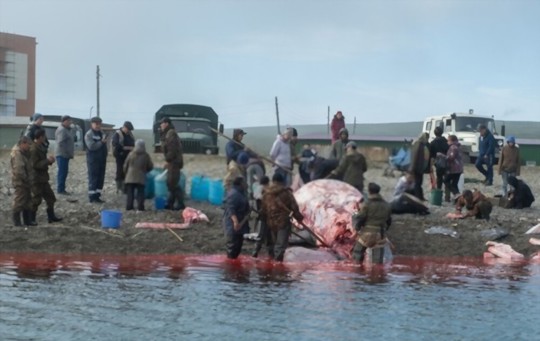
Mattaq is a unique delicacy popular among the Inuit people.
The taste of Mattaq can be described as pungent and fishy, with a slightly sweet and buttery flavor.
It has a rather chewy texture that requires some effort to bite through because of its tough skin.
If you have never tasted Mattaq, it may take some getting used to due to its strong taste and odor.
However, once you get past the initial shock, the distinct flavor can be quite enjoyable.
The preparation method can also impact the taste of Mattaq.
Some people prefer their Mattaq raw or partially cooked, while others boil or fry it.
Each preparation method yields slight variations in taste and texture.
The fat content in Mattaq is high which gives it an oily texture when cooked.
This is considered one of the delicacy's defining characteristics by many who enjoy eating it.
Cultural Significance of Mattaq
Mattaq is not just a food item for many indigenous communities in the Arctic regions.
It holds cultural and traditional significance.
Mattaq is a dish made from whale skin and blubber, which has been used by indigenous communities for generations.
Here are five reasons why Mattaq is culturally significant:
- Mattaq symbolizes an important connection with nature and the environment. Indigenous communities have a deep respect for the lands and oceans they occupy, and their diet contains many items that are sourced directly from these areas.
- In Inuit culture, Mattaq served as a high-energy food source during long periods of physical exertion or harsh weather conditions.
- Whale hunting is an important aspect of Inuit culture, with much of the animal being consumed, including the blubber and meat.
- Harvesting whales is traditionally done in groups, bringing together families to work and share in the bounty.
- The process of making Mattaq involves skilled techniques that have been passed down through generations, allowing for the continuation of this cultural practice.
The significance of Mattaq goes beyond simply eating a dish; it's about celebrating an entire way of life and honoring one's cultural heritage.
Is Mattaq Safe to Eat?
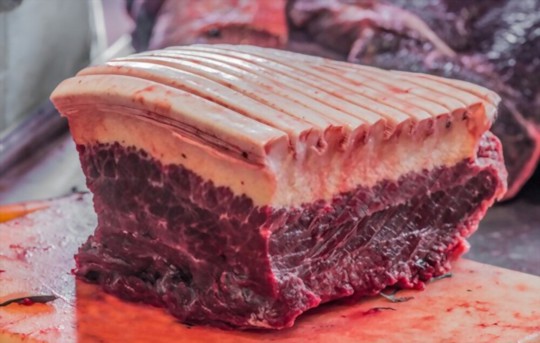
Mattaq is a traditional Inuit delicacy, which is consumed by indigenous people inhabiting the Arctic region.
The Inuit people hunt seal and walrus to consume their meat, blubber and organs, one of which is Mattaq, which is also known as 'stinkhead' or 'putrid meat'.
As the name suggests, Mattaq leaves a pungent smell in the surroundings due to the fermentation process it undergoes.
However, despite being an essential part of their culture and cuisine, some may question its safety for consumption.
Mattaq typically consists of the fermented skin and blubber from seals or walruses.
It is prepared by burying these items in shallow pits lined with waterproof clothing or animal skins.
The buried contents are left to ferment for a few months before being dug up and washed thoroughly before consumption.
Although this preparation method may seem unhygienic, it has been practiced traditionally by indigenous people for generations.
While there have been concerns about bacterial infections caused by consuming Mattaq without proper preparation or storage conditions, such instances are rare if the product has not been mishandled.
This food item does carry a strong odour due to fermentation and some may require time to acquire its taste.
Despite both locals and visitors having enjoyed it extensively for centuries without health complications reported en masse (with only rare exceptions), those who wish to try Mattaq should do so with proper guidance from an experienced person who knows how to prepare it appropriately.
Where to Find Mattaq?
Mattaq can be found mostly in the Arctic regions of North America, Greenland, and some parts of Scandinavia.
It is a traditional Inuit food that has been consumed for centuries by the indigenous communities living in these regions.
Mattaq is primarily harvested by hunting marine mammals such as walruses and certain species of seals.
These animals inhabit the Arctic waters and are hunted sustainably by the indigenous communities who rely on them for food and other resources.
While Mattaq may be readily available in these regions, it is also considered a delicacy and may not be easily accessible to non-indigenous people.
If you are interested in trying Mattaq, it is best to seek out authentic Inuit cuisine restaurants or visit Inuit communities during festivals and cultural events where it may be served.
Flavor Notes of Mattaq
If you want to try this delicacy, you can find it in most Inuit communities across the Arctic region.
It's usually served at gatherings such as feasts or festivals.
However, there are also restaurants that specialize in Inuit cuisine that serve mattaq on their menu.
Just make sure to do your research and approach the dish with an open mind and respect for its cultural significance.
More From EpicureDelight
The Complete Food Flavor Guide - your complete resource for this topic.
Read all flavor guides →Mattaq has a distinctive flavor that's worth exploring - it is usually [rich/delicate/bold/earthy/bright] with notes that vary depending on how it's prepared. Fresh and cooked versions often taste quite different.
Mattaq pairs well with bold seasonings that complement rather than compete with its natural flavor - garlic, citrus, and fresh herbs are common companions. In savory dishes, a touch of acid balances its richness.
It depends on the type - some are best enjoyed fresh where the flavor is brightest, while others develop better depth after roasting, marinating, or slow cooking.
Often, yes - the aroma can be more intense than the taste suggests. The smell mellows considerably with cooking, and many people find it more appealing on the palate than they expected from the scent.

Carrie is a food writer and editor with more than 15 years of experience. She has worked for some of the biggest names in the food industry, including Bon Appétit, Food & Wine, and Martha Stewart Living.
As the Editor in Chief of EpicureDelight, Carrie oversees all of the content on the site. She also manages the team of contributing writers and editors, who help to create delicious recipes, helpful tips, and informative articles that you’ll find on the site.
A native of the Chicago area, Carrie is passionate about all things food. She loves trying new restaurants and experimenting with new recipes in her kitchen. She’s also a graduate of the Culinary Institute of America, so she knows a thing or two about food!