You may be wondering what these odd-looking nuts actually taste like.
Now's the perfect time to learn exactly what you can expect from these interesting little delights!
In this comprehensive guide, we'll look into everything there is to know about the flavor of chestnuts: from the various ways in which they can be cooked and prepared for eating, to their unique texture and distinctive taste.
We'll also discuss how these nuts might pair with other flavors in dishes - whether savory or sweet - and cover any tips on maximizing flavor so that you get maximum satisfaction out of every bite.
So pull up a chair and explore why chestnuts are sure to tempt your palate!
What are Chestnuts?
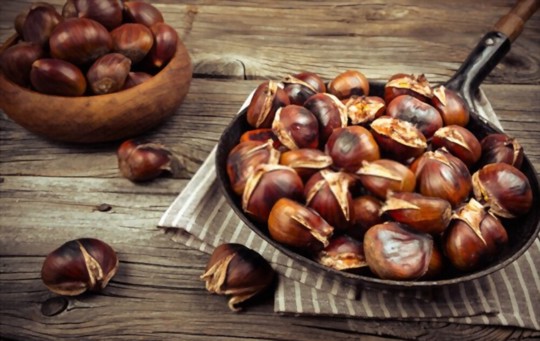
Chestnuts are a type of nut that is popularly consumed around the world.
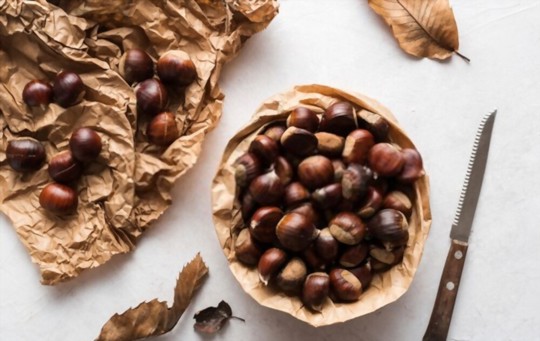
Chestnuts grow on large deciduous trees, and the nuts themselves are encased in a round, spiky outer layer called a burr.
Once harvested, chestnuts can be roasted, boiled, or used in various dishes.
Chestnuts have been a staple food source for centuries and are often associated with fall and winter holidays such as Thanksgiving and Christmas.
While they originated in Asia Minor, chestnuts have since been cultivated throughout the world, including Europe and North America.
One notable feature of chestnuts is their nutritional content.
Chestnuts are low in fat but high in complex carbohydrates, fiber, and vitamins including vitamin C.
They also contain antioxidants which help fight off disease-causing free radicals.
What Do Chestnuts Taste Like?
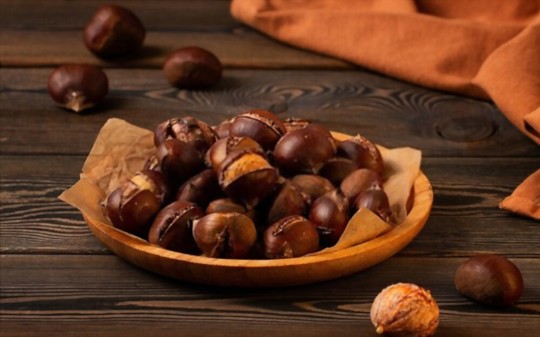
Chestnuts have a unique taste that can be difficult to describe.
They have a slightly sweet, nutty flavor with a starchy, potato-like texture.
The taste is often compared to a mix of hazelnuts and cashews.
When cooked, chestnuts become even sweeter and develop a smoky depth of flavor.
The roasting process also gives them an earthy aroma that can be enjoyable on its own.
Chestnuts are versatile in their uses due to their mild flavor.
They can be used in both savory and sweet dishes, from stuffing and soups to cakes and pastries.
The taste of chestnuts may vary depending on the variety of chestnut tree they come from, as well as the soil and climate they are grown in.
Some varieties may have a stronger or more subtle flavor than others.
Factors That Affect the Taste of Chestnuts
Their taste can vary depending on several factors.
Here are a few things that can influence their flavor:
- The type of chestnut.
- Where and how they were grown.
- The ripeness of the chestnut when harvested.
- The cooking method used.
Different types of chestnuts can have different flavors, with some being sweeter or nuttier than others.
The location and conditions in which the chestnuts were grown can also impact their taste.
For example, soil type and weather patterns can affect the flavor.
Additionally, the ripeness of the chestnut at harvest time can make a difference in its flavor.
Some prefer to wait until the outer shell starts to naturally open before harvesting as this indicates full ripeness.
Finally, how you cook your chestnuts can enhance or detract from their natural flavor.
Different cooking methods like roasting or boiling will affect the outcome.
All these factors combine to deliver a unique taste experience with each bite of a chestnut.
How to Cook Chestnuts to Enhance Their Flavor?
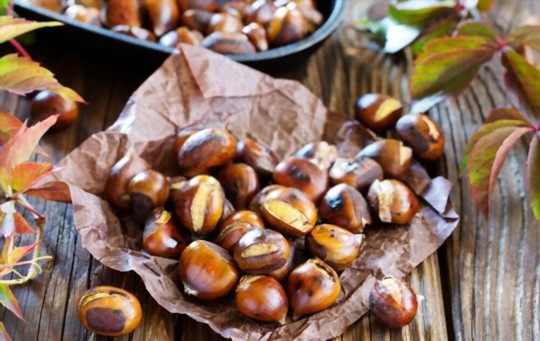
To improve the flavor of chestnuts, you need to take care of how you cook them.
Chestnuts can be cooked in a variety of ways that bring out their unique taste and texture.
Here are some tips on how to cook chestnuts to enhance their flavor:
- Roasting: Roasting is the most popular method of cooking chestnuts. It gives them a smoky flavor and a distinct aroma that is hard to resist. Before roasting, make sure you score each nut using a sharp knife to prevent them from exploding.
- Boiling: Boiling is another method that can bring out the natural sweetness of chestnuts. This method is ideal for making purees or mashing the nuts for use in recipes like stuffing or soups.
- Grilling: Grilling chestnuts gives them a charred and smoky taste that is perfect for those who love grilled flavors. You can grill whole chestnuts or peeled pieces.
When roasting your chestnuts, it's important to remember not to overcook them.
Overcooked chestnuts tend to get dry and lose their natural sweetness and flavor.
Also, do not forget to soak your nuts in water before cooking as this makes peeling easier.
If boiling your chestnuts, add salt or sugar to the water for extra flavor.
And if grilling, brush some olive oil or melted butter on each piece of nut before placing it on the grill.
By following these simple tips on how to cook chestnuts properly, you will be able to savor their rich and unique taste.
Culinary Uses of Chestnuts
Chestnuts have been used in various culinary delicacies around the world for centuries.
The uses range from appetizers to desserts, depending on the type and flavor of chestnut being used.
When roasting, baking or boiling fresh chestnuts, it is important to remove their tough outer shell and inner skin after cooking because they are difficult to digest and taste bitter.
However, if you're using canned or pre-cooked chestnuts bought from stores for your recipe cooking time will reduce.
Chestnut flour is also available - this flexible flour can be used in gluten-free recipes for pizza crusts, cakes, pancakes or even pasta dough.
Chestnut honey is another delicacy.
It is a unique and flavorful honey made from chestnut flower nectar, which offers a strong aroma that enhances various dishes, salad dressings and butter spreads.
Overall, chestnuts are a deliciously flexible ingredient in cooking that can be used to add nutty and sweet flavors to your cuisine.
Where to Buy Chestnuts and How to Store Them?
If you are looking for chestnuts, you can easily find them at your local grocery store or farmer's market during the fall and winter seasons.
They are also available online on websites like Amazon and specialty food stores.
When buying fresh chestnuts, look for ones that are firm and heavy with a glossy brown shell.
Avoid any chestnuts with holes or cracks as they may be dried out or moldy.
To store fresh chestnuts, keep them in a cool place such as a refrigerator or cellar.
Make sure to keep them away from moisture, which can cause mold growth.
If you plan on storing them for an extended period of time, consider freezing them in an airtight container for up to six months.
In addition to fresh chestnuts, you can also find canned or frozen chestnuts in stores throughout the year.
These options are great for convenience and can be used immediately in cooking without any preparation.
Overall, buying and storing chestnuts is a relatively easy process that requires minimal effort.
With the right storage techniques, you can enjoy the taste of chestnuts throughout the year.
Taste Qualities of Chestnuts
As we discussed earlier in the article, chestnuts can be bought fresh or canned, and can be found in many grocery stores and markets during the fall season.
When storing fresh chestnuts, it's important to keep them refrigerated and use them within a week or two.
With their unique flavor and numerous health benefits, they're definitely worth adding to your recipe collection.
Whether you enjoy them as a snack or incorporate them into your favorite recipes, we think you'll love these delicious nuts.
More From EpicureDelight
The Complete Food Flavor Guide - your complete resource for this topic.
Read all flavor guides →What Do Chestnuts is often compared to [a familiar ingredient], though it has its own distinct character. Cooking method makes a significant difference - roasting brings out sweetness, while raw preparations highlight a more [sharp/clean/grassy] note.
Absolutely. Grilling and roasting develop caramelized, smoky notes; boiling or steaming keeps the flavor cleaner and more subtle; raw preparations are the most pungent.
Significantly. Freshness, origin, and growing conditions all affect flavor intensity. Wild-caught or locally sourced options often have a more pronounced, complex taste than mass-produced alternatives.
The closest comparison is [familiar ingredient], but it has a more [complex/pronounced/subtle] flavor. Think of it as a more [refined/earthy/bright] version of something you already know.

Carrie is a food writer and editor with more than 15 years of experience. She has worked for some of the biggest names in the food industry, including Bon Appétit, Food & Wine, and Martha Stewart Living.
As the Editor in Chief of EpicureDelight, Carrie oversees all of the content on the site. She also manages the team of contributing writers and editors, who help to create delicious recipes, helpful tips, and informative articles that you’ll find on the site.
A native of the Chicago area, Carrie is passionate about all things food. She loves trying new restaurants and experimenting with new recipes in her kitchen. She’s also a graduate of the Culinary Institute of America, so she knows a thing or two about food!