You may have heard of marshmallow root being used as an herbal remedy or in sweet confections, but what does marshmallow root actually taste like?
Marshmallows we love and enjoy today likely bear little resemblance to the original form of the plant itself; however, this guide will tell you all about the unique flavor notes of its unadulterated state.
From savory to sweet accents that come with each bite, get ready to explore the complexity behind one of our favorite comfort foods.
What is Marshmallow Root?

Marshmallow root is a perennial herb that has been used for centuries for its medicinal properties.
It is native to Europe, Asia, and Africa and belongs to the same family as hibiscus and cotton.
Marshmallow root contains a substance known as mucilage which gives it its characteristic slimy texture.
This substance also makes marshmallow root an effective remedy for coughs, sore throats, and digestive issues.
Marshmallow root has been used in traditional medicine to treat coughs, colds, sore throats, and other respiratory infections.
It is also believed to have anti-inflammatory properties which can help to soothe the lining of the digestive tract and alleviate symptoms of conditions like irritable bowel syndrome (IBS), ulcerative colitis, and Crohn's disease.
Marshmallow root is typically consumed in the form of tea or decoction.
To make marshmallow root tea, simply steep one teaspoon of dried marshmallow root in a cup of hot water for 10-15 minutes.
The resulting tea will be slightly sweet and have a mild herbal taste.
In addition to its medicinal uses, marshmallow root is also commonly used as a food additive due to its thickening properties.
It can be found in many types of processed foods including ice cream, candy, and baked goods.
Overall, marshmallow root is a versatile herb with many potential health benefits.
Whether consumed as a tea or incorporated into your diet through food products, this herb is worth considering if you are looking for natural ways to support respiratory health and improve digestion.
Taste Description of Marshmallow Root
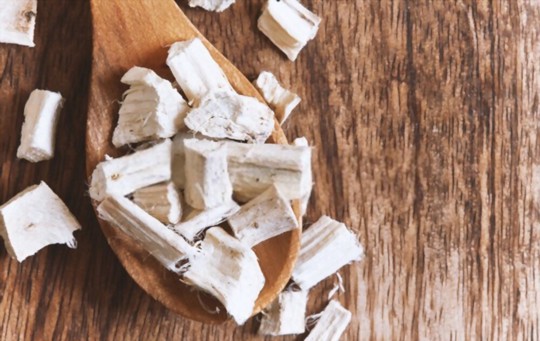
Marshmallow root is an herb that has been used for centuries in both culinary and medicinal remedies.
Marshmallow root has a unique flavor.
If you were to try it on its own, you would find that it has a slight sweetness to it with a very subtle floral undertone.
However, Marshmallow root is not usually consumed on its own as a food item.
Instead, it is often used as an ingredient in tea blends, tinctures, and other herbal preparations.
When combined with other herbs and ingredients, the taste of Marshmallow root can be disguised or enhanced depending on the recipe.
One way that people like to use Marshmallow root is in teas.
When steeped in hot water for several minutes, the herb takes on a slightly slimy texture which can make for a soothing and comforting drink.
Combining Marshmallow root with honey or lemon can balance out any bitterness or earthiness that may be present.
If you are using Marshmallow root as an ingredient in cooking or baking, keep in mind that the taste will likely be very subtle.
The root itself has minimal flavor which means that it won't stand out in dishes where there are more dominant flavors happening.
In summary, Marshmallow root has a mild sweetness and subtle floral undertone when consumed on its own but is often utilized as an ingredient in teas and other herbal preparations where its taste can be influenced by complementary ingredients.
Culinary and Medicinal Uses of Marshmallow Root
Marshmallow root is a plant native to Europe and Asia that has been used for centuries for both culinary and medicinal purposes.
The roots are harvested in the fall, dried, and then used either whole or ground into powder form.
In terms of medicinal uses, marshmallow root has been used traditionally to soothe coughs, sore throats, and digestive issues like constipation or irritable bowel syndrome.
It contains high levels of mucilage, a slippery substance that can help coat and calm irritated tissues.
Marshmallow root can be consumed in tea form or taken as a supplement.
Marshmallow root is often used as a thickening agent in desserts like marshmallows (hence the name), ice cream, and puddings.
It adds a subtle sweetness without adding any additional calories or sugar.
Additionally, some people use marshmallow root as a flour substitute in gluten-free baking due to its binding properties.
Another common way to consume marshmallow root for its therapeutic properties is by making a tea infusion.
Simply steep 1-2 teaspoons of dried marshmallow root in hot water for 10-15 minutes before straining out the solids.
This tea can be sweetened with honey if desired.
Overall, whether you're using it for its traditional medicinal properties or incorporating it into your recipe collection, marshmallow root is definitely worth exploring further.
1 - Culinary Uses
Marshmallow root has been used in culinary preparations for centuries.
Marshmallow root is used to make marshmallows, which are soft, fluffy candies that have a distinctive texture when they are roasted or melted.
The root is also often used in teas and infusions, where it adds flavor and nutrition without adding calories or sugar.
The tea is often made by steeping the root in hot water for several minutes, after which it can be strained and consumed hot or cold.
In addition to being used as a thickening agent, Marshmallow root can be baked into breads, cakes, cookies, muffins, or any other type of baked goods.
The herb can also be mixed with honey or other sweeteners to make syrups and sauces that can be poured over pancakes, waffles, ice creams, or any other dessert of your choice.
2 - Medicinal Uses
Marshmallow Root is not only used for culinary purposes but also has medicinal benefits.
In fact, it has been a traditional remedy for coughs and sore throats for centuries.
Its anti-inflammatory properties can help soothe irritation in the throat and respiratory system.
Aside from its effects on the respiratory system, Marshmallow Root is also known to have a positive impact on gastrointestinal issues.
It can help ease stomach ulcers, constipation, and other digestive problems.
The mucilage present in Marshmallow Root helps soothe the lining of the digestive tract and prevent inflammation.
Moreover, Marshmallow Root has been used as a natural diuretic due to its ability to increase urine flow.
It can help flush out excess water weight from the body and reduce bloating.
If you're looking for a natural way to boost your immune system, Marshmallow Root may be just what you need.
Its antioxidant properties make it effective in preventing cell damage caused by free radicals.
Lastly, Marshmallow Root is said to have skin-soothing properties as well.
It can help treat rashes, eczema, and wounds by reducing inflammation and promoting healing.
How to Prepare Marshmallow Root for Consumption?
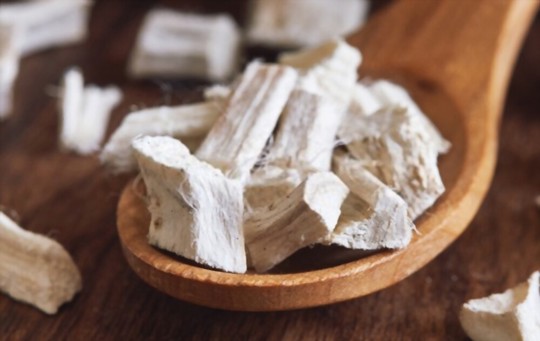
To prepare marshmallow root for consumption, start by making a decoction.
Put one teaspoon of dried marshmallow root in a saucepan and pour one cup of cold water over it.
Let it soak for four hours or overnight.
Then turn on the heat and bring the mixture to a boil.
Once it comes to a boil, lower the heat and let it simmer for 20 to 30 minutes.
After simmering for 20 to 30 minutes, take the mixture off the heat and strain it using cheesecloth or a fine mesh strainer.
You can drink this decoction as is, add some honey or other natural sweeteners if needed.
Another way you can prepare marshmallow root for consumption is by making tea.
Use about two teaspoons of dried marshmallow root per cup of water.
Boil the water first then pour it over the dried root in a teapot or mug.
Let it steep for about five minutes then strain and enjoy.
Marshmallow root can also be added to soups, stews, or used as an ingredient in baking recipes such as muffins or breads.
Where to Buy Marshmallow Root and How to Store It?
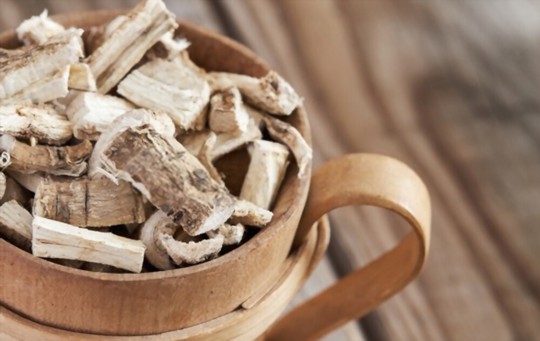
If you are wondering about Where to Buy Marshmallow Root and How to Store It, there are a few things you should know.
Marshmallow root can be a little tricky to find compared to other herbs because it is less common.
However, with so many online vendors and health food stores selling high-quality marshmallow roots these days, purchasing this supplement is no longer difficult.
When looking for Marshmallow Root products online or in-person shops, ensure that the vendor has reliable customer service and check stars of ratings by other buyers.
As for storing marshmallow root once you've bought it, like mentioned earlier-keep it in an airtight container away from light heat & moisture.
Store them in dark-colored containers if possible to prevent decay; otherwise, store in a dark place.
Marshmallow Root offers multiple benefits such as its anti-inflammatory properties as well as curing digestive issues such as constipation.
Whenever needed one must take up steps to guarantee that their Vitamin intake through this route remains healthy and without side effects.
Using Marshmallow Root in Recipes
As for its taste, marshmallow root has a mild and slightly sweet flavour, which makes it a popular choice for adding to tea blends or as an ingredient in baking recipes.
Its flavour complements well with other herbs such as chamomile or lavender.
Give this flexible herb a try and experience its healing properties for yourself.
More From EpicureDelight
The Complete Food Flavor Guide - your complete resource for this topic.
Read all flavor guides →The flavor of Marshmallow Root is often described as complex - there's usually a balance of [savory depth/natural sweetness/pleasant bitterness/umami] that makes it versatile in cooking.
Yes - the flavor changes considerably with cooking. Heat mellows sharpness and brings out natural sugars, while raw preparations retain more bite and brightness.
Some varieties do have a lingering aftertaste - often described as [earthy/mineral/slightly bitter]. This typically fades with cooking or when paired with contrasting flavors.
It leans [savory/sweet] in most preparations, though the balance shifts depending on how it's cooked. Roasting pushes it sweeter; raw or lightly seasoned preparations highlight the savory, [earthy/bright/tangy] side.

Carrie is a food writer and editor with more than 15 years of experience. She has worked for some of the biggest names in the food industry, including Bon Appétit, Food & Wine, and Martha Stewart Living.
As the Editor in Chief of EpicureDelight, Carrie oversees all of the content on the site. She also manages the team of contributing writers and editors, who help to create delicious recipes, helpful tips, and informative articles that you’ll find on the site.
A native of the Chicago area, Carrie is passionate about all things food. She loves trying new restaurants and experimenting with new recipes in her kitchen. She’s also a graduate of the Culinary Institute of America, so she knows a thing or two about food!