
Corn oil is a pantry staple in many households, valued for its mild flavor and solid smoke point of around 450°F. Run out mid-recipe, and you need a replacement that won't wreck the dish.

The good news is that several common oils perform as reliable 1:1 swaps. Each one brings slightly different flavor, heat tolerance, and texture outcomes, so matching the right substitute to your recipe makes a real difference.
This guide covers five specific substitutes: canola oil, vegetable oil, avocado oil, grapeseed oil, and melted coconut oil. If you're also working through pantry swaps more broadly, the soybean oil substitutes guide covers a similar neutral-oil category worth bookmarking.
Every substitute here uses a 1:1 ratio, so there's no complicated math involved. The sections below break down when each one shines and where it might fall short.
Corn oil is easy to replace using a 1:1 ratio with canola oil, vegetable oil, avocado oil, grapeseed oil, or melted coconut oil. Choose based on your cooking method: neutral oils for baking and sautéing, high-smoke-point oils for searing, and coconut oil when a mild sweetness is welcome.
Substitutes at a Glance
Before going deeper on each oil, this table gives you a fast reference. All five substitutes swap in at a 1:1 ratio, so the measurement stays the same regardless of which one you choose.
The differences show up in flavor profile, best cooking context, and how each oil handles heat.
According to BBC Good Food's oil guide, matching oil to cooking method is the most important factor in a successful swap. A high smoke point matters more for frying; flavor neutrality matters more for baking.
| # | Substitute | Ratio | Best For | Taste Match |
|---|---|---|---|---|
| 1 | Canola Oil | 1:1 | Baking, sautéing, frying | Close |
| 2 | Vegetable Oil | 1:1 | All-purpose cooking and baking | Close |
| 3 | Avocado Oil | 1:1 | High-heat searing, grilling, dressings | Mild |
| 4 | Grapeseed Oil | 1:1 | Light frying, delicate baked goods | Mild |
| 5 | Melted Coconut Oil | 1:1 | Baking, low-to-medium heat cooking | Different |
Canola and vegetable oil are the safest all-around swaps for everyday cooking. Avocado oil is the go-to when you need serious heat tolerance.
Grapeseed oil is a smart pick for recipes where texture should stay light and clean. Melted coconut oil is the most specialized of the five, best reserved for baking where its subtle coconut note won't clash.
Save This for Later
Pin this savory tweaks: 5 best substitutes for corn oil guide so you always have it when you need it.
Pin This GuideCanola Oil - 1:1 Corn Oil Substitute
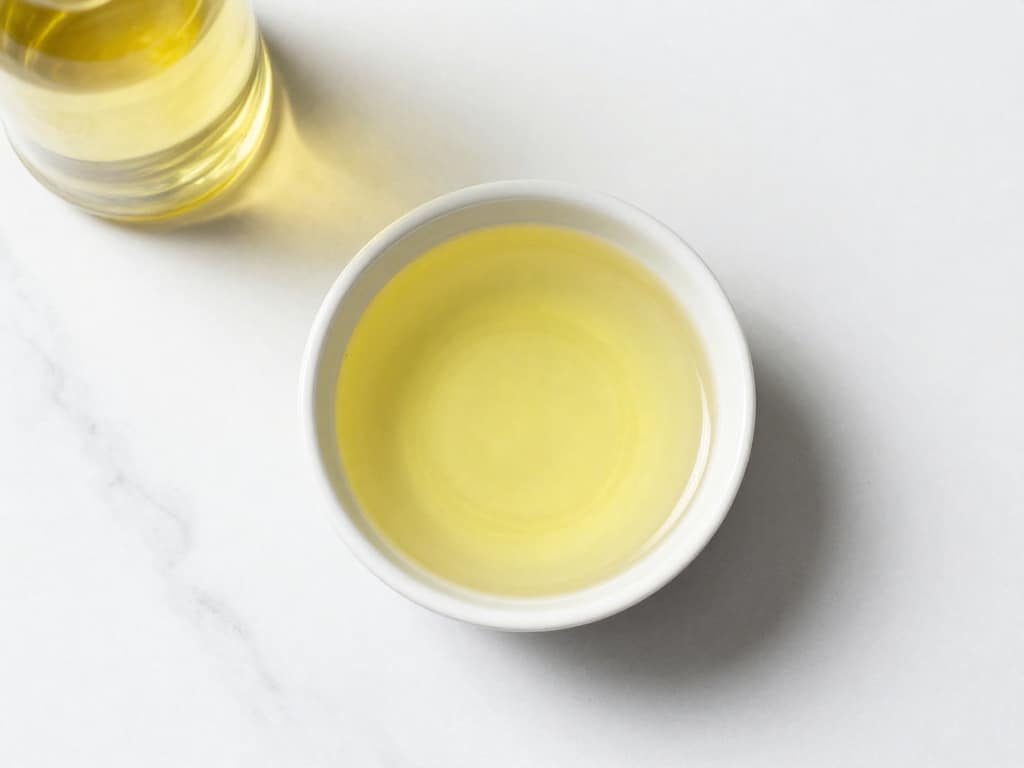
Canola oil is arguably the closest match to corn oil in terms of everyday cooking performance. Its flavor is neutral with almost no detectable aroma, and its smoke point sits at roughly 400°F, making it suitable for sautéing, pan-frying, and most baking applications without issue.
Swap it in at a 1:1 ratio for corn oil in any recipe. It works equally well in vinaigrettes, boxed cake mixes, stir-fries, and marinades.
If you're unsure about canola oil's broader versatility, the options for replacing canola oil guide shows exactly how interchangeable it is across the neutral-oil category.
The main tradeoff is subtle. Some cooks notice a faint grassy undertone in unrefined canola at room temperature, though this largely disappears with heat.
For baked goods, the swap is seamless - moisture levels, crumb structure, and browning all stay on track.
Canola oil is widely available and typically one of the most affordable options on this list. If cost and convenience drive your decision, it's the easiest reach.
Food Network's guide on choosing the right oil consistently positions canola as an all-purpose workhorse for exactly this reason.
Canola oil is the most versatile 1:1 corn oil replacement, delivering neutral flavor and reliable performance across baking, sautéing, and frying with minimal adjustment needed.
Vegetable Oil - 1:1 Corn Oil Substitute
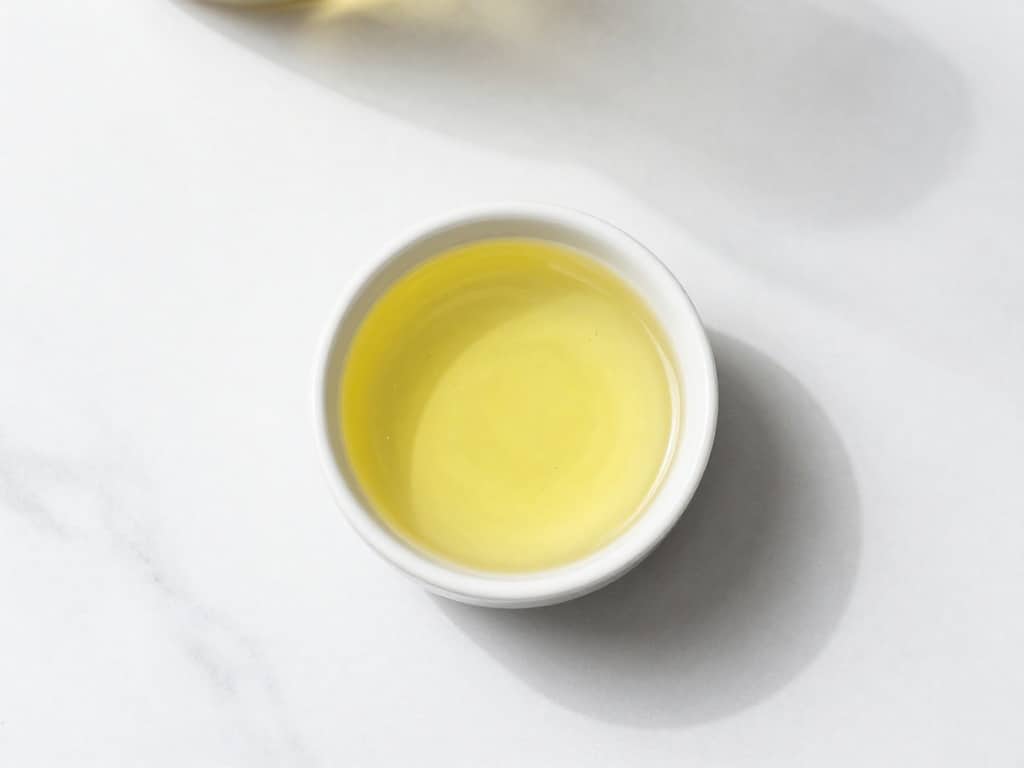
Vegetable oil is the most widely available neutral oil on this list, and its performance as a corn oil replacement is essentially seamless in most contexts.
It's typically a blend of soybean, canola, and sunflower oils, which gives it a very mild flavor profile and a smoke point around 400-450°F.
Use it at a 1:1 ratio in any recipe that calls for corn oil. Pancakes, muffins, quick breads, and stovetop sautés all hold up perfectly with this swap.
It won't shift moisture content, alter browning, or introduce any off-flavors. The vegetable shortening substitute options are worth checking too if your recipe calls for a solid fat rather than liquid oil.
The USDA's nutritional data shows vegetable oil is comparable to corn oil in calorie density at roughly 120 calories per tablespoon, so it doesn't shift the nutritional profile meaningfully. That's useful to know if you're working within dietary parameters.
One consideration: because vegetable oil blends vary by brand, there can be slight differences in flavor between products. Stick to a reputable brand for the most consistent results, especially in delicate baked goods where neutral flavor matters most.
Vegetable oil is a grab-and-go swap with minimal flavor impact. Use it at 1:1 in virtually any recipe that calls for corn oil and expect identical results.
Avocado Oil - 1:1 Corn Oil Substitute
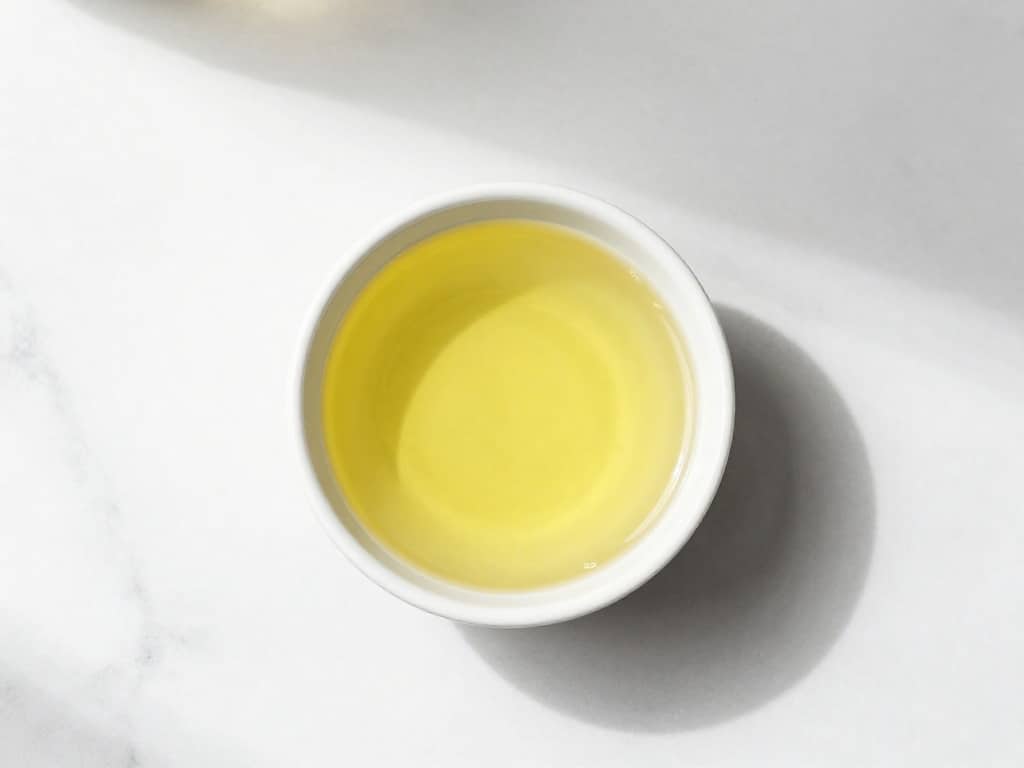
Avocado oil stands out from the other substitutes on this list because of its exceptionally high smoke point.
Refined avocado oil reaches up to 520°F before it begins to smoke and degrade, which makes it the strongest choice for high-heat applications like searing steak, deep-frying, or cooking in a very hot wok.
Its flavor is clean and slightly buttery, much milder than extra-virgin olive oil. In most hot cooking applications, the flavor is practically imperceptible once the food hits the pan.
Use it at a 1:1 ratio with corn oil without any adjustment.
Avocado oil also holds its own in cold applications. It works well in dressings and dips where a slightly richer mouthfeel is welcome.
For a side-by-side look at how it compares to other common oils, the canola vs coconut oil comparison provides useful context on choosing between refined oil options based on flavor and heat.
The main tradeoff is price. Avocado oil costs significantly more per bottle than canola or vegetable oil.
For everyday weeknight cooking, it can feel like using a premium product where a basic one would do the same job. Reserve it for recipes where heat is genuinely high or where you want a slightly cleaner, more neutral fat than corn oil provides.
Unrefined avocado oil has a noticeable grassy, avocado-forward aroma. For neutral cooking, always choose refined avocado oil to keep the flavor clean and avoid that aroma transferring to the dish.
Grapeseed Oil - 1:1 Corn Oil Substitute
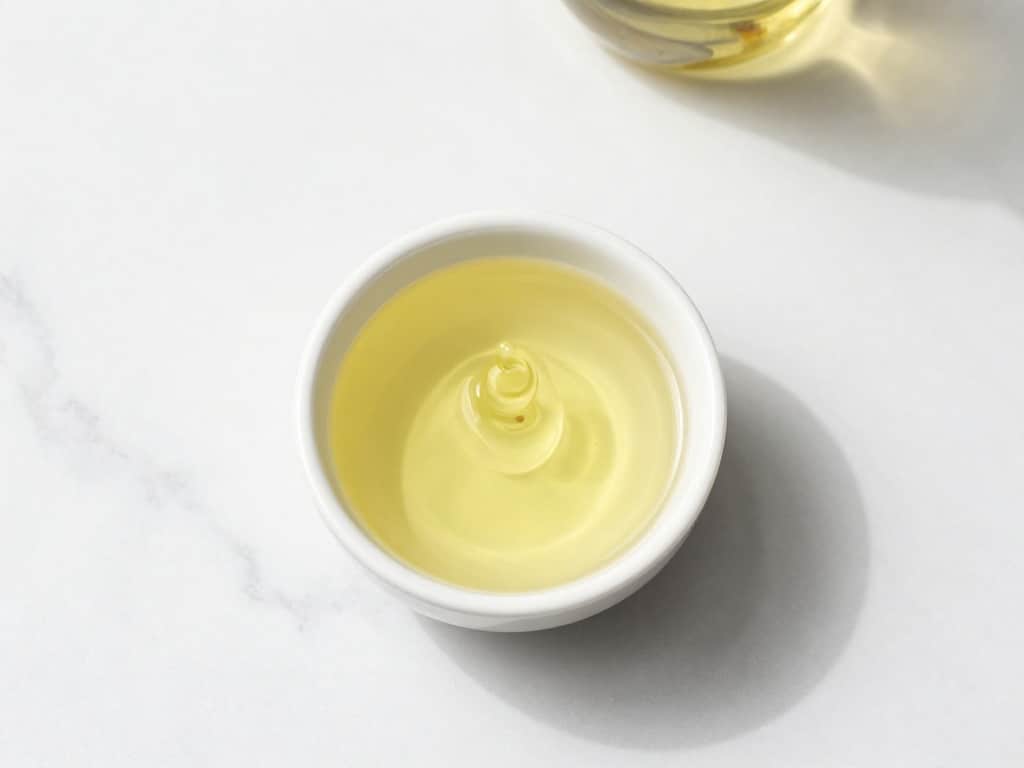
Grapeseed oil is a byproduct of winemaking, cold-pressed from the seeds left after grapes are processed. It has a very light, clean flavor with virtually no detectable aroma, making it one of the most neutral-tasting oils on this list.
Its smoke point sits around 420°F, which covers most standard stovetop and oven applications.
Swap it in at a 1:1 ratio for corn oil in baked goods, light stir-fries, or pan sauces where you want the oil to disappear into the background. It's particularly well suited to delicate recipes like chiffon cake, crepes, or sautéed fish where a heavier oil would compete with subtle flavors.
You can also use it in homemade flavored oils as a neutral base that carries added aromatics without interference.
Its light viscosity means it coats pans evenly and helps achieve a consistent golden color in pan-fried foods. For shallow frying, grapeseed oil produces a very clean result with minimal greasiness.
The main practical limit is availability and cost. Grapeseed oil is sold in most grocery stores, however it typically costs more than canola or vegetable oil.
It's also higher in polyunsaturated fats, which makes it less stable for prolonged high-heat frying compared to avocado oil. Use it for shorter cooking times or in recipes where its light body is a genuine advantage.
Grapeseed oil is the best choice when you want near-neutral flavor with a noticeably light texture. It's ideal for delicate baked goods and light pan cooking, not for extended high-heat frying.
Melted Coconut Oil - 1:1 Corn Oil Substitute
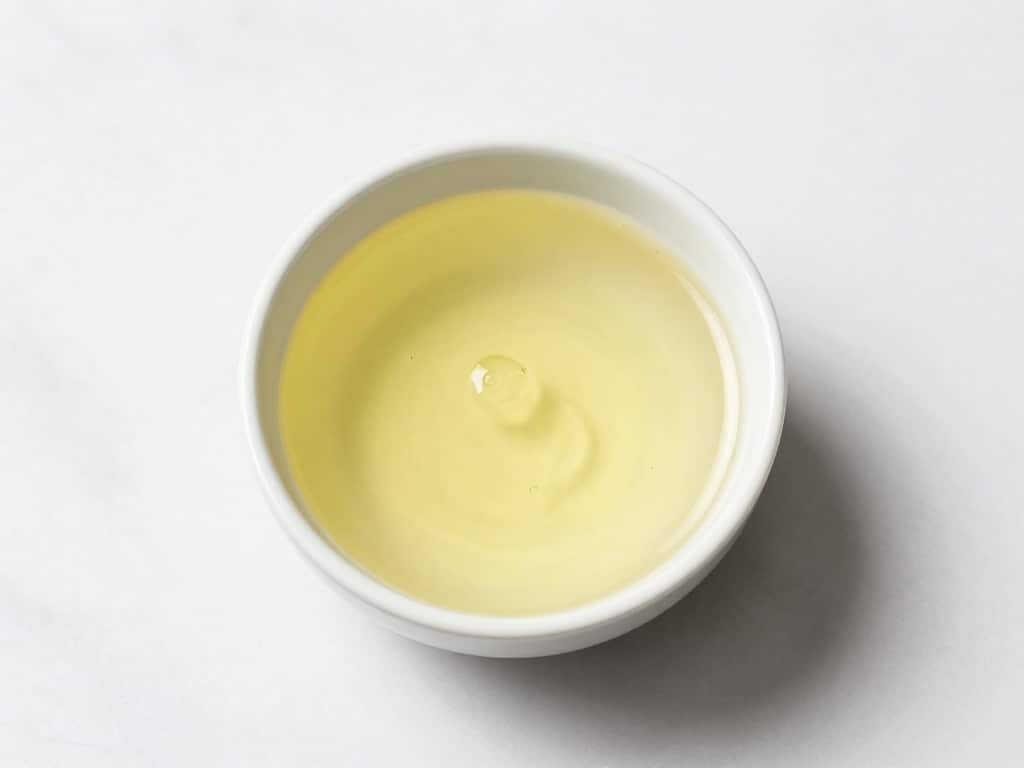
Melted coconut oil swaps into corn oil recipes at a 1:1 ratio, however it requires one extra step: the oil must be fully melted before measuring. Coconut oil is solid at room temperature (below 76°F), so measuring it in its solid state gives you a different volume than the liquid corn oil your recipe expects.
Always melt and then measure to keep ratios accurate.
Refined coconut oil has a neutral flavor and is the better choice when you don't want any coconut taste in the final dish. Unrefined (virgin) coconut oil carries a noticeable sweetness and tropical aroma, which can work beautifully in banana bread, granola bars, or tropical-flavored muffins.
For a deeper comparison of these two oil types in baking, the oil comparison in baking guide covers how fat profiles shift texture and flavor.
Its smoke point for refined versions sits around 400°F, similar to canola oil, so it handles moderate-heat sautéing without issue. For high-heat searing, avocado oil remains the stronger pick.
Coconut oil is most at home in baking recipes where its slightly richer fat content can contribute to a tender crumb and moist texture.
Flex-Level Decision Guide: Pick the Right Substitute Fast
Choosing between five oils is straightforward once you frame the decision around three factors: cooking temperature, desired flavor impact, and the specific dish type. Most recipes fall neatly into one of four categories.
For everyday baking and moderate-heat cooking where flavor should stay completely neutral, canola oil or vegetable oil are the default answers. They're affordable, available everywhere, and perform identically to corn oil in the vast majority of recipes.
If you're baking something delicate, like a white cake or a light quick bread, either of these swap alongside other ingredient adjustments without affecting structure.
- Neutral + Low Cost: Canola or vegetable oil at 1:1 covers baking, sautéing, and most frying with zero flavor shift.
- High-Heat Searing or Frying: Avocado oil at 1:1 handles temperatures up to 520°F without smoking or breaking down.
- Delicate Baked Goods: Grapeseed oil at 1:1 keeps texture light and flavor completely clean without adding any richness.
- Baking with a Flavor Accent: Virgin coconut oil at 1:1 (melted) adds a subtle sweetness that works in tropical and spiced recipes.
- Dietary Considerations: Avocado oil is highest in monounsaturated fats; grapeseed oil is higher in polyunsaturates; coconut oil is higher in saturated fat.
If you're unsure whether a substitute might affect texture or rise, start with canola oil. It's the safest all-around choice.
For readers navigating a broader pantry swap, the sugar substitute options follow a similar decision logic: match the function first, then adjust for flavor.
For most corn oil recipes, canola oil is the fastest, cheapest, and most reliable swap. Move to avocado oil for high heat, grapeseed for delicate textures, and coconut oil only when its flavor is welcome.
Frequently Asked Questions
What is the closest corn oil substitute for baking?
Canola oil is the closest match for baking. It has a neutral flavor and similar fat composition, producing identical moisture levels and crumb texture at a 1:1 ratio.
Can I substitute olive oil for corn oil in all recipes?
Not in all recipes. Extra-virgin olive oil has a strong, grassy flavor that can overpower delicate baked goods. Its lower smoke point of around 375°F also limits it in high-heat applications.
Will oil substitutions affect texture or moisture in baked goods?
Neutral oils like canola, vegetable, and grapeseed swap in without noticeable texture change. Coconut oil can slightly increase richness; always use it melted and measured as a liquid.
Are there health differences among these substitutes?
Yes. Avocado oil is highest in heart-healthy monounsaturated fats. Grapeseed oil is rich in polyunsaturates. Coconut oil contains more saturated fat than the others at roughly 12 grams per tablespoon.
How should I adjust cooking times when substituting oils?
No time adjustment is needed. Oils transfer heat at similar rates, so cooking times stay the same. Adjust only if switching to a solid fat like butter, which behaves differently in the pan.
Savory Tweaks: 5 BEST Substitutes for Corn Oil
Ingredients
Method
- Choose your substitute based on the dish type and desired flavor match. Use canola or vegetable oil for neutral everyday cooking, avocado oil for high heat, grapeseed for delicate recipes, and melted coconut oil for baking with a subtle sweetness.
- Prepare the substitute as directed: melt coconut oil fully before measuring, and always use refined versions of avocado or coconut oil when a neutral flavor is needed.
- Apply the substitution ratio carefully. All five substitutes replace corn oil at a 1:1 ratio with no change to the measurement.
- Taste and adjust seasoning. Virgin coconut oil may add mild sweetness; avocado oil may add slight richness. Adjust other flavors in the recipe accordingly.
Notes
- Always melt coconut oil fully and then measure it as a liquid to ensure accurate 1:1 replacement.
- For high-heat cooking above 400°F, avocado oil is the safest choice among these five substitutes.
Tried this recipe?
Let us know how it was!
Carrie is a food writer and editor with more than 15 years of experience. She has worked for some of the biggest names in the food industry, including Bon Appétit, Food & Wine, and Martha Stewart Living.
As the Editor in Chief of EpicureDelight, Carrie oversees all of the content on the site. She also manages the team of contributing writers and editors, who help to create delicious recipes, helpful tips, and informative articles that you’ll find on the site.
A native of the Chicago area, Carrie is passionate about all things food. She loves trying new restaurants and experimenting with new recipes in her kitchen. She’s also a graduate of the Culinary Institute of America, so she knows a thing or two about food!



