
Angelica root adds a distinctive sweet-herbal quality to recipes, somewhere between anise and mild celery, that is hard to replicate exactly. The root is used in savory sauces, aromatic broths, gin botanicals, Scandinavian pastries, and liqueur production, making it a surprisingly versatile ingredient.

The problem is that it is simply not stocked in most grocery stores outside specialty or health food shops.
The good news is that several pantry-friendly herbs and spices come close enough to keep your dish on track. Each of the five substitutes below covers a different flavor angle, so the right pick depends on what your recipe actually needs from angelica root.
Angelica root is prized for its sweet, anise-adjacent licorice notes layered with a faintly bitter, herbaceous edge. That dual character is what makes replacing it tricky.
A straight spice swap rarely covers both dimensions at once.
Most substitutions start at a 1:1 ratio and adjust from there based on the strength of the replacement. Some swaps need to be dialed back to avoid overpowering the dish, especially in baked goods where the licorice note is meant to be subtle.
If you find yourself swapping spices often, our guide to hot paprika substitutes follows the same ratio-based approach and is worth bookmarking.
This guide covers all five substitutes with precise ratios, best-use contexts, and real tradeoffs so you can make a confident choice in minutes.
The five best substitutes for angelica root are star anise + parsley, anise seed + celery seed, fennel pollen or ground fennel, dill seed or dill weed, and lovage root or seed. Most work at a 1:1 starting ratio with minor adjustments for sweetness or bitterness depending on the dish.
Angelica Root Substitutes in Detail
The table below gives you a fast reference across all five substitutes. Flavor match and ratio are starting points, not hard limits.
Adjust based on your personal taste and the dominant flavors already in the dish.
| # | Substitute | Flavor Notes | Best For | Ratio |
|---|---|---|---|---|
| 1 | Star Anise + Parsley | Bold licorice, fresh herbal | Savory sauces, braises, aromatics | 1:1 blend |
| 2 | Anise Seed + Celery Seed | Mild licorice, earthy | Soups, baked goods, sauces | 1:1 to 1:1.5 |
| 3 | Fennel Pollen or Ground Fennel | Sweet licorice, warm | Baking, roasted vegetables, savory | 1:1 (pollen: use less) |
| 4 | Dill Seed or Dill Weed | Green, lemony, mild anise | Soups, pickling brines, light sauces | 1:1 |
| 5 | Lovage Root or Seed | Celery-anise, earthy, intense | Long-cooked sauces, broths, savory | Start at ¾:1 |
Save This for Later
Pin this savory tweaks: 5 best angelica root substitutes guide so you always have it when you need it.
Pin This Guide1. Star Anise + Parsley (Aromatic Blend)
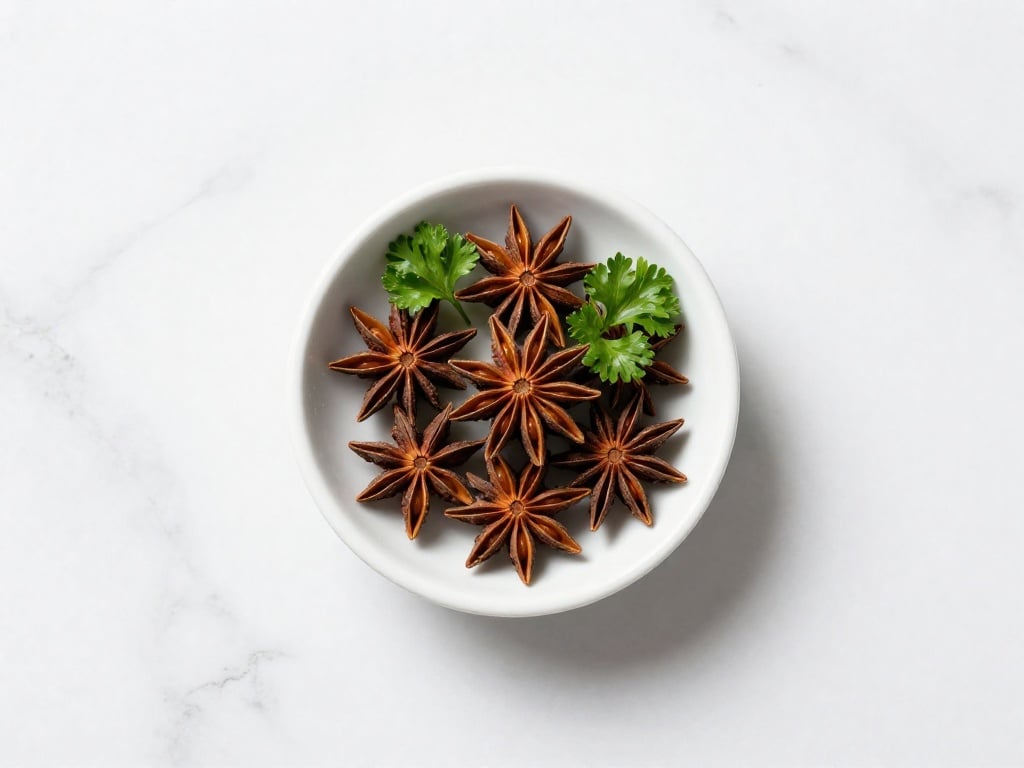
This two-part blend is the closest match for angelica root in savory applications. Star anise provides the licorice-like aroma that mirrors angelica's sweet notes, while flat-leaf parsley adds the green, slightly bitter herbaceous edge that keeps the flavor from reading as purely sweet.
Use equal parts ground star anise and finely chopped fresh parsley, measured to replace the same volume of angelica root called for.
This combo works especially well in braises, savory sauces, and aromatic stocks. Stir it in during the last 10 minutes of cooking to preserve the parsley's brightness.
If you are working with a dry spice blend, swap fresh parsley for dried parsley at half the volume.
The tradeoff is intensity. Star anise is significantly more potent than angelica root, so pull back if the recipe already leans heavily spiced.
A ratio of ½ part ground star anise to ½ part parsley replacing 1 part angelica root is a safe starting point. Taste as you go and add more only if the dish needs it.
This blend does not work as cleanly in baking, where the bold anise note of star anise can overwhelm delicate crumb structures. Stick to savory dishes and long-cooked preparations where the heat can mellow the anise edge over time.
For other assertive spice swaps in savory contexts, see how cooks handle paprika substitutes when bold flavor needs to be balanced.
Star anise is 3-4 times more aromatic than angelica root by weight. Use no more than ½ part ground star anise per 1 part angelica root called for, or the licorice note will dominate the entire dish.
2. Anise Seed + Celery Seed (Herbal-Sweet Blend)
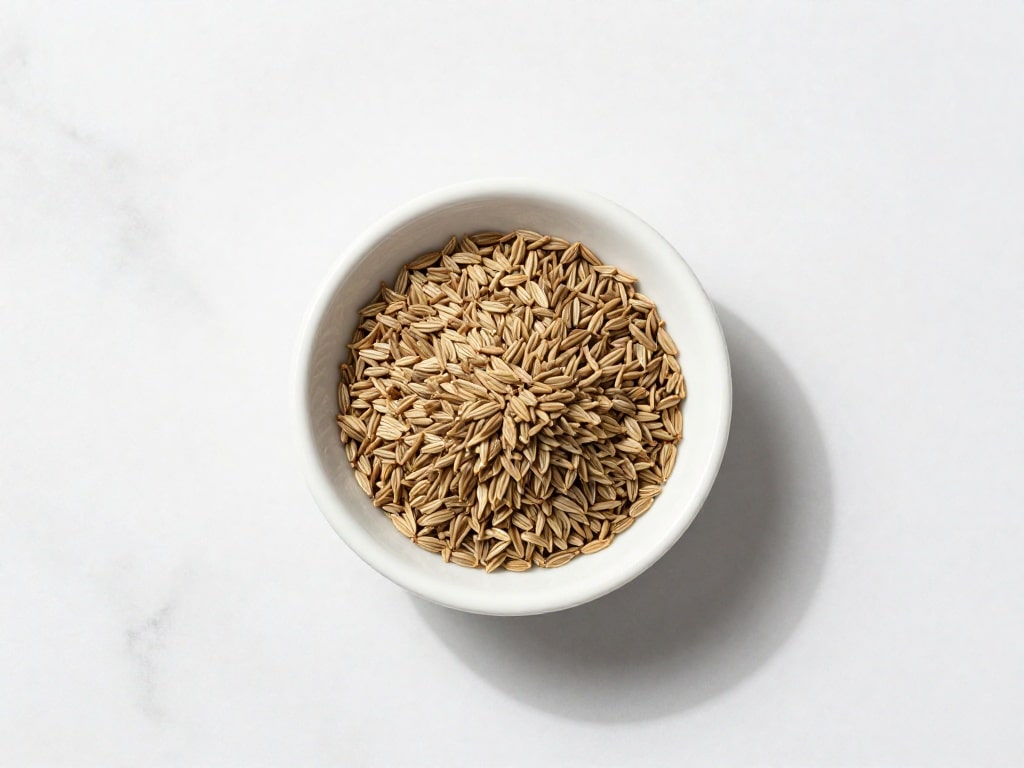
Anise seed and celery seed make a gentler, more balanced substitute than straight star anise. Anise and angelica share licorice-like sweetness, and the celery seed adds the slightly bitter, aromatic complexity that makes angelica useful in both sweet and savory recipes.
The combination is milder overall, which is exactly what you want when the licorice note should be background rather than front-and-center.
Start with a 1:1 ratio in soups, light sauces, and baked goods that call for gentle sweetness. If the recipe needs more depth, scale up to a 1:1.5 ratio, meaning 1.5 parts of the blend per 1 part angelica root.
Use whole seeds in long-simmered dishes and ground seeds in baking for even distribution through the batter or dough.
This swap is especially reliable in Scandinavian-style baked goods, herb breads, and vegetable soups where angelica root contributes subtle aromatic sweetness rather than a dominant flavor.
The celery seed prevents the blend from tipping too sweet, keeping the flavor profile closer to the original herb's complexity.
Color impact is minimal. Anise seed and celery seed are both pale gold, so they will not noticeably shift the color of a light-colored batter or cream sauce.
If color consistency matters in your recipe, this blend is one of the safest picks of the five. Bakers who swap specialty ingredients frequently may also find it helpful to reference how treacle substitutes are handled when depth and color both matter.
Mix anise seed and celery seed in equal parts before measuring. A pre-mixed blend ensures even distribution and prevents pockets of one dominant flavor in the finished dish.
3. Fennel Pollen or Ground Fennel (Savory Alternative)
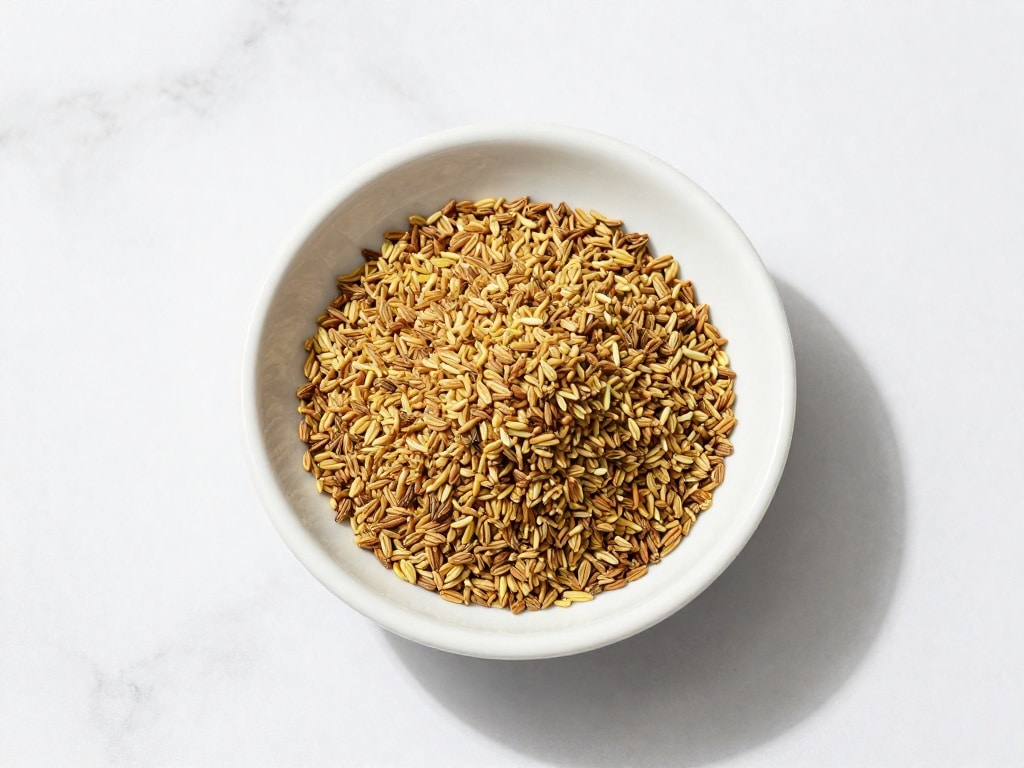
Fennel is one of the most versatile angelica root substitutes because it comes in two useful forms with different intensity levels. Fennel offers sweet, fresh licorice notes with a warm aroma that translates naturally into both baked goods and savory dishes.
Ground fennel seed is the everyday choice, while fennel pollen is a more concentrated version with a floral, almost honeyed depth that works in smaller amounts.
For ground fennel seed, use a 1:1 ratio as a starting point. For fennel pollen, start at ½:1 because pollen is significantly more potent and aromatic than ground seed.
In baking, ground fennel blends invisibly into dry ingredients and adds warmth to spiced cakes, breads, and shortbreads. In savory cooking, both forms perform well with roasted root vegetables, pork, and cream-based sauces.
Fennel pollen is worth seeking out for dishes where angelica root is meant to be a noticeable aromatic presence, such as spiced broths or finishing a roasted vegetable dish.
Ground fennel is the better choice when you need a background hum of sweetness rather than a bold aromatic statement.
One practical note: fennel seed can leave small flecks in pale batters and sauces. If that bothers you, use a spice grinder to take it to a fine powder before adding it.
This also helps the flavor integrate more evenly. For more ideas on swapping spices in dishes where texture and color matter, the guide to Chinkiang vinegar substitutes covers similar texture-and-flavor tradeoffs in sauces and condiments.
Ground fennel seed at a 1:1 ratio is the most versatile all-purpose swap for angelica root. It works in baked goods, savory sauces, and vegetable dishes without dominating or clashing with existing spices.
4. Dill Seed or Dill Weed (Fresh-Herbal Substitute)
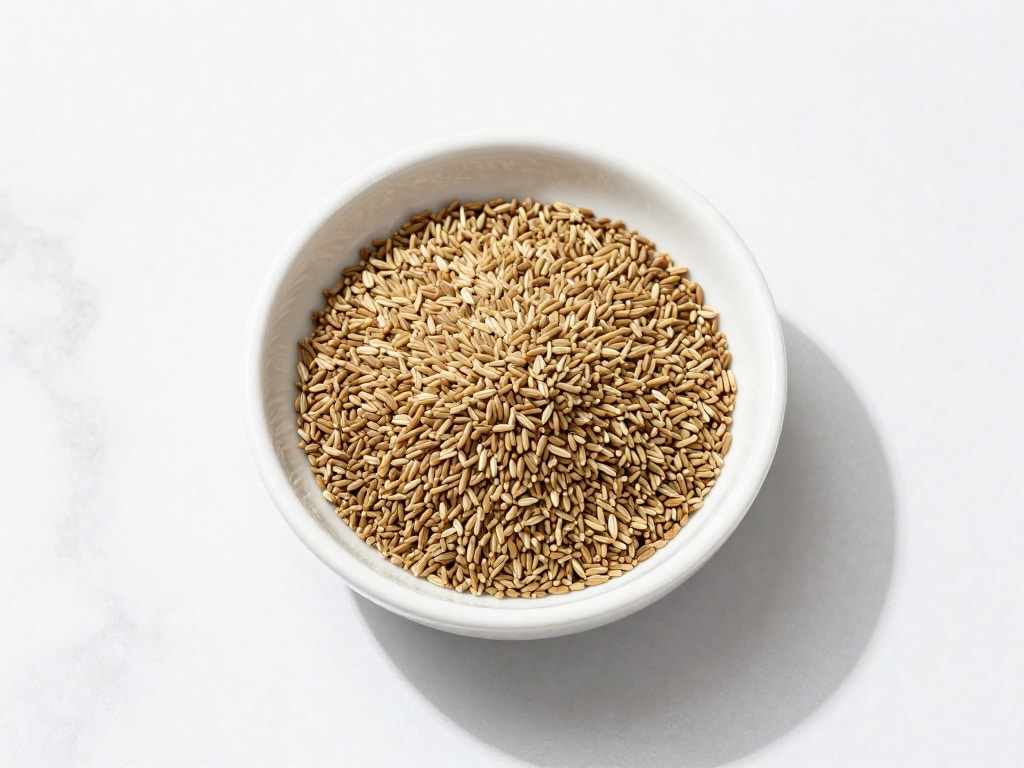
Dill is a softer, fresher-tasting substitute that works when angelica root is being used for its brightness rather than its licorice depth. Dill contributes green, slightly lemony notes that can mimic angelica's brightness in soups, pickling brines, and light herb sauces.
It does not replicate the anise character, so it is a better fit when the recipe needs herbal lift rather than sweet-spiced complexity.
Dill seed and dill weed behave differently in the pan. Dill seed is more durable under heat, holding its flavor through longer cooking times and making it suitable for braises, slow-cooked stocks, and baked goods.
Dill weed is delicate, best added in the last few minutes of cooking or used fresh as a finishing herb. Use both at a 1:1 ratio to replace angelica root, adjusting up slightly if the dish needs more herbaceous presence.
In baking, dill seed works better than dill weed because the moisture in fresh or dried dill weed can affect dough hydration in precise recipes like crackers or rye bread. Dill seed stays dry and distributes evenly through a batter.
In savory applications, either form works depending on your preference for cooked versus fresh herbal flavor.
Dill does not add the bitter, rooty depth that angelica root sometimes provides. If your recipe relies on that earthier edge, combine dill weed with a small amount of celery seed to fill the gap.
Home cooks who enjoy working with specialty root vegetables often find that similar substitution logic applies when swapping Maris Piper potatoes for other starchy varieties in structured recipes.
If you only have dill weed on hand, use it at 1:1 but add ¼ teaspoon of celery seed per tablespoon of dill to recover the earthy, rooty quality that angelica root contributes to savory dishes.
5. Lovage Root or Lovage Seed (Close Mimic in Savory)
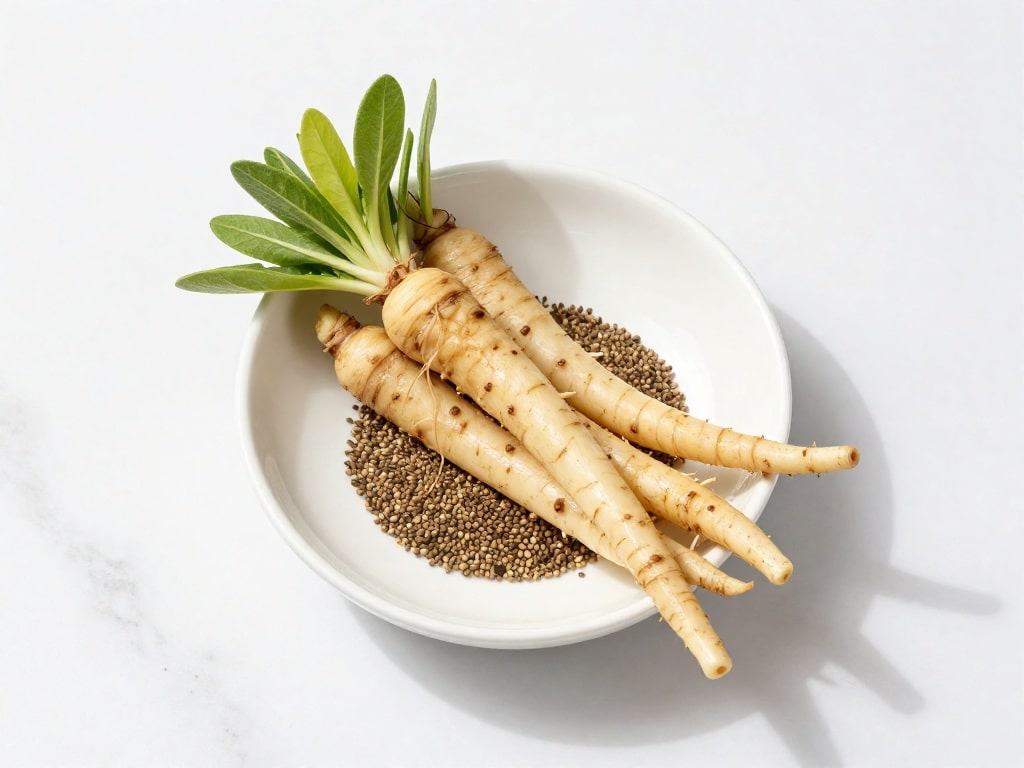
Lovage is the substitute that comes closest to angelica root's full flavor profile. Lovage has a strong celery-like aroma with clear hints of anise, making it structurally similar to angelica in ways that other substitutes simply are not.
The root, seeds, and leaves are all usable, and each part brings slightly different intensity. Lovage root and lovage seed are the most concentrated forms, best for long-cooked savory dishes where their flavor has time to soften and integrate.
Start at a ¾:1 ratio, meaning three-quarters as much lovage as the recipe calls for in angelica root. Lovage is more intense than angelica, especially in the celery dimension, and using too much too early can push the dish in an oddly savory direction.
In broths, slow-simmered sauces, and braised dishes, lovage root added early in cooking mellows into a background depth that is genuinely close to what angelica provides.
Lovage is less common than the other substitutes on this list but is grown in herb gardens across Europe and is available dried from specialty spice retailers. If you can find it, prioritize it for savory applications over baking.
Its flavor is too assertive and celery-forward for most desserts or delicately flavored pastries.
For sweet recipes, lovage is not the right pick. Its earthy, celery-anise intensity tends to make desserts taste savory rather than complex.
Pair it instead with root vegetables, legumes, and meat-based dishes where its depth reads as richness rather than off-flavor. Cooks who experiment with unconventional swaps in savory dishes might also enjoy exploring how flank steak substitutes balance intensity and texture in meat-forward recipes.
Do not use lovage in desserts or light cream-based pastries. Its celery-anise intensity overpowers delicate sweetness and pulls the flavor profile toward savory in an unpleasant way.
Decision Guide: Choose the Right Substitute by Dish Type
The fastest way to choose is to match the substitute to what the recipe actually needs from angelica root. Savory dishes tolerate slightly higher herb note substitutions because bold aromatics can be absorbed by longer cooking times and richer surrounding flavors.
Baking needs more controlled ratios because every aromatic compound is amplified in a dry, enclosed heat environment with no liquid to temper the edge.
Use the comparison below to narrow your choice based on what you have in the pantry and what your dish needs most.
Baking and Pastry
✅ Anise seed + celery seed or ground fennel seed are the safest picks. Both disperse evenly in dry batters and contribute subtle sweetness without dominating a delicate crumb. Start at 1:1 and pull back if the licorice note reads too strong.
⚠️ Avoid lovage root and star anise in baked goods. Lovage is too celery-forward and star anise can overwhelm pastry's natural sweetness, especially in smaller batches where the ratio has little room for error.
Savory Sauces and Braises
✅ Star anise + parsley or lovage root are the top choices for savory applications. Both bring the licorice-herb combination that angelica provides in long-cooked dishes, with lovage adding extra celery depth for meat-based recipes.
⚠️ Keep a close eye on volume when using lovage or star anise. Starting at ¾:1 and building up slowly prevents the substitute from hijacking the dish's base flavor before you can correct course.
Soups and Broths
✅ Dill seed or the anise seed + celery seed blend performs well in soups. Dill seed holds up through simmering, and the anise-celery blend adds aromatic complexity to broth-based dishes without making them taste like a different recipe.
⚠️ Dill weed is too delicate for long-simmered broths. Add it only at the very end as a finishing herb, or it loses most of its flavor and contributes little beyond color. Pair it with celery seed for better staying power.
For recipes that require swapping several ingredients at once, the same logic applies across categories. The napa cabbage substitute guide is a good example of how layering texture and flavor decisions together leads to better results than swapping one element in isolation.
Fine-Tuning Your Substitution
Once you have chosen your substitute and applied the starting ratio, the real adjustment happens at the tasting stage. Micro-adjustments can tailor sweetness and licorice notes to match the original recipe's intent far more precisely than any fixed ratio can.
Add the substitute in small increments, taste after each addition, and stop when the flavor feels balanced rather than dominant.
Certain spice pairings can interact with your substitute in unexpected ways. Clove, cardamom, and cinnamon all share aromatic compounds with anise-family herbs, so dishes already containing those spices will amplify the licorice quality of your angelica substitute.
Pull back the ratio slightly in heavily spiced recipes. Conversely, acidic ingredients like citrus juice or vinegar can mute herbal sweetness, so you may need to add a touch more of your substitute in bright, acidic dishes to maintain the same aromatic presence.
Cooks who frequently swap ingredients in spiced or pickled preparations may also find it useful to review how white cheddar substitutes account for flavor intensity when other strong-tasting components are already in the dish.
Always start below the stated ratio and build up. Angelica root substitutes tend to be more aromatic than the original, and it is far easier to add more than it is to fix an over-spiced dish. If you overshoot on bitterness, a small amount of honey or sugar can help pull the flavor back into balance.
Frequently Asked Questions
What is the best all-purpose angelica root substitute?
Ground fennel seed at a 1:1 ratio is the most reliable all-purpose swap. It works in both baking and savory dishes and is widely available in most grocery stores.
Can I use an angelica root substitute in desserts?
Yes. Anise seed blended with celery seed or ground fennel seed are the safest choices. Avoid lovage and star anise, which are too assertive for most sweet preparations.
Are dried substitutes as potent as fresh?
Dried substitutes are often more concentrated than fresh. Use about two-thirds the amount when replacing fresh angelica root with a dried herb or ground spice substitute.
Do substitutes affect texture in baking?
Ground spice substitutes do not significantly alter baking texture. Fresh or dried herb substitutes like dill weed can add moisture, so reduce other liquid by a small amount if needed.
How long do substitutions last in storage?
Whole seeds like anise or fennel stay potent for up to 3 years when stored in an airtight container. Ground spices lose significant aroma after 12 to 18 months.
Savory Tweaks: 5 BEST Angelica Root Substitutes
Ingredients
Method
- Choose your substitute based on the dish type and desired flavor match. Use fennel or lovage for savory dishes and anise seed blend for baking.
- Prepare the substitute as directed: adjust ratios and prep as noted for each option. Ground spices can go directly into dry ingredients; whole seeds may need grinding for baking.
- Apply the substitution ratio carefully. Start with the stated amount and adjust to taste, adding in small increments rather than all at once.
- Taste and adjust seasoning. Some substitutes shift flavor or texture slightly, so check the balance of sweetness, bitterness, and herbal notes before serving.
Notes
- Star anise is significantly more potent than angelica root; never exceed ½ part per 1 part angelica root called for.
- Micro-adjust sweetness and licorice intensity at the tasting stage rather than relying solely on the starting ratio.
Tried this recipe?
Let us know how it was!
Carrie is a food writer and editor with more than 15 years of experience. She has worked for some of the biggest names in the food industry, including Bon Appétit, Food & Wine, and Martha Stewart Living.
As the Editor in Chief of EpicureDelight, Carrie oversees all of the content on the site. She also manages the team of contributing writers and editors, who help to create delicious recipes, helpful tips, and informative articles that you’ll find on the site.
A native of the Chicago area, Carrie is passionate about all things food. She loves trying new restaurants and experimenting with new recipes in her kitchen. She’s also a graduate of the Culinary Institute of America, so she knows a thing or two about food!



