
Kombucha brings a distinctive mix of tang, fizz, and mild fermented depth to sauces, glazes, and baked goods that can be tricky to replace.

Its pH typically ranges from 2.5 to 3.5, making it genuinely acidic enough to affect both flavor and structure in a recipe.
Not everyone keeps kombucha on hand, and some recipes call for just a cup of it as a liquid base. Running out mid-recipe is frustrating, so having reliable substitutes ready saves the dish.
The five substitutes covered here work across savory sauces, marinades, glazes, and some baking contexts. Each one is paired with an exact ratio and a clear best-use case so you can make the swap confidently without rereading the same advice twice.
Alcohol content in some kombucha brews is negligible after baking, which means the functional role you are replacing is mostly acidity and a hint of body. These swaps address both.
If you also swap out balsamic vinegar in the same recipe, check that your combined acid level does not overpower the dish.
The five best kombucha substitutes are apple cider vinegar with sparkling water, non-alcoholic apple cider with water, a white wine and apple cider vinegar blend, white grape juice with lemon juice, and a yogurt, white wine, and water mix. Each is used at a 1:1 ratio unless a lower-acid result is needed, in which case a 2-3 tablespoon reduction applies.
Kombucha Substitutes in Detail
Before getting into the details of each swap, this table gives you a fast answer. Use it to match your dish type to the right substitute without sorting through paragraphs of explanation.
Each ratio below replaces 1 cup of kombucha. For baking, kombucha works as a standard liquid replacement at 1:1, though you may need to adjust added sugar.
Common baking uses follow a straightforward 1:1 liquid swap, so most of these substitutes slot in directly.
Use this table as a quick dial to pick the right substitute based on desired flavor profile. Match the "Best For" column to your dish first, then check the ratio.
| # | Substitute | Ratio | Best For | Taste Match |
|---|---|---|---|---|
| 1 | Apple Cider Vinegar + Sparkling Water | 1:1 | Savory sauces, marinades, glazes | Close |
| 2 | Non-Alcoholic Apple Cider + Water | 2-3 tablespoon per 1 cup | Dressings, reductions, deglazing | Mild |
| 3 | White Wine + Apple Cider Vinegar Blend | 1:1 | Deglazing, savory sauces | Close |
| 4 | White Grape Juice + Lemon Juice | 1:1 | Glazes, light dressings, some baking | Mild |
| 5 | Yogurt + White Wine + Water | 1:1 | Creamy sauces, marinades | Different |
Save This for Later
Pin this savory tweaks: 5 best kombucha substitutes guide so you always have it when you need it.
Pin This GuideEach substitute below includes the ratio, the best dish context, and the main tradeoff you need to know before committing to the swap.
1. Apple Cider Vinegar + Sparkling Water
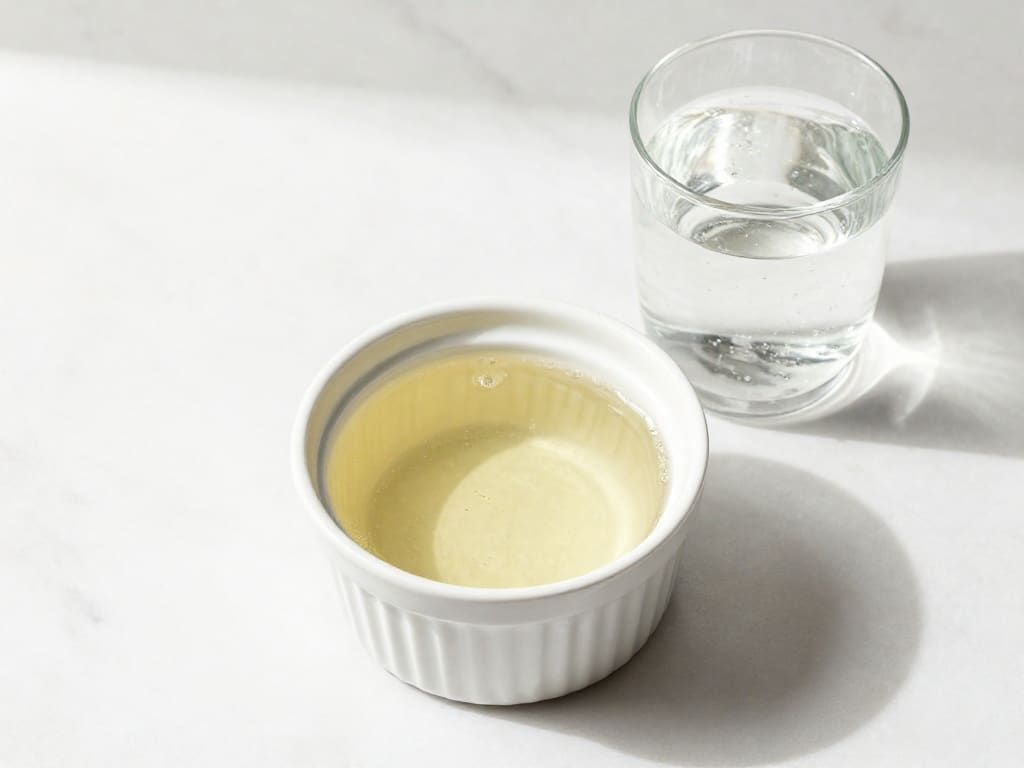
This is the closest match to kombucha's acidity and light effervescence. Apple cider vinegar adds tang with a fruity note that mirrors the fermented character of kombucha, while sparkling water preserves some of the fizz-like mouthfeel in finished sauces.
Mix 2 tablespoons of apple cider vinegar with enough sparkling water to reach 1 cup total. This 1:1 ratio works directly in marinades, savory glazes, and reduction sauces.
The tradeoff is sharpness: undiluted apple cider vinegar is significantly more acidic than kombucha, so the sparkling water dilution is not optional. If you also need to replace coconut vinegar in the same recipe, keep total vinegar volume in check to avoid a one-note sour result.
This blend holds up well under heat. The carbonation dissipates quickly when the liquid hits a hot pan, which is fine for sauces and glazes since the structural benefit of fizz is minimal in cooked applications.
In cold sauces or dressings, use the blend immediately after mixing so you capture whatever light texture the bubbles add.
The fruity quality of apple cider vinegar pairs naturally with pork-based glazes, chicken marinades, and grain bowls that need a bright finishing acid.
It does not work as well in recipes where kombucha is providing a neutral mild tang, since the apple note will come through noticeably.
Best for bright tang in savory sauces and marinades. Mix 2 tablespoons apple cider vinegar with sparkling water to reach 1 cup, and use immediately in cold applications.
2. Non-Alcoholic Apple Cider + Water
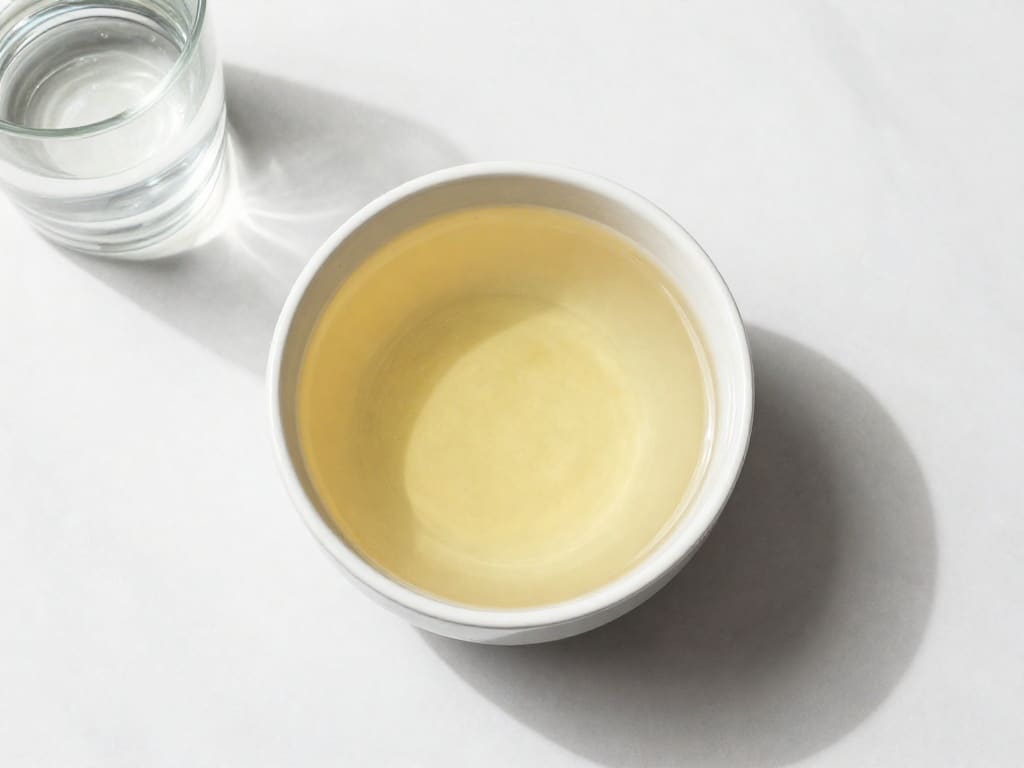
Non-alcoholic apple cider is less acidic than vinegar-based blends and brings a rounded, slightly sweet body that works well in recipes where kombucha is adding liquid volume without intense sourness. It is a gentler swap for dishes where balance matters more than acidity.
Use 2 to 3 tablespoons of non-alcoholic apple cider per 1 cup of kombucha called for, then fill the rest with water. Diluting controls the tang so it does not overpower dressings, gentle reductions, or pan sauces.
For recipes where apple juice already works as a stand-in, this cider blend is a slight upgrade because it has more depth and natural fermented sweetness.
Deglazing with diluted apple cider works particularly well for pork chops or chicken thighs. The natural sugars in the cider help the fond lift and caramelize at the edges of the pan, giving you a sauce with more color and body than plain water would provide.
That said, reduce sweetness in the overall recipe by about 25% when using this substitute in savory reductions, since the cider brings its own sugar load.
This substitute does not replicate kombucha's fizz at all. The mouthfeel in finished dishes will be slightly rounder and less bright.
For baked goods, it works as a straight 1:1 liquid replacement when the primary role of kombucha was hydration rather than leavening through acid-base reaction.
Reduce sweetness in your recipe by 25% when substituting non-alcoholic apple cider in savory reductions. The cider's natural sugars will shift the balance if you do not compensate.
3. White Wine + Apple Cider Vinegar Blend
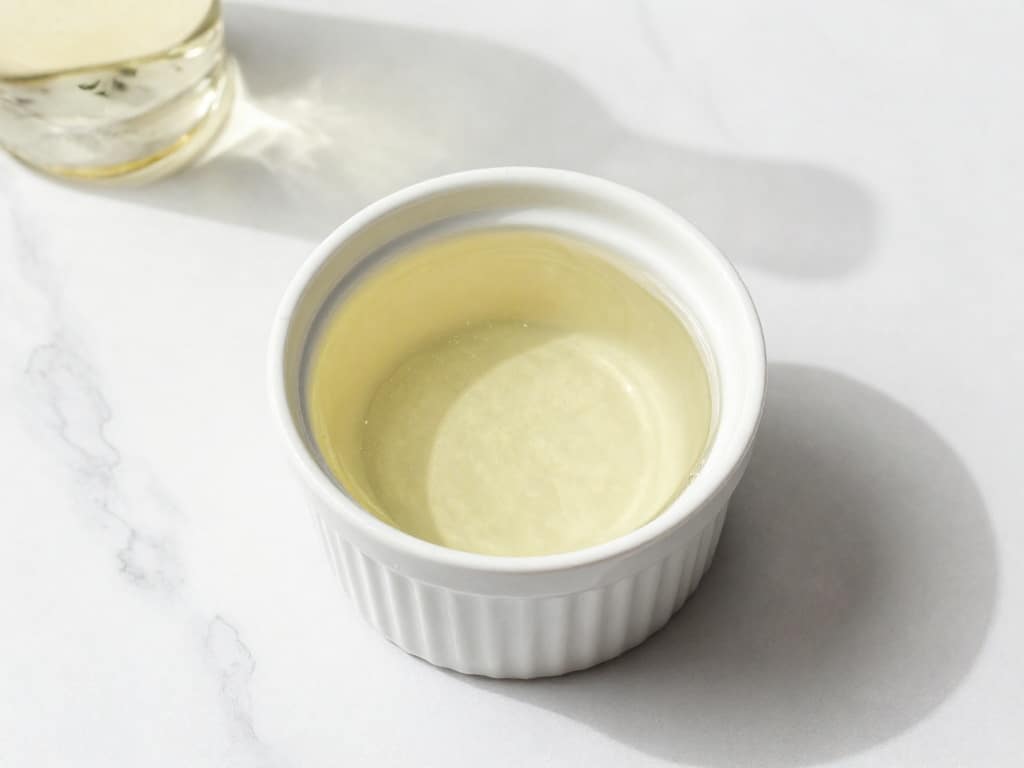
A dry white wine and apple cider vinegar blend mimics kombucha's layered acidity with a slightly more complex background flavor.
The blend works at a ratio of 3 parts dry white wine to 1 part apple cider vinegar, which gives you enough acid to match kombucha without tipping the dish into sharp territory.
This substitute performs best when deglazing a pan after searing meat or aromatics. The wine carries the fond and adds depth, while the vinegar sharpens the finish so the sauce does not taste flat.
It also holds up well in marinades for chicken, white fish, or root vegetables. White wine in cooking applications generally lifts the dish with a brightness that plain stock cannot replicate, and this blend amplifies that effect with the added acidity from the vinegar.
The tradeoff is alcohol content. Most of the alcohol in white wine cooks off during deglazing, but if you are building a cold marinade, be aware that the wine flavor will read more directly.
For those who prefer a fully non-alcoholic approach, substitute non-alcoholic white wine with the same 3:1 ratio. Non-alcoholic white wine alternatives behave almost identically in cooked applications and will not affect the final acidity of the blend.
Do not expect this blend to ferment or develop the probiotic quality of kombucha. Its role here is purely to replicate the flavor and acid profile, which it does effectively in most savory contexts.
Best for deglazing and savory sauces needing a gentle bite. Use 3 parts dry white wine to 1 part apple cider vinegar and add it directly to the hot pan after searing.
4. White Grape Juice + Lemon Juice
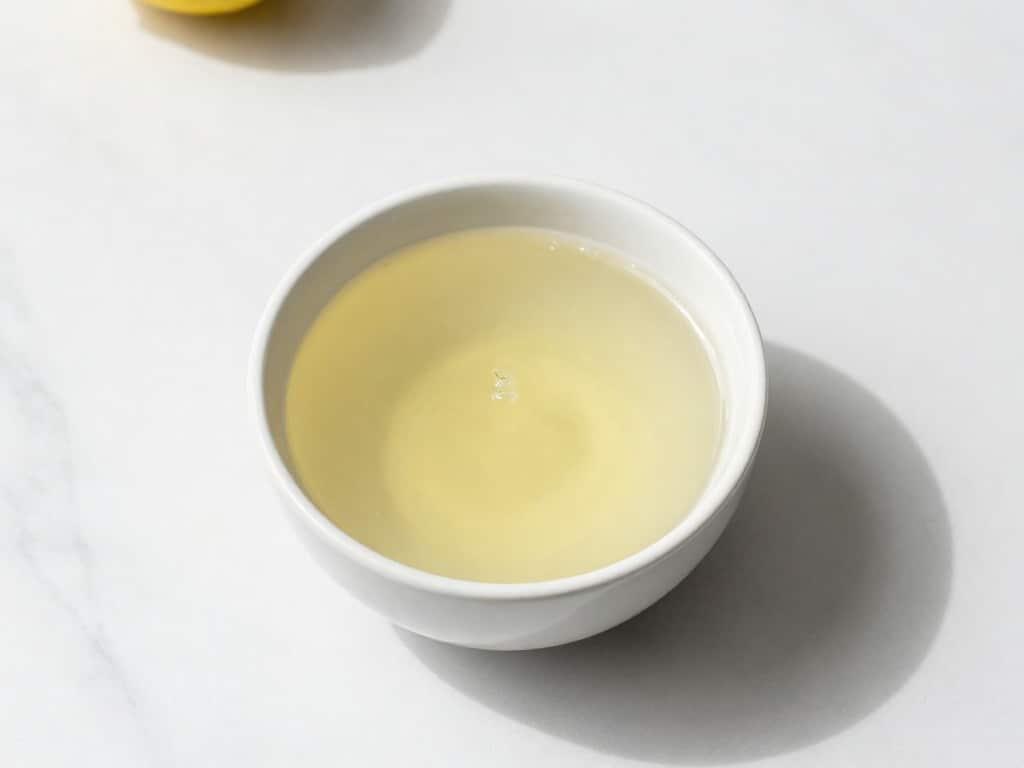
White grape juice has a gentle sweetness that resembles the mild fruitiness of lightly flavored kombucha.
Adding fresh lemon juice sharpens that sweetness and increases acidity to mimic kombucha's zing, making this a useful swap in glazes, dressings, and some baking applications where you need both sweetness and tang.
Mix ¾ cup white grape juice with ¼ cup fresh lemon juice to make 1 cup of substitute. The lemon juice brings the pH closer to kombucha's range while the grape juice provides body.
This ratio works at 1:1 in most recipes. For baking contexts where kombucha is activating baking soda, the lemon juice provides enough acid to continue that reaction.
Fruit-based substitutes in baked goods often need a similar lemon-acid boost to stay balanced, and the same principle applies here.
The main tradeoff is sweetness. White grape juice adds more sugar than kombucha does, so reduce any added sweetener in your recipe by at least 2 tablespoons per cup of this substitute.
In savory glazes for chicken or salmon, this is actually an advantage since the natural grape sugar caramelizes nicely under heat.
This substitute does not provide carbonation. In recipes where kombucha's fizz was contributing to a lighter texture, you may notice a slightly denser result.
For glazes and dressings, the difference is undetectable.
Best for tangy glazes and light dressings. Combine ¾ cup white grape juice with ¼ cup lemon juice, and reduce added sugar in the recipe by 2 tablespoons per cup used.
5. Yogurt + White Wine + Water
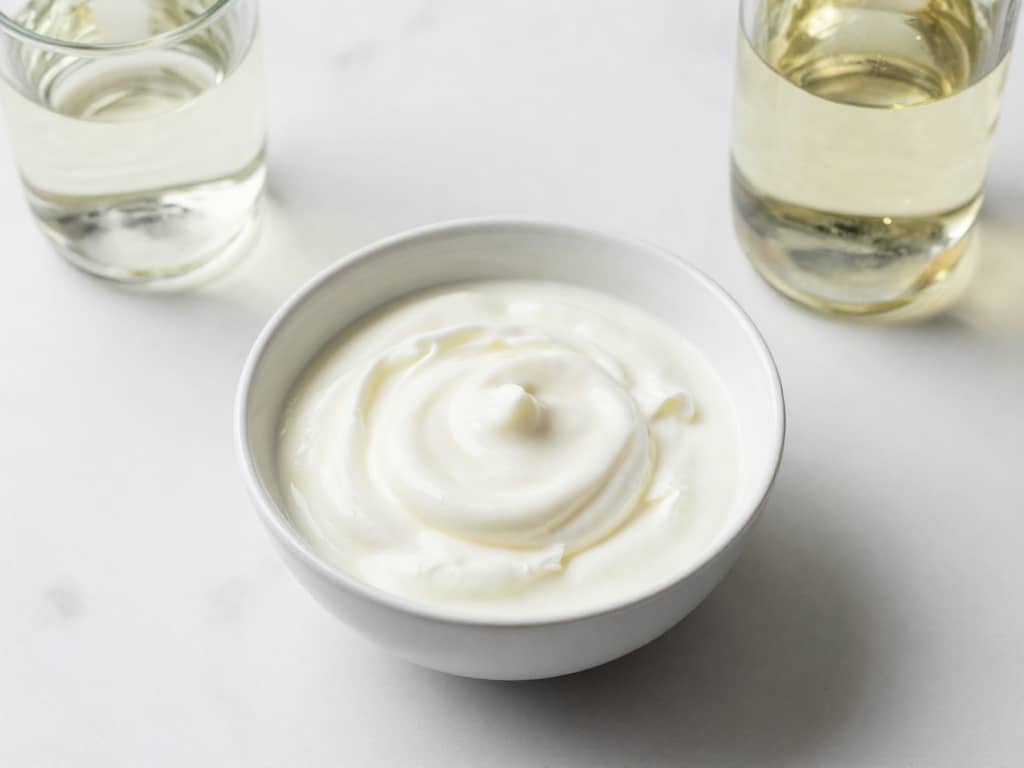
This combination suits recipes where kombucha is providing both liquid and a creamy, slightly tangy body. Yogurt adds creaminess, the white wine brings mild acidity and complexity, and water thins the mixture to a pourable consistency that matches kombucha's weight in a recipe.
Use low-fat yogurt for lighter sauces and full-fat yogurt when the dish needs richer body.
Mix ¼ cup plain yogurt with ½ cup dry white wine and ¼ cup water to make 1 cup of substitute. Whisk thoroughly so the yogurt fully incorporates before adding to the dish.
This blend works in creamy pan sauces, yogurt-based marinades, and slow-cooked dishes where the acidity has time to mellow. For fermented or tangy ingredient replacements in general, yogurt is a reliable acid and body source that does not require refrigerator hunting.
The key risk is curdling. When yogurt is added to a very hot sauce over high heat, the proteins can seize and the sauce will split.
Always reduce heat to medium-low before adding this substitute, and stir continuously. If the sauce needs to simmer, add the yogurt blend in the last 5 minutes of cooking rather than at the start.
This is the most texture-forward substitute on the list. It changes the mouthfeel of sauces noticeably, making them silkier.
In baking, it works best when the recipe already calls for some dairy, since the addition of yogurt will affect crumb structure in recipes expecting a purely liquid kombucha role.
Best for creamy sauces and marinades that benefit from body. Add over medium-low heat and stir continuously to prevent curdling from the yogurt's dairy proteins.
Choosing the Right Substitute for Your Dish
The fastest way to choose is to identify what kombucha is doing in your recipe: providing acid, adding body, contributing fizz, or simply acting as a liquid base. Each role points to a different substitute on this list.
- High-acid, low-sugar needs: For high-acid, low-sugar needs, use vinegar-forward blends like apple cider vinegar with sparkling water or the white wine and vinegar blend. These match kombucha's pH most closely without adding sweetness.
- Sweet-savory glazes and dressings: White grape juice with lemon juice is the most practical here. The natural sugar caramelizes in glazes and the lemon keeps it from tasting flat.
- Liquid-volume replacement in baking: Non-alcoholic apple cider with water or white grape juice with lemon both swap in at 1:1. Check that the recipe's sweetness is adjusted down before baking. For gluten-free baking applications, the liquid ratio matters even more since alternative flours absorb moisture differently.
- Creamy sauces and marinades: Yogurt, white wine, and water is the only substitute on this list that adds real body. Use it when the recipe needs texture as much as tang.
- Deglazing: The white wine and apple cider vinegar blend is the best choice. The wine loosens the fond quickly and the vinegar sharpens the final sauce without dulling the pan's developed flavors.
Identify the primary job kombucha is doing in the recipe, then match the substitute to that job. Acid-first needs go to vinegar blends; body-first needs go to yogurt; sweetness-first needs go to grape juice.
Frequently Asked Questions
Can I substitute kombucha in baking without affecting rise?
Yes, as long as you use an acidic substitute like apple cider vinegar with sparkling water. The acid still reacts with baking soda to produce CO2 and support rise.
Are there substitutes suitable for gluten-free baking?
White grape juice with lemon juice and apple cider vinegar with sparkling water both work in gluten-free baking. Adjust liquid ratios carefully since gluten-free flours absorb moisture at different rates.
Will these substitutes alter the color or aroma of the dish?
Apple cider vinegar blends and grape juice can add a slight golden tint. Yogurt-based mixes may lighten sauce color noticeably. Aroma differences are mild once cooked.
How should I adjust seasoning when using substitutes?
Taste after adding the substitute before finishing with salt. Sweet-forward options like grape juice often need a pinch more salt to maintain savory balance in the dish.
Are there substitutes that work for simmered sauces versus baked dishes?
Vinegar and wine blends handle simmered sauces best since heat mellows their sharpness. For baked dishes, grape juice with lemon or diluted apple cider keeps flavor stable through the oven's dry heat.
Savory Tweaks: 5 BEST Kombucha Substitutes
Ingredients
Method
- Choose your substitute based on the dish type and desired flavor match. Use the at-a-glance table to match your recipe's primary need to the right option.
- Prepare the substitute as directed: adjust ratios and prep as noted for each option. Mix components thoroughly before adding to the recipe.
- Apply the substitution ratio carefully. Start with the stated amount and adjust to taste, keeping total acid volume in check if multiple acidic ingredients are already in the dish.
- Taste and adjust seasoning. Some substitutes shift flavor or texture slightly, so add salt or reduce sweetener as needed before finishing the dish.
Notes
- Always dilute apple cider vinegar with sparkling water before using as a 1:1 kombucha replacement to avoid over-acidifying the dish.
- When using yogurt-based substitutes in hot sauces, reduce heat to medium-low and add the blend in the final 5 minutes to prevent curdling.
Tried this recipe?
Let us know how it was!
Carrie is a food writer and editor with more than 15 years of experience. She has worked for some of the biggest names in the food industry, including Bon Appétit, Food & Wine, and Martha Stewart Living.
As the Editor in Chief of EpicureDelight, Carrie oversees all of the content on the site. She also manages the team of contributing writers and editors, who help to create delicious recipes, helpful tips, and informative articles that you’ll find on the site.
A native of the Chicago area, Carrie is passionate about all things food. She loves trying new restaurants and experimenting with new recipes in her kitchen. She’s also a graduate of the Culinary Institute of America, so she knows a thing or two about food!



