
Paprika is one of those spices that quietly does a lot of heavy lifting. It adds color, mild sweetness, and a subtle earthiness to everything from dry rubs to deviled eggs.

When you reach into the spice cabinet and find an empty jar, the good news stops there - but your recipe does not have to.
The five substitutes in this guide are smoked paprika, sweet paprika, ancho chili powder, chipotle powder, and cayenne pepper. Each one brings something different to the dish, and choosing the wrong one can shift the flavor in an unexpected direction.
One thing to understand up front: paprika color intensity varies by cultivar. Sweet paprika is pale red and mild, while hot paprika is deeper and sharper.
Smoked paprika adds a distinct woodsy note that plain paprika does not have. That difference matters a lot when you are swapping one for another.
If you cook a lot of spiced dishes, knowing how flank steak substitutes interact with bold marinades can help you see why spice swaps matter just as much as protein swaps. The seasoning profile of a dish is that sensitive.
This guide gives you exact ratios, the best dish contexts for each substitute, and clear tradeoffs so you can decide in seconds. No guesswork, no wasted food.
When paprika is unavailable, smoked paprika and sweet paprika are the closest 1:1 swaps. Ancho chili powder and chipotle powder add depth and heat. Cayenne works for heat only, at ¼ teaspoon per 1 teaspoon paprika. Choose based on whether you need smoke, color, or spice.
Paprika Substitutes in Detail
Most of these substitutes can replace paprika 1:1 in dry rubs and sauces, which makes the decision straightforward in most recipes. The one exception is cayenne, which requires a smaller amount because it carries significantly more heat.
Use this table to compare at a glance before reading the full details below.
Heat-adjusting substitutions may require smaller amounts, especially in dishes where spice balance is delicate, like cream sauces or egg dishes. When working with sweet chili-based sauces, sweet chili sauce substitutes follow similar ratio logic for controlling heat without losing body.
| # | Substitute | Ratio | Best For | Taste Match |
|---|---|---|---|---|
| 1 | Smoked Paprika | 1:1 | Meats, stews, roasted vegetables | Close, adds smokiness |
| 2 | Sweet Paprika | 1:1 | Eggs, light sauces, vegetables | Close, no smoke |
| 3 | Ancho Chili Powder | 1:1 | Soups, chili, sauces | Mild, chocolatey depth |
| 4 | Chipotle Powder | 1:1 | Barbecue, chili, beans | Smoky, hotter |
| 5 | Cayenne Pepper | ¼ teaspoon per 1 tsp | Heat-forward dishes | Different, heat only |
Save This for Later
Pin this savory tweaks: 5 best paprika substitutes guide so you always have it when you need it.
Pin This Guide1. Smoked Paprika
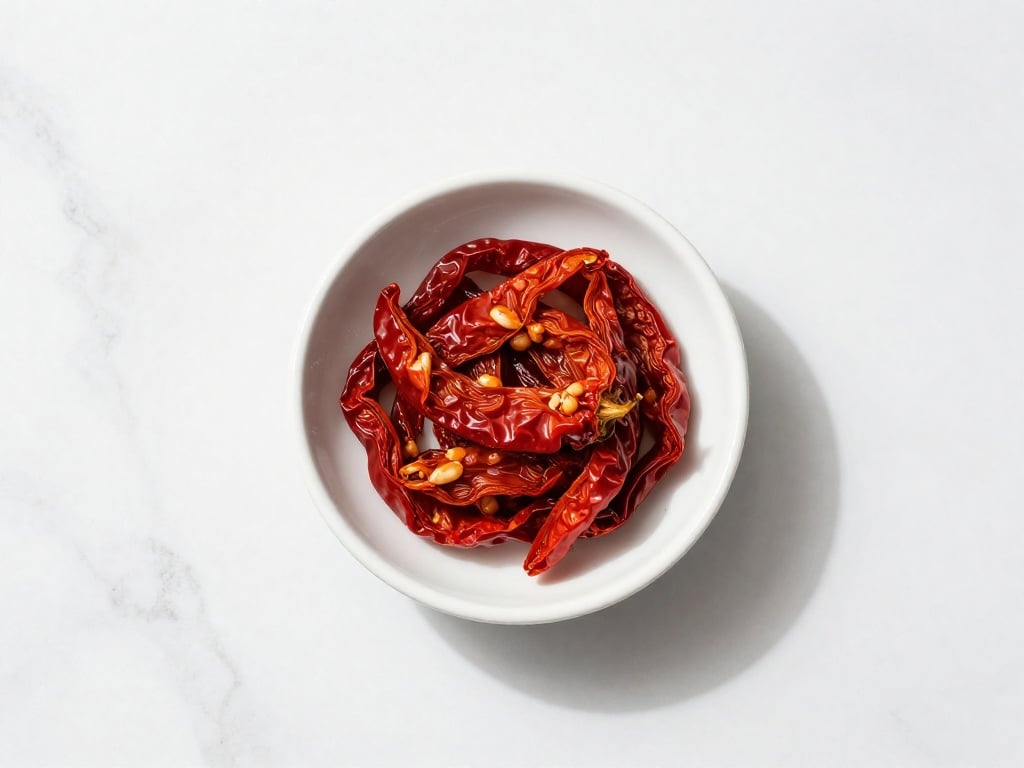
Smoked paprika is made from peppers that are dried over oak wood fires before grinding, which gives it that deep, campfire-like aroma. It can replace sweet paprika 1:1 and is the first substitute to reach for when the dish already calls for bold, savory flavors.
It works especially well with smoked meats, roasted potatoes, and slow-cooked stews where a smoky backbone fits naturally. The color is nearly identical to regular paprika, so your dish will look the same.
For a deeper breakdown of when smoked paprika itself runs out, see our guide on smoked paprika substitutes.
The one tradeoff is that smoked paprika adds a woody, smoky note that plain paprika does not have. If your recipe already includes smoked sausage, bacon, or liquid smoke, that smokiness can stack up quickly.
Reduce or eliminate other smoky ingredients when using smoked paprika as a substitute.
Understanding smoked paprika shelf life also matters here - old smoked paprika loses its intensity, so the swap only works well when the spice is still fresh and fragrant.
Smoked paprika adds smoke flavor; consider reducing other smoky ingredients if present. It is the most flavor-complete 1:1 swap for savory dishes.
2. Sweet Paprika
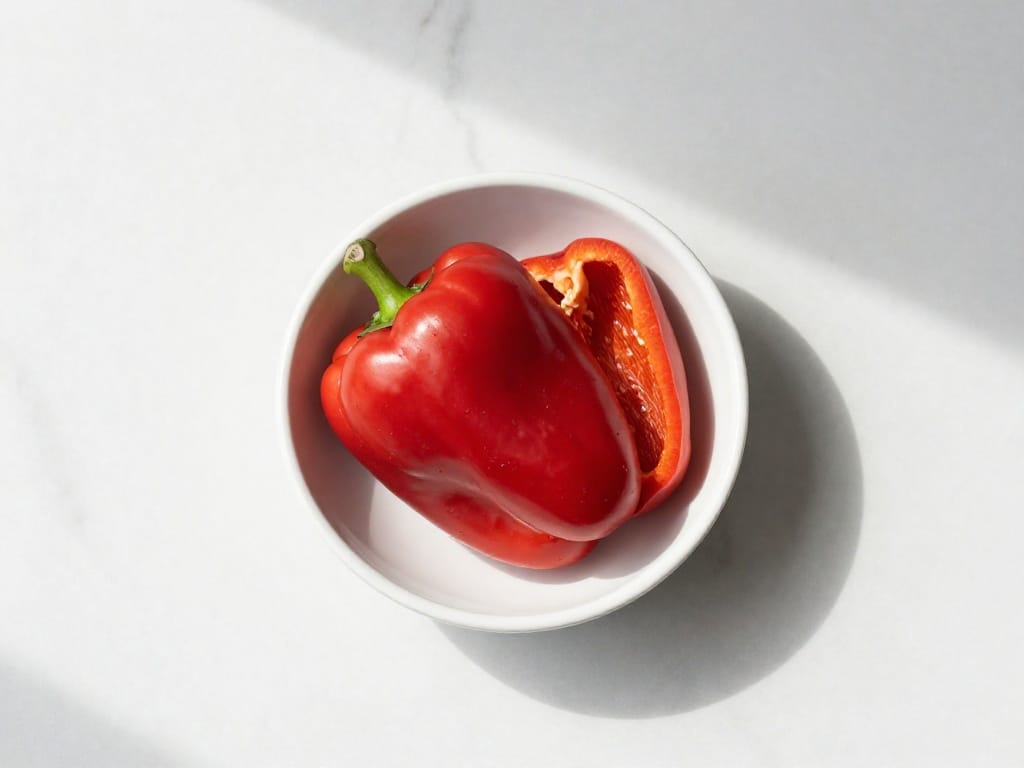
Sweet paprika is the mildest member of the paprika family, ground from ripe red peppers with almost no heat. It is the best all-purpose substitute when you want the color and mild pepper flavor of regular paprika without any smokiness or spice.
It is milder than standard paprika, and the color will still deepen a dish to a warm red-orange. This makes it ideal for dishes where the visual appeal matters, like deviled eggs, potato salads, or pale cream sauces.
It pairs especially well with scrambled eggs, roasted cauliflower, and lightly seasoned chicken. When working with bold sauces like Yoshida sauce substitutes, sweet paprika can anchor the mild base notes without competing with the sauce's sweetness.
The swap is straightforward: use sweet paprika at a 1:1 ratio in any recipe that calls for standard or hot paprika. If the original recipe uses hot paprika, you may want to add a small pinch of cayenne alongside sweet paprika to restore some heat.
Do not skip that step for chili or spiced meat recipes - the heat balance matters.
Use sweet paprika when you want red color without added smokiness. It is the safest swap for delicate dishes where smoke or heat would throw the flavor off.
3. Ancho Chili Powder
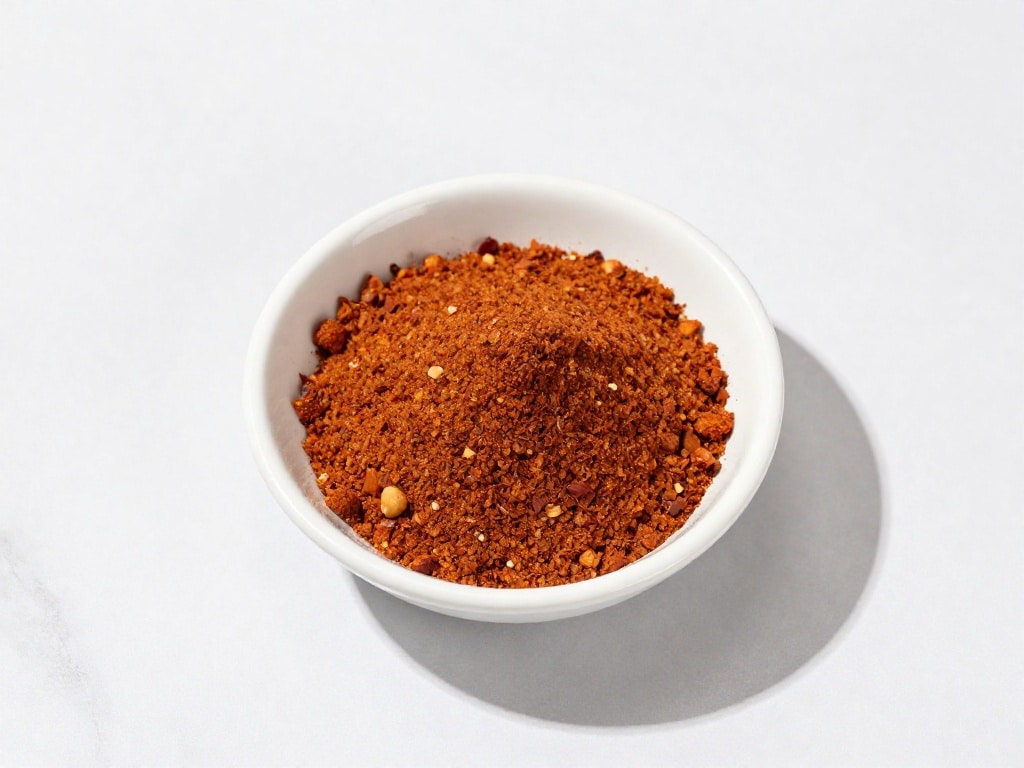
Ancho chili powder is ground from dried poblano peppers, and it brings a mild to medium heat with chocolatey, slightly sweet notes.
It is not a neutral swap - it shifts the flavor profile toward a deeper, more complex earthiness that works well in hearty dishes.
For a full picture of how ancho behaves as a substitute in other contexts, the guide on ancho chili powder substitutes covers those tradeoffs in detail. As a paprika replacement, ancho performs best in soups, chili, red sauces, and braised meats where that extra depth reads as richness rather than an off note.
Use it at a 1:1 ratio with standard paprika.
The tradeoff is color: ancho tends to push dishes toward a darker, red-brown tone rather than the bright red you get from paprika. For dishes like goulash or bean stew, that is barely noticeable.
For a pale sauce or a topping where the red color is part of the presentation, ancho is not the right choice. Its heat level is mild enough for most palates, but it does add more spice than sweet paprika, so taste before adding more.
Use ancho chili powder when you want depth and a little sweetness with smokiness. It is the right swap for chili, soups, and slow-cooked red sauces.
4. Chipotle Powder
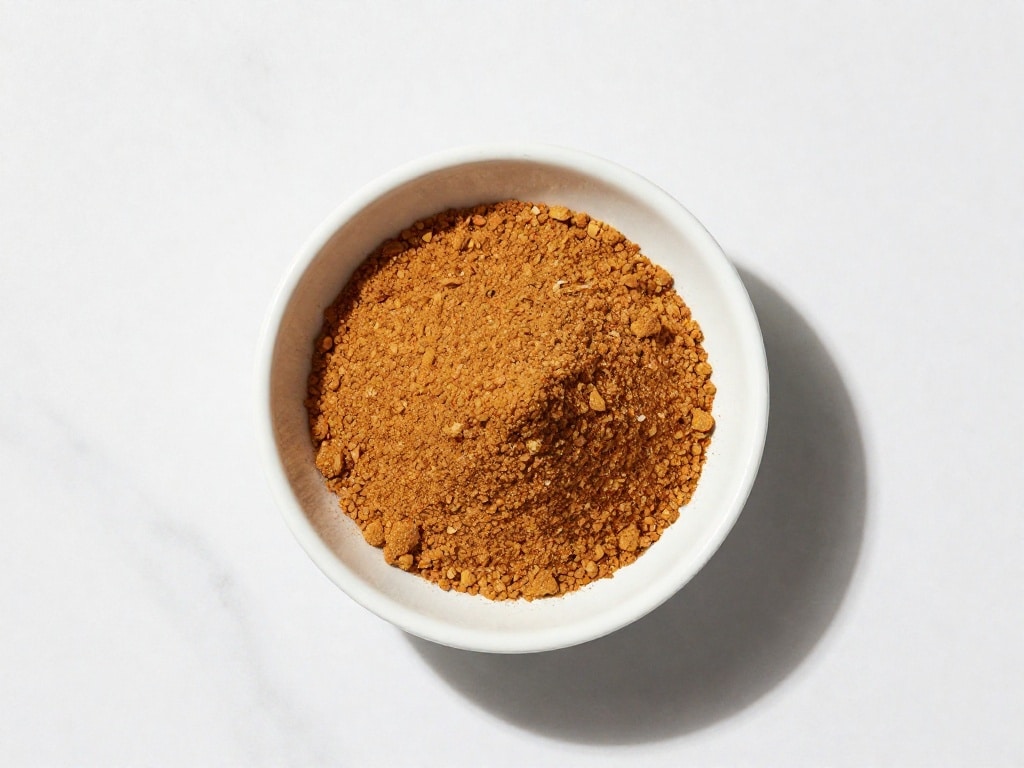
Chipotle powder is made from smoked jalapeño peppers that are dried and ground, giving it a bold combination of intense smokiness and real heat. It is a strong-flavored substitute that works best in dishes where you want both of those qualities front and center.
Use it at a 1:1 ratio as a starting point, then taste and adjust. For recipes where paprika was used in larger amounts, such as a 2-tablespoon dry rub, consider starting with ¾ tablespoon of chipotle and tasting before adding more.
You can always add heat; you cannot take it away. For a complete reference on how chipotle behaves in other recipes, the article on chipotle powder substitutes gives more context on managing its intensity.
Chipotle powder shines in barbecue rubs, chili, black beans, and bold meat marinades. It also works well in dishes inspired by Tex-Mex and Mexican cooking where smoked chili flavor is already expected.
In more neutral or European-style recipes, like Hungarian goulash or a mild Spanish stew, chipotle will push the dish in a direction that was not intended. The smoky heat is distinctive - use it deliberately, not as a default.
Use for smoky heat; start with a smaller amount if unfamiliar with heat level. Chipotle powder rewards caution - a little goes a long way in lighter dishes.
5. Cayenne Pepper
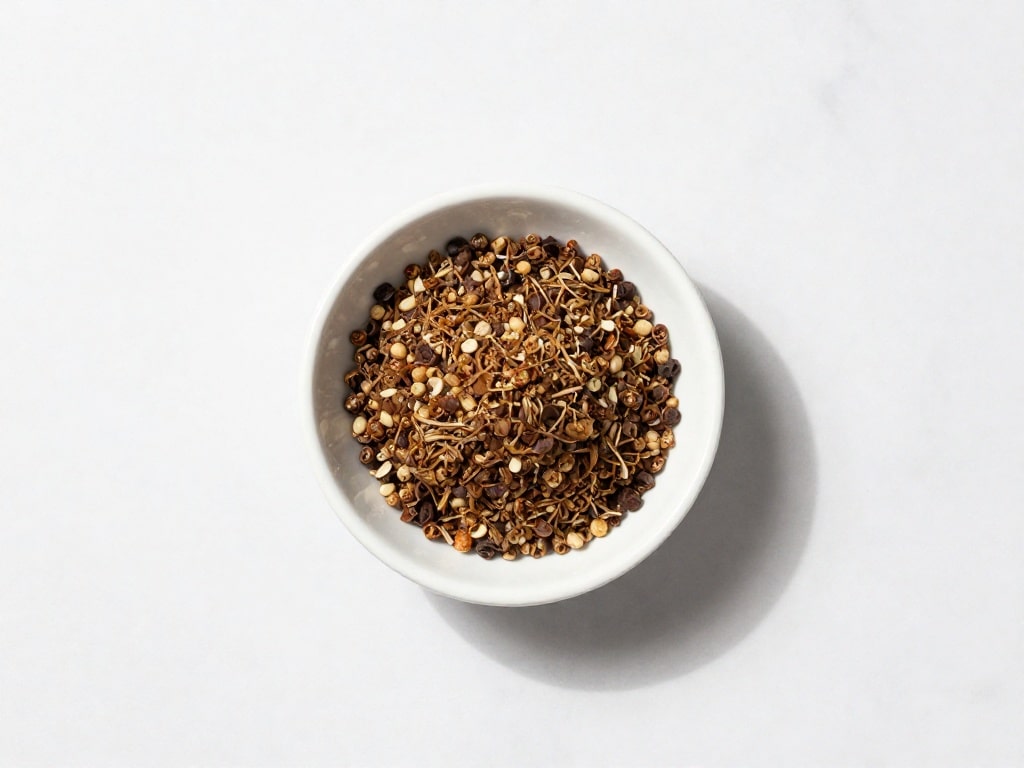
Cayenne is pure heat. It is ground from dried red chili peppers and adds sharp, clean spice without any smoke or the mild sweetness of paprika.
This is not a flavor match - it is a heat match, and that distinction changes how you use it.
The ratio is ¼ teaspoon of cayenne per 1 teaspoon of paprika called for in the recipe. That reduction is non-negotiable; cayenne is many times hotter than paprika, and using it 1:1 will make most dishes unpleasantly spicy.
For a recipe that calls for 1 tablespoon of paprika, use just ¾ teaspoon of cayenne as a starting point. In dishes pairing spices with hearty vegetables, such as collard greens or braised greens, collard greens substitutes can also help you think about how heat interacts with bitter, leafy flavors.
Cayenne does not replicate paprika's color. It will shift your dish toward a lighter orange-red rather than the deep brick-red of paprika.
For color-sensitive dishes, add a small amount of tomato paste alongside the cayenne to restore warmth and depth. Cayenne works well in spicy soups, hot sauces, spice-rubbed proteins, and any dish where heat is the primary goal.
It is the wrong choice for deviled eggs or mild roasted vegetables where paprika is used for color and gentle flavor.
Use cayenne to add heat only; adjust other spices accordingly. Pair it with a small amount of tomato paste if you also need to restore the red color paprika provides.
Choosing the Right Substitute
The fastest decision path runs through two questions: do you need smokiness, and how much heat can the dish handle? Those two factors narrow the field quickly before you even open a spice jar.
When you want smoky flavor, reach for smoked paprika first, then chipotle if you also want heat. When you want no smokiness, use sweet paprika as your default.
Ancho chili powder is the right call when you need depth and a slightly sweet, earthy note in heavier dishes like stews and chili. If heat is the only goal and smoke does not matter, use cayenne at the reduced ratio.
Color is a secondary filter. Sweet paprika and smoked paprika keep the dish looking red.
Ancho and chipotle push it toward darker, browner tones. Cayenne contributes very little color on its own.
For dishes like napa cabbage substitutes in a stir-fry, color from paprika may matter less than heat - that context changes which substitute makes sense.
- Want smoky, no extra heat: Use smoked paprika 1:1.
- Want neutral, color-forward: Use sweet paprika 1:1.
- Want depth and mild heat: Use ancho chili powder 1:1.
- Want bold smoke and heat: Use chipotle powder 1:1, starting slightly under.
- Want heat only: Use cayenne at ¼ teaspoon per 1 teaspoon paprika.
When in doubt, start with smoked or sweet paprika 1:1 and adjust heat later. These two swaps carry the least risk and work across the widest range of cuisines.
If you are working with complex sauces, the same logic applies as when finding white miso paste substitutes - match the dominant flavor role first, then fine-tune.
If you want smoky with flexibility, start with smoked paprika; for non-smoky, use sweet paprika. Both work 1:1 and require no other adjustments in most recipes.
Frequently Asked Questions
Can paprika substitutes be used in sweet dishes?
Most paprika substitutes are too savory or spicy for sweet dishes. Sweet paprika, used in very small amounts, is the only option mild enough to work in sweet-savory contexts like spiced chocolate.
How do I adjust color when using substitutes?
Smoked and sweet paprika hold color well. For cayenne or chipotle, add a teaspoon of tomato paste per tablespoon of paprika replaced to restore the red-orange hue.
Are substitutes suitable for all cuisines such as Mexican or Hungarian?
Sweet paprika fits Hungarian dishes best. Ancho and chipotle suit Mexican and Tex-Mex cooking well. Avoid chipotle in delicate European recipes where its bold smoke profile will feel out of place.
What if I do not have any paprika substitutes on hand?
A small amount of tomato paste plus a pinch of black pepper can approximate paprika's color and mild depth. It is not a spice match, however it keeps the dish on track.
Is it better to use a blend rather than a single substitute?
Yes, in some cases. Mixing sweet paprika with a small pinch of cayenne replicates hot paprika more accurately than either spice alone, giving you both color and heat.
Savory Tweaks: 5 BEST Paprika Substitutes
Ingredients
Method
- Choose your substitute based on the dish type and desired flavor match. Consider whether you need smoke, color, or heat as your primary goal.
- Prepare the substitute as directed: adjust ratios and prep as noted for each option. Cayenne requires a reduced ratio of ¼ teaspoon per 1 teaspoon paprika.
- Apply the substitution ratio carefully. Start with the stated amount and adjust to taste, especially with chipotle and cayenne.
- Taste and adjust seasoning. Some substitutes shift flavor or color slightly, so add tomato paste if you need to restore red color.
Notes
- When in doubt, use smoked or sweet paprika 1:1 as your default swap - both carry the least risk across cuisines.
- For cayenne, always start at ¼ teaspoon per 1 teaspoon paprika and taste before adding more. You cannot remove heat once it is in the dish.
Tried this recipe?
Let us know how it was!
Carrie is a food writer and editor with more than 15 years of experience. She has worked for some of the biggest names in the food industry, including Bon Appétit, Food & Wine, and Martha Stewart Living.
As the Editor in Chief of EpicureDelight, Carrie oversees all of the content on the site. She also manages the team of contributing writers and editors, who help to create delicious recipes, helpful tips, and informative articles that you’ll find on the site.
A native of the Chicago area, Carrie is passionate about all things food. She loves trying new restaurants and experimenting with new recipes in her kitchen. She’s also a graduate of the Culinary Institute of America, so she knows a thing or two about food!



