
A traditional double boiler is simple in concept: 1-2 inches of simmering water in a pot, with a heatproof bowl resting above the steam. It creates a gentle, indirect heat that saves delicate sauces and emulsions from breaking.

The problem is most home cooks do not own one, and recipes that call for it tend to be the unforgiving kind.
The good news is that three reliable substitutes cover nearly every situation a double boiler handles.
Each method has a clear setup, an exact ratio, and a specific set of tasks it handles well.
Whether you are finishing a dry sherry pan sauce or melting chocolate for a ganache, at least one of these approaches will fit your stove and your gear.
This guide covers the heatproof bowl-over-pot method, the saucepan-plus-bowl-insert setup, and the microwave burst technique. Each section includes what the method does best, where it can go wrong, and how to dial in the heat before your sauce has a chance to scorch.
A heatproof bowl over simmering water, a saucepan-and-bowl-insert setup, and a microwave burst method are the three best double boiler substitutes. Each offers controlled gentle heat for delicate sauces, emulsions, and melts without specialized equipment.
Substitute 1: Heatproof Bowl Over Simmering Pot
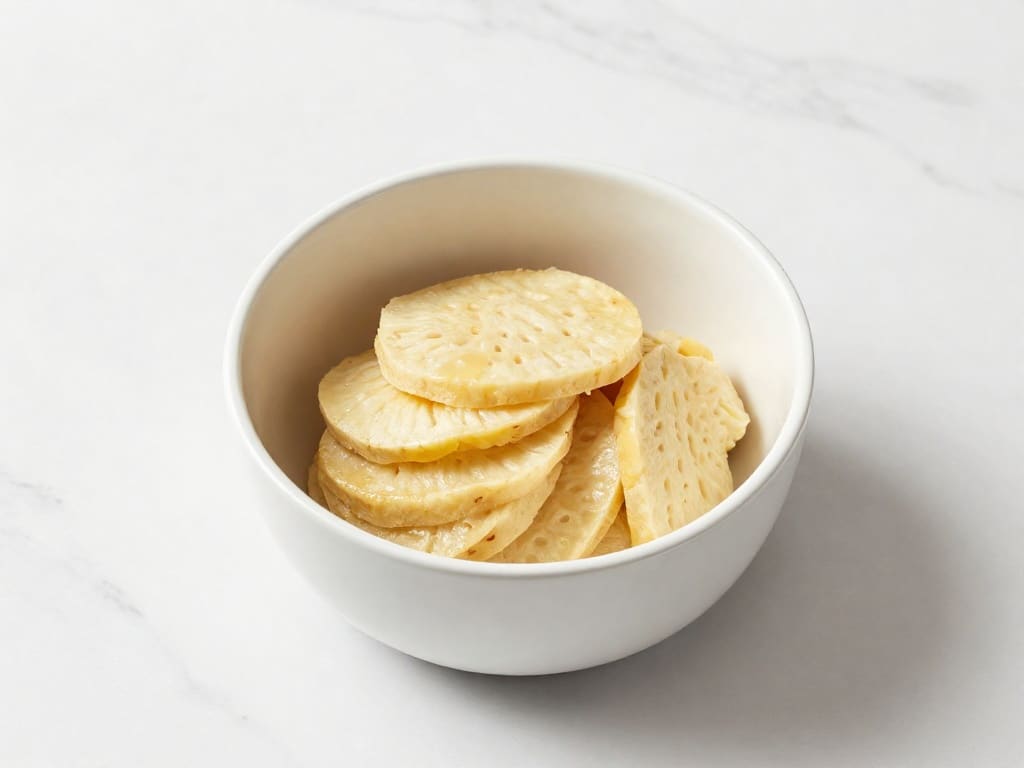
This is the closest analog to a true double boiler, and it works for the same reasons. A heavy, heatproof glass or metal bowl fits snugly over a medium pot, suspending your ingredients above the steam without letting them touch the water directly.
The bowl's base should sit at least 1-2 cm above the water surface, not submerged and not resting on a rolling boil.
Fill the pot with 1-2 inches of water and bring it to a gentle simmer over medium-low heat. Set the bowl on top so it seals the rim reasonably well.
If steam escapes freely around the sides, the pot is too small for the bowl and heat distribution will be uneven.
| # | Element | Guidance | Best For | Taste Match |
|---|---|---|---|---|
| 1 | Glass bowl (Pyrex) | Snug fit over pot rim; base 1-2 cm above water | Chocolate, ganache, sauces | Close |
| 2 | Stainless steel bowl | Conduct heat faster; reduce simmer to low | Emulsions, hollandaise, béarnaise | Close |
| 3 | Ceramic bowl | Heats slowly and unevenly; check fit carefully | Warming sauces, not precision melts | Mild |
For emulsions like hollandaise, stainless steel is the smarter pick because it conducts heat evenly across the base. Glass is slightly more forgiving for chocolate because it heats gradually and holds temperature after you pull it off the heat.
Avoid ceramic for anything time-sensitive.
Keep the water at a lazy simmer throughout. A vigorous boil pushes too much steam into the bowl and can raise the temperature above what delicate ingredients tolerate.
For egg-based sauces, you are aiming for around 140-160°F at the sauce surface, which a gentle simmer supports reliably.
Stir constantly for emulsions and frequently for chocolate. The bowl's walls will be hotter than the center, so bringing everything to the middle and back out prevents hot spots from forming.
If the bowl feels too hot to hold the sides with a folded towel, reduce the heat immediately.
- Best for emulsions: Hollandaise, béarnaise, and mayonnaise-style sauces need this method's precise, gradual heat to stay stable.
- Good for chocolate: Tempering and ganache benefit from the slow melt that steam-based heat provides.
- Works for custard bases: Stir custard over the bowl until it coats a spoon at around 170°F before straining.
- Skip for high-sugar sauces: Caramel and candy work require direct heat; steam-based methods cannot reach the temperatures needed.
The main tradeoff is slower heat transfer compared to direct flame. That is exactly the point for delicate sauces, however it means you need patience.
Rushing by cranking the heat defeats the purpose and risks curdling eggs or seizing chocolate.
Use this method for delicate emulsions and sauces where stability matters most. A stainless steel bowl over 1 inch of simmering water gives you the closest control outside of a true double boiler.
Save This for Later
Pin this savory tweaks: 3 best alternatives for double boiler guide so you always have it when you need it.
Pin This GuideSubstitute 2: All-in-One Gentle-Heat Saucepan + Bowl Insert
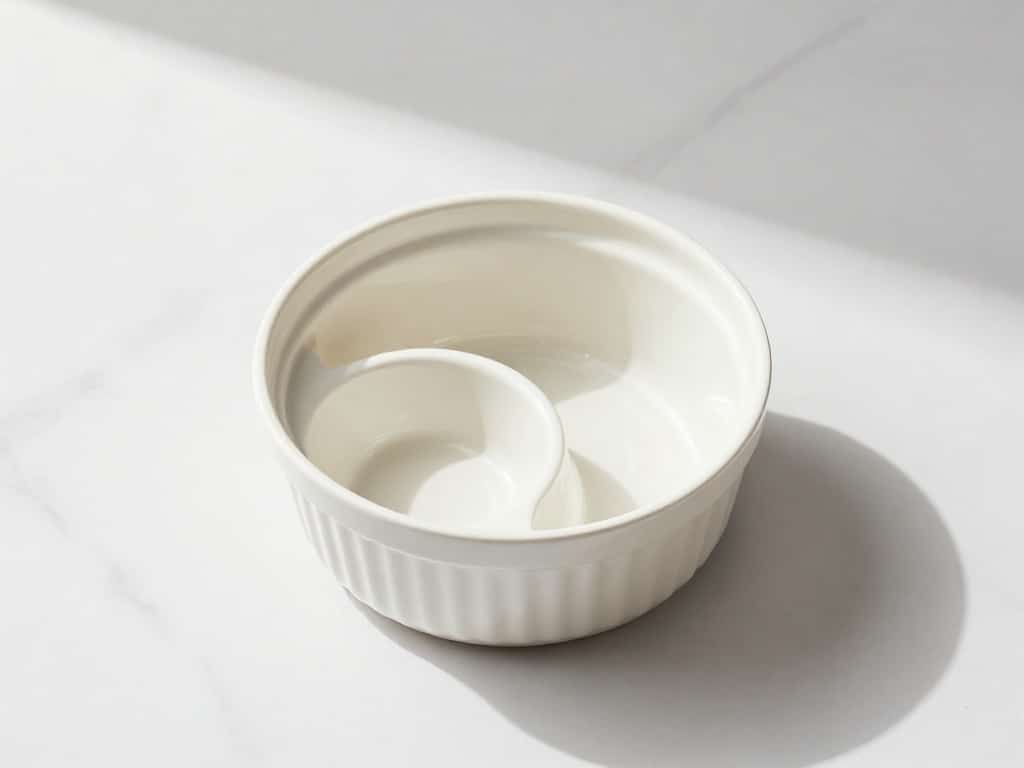
This is a long-standing technique for gentle heating when a true double boiler is unavailable, and it is especially practical when you want fewer dishes. Instead of a separate pot and bowl, you use a wide, heavy-bottom saucepan with a heatproof bowl resting inside its rim.
A silicone ring, rubber trivet, or a few folded paper towels around the base of the bowl keeps it elevated and stable.
The water level is the key variable. Keep it just below the bowl's bottom, never touching it.
For a standard 10-inch saucepan, that usually means about 1.5 inches of water. Maintain a steady simmer, not a boil, and check the water level every few minutes to top up if needed.
Using a neutral oil substitute in custard or sauce recipes works well here because the gentle, even heat keeps fat from separating. The saucepan-and-bowl setup is particularly good at maintaining that steady temperature band.
- Melting cheese: Fondue and cheese sauces stay smooth and glossy when held in this 130-150°F range.
- Scrambled eggs: Low, controlled heat gives you the soft, custardy texture that direct flame cannot match.
- Custard bases: Crème anglaise and pastry cream cook evenly without curdling when stirred over this setup.
- Finishing savory sauces: Beurre blanc and cream-based pan sauces hold without breaking when kept warm here.
The tradeoff is more heat transfer than the bowl-over-pot method, because the saucepan walls conduct heat upward around the sides of the bowl.
This is an advantage for custards that need a bit more warmth, however it requires closer monitoring to avoid hot zones forming where the bowl contacts the rim.
Use a metal bowl with silicone bumpers around the base to stabilize it inside the saucepan. This prevents wobbling and lifts the bowl bottom just enough to keep it out of direct contact with the water.
Electric stoves work fine with this method, and in some ways perform better because the coil or glass-top elements hold a steadier simmer than gas. Set the burner to medium-low and give it two minutes to stabilize before putting the bowl in place.
If the bowl touches the water, the temperature at the base can jump significantly, risking scrambled eggs or seized chocolate. Adjust by removing some water or adding a slightly larger trivet.
Cleanup is straightforward: the saucepan handles all the water, and the bowl wipes clean quickly. This is the method to reach for when you are making pancetta-based sauce variations or any other savory application that calls for long, slow warming without babysitting a separate pot.
Substitute 3: Microwave Melt (in Bursts) for Small Batches
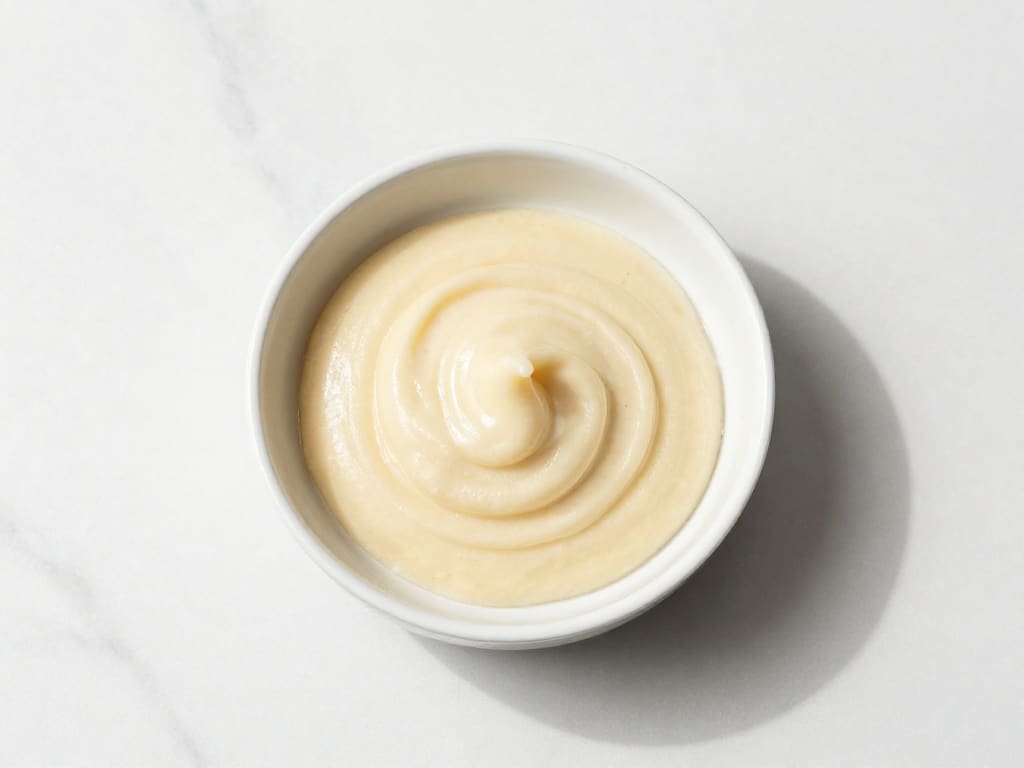
The microwave is not perfect for delicate sauces, however it is fast and practical when stove space is limited. Microwave provides intermittent, rapid heating; stir after every burst to equalize temperature and prevent hot spots from forming in one area while the rest stays cold.
The technique relies on short intervals, not long runs.
Cut solid ingredients, such as chocolate or butter, into small, even pieces before starting. Uniform size means more consistent heating.
Place them in a microwave-safe bowl with a loose cover like a paper plate to reduce splattering, and start with 10-15 second bursts at 50% power.
For recipes that call for equal parts solid to liquid, such as a simple ganache using equal parts chocolate and cream, add the liquid at room temperature after the solid has softened through the first two bursts. Stir thoroughly between each interval.
The residual heat in the bowl often finishes the melting without another burst.
| # | Substitute | Guideline | Best For | Taste Match |
|---|---|---|---|---|
| 1 | Chocolate melt | 10-sec bursts at 50% power; stir every interval | Ganache, drizzles, coatings | Close |
| 2 | Butter and cream sauce | 15-sec bursts; whisk between each one | Quick finishing sauces, warm vinaigrettes | Close |
| 3 | Cheese melt | 10-sec bursts; stir vigorously to prevent seizing | Queso, nacho sauces, small batch fondue | Mild |
Sauces based on acidic liquids like malt vinegar can emulsify quickly in the microwave if you keep the power low and stir constantly. The same principle applies: short bursts, active stirring, and stopping before the mixture looks fully done.
The biggest risk is overheating in the final burst. Chocolate seizes into a grainy mass above roughly 130°F, and egg-based sauces scramble fast once they cross 180°F.
The fix is to stop the microwave when ingredients are 80-90% melted and let residual heat finish the job.
Monitor every burst closely to avoid separation or scorching. Overheated chocolate turns grainy, and cream-based sauces can break within seconds of crossing the temperature threshold.
This method does not work for egg yolk emulsions like hollandaise. The microwave cannot maintain the precise temperature band those sauces need, and the heat is too directional.
Stick to the bowl-over-pot or saucepan-insert method for those. For everything else, the microwave is a legitimate shortcut that takes under five minutes from start to finish.
When substituting sweeteners in delicate sauce recipes, understanding options like stevia as a sugar alternative matters as much as the heating method, since some sweeteners behave differently under gentle heat. Keep that in mind if your recipe already calls for a non-standard sweetener.
How to Choose the Right Substitute?
The decision comes down to what you are making and how much time and gear you have. Precision tasks like hollandaise or chocolate tempering belong on the stove using one of the bowl methods.
Quick finishes and small-batch melts are where the microwave earns its place.
- Making an emulsion sauce: Use the heatproof bowl over a simmering pot for the most control. Stainless steel and a gentle simmer are your best tools.
- Melting cheese or making custard: The saucepan-and-bowl-insert setup gives slightly more heat transfer, which suits these applications well.
- Small batch, time-pressed: The microwave burst method handles chocolate, butter sauces, and simple melts faster than either stove method.
- No large pot available: A wide, deep skillet can stand in for the saucepan in the insert method. The bowl still needs to sit above the water line without tipping.
- Limited cookware overall: The microwave method requires only a bowl and a microwave, making it the lowest-barrier option when gear is scarce.
If your recipe uses a vinegar-based component that needs gentle warming, either stove method holds the temperature better than the microwave. For spiced sauces with paprika, the saucepan insert keeps the heat even enough to bloom spices without burning them.
Match the method to the task, and these three substitutes will cover nearly every situation.
If the sauce contains egg yolks, always use a stove-based method with a bowl above simmering water. Microwave heat is too uneven and fast for egg-based emulsions, and the risk of scrambling is high.
Frequently Asked Questions
Can I use any bowl over any pot?
No. The bowl must be heatproof (glass or metal) and sit snugly over the pot rim with its base at least 1-2 cm above the waterline. A loose-fitting bowl loses steam and creates uneven heat.
How do I prevent water from boiling into the bowl?
Keep the water at a gentle simmer, never a rolling boil, and fill the pot with no more than 1-2 inches of water. Check the level every few minutes and reduce heat if steam is excessive.
Will the saucepan-and-bowl insert method work on electric stoves?
Yes, and it often performs better because electric burners hold a steadier simmer than gas. Set to medium-low and let the burner stabilize for two minutes before placing the bowl.
Can I use the microwave method for all sauces?
No. Egg yolk emulsions like hollandaise require stove-based gentle heat. The microwave works well for chocolate, butter, cream sauces, and cheese melts in small batches only.
How do I know if my sauce has overheated in the microwave?
Chocolate turns grainy and dull. Cream sauces look broken or oily. Stop at 80-90% melted and stir; residual heat usually finishes the job without another burst needed.
Savory Tweaks: 3 Best Alternatives for Double Boiler
Ingredients
Equipment
Method
- Choose your substitute based on the dish type and desired flavor match. Use the bowl-over-pot for emulsions, the saucepan insert for custards and cheese, and the microwave for quick small-batch melts.
- Prepare the substitute as directed: fill the pot with 1-2 inches of water for stove methods, or cut solids into small even pieces for the microwave method.
- Apply the substitution ratio carefully. Keep the bowl base 1-2 cm above the waterline for stove methods, or start with 10-15 second microwave bursts at 50% power and stir between each.
- Taste and adjust seasoning. Some methods transfer heat faster than others, so monitor closely and remove from heat when the sauce reaches the desired consistency.
Notes
- Keep water at a gentle simmer, never a rolling boil, to avoid steam entering the bowl or raising temperatures too high for delicate sauces.
- Stop microwaving at 80-90% melted and let residual heat finish the job to prevent scorching or seizing.
Tried this recipe?
Let us know how it was!
Carrie is a food writer and editor with more than 15 years of experience. She has worked for some of the biggest names in the food industry, including Bon Appétit, Food & Wine, and Martha Stewart Living.
As the Editor in Chief of EpicureDelight, Carrie oversees all of the content on the site. She also manages the team of contributing writers and editors, who help to create delicious recipes, helpful tips, and informative articles that you’ll find on the site.
A native of the Chicago area, Carrie is passionate about all things food. She loves trying new restaurants and experimenting with new recipes in her kitchen. She’s also a graduate of the Culinary Institute of America, so she knows a thing or two about food!



