
Tempeh is a firm, fermented soy product with a nutty, earthy flavor and a dense, chewy bite. It holds up beautifully in marinades, slices cleanly for sandwiches, and crumbles into satisfying grain bowls.

When you cannot find it or simply want a different texture, knowing exactly which swap works saves the dish.
The reasons to substitute are practical: tempeh can be hard to source outside specialty stores, the fermented flavor is not for everyone, and some recipes just call for more protein flexibility.
Each substitute below is matched to a specific texture goal. Firm tofu delivers about 8-10g of protein per 3oz, while tempeh clocks in closer to 16g per 3oz, so protein gaps are worth noting if you are tracking macros.
Swaps like seitan close that gap significantly.
The five options here cover the most common tempeh roles: just as you would swap a cured protein in pasta, texture and flavor compatibility are the two levers you are adjusting with every substitute choice.
This guide gives you a firm ratio for each swap, flags the tradeoffs, and tells you exactly which cooking context each substitute handles best.
The five best tempeh substitutes are firm tofu, seitan, mashed chickpeas, portobello or chestnut mushrooms, and soy curls or TVP. Each swaps at a 1:1 ratio. Choose by texture goal first: tofu or mushrooms for crumble, seitan for chew, chickpeas for heft, soy curls for sauce absorption.
Tempeh Substitutes in Detail
The table below gives you a quick decision reference for all five substitutes. Each one swaps at a 1:1 ratio by volume or weight, with a one-line note on where it performs best.
Use it as a planning checkpoint before you start cooking.
| # | Substitute | Ratio | Best For | Taste Match |
|---|---|---|---|---|
| 1 | Firm Tofu | 1:1 | Crumbles, stir-fries, sautés | Mild |
| 2 | Seitan | 1:1 | Meaty sauces, stir-fries, sandwiches | Close |
| 3 | Mashed Chickpeas | 1:1 | Crumble toppings, veggie burgers, bowls | Mild |
| 4 | Portobello or Chestnut Mushrooms | 1:1 | Stir-fries, hearty bowls, sautés | Different |
| 5 | Soy Curls or TVP | 1:1 | Stews, curries, saucy dishes | Close |
Bookmark this table before planning your meal. Match your dish type to the "Best For" column first, then check the flavor note to confirm the fit.
Save This for Later
Pin this savory tweaks: 5 best tempeh substitutes guide so you always have it when you need it.
Pin This Guide1. Firm Tofu
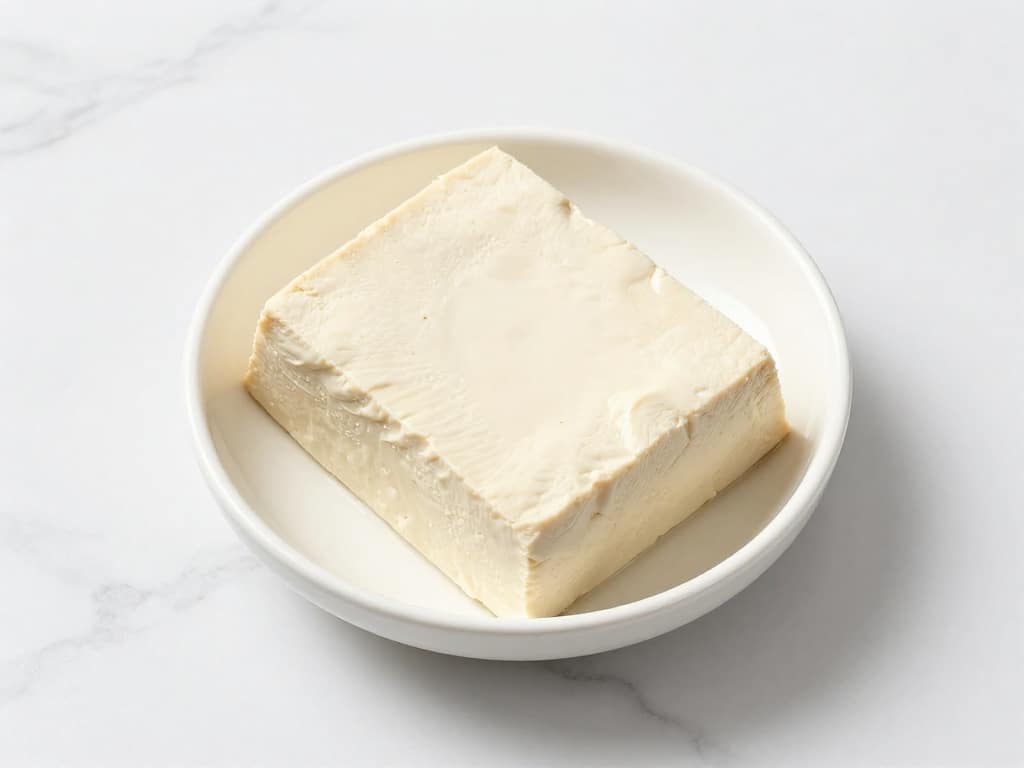
Firm tofu is the most accessible tempeh substitute and handles the widest range of recipes. It swaps at a 1:1 ratio by weight, and the prep step that matters most is pressing.
A well-pressed block loses enough water to sear golden rather than steam, which is the texture difference between a good crumble and a soggy one.
Firm tofu contains about 8-10g of protein per 3oz, lower than tempeh but still a solid contribution to a plant-based plate. Crumble it coarsely for taco-style fillings, or slice it into planks for sandwiches and grain bowls.
The flavor is neutral, so it absorbs marinades well. Use a soy-based marinade with an acidic component like a vinegar swap to bring depth closer to tempeh's umami edge.
The main tradeoff is texture. Tempeh has a firm, almost grainy chew from the fermented soy matrix.
Tofu, even when pressed, is softer and more uniform. If you need that bite, crumble tofu into smaller pieces and pan-fry at medium-high heat until the edges are crispy.
That browning adds structure and flavor that partially compensates for the missing fermentation character.
Tofu works especially well in dishes where sauce coverage is high, such as braised bowls or heavily seasoned stir-fries, because the neutral base lets other flavors lead. For sandwiches, slice it thick and marinate for at least 30 minutes before searing.
Firm tofu is the top pick for crumble stability when sautéed. Press for at least 20 minutes, then pan-fry in a dry skillet over medium-high heat for best results.
2. Seitan
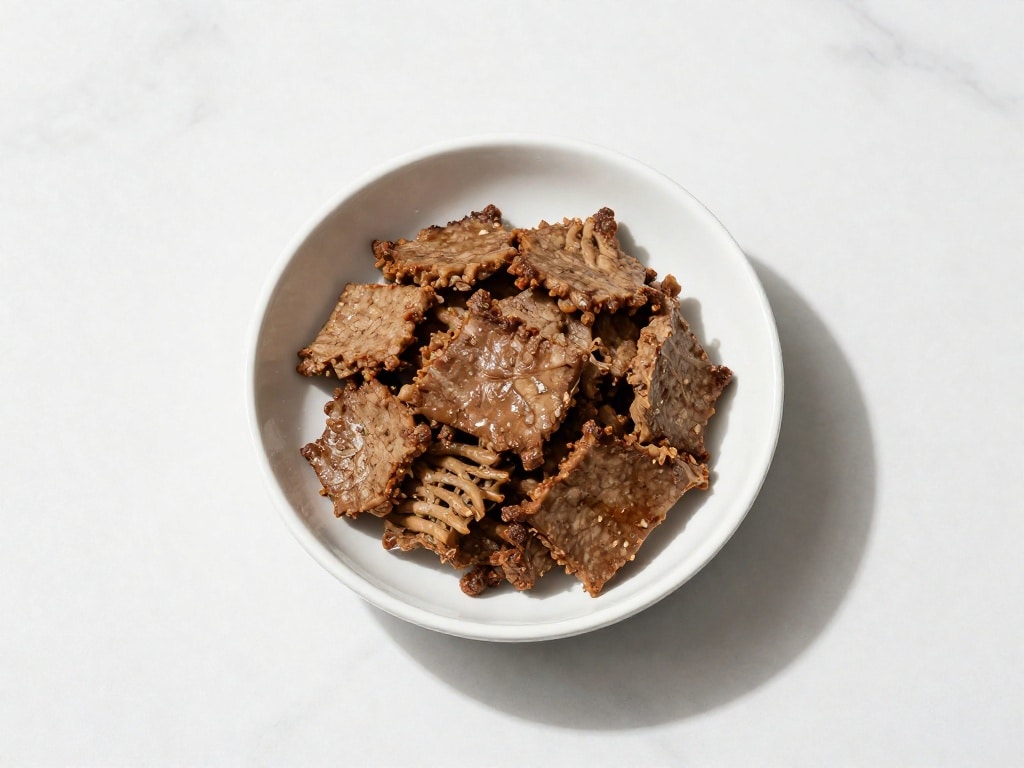
Seitan is made from wheat gluten and has the closest chew to tempeh of all five substitutes. It swaps at a 1:1 ratio by weight and performs best in recipes where tempeh is sliced or torn into strips rather than crumbled.
Think meaty stir-fries, sandwiches, and hearty sauces where a firm, springy bite is the goal.
The protein content is notable: seitan delivers roughly 25g of protein per 3oz dry, which actually exceeds tempeh's 16g. That makes it the strongest option if you are substituting for nutritional reasons as well as texture.
Moisture matters for the final chew; seitan that is simmered in broth before searing will be more tender and flavorful than seitan used straight from the package.
For spiced and smoky recipes, seitan takes seasoning exceptionally well. Its dense surface browns quickly in a hot pan and holds marinades without falling apart.
Slice it thin for stir-fries, or leave it in larger pieces for bowl meals where you want a satisfying, substantial bite.
The one firm limitation is allergy compatibility. Seitan is entirely wheat gluten and is not appropriate for anyone with celiac disease or gluten sensitivity.
Always confirm this before serving to guests. For gluten-free households, skip to chickpeas, mushrooms, or soy curls instead.
Seitan is the closest match to tempeh's chew without fermentation. Simmer it in vegetable broth for 10 minutes before searing to maximize tenderness and flavor absorption.
3. Mashed Chickpeas
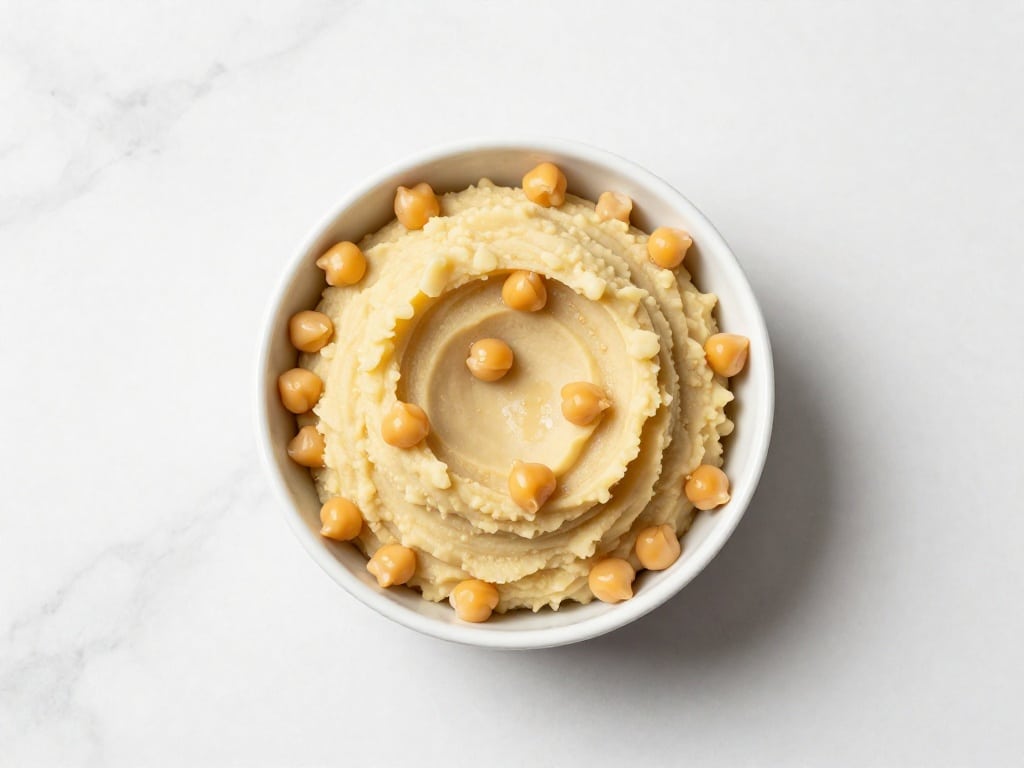
Mashed chickpeas bring a hearty heft that works well anywhere tempeh is crumbled into a dish. The ratio is 1:1 by volume: use the same cup measure of mashed chickpeas as you would tempeh crumbles.
Cooked chickpeas mash easily with a fork, and the texture is dense and filling without being rubbery.
One half-cup of cooked chickpeas provides about 7g of protein plus a meaningful amount of fiber, which adds body to crumble-style dishes. The tradeoff is flavor: chickpeas are mild and slightly earthy, without tempeh's fermented tang.
Season them aggressively to close that gap. A combination of soy sauce, garlic, smoked paprika, and a splash of an acidic swap like malt vinegar brings umami depth closer to what tempeh naturally provides.
Mashed chickpeas shine in veggie burgers, taco crumbles, and grain bowls where a soft, textured filling is the goal. They do not hold up as well in stir-fries where a firm, sliceable piece is needed.
For those applications, tofu or seitan will serve better.
If you are using a similar legume swap in other recipes, the same seasoning logic applies: legumes absorb flavor readily, so marinating or seasoning early in the cooking process makes a real difference.
Spread mashed chickpeas in a thin layer on a baking sheet and roast at 400°F for 15 minutes to get some crispy edges before adding them to a dish.
Mashed chickpeas are the top choice for vegetarian crumbles and hearty fillings. Season boldly with soy sauce and smoked paprika to compensate for the missing fermented flavor.
4. Portobello or Chestnut Mushrooms
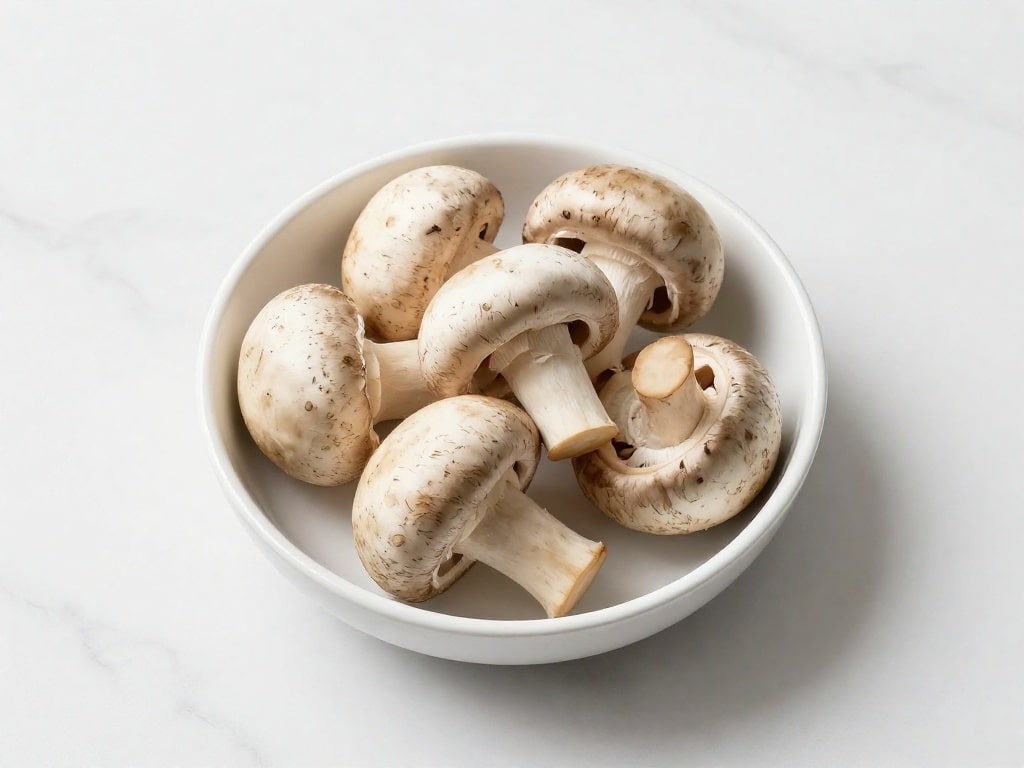
Portobello and chestnut mushrooms deliver a meaty, satisfying bite that works particularly well in stir-fries and hearty bowls. The swap is 1:1 by weight.
Mushrooms are about 88% water by weight, so the key step is cooking them at high heat without crowding the pan. When properly browned, they release and then reabsorb their moisture, concentrating the natural umami compounds that make them a strong tempeh alternative.
Prep depends on the dish. Finely chop mushrooms for crumble-style applications like taco fillings or pasta sauces.
Slice them thick for bowl meals or sautés where you want a visible, substantial piece. Portobello caps are larger and meatier; chestnut mushrooms are firmer with a slightly nuttier flavor that edges closer to tempeh's earthiness.
The flavor compatibility is different from tempeh rather than close, so mushrooms work best in dishes where the sauce or seasoning does significant flavor work. A soy-ginger sauce or a rich miso glaze will carry the dish.
Plain or lightly seasoned applications will reveal the gap more clearly.
Mushrooms do not add meaningful protein the way tofu or seitan does, so this swap is texture-first. For dishes in plant-forward meals where greens and grains provide the nutritional backbone, mushrooms are an excellent fit.
They also pair naturally with a neutral high-heat oil for proper searing without flavor interference.
Mushrooms excel in texture-forward swaps where umami is handled by the sauce. Brown them in a dry skillet first, then add oil and seasoning once moisture has evaporated.
5. Soy Curls or Textured Vegetable Protein (TVP)
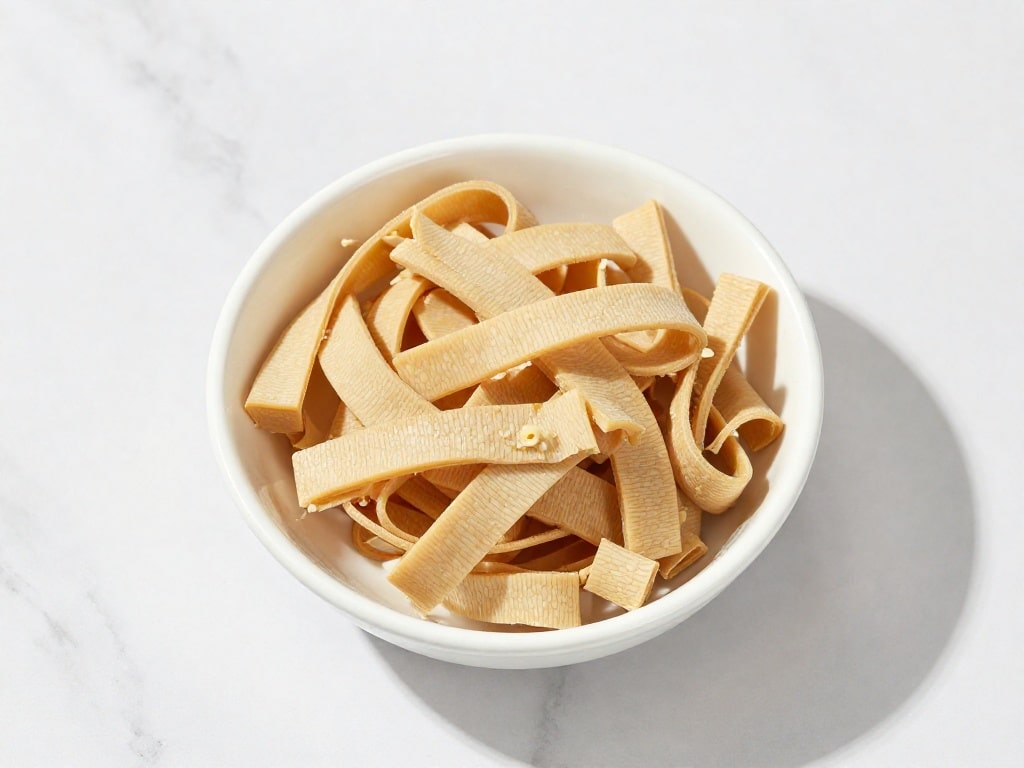
Soy curls and TVP are dried soy products that rehydrate into a dense, chewy texture well-suited to saucy dishes. Both swap at a 1:1 ratio by dry weight before hydration.
Soy curls rehydrate in warm water in about 10 minutes; TVP expands to roughly twice its dry volume when fully hydrated, so measure accordingly.
These products absorb sauces the way tempeh does, which is one of the reasons tempeh is so satisfying in curries and stews. Once hydrated, soy curls or TVP soak up braising liquid, spice blends, and marinades deeply, creating a flavor saturation that other substitutes like mushrooms cannot fully replicate.
For recipes where balancing savory with a hint of sweetness is part of the dish design, TVP absorbs that balance just as effectively as tempeh would.
Soy curls tend to hold their shape better and give a more fibrous, pulled texture. TVP has a finer, more uniform crumble.
In practice, soy curls work better for stews and curries where visible chunks matter, while TVP is ideal for Bolognese-style sauces, chili, or any dish where a ground-meat-style texture is the goal.
Protein content is strong for both: TVP delivers around 12-14g of protein per reconstituted half-cup, making it one of the more nutritionally comparable options in this list. Drain excess water after soaking and press gently before adding to the pan for better browning.
Soak soy curls or TVP in seasoned broth instead of plain water. The added flavor during hydration cuts your seasoning time in half once they hit the pan.
Choosing the Right Substitute
Picking the best swap takes about three quick decisions. Work through them in order and you will land on the right option every time.




