
Vegetable shortening is a workhorse fat in baking and savory cooking, prized for its neutral flavor and high melting point.

When you run out mid-recipe, or decide you want something with more character, the good news stops there and the real question starts: which fat actually works, and in what amount?
The short answer is that five common kitchen fats can fill the gap, each with a straightforward 1:1 ratio.
Texture is where most substitutions go wrong. Shortening is nearly pure fat with almost no water, so swapping in butter without understanding its 15-20% water content can leave your pastry crust too tender or your cookie spreading flat.
Flavor is the second variable. Shortening is deliberately bland, and some substitutes, particularly coconut oil and lard, bring their own taste that can transform a recipe.
For whole wheat pastry applications, where flour already adds nuttiness, a neutral-fat swap matters even more.
This guide covers all five substitutes with exact ratios, best-use cases, and clear tradeoffs so you can make the right call in under ten minutes.
The five best vegetable shortening substitutes are unsalted butter, ghee, solid coconut oil, light olive oil, and lard or bacon fat. All work at a 1:1 ratio. Choose based on flavor tolerance, water content sensitivity, and whether you are baking delicate pastries or cooking savory dishes.
Vegetable Shortening Substitutes in Detail
The table below gives you a fast reference for ratio, primary use case, and how closely each substitute matches the neutral, firm profile of vegetable shortening. Use it to narrow your choice before reading the full breakdown.
| # | Substitute | Ratio | Best For | Taste Match |
|---|---|---|---|---|
| 1 | Unsalted Butter | 1:1 | Cookies, pastry crusts, rustic pies | Close (richer) |
| 2 | Ghee / Clarified Butter | 1:1 | Frying, saut??ing, crumb-stable baked goods | Close (buttery) |
| 3 | Solid Coconut Oil | 1:1 | Quick breads, savory pies, upper-crust pastries | Mild (coconut note) |
| 4 | Light Olive Oil | 1:1 | Savory doughs, biscuits, herb-forward crusts | Different (fruity) |
| 5 | Lard or Bacon Fat | 1:1 | Savory biscuits, meat-filled pies | Different (savory) |
Save This for Later
Pin this savory tweaks: 5 best vegetable shortening substitutes guide so you always have it when you need it.
Pin This GuideEach substitute below covers the exact ratio, how it changes your finished dish, and where it performs best. Read the section that matches your recipe type before you start.
1. Unsalted Butter
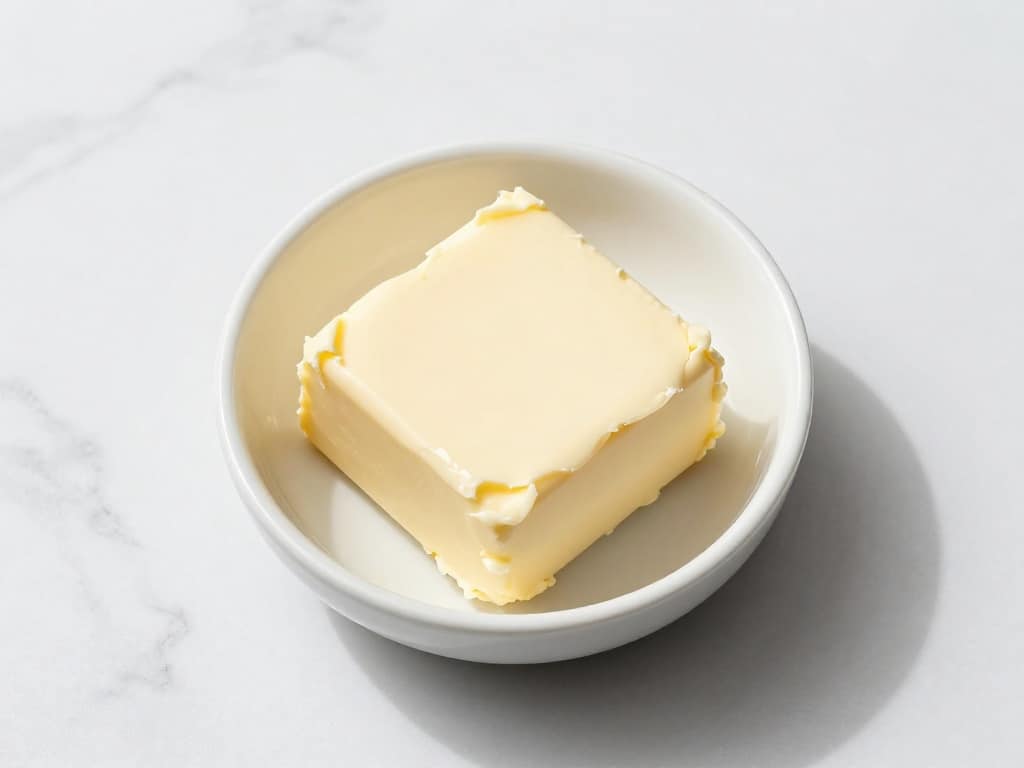
Unsalted butter is the most intuitive swap for vegetable shortening, and it works at a 1:1 ratio in almost every baking context.
The key difference is water: butter contains roughly 15-20% water, which turns to steam during baking and can slightly open up the crumb or soften a crust you wanted crisp.
For cookies, that moisture often translates to a chewier, richer result, which most people prefer. In pastry crusts and rustic pies, you may need to chill the dough slightly longer to compensate for the added liquid.
Shave 2-3 minutes off your bake time if you notice edges browning faster than expected, since butter's milk solids brown more quickly than shortening.
Flavor is where butter earns its place. Shortening is entirely neutral; butter brings a warm, milky richness that makes cookies and pie edges noticeably more aromatic.
If a recipe already relies on shortening's blandness to let other flavors carry, such as a delicately spiced pastry cream or a neutral frying medium, butter will shift the profile noticeably.
| Factor | Impact |
|---|---|
| Water content | Softens crumb; may spread cookies slightly more |
| Flavor | Adds rich, milky aroma to baked goods |
| Browning speed | Milk solids brown faster; reduce bake time by 2-3 minutes |
Unsalted butter is the most flavor-forward option among all five substitutes. It adds richness and aroma that shortening simply cannot match, making it the default choice for cookies, hand pies, and pastry crusts where buttery flavor is a welcome addition.
2. Clarified Butter / Ghee
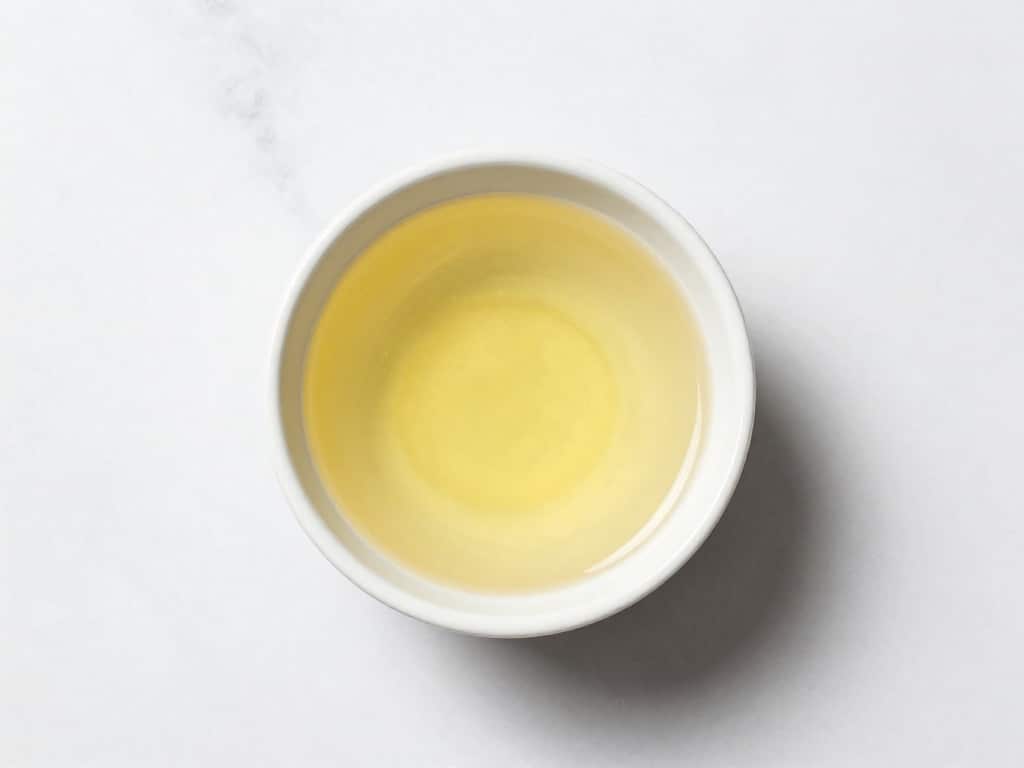
Ghee and clarified butter are essentially butter with the water and milk solids removed, leaving close to 100% pure butterfat.
That single change has meaningful consequences: you lose the browning risk, gain a higher smoke point (around 450??F versus butter's 300-350??F), and eliminate the moisture that can soften a flaky crust.
At a 1:1 ratio, ghee produces baked goods with noticeably more crumb stability than regular butter. Cakes hold their structure better, pie crusts stay flakier, and the overall texture sits closer to what shortening delivers, while still carrying a subtle buttery flavor.
For frying and saut??ing, ghee is genuinely superior to shortening in many savory applications because it tolerates high heat without breaking down. It also has a longer shelf life than regular butter, which is a practical bonus if you buy it in large tins.
Like cured meat swaps where fat content matters for rendering, ghee's pure fat composition means you get consistent results across both baking and stovetop cooking.
| Factor | Impact |
|---|---|
| Moisture | Near zero; crumb stays stable and crust stays flaky |
| Smoke point | ~450??F; safe for frying and high-heat saut??ing |
| Flavor | Mild buttery richness; more neutral than regular butter |
Ghee is the most stable fat on this list and works as a reliable all-around substitute. Use it when you need buttery flavor without the water content risk, especially in flaky pastries or high-heat cooking where regular butter would burn.
3. Coconut Oil (Solid)
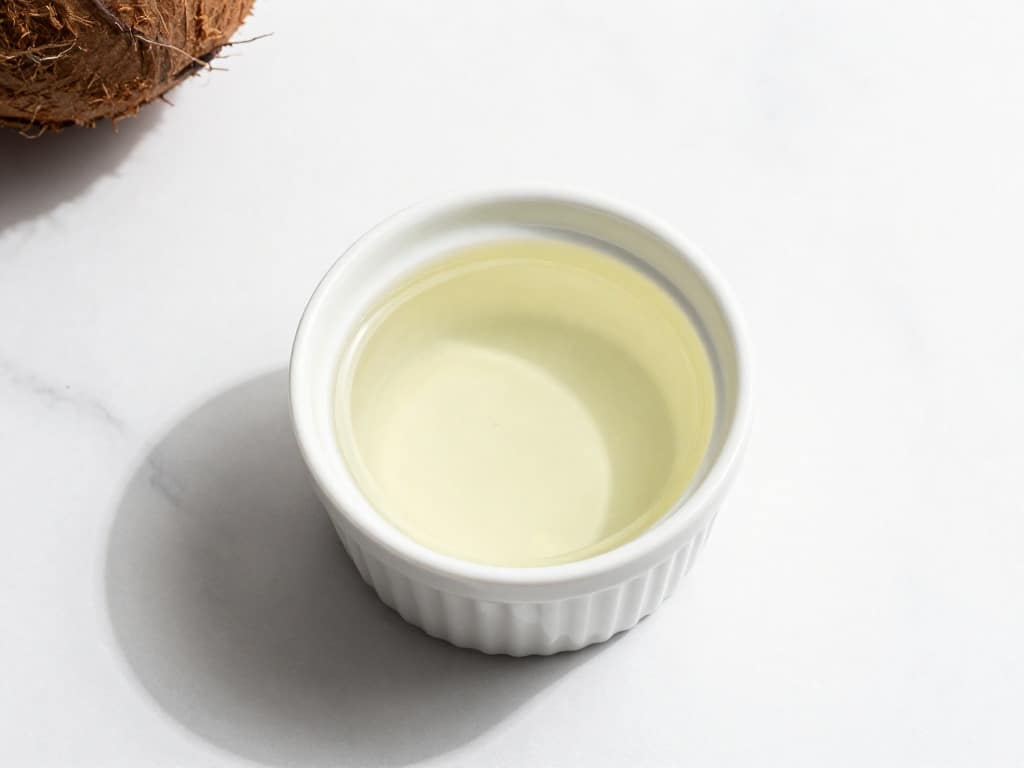
Solid coconut oil is one of the few plant-based fats that physically mimics shortening at room temperature. It is firm, white, and scoopable, which means it creams into dough the same way shortening does and coats flour proteins to produce a tender, short crumb.
Use it at a 1:1 ratio with no adjustment needed for volume or weight.
The main consideration is flavor. Unrefined coconut oil carries a noticeable coconut scent and taste, which works well in quick breads, tropical-leaning muffins, and savory pies where a hint of sweetness reads as complexity rather than off-note.
For mild-flavor cookies, shortbread, or any recipe where you want a completely neutral backdrop, refined coconut oil is the better choice because the refining process strips most of the coconut flavor. Solid coconut oil also has a relatively low melting point of around 76??F, so in warm kitchens it may soften quickly; keep your dough chilled between steps.
For recipes that already pair well with neutral-tasting grain alternatives, like those using brown rice flour, refined coconut oil keeps the flavor profile clean.
| Factor | Impact |
|---|---|
| Flavor | Unrefined adds coconut note; refined is nearly neutral |
| Texture mimicry | Solid at room temp; creams and coats flour like shortening |
| Heat sensitivity | Melts at ~76??F; chill dough in warm conditions |
Use refined coconut oil when you want the textural behavior of shortening without any added flavor. It handles creaming, layering, and coating flour almost identically to vegetable shortening, making it the fastest drop-in swap for most baking recipes.
4. Neutral Olive Oil
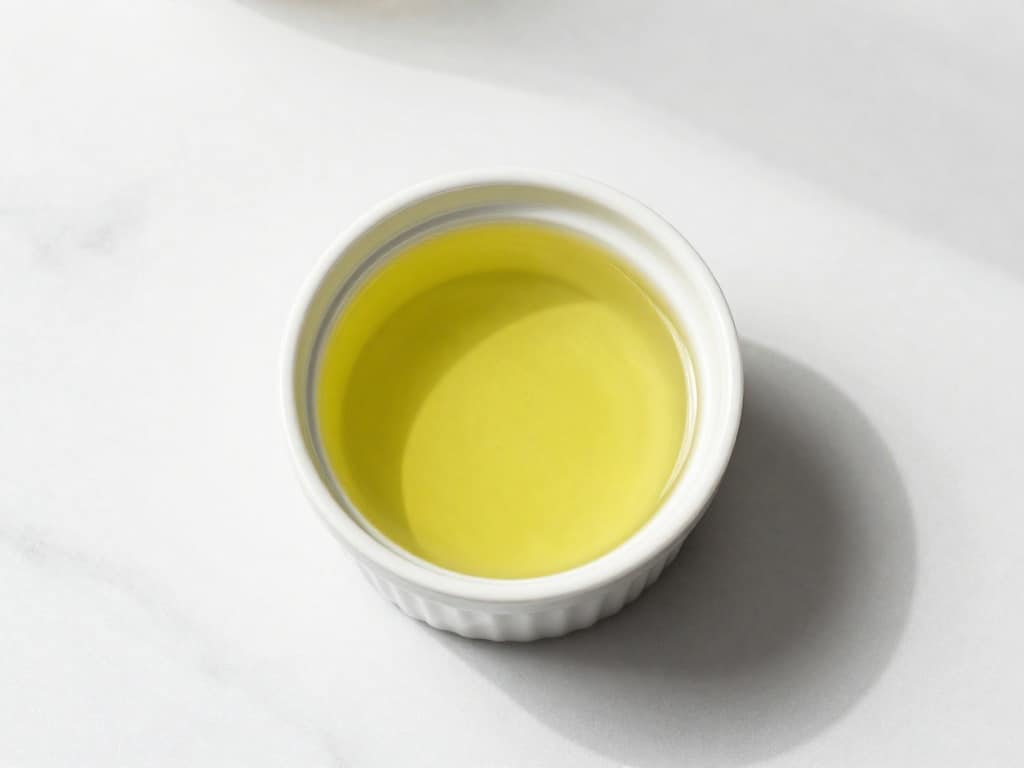
Olive oil is a liquid fat at room temperature, which immediately separates it from shortening in terms of physical behavior. It does not cream, it does not form flaky layers through lamination, and it will not hold air the same way in a creamed mixture.
Despite those limitations, it works at a 1:1 ratio by volume in recipes where tenderness matters more than structure, and where a slight savory flavor is acceptable or even desirable.
For savory doughs, herb biscuits, focaccia-style pie crusts, and flatbreads, olive oil is a practical and health-conscious choice. Light or extra-light olive oil is strongly preferred over extra-virgin here, since extra-virgin brings a pronounced fruitiness and bitterness that can clash with delicate pastry flavors.
In sweet baked goods, the olive flavor is almost always detectable and usually unwelcome. Stick to savory applications and you will find olive oil produces a moist, tender crumb with a pleasant savory undertone.
It also pairs naturally in Mediterranean-influenced recipes where vegetable-forward dishes call for a lighter fat base. For dishes similar to mayo-based recipes where fat texture and emulsification matter, keep in mind that olive oil's liquid form means it will not provide the same binding effect as shortening in doughs.
| Factor | Impact |
|---|---|
| Flavor | Fruity and slightly savory; noticeable in sweet recipes |
| Texture | Liquid fat; produces tender, moist crumb but no flakiness |
| Best application | Savory doughs, biscuits, herb crusts; avoid in sweet cookies |
Light olive oil is the healthiest fat option on this list and adds a distinct savory note that complements herb-forward or Mediterranean recipes. Reserve it for savory doughs and biscuits where a slightly fruity flavor profile reads as intentional, not accidental.
5. Lard or Bacon Fat
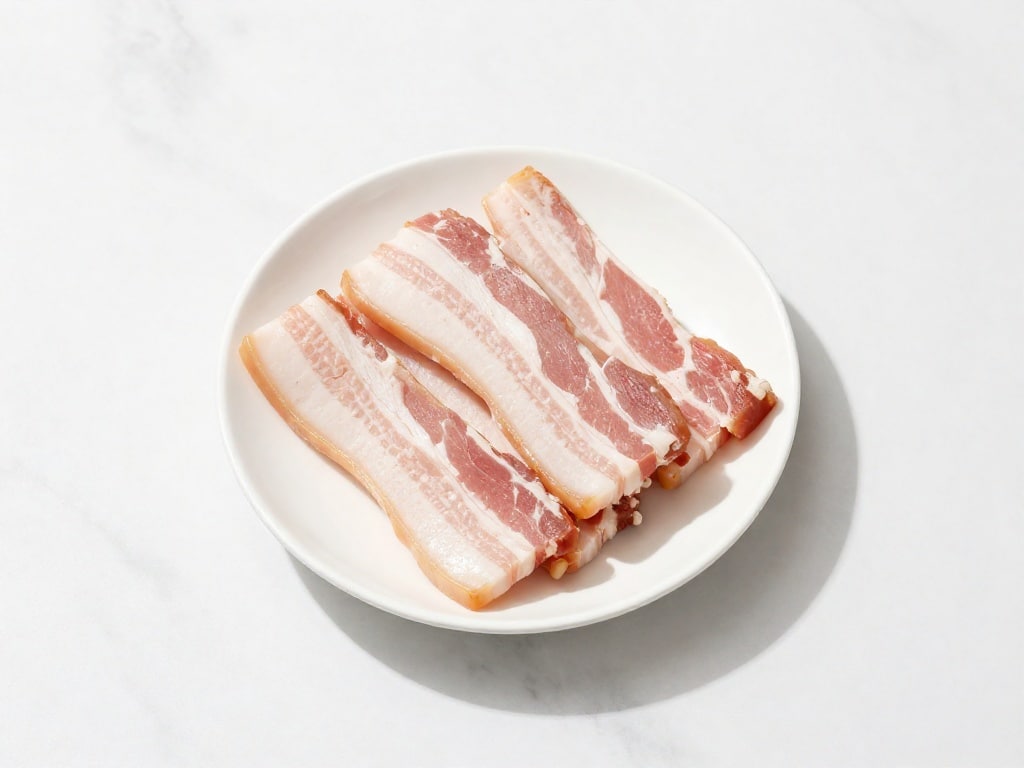
Lard is rendered pork fat that was the dominant pastry fat in home baking before vegetable shortening was invented, and it still produces some of the flakiest pie crusts and biscuits available. Use it at a 1:1 ratio by weight or volume.
Bacon fat, which is essentially lard with added smoke and salt from the curing process, works the same way with an extra layer of savory flavor.
In texture terms, lard produces a crumb that is short and tender with visible, distinct flaky layers in pastry doughs. This is because lard's fat crystals are larger than butter's, which means they coat flour more efficiently and leave clean pockets of steam-lifted dough during baking.
The tradeoff is flavor: lard adds a mild, meaty undertone that is subtle in plain pie crust and assertive in biscuits made with bacon fat. This substitute is not suitable for sweet desserts unless you are working with a traditional recipe that specifically calls for lard.
It is also worth noting dietary restrictions before using it, since it is an animal product that is not appropriate for vegetarian or vegan diets. For hearty, fat-rich savory recipes where rendered animal fat is already common, like those using bold meat cuts in a filling, lard is a natural match.
Similarly, in recipes built around beans, such as those needing navy bean alternatives in a savory pie, bacon fat deepens the overall flavor.
| Factor | Impact |
|---|---|
| Flavor | Mild pork note in lard; smoky and salty in bacon fat |
| Flakiness | Large fat crystals produce excellent, defined flaky layers |
| Dietary suitability | Not vegetarian or vegan; check restrictions before using |
Lard and bacon fat are flavorful but less versatile than the other four substitutes. Bacon fat especially carries strong smoke and salt that can overpower delicate recipes. Always account for dietary restrictions and taste-test the fat before committing it to a large batch.
How to Choose the Right Substitute?
The fastest way to narrow your choice is to start with flavor compatibility, then consider texture. If a recipe depends on a neutral fat to let other flavors lead, reach for ghee or refined coconut oil.
If flavor is flexible and richness is welcome, butter is your default. For savory recipes with no dessert-adjacent elements, lard or olive oil are both solid options with distinct payoffs.
A few practical rules help with edge cases. For delicate cookies and shortbread, butter or ghee preserve the most precise texture.
For flaky savory pies and meat-filled pastries, lard outperforms every other substitute on this list in flakiness. For quick breads and muffins where crumb tenderness is the goal and flavor is forgiving, refined coconut oil or butter work equally well.
When baking with non-traditional grain blends, such as recipes that use leafy greens as a filling or specialty flours, a neutral fat like ghee prevents ingredient clashes. Avoid liquid fats (olive oil) in any recipe that relies on creaming or lamination, as those techniques require a solid fat to trap air and create structure.
Frequently Asked Questions
Can I substitute butter 1:1 in all recipes that call for shortening?
Yes in most cases, however butter's 15-20% water content can slightly soften pastry crusts or cause cookies to spread more. Chill your dough and reduce bake time by 2-3 minutes to compensate.
Does ghee alter sweetness or texture in cookies?
Ghee does not change sweetness since it contains no sugars, however it produces a slightly crisper, more stable crumb than regular butter because all moisture has been removed during clarification.
Will coconut oil make bread taste coconut-y?
Unrefined coconut oil adds a noticeable coconut flavor, however refined coconut oil is processed to remove that scent and taste, making it nearly neutral for most baking applications.
Is olive oil a good substitute in cookies?
Not for most cookies. Olive oil's fruity, slightly bitter flavor is detectable in sweet baked goods and its liquid form prevents creaming, which affects cookie structure and spread.
Will lard make my pastry less flaky?
No. Lard actually produces more defined flaky layers than shortening because its fat crystals are larger, coating flour more efficiently and creating cleaner steam pockets during baking.
When should I avoid oil-based substitutes in baking?
Avoid liquid oils whenever a recipe calls for creaming fat with sugar or laminating dough. Those techniques require a solid fat to trap air and create structure that liquid oil cannot replicate.
Savory Tweaks: 5 BEST Vegetable Shortening Substitutes
Ingredients
Method
- Choose your substitute based on the dish type and desired flavor match. Use butter or ghee for baking, lard for savory flaky pastries, and olive oil for savory doughs only.
- Prepare the substitute as directed: adjust ratios and prep as noted for each option. Chill butter-based doughs longer to account for water content; keep coconut oil solid in warm kitchens.
- Apply the substitution ratio carefully. All five substitutes replace vegetable shortening at a 1:1 ratio by weight or volume. Start with the stated amount and adjust to taste.
- Taste and adjust seasoning. Some substitutes shift flavor or texture slightly. Reduce bake time by 2-3 minutes when using butter, and choose refined coconut oil when a neutral flavor is needed.
Notes
- Butter adds richness but contains 15-20% water; chill dough and reduce bake time slightly when substituting.
- Refined coconut oil is the best neutral plant-based swap; unrefined adds a coconut flavor that works in some but not all recipes.
- Lard produces the flakiest pastry layers of all five substitutes but is not suitable for vegetarian or vegan diets.
Tried this recipe?
Let us know how it was!
Carrie is a food writer and editor with more than 15 years of experience. She has worked for some of the biggest names in the food industry, including Bon Appétit, Food & Wine, and Martha Stewart Living.
As the Editor in Chief of EpicureDelight, Carrie oversees all of the content on the site. She also manages the team of contributing writers and editors, who help to create delicious recipes, helpful tips, and informative articles that you’ll find on the site.
A native of the Chicago area, Carrie is passionate about all things food. She loves trying new restaurants and experimenting with new recipes in her kitchen. She’s also a graduate of the Culinary Institute of America, so she knows a thing or two about food!



