
Fiori di Sicilia is a specialty baking extract with a uniquely layered flavor: orange blossom, vanilla, and citrus zest rolled into a single bottle. It is used in small amounts, typically ½ to 1 teaspoon per batch, and it gives Italian breads like panettone and colomba their signature aroma.

The problem is that it is not stocked at most grocery stores, and ordering it online is not always practical when you are mid-recipe.
The good news is that the flavor profile of fiori di Sicilia is actually easy to reconstruct from pantry staples. The key is understanding which part of the flavor you most need to replicate: the floral note, the citrus brightness, or the vanilla warmth.
Each substitute below comes with a specific ratio and a clear note on where it works best. Some are better for delicate cakes.
Others hold up in richer, denser batters. Just like almond extract substitutes need to account for potency differences, the substitutes here vary in intensity and should be adjusted to match your recipe.
We have tested these five options across baked goods and cooked fillings so you get a direct answer for your situation, not a long list of maybes.
Fiori di Sicilia is a vanilla-orange blossom flavored extract used in small amounts in baking. The five best substitutes are orange blossom water, orange zest with vanilla extract, orange extract with vanilla extract, vanilla extract with orange zest, and neroli oil. Each can replace it at a 1:1 ratio or close to it, with minor adjustments for intensity.
Fiori Di Sicilia Substitutes in Detail
Before choosing a substitute, it helps to know what fiori di Sicilia actually does in a recipe. It adds a soft floral lift alongside warm vanilla and a bright citrus edge.
The table below maps each substitute to its ratio and the recipe context where it performs best, so you can make a quick decision without reading every section.
Orange blossom water is the most direct replacement, carrying the floral note without any extra prep. The zest-based options give you more control over intensity.
For those working with premium recipes, neroli oil is a professional-grade choice worth considering, similar to how specialty swaps work when you look at coconut extract substitutes for high-end baked goods.
| # | Substitute | Ratio | Best For | Taste Match |
|---|---|---|---|---|
| 1 | Orange Blossom Water | 1:1 | Delicate cakes, cookies, pastry doughs | Close |
| 2 | Orange Zest + Vanilla Extract | 1 teaspoon zest + ¼ teaspoon vanilla per 1 tsp | Cakes, quick breads, enriched doughs | Close |
| 3 | Orange Extract + Vanilla Extract | 1:1 combined | Cookies, pound cake, muffins | Mild |
| 4 | Vanilla Extract + Orange Zest | ½ teaspoon vanilla + ½ teaspoon zest per 1 tsp | Any baked good, cooked fillings | Close |
| 5 | Neroli Oil | 1 drop per 1 teaspoon of vanilla-zest mix | Premium pastries, artisan breads | Very Close |
Save This for Later
Pin this 5 best fiori di sicilia substitutes to consider guide so you always have it when you need it.
Pin This Guide1. Orange Blossom Water
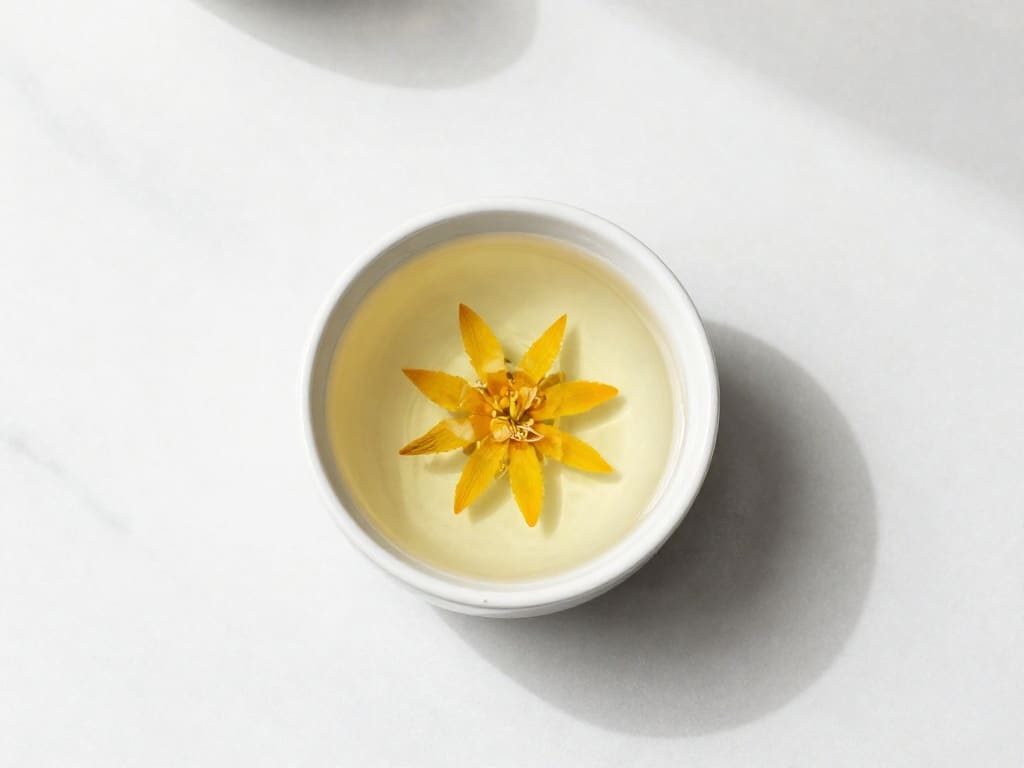
Orange blossom water is the cleanest, most accessible substitute for fiori di Sicilia. It is pressed from the flowers of the bitter orange tree and carries that same soft floral note that defines fiori di Sicilia's character.
You can find it in bottles ranging from 1 oz to 4 oz at Middle Eastern grocery stores, specialty food shops, and online.
Use it at a 1:1 ratio by volume. If your recipe calls for 1 teaspoon of fiori di Sicilia, start with 1 teaspoon of orange blossom water.
The floral aroma can be strong in some brands, so taste before adding the full amount and scale back to ¾ teaspoon if needed. It works especially well in delicate cakes, butter cookies, and laminated pastry doughs where the blossom note is the star.
The tradeoff is that orange blossom water lacks vanilla warmth on its own. For recipes where vanilla plays a noticeable role, add a small splash of vanilla extract alongside it to round out the flavor profile.
- Orange blossom water, 1-4 oz bottle
- Vanilla extract (optional top-up)
- 1:1 by volume (start here)
- Reduce to ¾ teaspoon if aroma is intense
Use orange blossom water at a direct 1:1 swap with fiori di Sicilia. It is the simplest replacement for delicate cakes and cookies with no mixing required.
2. Orange Zest + Vanilla Extract
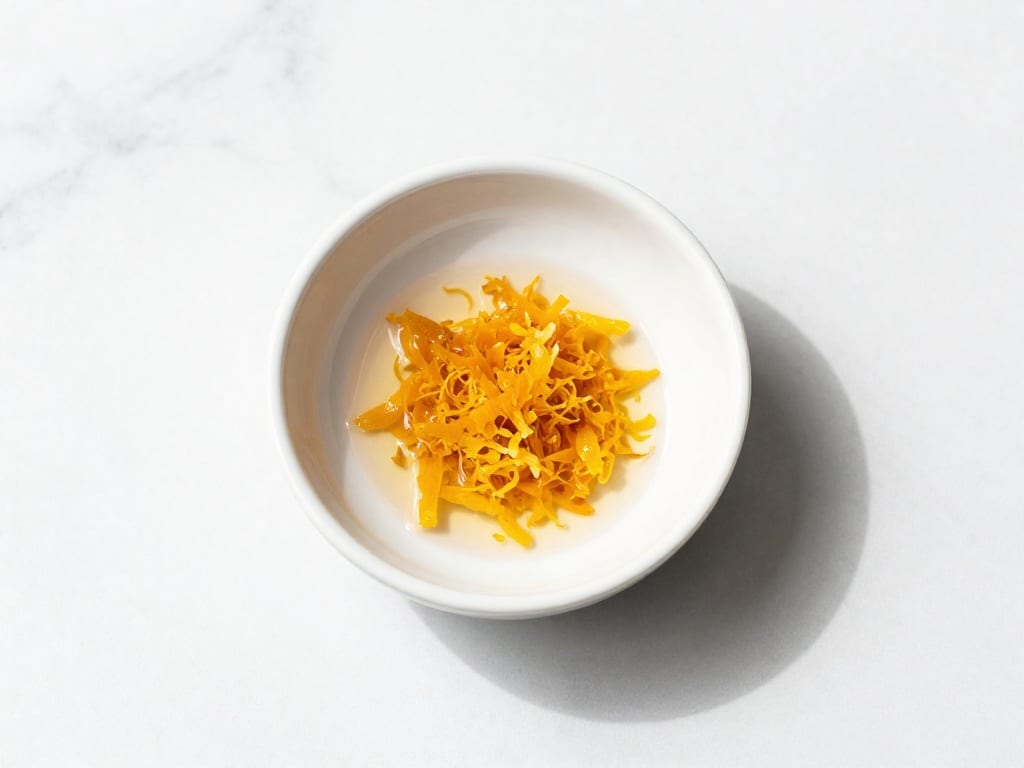
This two-ingredient combination is one of the most reliable homemade substitutes you can put together in under a minute. Fresh orange zest brings the citrus brightness that fiori di Sicilia delivers, while vanilla extract adds the warm, rounded base note.
The ratio is 1 teaspoon zest plus ¼ teaspoon vanilla extract for every 1 teaspoon of fiori di Sicilia called for in your recipe.
Zest adds brightness; vanilla adds warmth. Together they cover the two dominant flavor dimensions of the original extract.
This pairing is excellent in enriched doughs, pound cakes, and quick breads. Because the zest is a solid, distribute it evenly through your batter so the citrus flavor does not concentrate in one spot.
Freshly grated zest from a navel orange gives the cleanest, most vibrant result.
For a deeper orange flavor, try using lime zest alongside the orange zest in a 3:1 orange-to-lime ratio. This adds a slightly sharper citrus edge that some bakers prefer in richer batters.
- Fresh orange zest, 1 teaspoon per replacement
- Navel or blood orange works well
- Pure vanilla extract, ¼ teaspoon per replacement
- Bourbon vanilla has richer depth
Combine 1 teaspoon orange zest and ¼ teaspoon vanilla extract to replace each teaspoon of fiori di Sicilia. This two-ingredient mix maintains both citrus aroma and vanilla depth in one step.
3. Orange Extract + Vanilla Extract
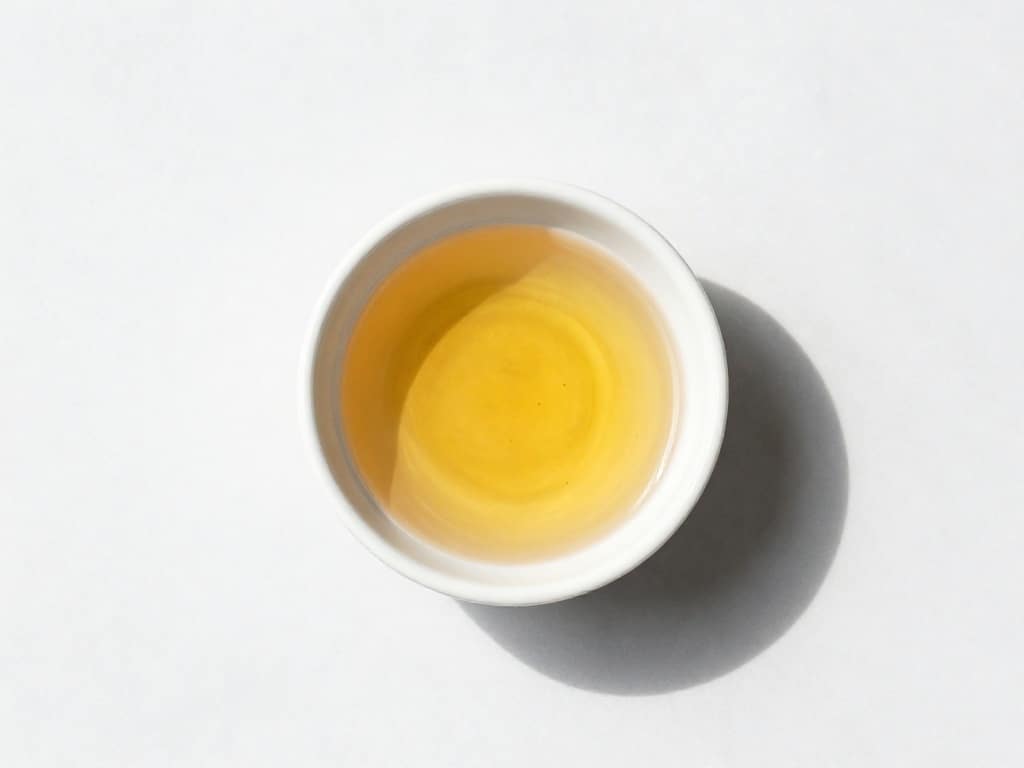
When you need a quick, no-prep liquid substitute, combining orange extract and vanilla extract gets the job done. Mix equal parts of each to reach your target volume, then use the combined amount at a 1:1 ratio in place of fiori di Sicilia.
This swap is straightforward and works across most baked goods.
Orange extract is significantly stronger than zest, so the flavor payoff is immediate. If your batter is on the delicate side, start at ¾ teaspoon of the combined mixture per teaspoon required and taste before adding more.
Both extracts contain alcohol, which can sharpen in high-heat recipes or very thin batters. Vanilla extract used in baking performs similarly across contexts, much like the range you see when reviewing coffee extract substitutes for different recipe types.
This combination is especially reliable in cookies, muffins, and pound cakes where the batter is thick enough to mellow the alcohol edge during baking.
- Pure orange extract, ½ teaspoon per replacement
- Stronger than zest; adjust to taste
- Pure vanilla extract, ½ teaspoon per replacement
- Use pure, not imitation, for cleaner flavor
Use equal parts orange extract and vanilla extract for a quick 1:1 swap. This delivers a clear vanilla note and citrus kick without any additional prep work.
4. Vanilla Extract with Orange Zest (Scaled)
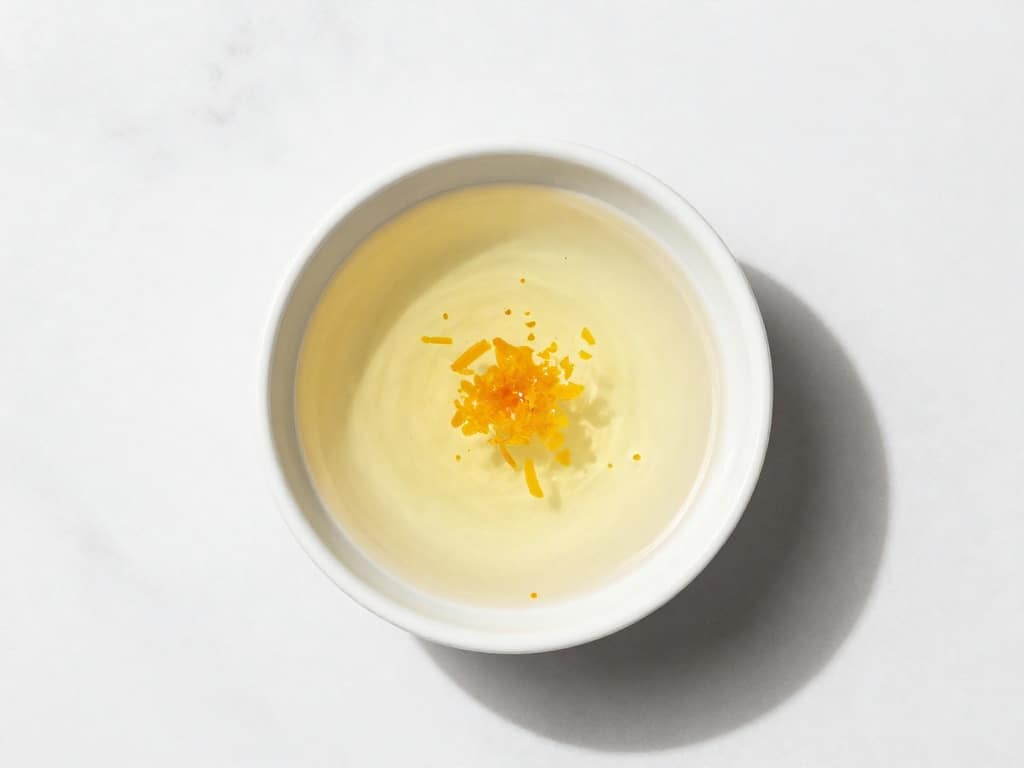
This approach puts vanilla in the lead position and uses orange zest as the supporting citrus note. The suggested starting ratio is ½ teaspoon vanilla extract plus ½ teaspoon fresh orange zest per 1 teaspoon of fiori di Sicilia.
From there, you can tip the scale in either direction: more zest for a brighter citrus finish, more vanilla for a warmer, softer result.
Balancing citrus brightness with vanilla warmth yields a closer mimic of fiori di Sicilia than using either ingredient alone. This version is especially good in cooked fillings, cream-based desserts, and pastry creams where the zest softens during cooking and the vanilla blooms.
It is also a strong choice for enriched yeasted doughs, where the zest oils infuse slowly into the dough during proofing. For recipes that call for citrus-forward flavor, scaling up to ¾ teaspoon zest and keeping vanilla at ¼ teaspoon works well, comparable to the flexibility you find when working with grapefruit substitutes in citrus-heavy recipes.
- Pure vanilla extract, ¼-1/2 teaspoon per replacement
- Scale up for vanilla-forward recipes
- Fresh orange zest, ¼-3/4 teaspoon per replacement
- Grate just before using for maximum aroma
This is the most customizable substitute on the list. Adjust the vanilla-to-zest ratio based on your recipe's dominant flavor direction for the closest match to fiori di Sicilia.
5. Neroli Oil (Premium Option)
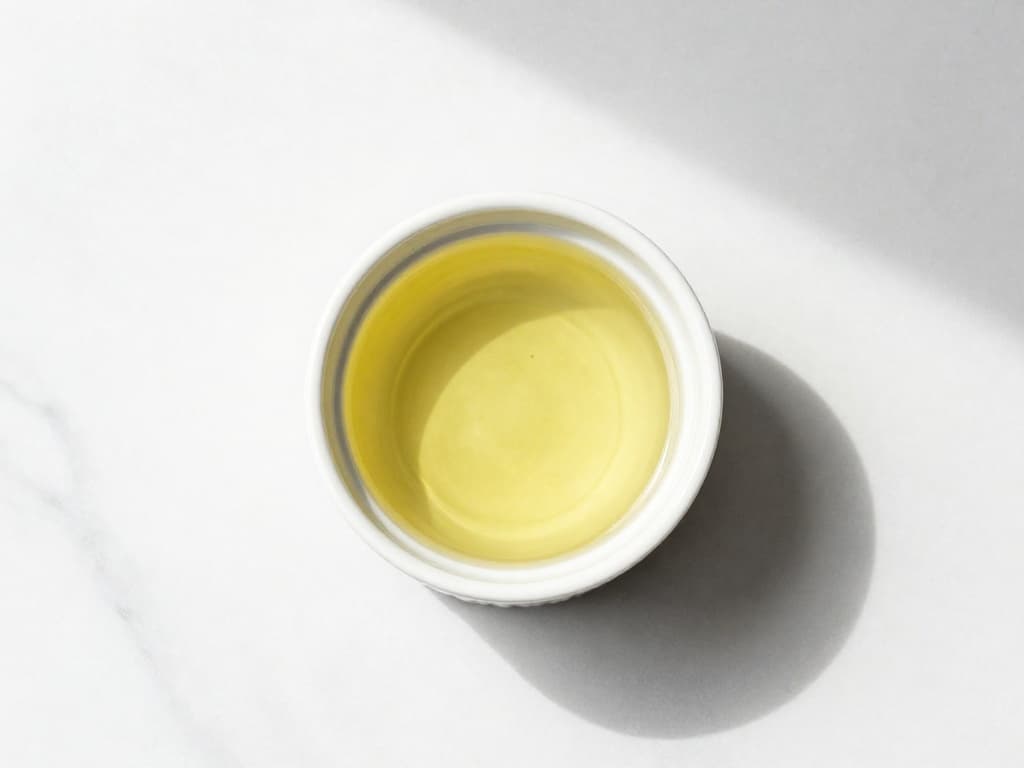
Neroli oil is derived from the blossoms of the bitter orange tree (Citrus aurantium), the same source that gives fiori di Sicilia its floral character. It is highly concentrated and sold in tiny vials, typically ⅛ oz or smaller.
Food-grade neroli oil is the variety you want for baking, not the essential oil version sold for aromatherapy, which is not intended for consumption.
The usage rate is dramatically different from other substitutes: just 1 drop of neroli oil added to a 1-teaspoon mix of vanilla extract and orange zest gives you a very close approximation of fiori di Sicilia's floral complexity. This is the right choice for premium pastries, artisan panettone, and high-end celebration cakes where the floral note matters at a fine-detail level.
The intensity also means a single small vial lasts through dozens of batches. Like the precision needed with sunflower oil substitutes in fat-sensitive recipes, neroli oil requires careful measurement to avoid overpowering your batter.
- Food-grade neroli oil, 1 drop per teaspoon mixture
- Sourced from bitter orange blossoms
- Vanilla extract, ½ teaspoon per replacement
- Orange zest or orange extract, ½ teaspoon per replacement
Neroli oil is extremely potent. Start with a single drop per batch and taste the batter before adding more. A second drop can easily tip the flavor into soapy territory.
Decision Guide: Which Substitute Should I Use?
Choosing the right substitute depends on three things: what your recipe is, how intense you want the floral note, and what you have on hand. Floral intensity varies significantly across brands and products, so personal taste is also part of the decision.
The flow below maps each scenario to its best option quickly.
- Baking a delicate cake or butter cookie: Orange blossom water at 1:1 is your cleanest choice. It adds floral depth without adjusting the liquid ratio significantly.
- No specialty ingredients available: The orange zest plus vanilla extract combo uses pantry staples and takes 30 seconds to measure. This is the most practical everyday fix, similar to how Medjool date substitutes rely on common pantry items for everyday swaps.
- You need a quick liquid swap: Equal parts orange extract and vanilla extract replaces fiori di Sicilia at 1:1 without any zesting or measuring of solids.
- You want the most customizable result: Vanilla extract with orange zest lets you tip the flavor in whichever direction your recipe needs. Scale up the zest for brightness, scale up the vanilla for warmth.
- You are making an artisan or premium pastry: Food-grade neroli oil added to a vanilla-zest base gives the closest match in texture, intensity, and floral complexity.
- Your recipe is a cooked filling or custard: Avoid orange blossom water here, as its aroma fades quickly with heat. Use the vanilla-zest combination or neroli oil instead, since both hold their character under moderate heat.
For everyday baking, start with orange blossom water (1:1) or the orange zest and vanilla combo. Step up to neroli oil only for special-occasion recipes where the floral note is central to the dish.
If you are unsure about how extract-style substitutes perform in general, reviewing options like onion flake substitutes shows how the same ratio-first logic applies across very different flavor categories. The principle scales: match the role of the ingredient first, then fine-tune intensity.
Frequently Asked Questions
Can I replace fiori di Sicilia entirely in a recipe with one substitute?
Yes. Orange blossom water at a 1:1 ratio covers the floral note well on its own, though adding ¼ teaspoon of vanilla extract gives a more complete flavor match.
Will these substitutes affect baking times or textures?
No significant changes to baking time or texture should occur since all five substitutes are used in small amounts, typically under 1 teaspoon per batch.
Which substitutes work best in cookies vs. cakes?
Orange extract with vanilla extract is ideal for cookies due to its intensity. Orange blossom water or the zest-vanilla combo is better for delicate cake batters that need a softer flavor.
How do I adjust sweetness when using vanilla-heavy substitutes?
Pure vanilla extract adds negligible sweetness, so no sugar adjustment is needed. Imitation vanilla can taste sweeter; reduce added sugar by 1 teaspoon if using it in sensitive recipes.
Is orange oil safe for all recipes, or should I avoid it in certain diets?
Food-grade neroli oil is safe in standard recipes but should be avoided by anyone with citrus allergies. Always confirm the product is labeled food-grade, not therapeutic-grade essential oil.
5 Best Fiori Di Sicilia Substitutes to Consider
Ingredients
Method
- Choose your substitute based on the dish type and desired flavor match. Use orange blossom water for delicate cakes, zest-based options for customizable results, or neroli oil for premium pastries.
- Prepare the substitute as directed: adjust ratios and prep as noted for each option. Freshly grated orange zest gives the best aroma for zest-based substitutes.
- Apply the substitution ratio carefully. Start with the stated amount and adjust to taste, especially with strong ingredients like orange extract or neroli oil.
- Taste and adjust seasoning. Some substitutes shift flavor intensity slightly, so scale up or down by ¼ teaspoon increments until the balance is right.
Notes
- Orange blossom water aroma varies by brand; taste before using the full amount.
- Food-grade neroli oil only - never use aromatherapy essential oil in baking.
Tried this recipe?
Let us know how it was!
Carrie is a food writer and editor with more than 15 years of experience. She has worked for some of the biggest names in the food industry, including Bon Appétit, Food & Wine, and Martha Stewart Living.
As the Editor in Chief of EpicureDelight, Carrie oversees all of the content on the site. She also manages the team of contributing writers and editors, who help to create delicious recipes, helpful tips, and informative articles that you’ll find on the site.
A native of the Chicago area, Carrie is passionate about all things food. She loves trying new restaurants and experimenting with new recipes in her kitchen. She’s also a graduate of the Culinary Institute of America, so she knows a thing or two about food!



