
Agave nectar has a quiet sweetness and a slightly thin, pourable body that makes it easy to blend into batters, sauces, and drinks without adding much flavor of its own. When the bottle runs out mid-recipe, the good news is that several pantry staples behave close enough to keep things on track.
This guide covers five agave nectar substitutes with exact swap ratios, flavor notes, and honest warnings about when each one falls short.
The key is matching two things at once: sweetness level and liquid consistency. A substitute that's too thick or too thin will shift your batter or sauce in ways that sweetness alone can't fix.
Honey is the closest all-purpose swap at a 1:1 ratio. Maple syrup works well when a deeper flavor is welcome. Simple syrup is the most neutral option for drinks and light sauces. Brown sugar syrup adds moisture and color. Corn or golden syrup keeps stickiness intact-use slightly less.
5 Agave Nectar Swaps That Work (Baking + Cooking)
Most liquid sweeteners sit close enough to agave that a straight swap gets you most of the way there-but the right call depends on what your recipe actually needs. If you're also working through pantry limitations on other ingredients, our guides on alternatives to corn syrup and replacements for brown sugar round out the picture nicely.
| # | Substitute | Best For | Ratio | Key Note |
|---|---|---|---|---|
| 1 | Honey (light) | Both | 1:1 | Mild caramel, browns faster |
| 2 | Maple Syrup | Both | 1:1 | Distinct woodsy flavor |
| 3 | Simple Syrup | Cooking | 1:1 | Very neutral, thins batter |
| 4 | Brown Sugar Syrup | Baking | 1:1 | Darkens color, molasses note |
| 5 | Corn/Golden Syrup | Baking | ¾:1 | Sticky, sweeter than agave |
- Go neutral: Pick simple syrup when the recipe flavor should stay clean-drinks, light fruit sauces, pale glazes.
- Go deeper: Honey, maple, or brown sugar syrup all work when browning or caramel notes are welcome additions.
- Watch viscosity in baking: If your batter looks noticeably looser after mixing, reduce the liquid substitute by 1-2 teaspoons next time.
1. Honey
Honey is the easiest everyday swap because its liquid body is close to agave's, and its sweetening power is nearly identical. Understanding agave nectar's flavor and uses makes it clear why honey lands so naturally here-both are mild, both dissolve easily, and both bring a faint floral or caramel note to the background.
- Swap ratio: 1:1 for agave in any recipe.
- Flavor shift: Adds a mild caramel or floral note; generally a net positive in cookies, cakes, and marinades.
- Baking use: Works well in quick breads, granola bars, and glazes-expect about 10-15% faster browning, so check the oven a few minutes early.
- Cooking use: Dissolves smoothly into sauces and dressings; try it in a savory context like a honey mustard chicken and veggies recipe to see how it performs under heat.
- Viscosity check: Honey is slightly thicker than most agave; batter may be marginally denser, which is rarely a problem.
Skip if you need a completely flavor-neutral sweetness-honey's character will come through, especially in light-colored or delicate recipes.
2. Maple Syrup
Maple syrup earns its place because it has a similar pourable consistency to agave and dissolves into batters and sauces without any extra effort. The trade-off is flavor: maple is noticeably woodsy and warm, which is exactly what you want in oatmeal cookies, banana bread, or roasted vegetable glazes, but less ideal in pale or fruit-forward dishes.
If your original recipe already leaned heavily on maple, you may want to browse maple syrup swaps that work for further options.
- Swap ratio: 1:1 for most recipes; reduce by 1-2 teaspoons per ½ cup if the maple flavor feels too strong.
- Flavor impact: Distinct caramel and woodsy sweetness-clearly noticeable, especially in baked goods.
- Best recipe types: Warm-spiced cakes, cookies, granola, roasted meats, and savory glazes where the flavor is welcome.
- Texture tip: Check batter thickness after mixing; pure maple syrup is very close in viscosity to light agave, so most batters won't need adjustment.
- Browning note: Natural sugars in maple can cause slightly faster browning-lower oven temp by 10°F if you see edges darkening early.
Skip if your recipe is a pale beverage, a light fruit sauce, or anything where maple flavor would be out of place.
3. Simple Syrup
When a recipe calls for agave's sweetness but not its subtle flavor, simple syrup is the most useful tool in the group. It is just sugar dissolved in water at equal weights, which means it brings zero flavor baggage-ideal for cocktails, lemonades, and light vinaigrettes.
For a fuller breakdown of how these two stack up, the piece on comparing agave vs simple syrup options goes into more detail.
Simple Syrup
Works for: drinks, light sauces, dressings, pale desserts where neutral sweetness is the goal
Skip if: recipe relies on agave's stickiness for structure-simple syrup is thinner and won't provide the same binding
- Swap ratio: 1:1; make it at home in 5 minutes with equal parts sugar and water, simmered until clear.
- Thickening tip: If you need more body, simmer the syrup a little longer to reduce water content, or use a 2:1 sugar-to-water ratio for a thicker result.
- Best uses: Cocktails, iced teas, fruit salad dressings, and any sauce where a clean sweet note is all you need.
- Batter warning: Simple syrup is more water-heavy than agave-if you use it in a cake or muffin, the batter may loosen noticeably; reduce by 1 tablespoon per ½ cup and check consistency before baking.
4. Brown Sugar Syrup
Brown sugar syrup is just brown sugar dissolved in hot water, and it works well when you actually want the recipe to lean darker and richer. The molasses in brown sugar adds depth that plain agave doesn't have, which makes this swap a genuine upgrade in spice cakes, baked oatmeal, and barbecue sauces.
If you want to explore the source ingredient further, the guide to replacements for brown sugar covers the basics well-and if you want to see brown sugar doing serious work in a savory context, a brown sugar glazed ham recipe is a good reference.
To make it, dissolve 1 cup brown sugar in ½ cup hot water and stir until smooth. The resulting syrup has good body and pours easily.
- Swap ratio: 1:1 as a starting point; adjust if batter feels too wet after mixing.
- Flavor depth: Clear molasses and caramel notes-expect a noticeably warmer flavor than agave.
- Color warning: Baked goods will darken by a shade or two; not ideal for white or yellow cakes or pale custards.
- Fix for over-browning: Lower oven temperature by 10-15°F and tent loosely with foil in the final 10 minutes.
- Moisture fix: If batter feels too loose, add 1 tablespoon of flour per cup of total batter until the consistency looks right.
Skip if color change is a problem-light-colored desserts or pale pan sauces will look visibly different.
5. Corn or Golden Syrup
When a recipe needs stickiness for structure-chewy cookies, glossy glazes, or candy-like confections-corn syrup and golden syrup are the most reliable options in this list. They hold together better than honey or maple under heat, which is why candy and caramel recipes often call for them specifically.
Understanding the role maple syrup plays in baking can also help clarify why sticky syrups behave differently from thinner ones.
| Agave Amount | Use This Much | Notes |
|---|---|---|
| ¼ cup agave | 3 tablespoon corn/golden syrup | Start here; taste and adjust up if needed |
| ½ cup agave | 6 tablespoon corn/golden syrup | Reduce by 1 tablespoon if recipe is already very sweet |
| 1 cup agave | ¾ cup corn/golden syrup | Full swap; watch browning in the oven |
- Best uses: Chewy cookies, pecan bars, sticky glazes, brittle, and any recipe where you need that pull-apart texture.
- Flavor note: Light corn syrup is fairly neutral; golden syrup has a faint butterscotch flavor that can be a nice bonus in warm baked goods.
- Browning: Both syrups promote browning-check the oven 5 minutes before the timer goes off and cover if edges are darkening too fast.
- Sweetness check: Corn syrup is often sweeter than agave, so starting at ¾ of the original amount protects against an overly sweet result.
Skip if you want to avoid corn syrup specifically-simple syrup is the cleaner neutral alternative.
Making Your Agave Nectar Substitute Work
The two things that trip people up most when swapping agave are batter consistency and oven browning. Every liquid sweetener sits at a slightly different viscosity and sugar concentration, so a recipe that worked perfectly with agave may need a small correction after you switch.
The fix is almost always minor-a tablespoon less liquid, a slightly lower oven temperature, or a quick stir to check the batter before it goes in the pan.
- Thin batter fix: Reduce the liquid substitute by 1-2 teaspoons per ½ cup agave, or add 1 tablespoon of flour per cup of batter if it still looks too runny.
- Over-browning fix: Lower oven temperature by 10-15°F and extend bake time by 3-5 minutes; tent loosely with foil if edges darken before the center is done.
- Flavor balance: After mixing, taste and add a small pinch of salt to pull back any sweetness that feels one-dimensional-it works for both savory and sweet preparations.
Frequently Asked Questions
Yes, honey swaps 1:1 for agave in baking. Expect a mild caramel note and slightly faster browning-check the oven a few minutes early.
Simple syrup is the most neutral option-it adds sweetness with no flavor of its own. Use it 1:1 for agave in any drink or light sauce.
Yes, maple syrup adds a light amber tint and promotes slightly faster browning. Lower your oven temperature by 10°F if you notice edges darkening too quickly.
Corn syrup is generally sweeter than agave, so start at ¾ of the agave amount. Taste after mixing and add a small amount more if needed.
Reduce the substitute by 1-2 teaspoons per ½ cup agave, or stir in 1 tablespoon of flour per cup of batter until the consistency looks right.
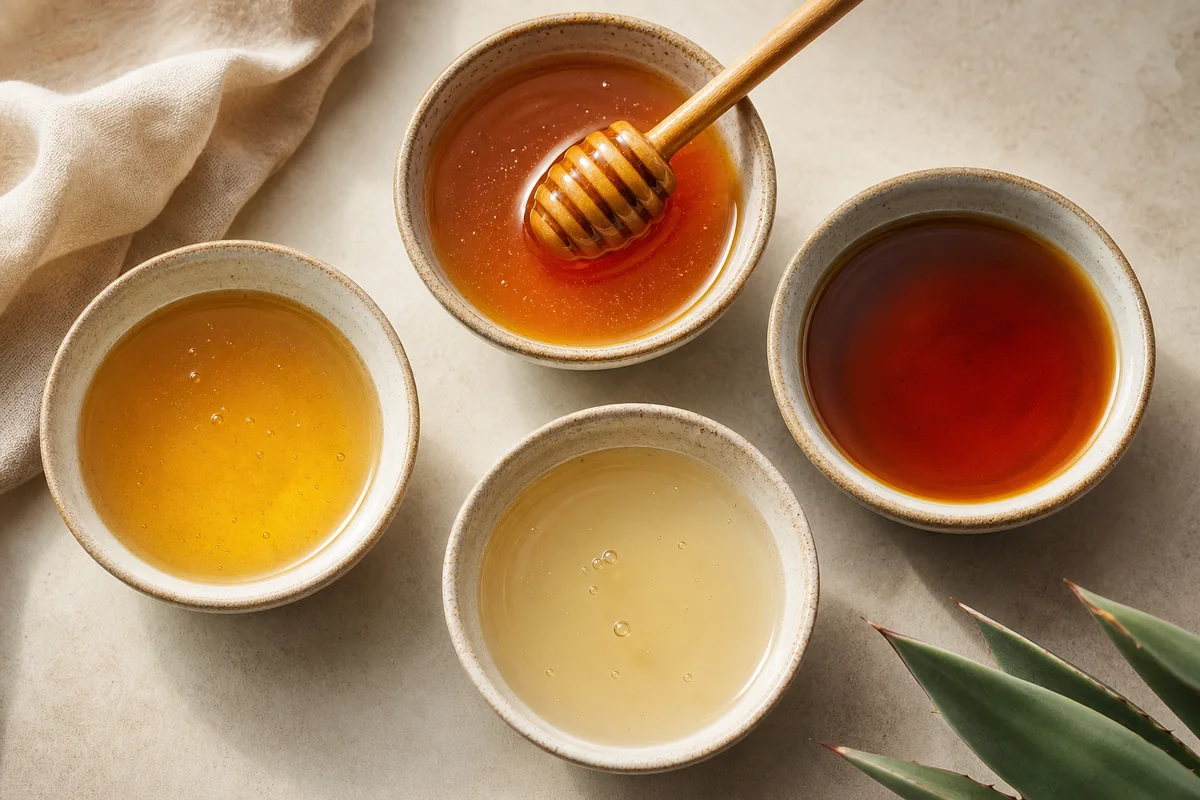
5 Best Agave Nectar Substitutes (That Actually Work)
Ingredients
Equipment
Method
- Identify the role agave plays: sweetener only (go neutral), moisture/binding (match stickiness), or caramel/browning (choose a deeper syrup).
- Use the ratio for the substitute you picked (use 1:1 for most, and use ¾:1 for corn/golden syrup).
- If your batter/dough looks thinner than expected, reduce the substitute by 1–2 teaspoons per ½ cup agave and rely on the existing dry ingredients.
- If your recipe needs cleaner flavor, pick simple syrup; if it needs rich browning, pick honey, maple, or brown-sugar syrup.
- Taste and adjust after mixing: add a small pinch of salt to balance sweetness or a few teaspoons of water to loosen if needed.
Notes
- Agave is mild and liquid; substitutions must match both sweetness and viscosity to avoid texture shifts.
- For baking, visually check thickness after mixing—agave’s thin body can affect batter consistency.
Tried this recipe?
Let us know how it was!
Carrie is a food writer and editor with more than 15 years of experience. She has worked for some of the biggest names in the food industry, including Bon Appétit, Food & Wine, and Martha Stewart Living.
As the Editor in Chief of EpicureDelight, Carrie oversees all of the content on the site. She also manages the team of contributing writers and editors, who help to create delicious recipes, helpful tips, and informative articles that you’ll find on the site.
A native of the Chicago area, Carrie is passionate about all things food. She loves trying new restaurants and experimenting with new recipes in her kitchen. She’s also a graduate of the Culinary Institute of America, so she knows a thing or two about food!



