
Bitter orange peel, a hint of herbs, and a dry finish that keeps you reaching for another sip. That's what makes Amer Picon hard to replace and easy to miss when it's not on the shelf.
The good news is that most recipes needing an amer picon substitute rely on two things: bitterness and orange-peel character. Get both right and the gap almost disappears.
Amer Picon sits lower in alcohol than most amari, so its bitterness lands without weight. A substitute that swings too sweet will taste flat.
One that goes too bitter will overpower everything else. The list below covers five swaps, from herbal amaro blends to pantry-level fixes, for both cocktails and cooking.
Amer Picon is a bitter-orange aperitif with dry herbal notes. The best substitutes pair a bitter base (amaro or Campari) with orange bitters to rebuild both layers. For a lighter swap, Aperol plus bitters works. For an emergency fix, orange liqueur with Angostura-style bitters gets close enough.
5 Best Amer Picon Substitutes for Home Cooks
Each substitute below maps to a flavor goal, ratio, and a few quick notes. Pick by whether you need bitter backbone or orange brightness first.
| # | Substitute | Best For | Ratio | Key Note |
|---|---|---|---|---|
| 1 | Averna + orange bitters | Both | 1:1 | Closest bitter backbone |
| 2 | Aperol + orange bitters | Both | 1:1 | Lighter, sweeter profile |
| 3 | Campari + orange bitters | Both | 1:1 | Punchy, high bitterness |
| 4 | Blood orange syrup + bitter element | Cooking | ¾:1 | Needs bitter counterweight |
| 5 | Orange liqueur + Angostura bitters | Both | 1:1 | Last-resort aromatic fix |
1. Averna + Orange Bitters
Averna is a Sicilian amaro with a mild herbal bitterness and a dark, slightly caramel edge. It doesn't have Amer Picon's bright orange-peel note on its own, but 2-3 dashes of orange bitters per replacement shot closes that gap fast.
The combination reads closer to Amer Picon than almost any single-bottle option. When you're swapping Averna in, start with the bitters lean and taste before adding more.
- When to use: Stirred cocktails, bitter-orange sauces, and any recipe needing a dry herbal backbone
- Ratio: 1:1 for the amaro, then add 2-3 dashes orange bitters per shot; adjust by taste
- Taste fix: If it reads too herbal, add a half dash more orange bitters before reaching for citrus juice
- Dilution: No extra dilution needed unless the amaro is already high-proof in your specific bottle
Skip if: your recipe needs a sweet, low-bitter finish. Averna leans herbal and this combination will read dry.
2. Aperol + Orange Bitters
Aperol lands sweeter and lower in bitterness than Amer Picon. Its tangy orange body is appealing, but without adjustment it can make a cocktail taste like orange candy rather than a proper aperitif.
Orange bitters are what pull it back toward balance.
Add the bitters first, taste, then decide whether the drink needs anything else. Most of the time, two dashes is enough.
- Ratio: 1:1 for Aperol, then 2 dashes orange bitters per shot minimum
- Sweetness fix: If it still tastes too sweet, increase bitters by one dash at a time rather than reducing Aperol volume
- Best cocktail use: Shaken and lighter highball-style drinks where Amer Picon's depth is less important
- Cooking use: Works in glazes where you want orange-forward sweetness with mild bitter notes
Skip if: you need a deeply bitter, classic aperitif character. Aperol is gentler and won't replicate that dry finish.
3. Campari + Orange Bitters
Campari alone is actually more bitter than Amer Picon, not less. That sounds like a good problem, but the bitterness in Campari skews more toward quinine and ruby-red herbs than orange peel.
This bold red liqueur benefits from orange bitters to shift the citrus note forward.
Campari Alone
Works for: Recipes where strong bitterness is the goal and orange is secondary
Skip if: The recipe depends on a clear orange-peel character to balance sweetness
Campari + Orange Bitters
Works for: Stirred cocktails, Negroni-adjacent drinks, bitter-orange marinades
Skip if: You can't add bitters at all and orange-peel flavor is essential to the recipe
- Ratio: 1:1 Campari, plus 2-3 dashes orange bitters per shot
- Stirred vs shaken: Works best in stirred cocktails; shaking can amplify the bitterness into harshness
- Taste fix: If it reads too harsh, add a tiny splash of still water and taste again before adjusting further
Skip if: your recipe needs Amer Picon's orange-forward peel quality and you cannot add orange bitters at all.
4. Blood Orange Syrup + Bitter Element
Syrups don't behave like liqueurs, and that's the first thing to keep in mind here. Blood orange syrup brings color and a bright citrus sweetness, but without a bitter counterweight it will read like a dessert ingredient rather than an aperitif substitute.
A dash of a bitter liqueur or a few drops of bitters is not optional.
This option works better in cooking applications, like reductions or glazes, than in cocktails where texture matters.
- Ratio: Use ¾ of the called-for Amer Picon volume in syrup, then add a bitter element to balance
- Bitter counterweight options: 2 dashes orange bitters, 1 teaspoon bitter liqueur, or a small strip of muddled orange peel
- Cooking tip: Reduce slightly in the pan before adding to a sauce so the sweetness concentrates without thinning the dish
- Cocktail caution: Taste after combining with your base spirit before adding more syrup; sweetness amplifies with dilution
Skip if: you need a thin, pourable liqueur texture. Syrup thickens the final result and will change mouthfeel noticeably in stirred drinks.
5. Orange Liqueur + Angostura Bitters
This is the emergency swap you reach for when the bar cart is light. Orange liqueur (Cointreau-style or Grand Marnier) provides the citrus layer, and Angostura-style bitters do the heavy lifting on bitterness.
The result is aromatic rather than citrus-peel accurate, but it holds a cocktail together.
When deciding between bright orange-forward options, this combination sits on the warmer, spicier side because of the Angostura character.
| Bitterness Level | Ratio per Shot | Notes |
|---|---|---|
| Light | 1 oz liqueur + 1 dash bitters | Sweet-leaning; good for dessert glazes |
| Standard | 1 oz liqueur + 2 dashes bitters | Closest to Amer Picon balance for cocktails |
| Strong | 1 oz liqueur + 3 dashes bitters | Bitter-forward; best for robust stirred drinks |
- Start point: Always build from the standard ratio, then adjust one dash at a time
- Orange liqueur choice: Cointreau is drier and works better; Grand Marnier adds brandy warmth that shifts the flavor slightly
- Angostura note: These bitters are aromatic and spiced, not citrus-peel specific. Add no more than 3 dashes or the clove notes dominate
Skip if: the recipe needs citrus-peel bitterness specifically. Angostura bitters are aromatic and warm, not sharp and citrusy.
Making Amer Picon Substitutes Work
The simplest adjustment loop is this: taste first without dilution, fix sweetness before fixing bitterness, then dilute only as a last step. You can read up on that dry, peel-forward profile to get a clearer mental target before you start mixing.
A 30-60 second rest after mixing lets the bitter and orange notes settle into each other, which changes the perception of balance more than most people expect.
- Start with the ratio: Use the table ratios above as your first pour; don't eyeball generously or the sweetness will spike
- Fix sweetness with bitters: If the substitute tastes too sweet, add dashes of orange bitters rather than reducing the substitute volume, which changes texture and strength
- Fix harshness with dilution: If the drink tastes too harsh, a small splash of still water or a few extra seconds of stirring over ice is enough before tasting again
Frequently Asked Questions
Averna plus 2-3 dashes of orange bitters at a 1:1 ratio is the closest match. It reproduces both the herbal bitterness and the citrus-peel top note.
Add dashes of orange bitters one at a time and taste after each. Don't reduce the substitute's volume first; that changes the drink's overall strength.
You can, but the result will taste noticeably sweeter and lack the bitter finish. Add at least one dash of any aromatic bitters to improve the balance.
Blood orange syrup with a bitter counterweight works well in sauces and glazes. Reduce it slightly in the pan first so the sweetness concentrates without watering down the dish.
Add a small splash of still water and stir for 15 seconds before tasting again. Dilution softens harshness faster than adding sweetener.
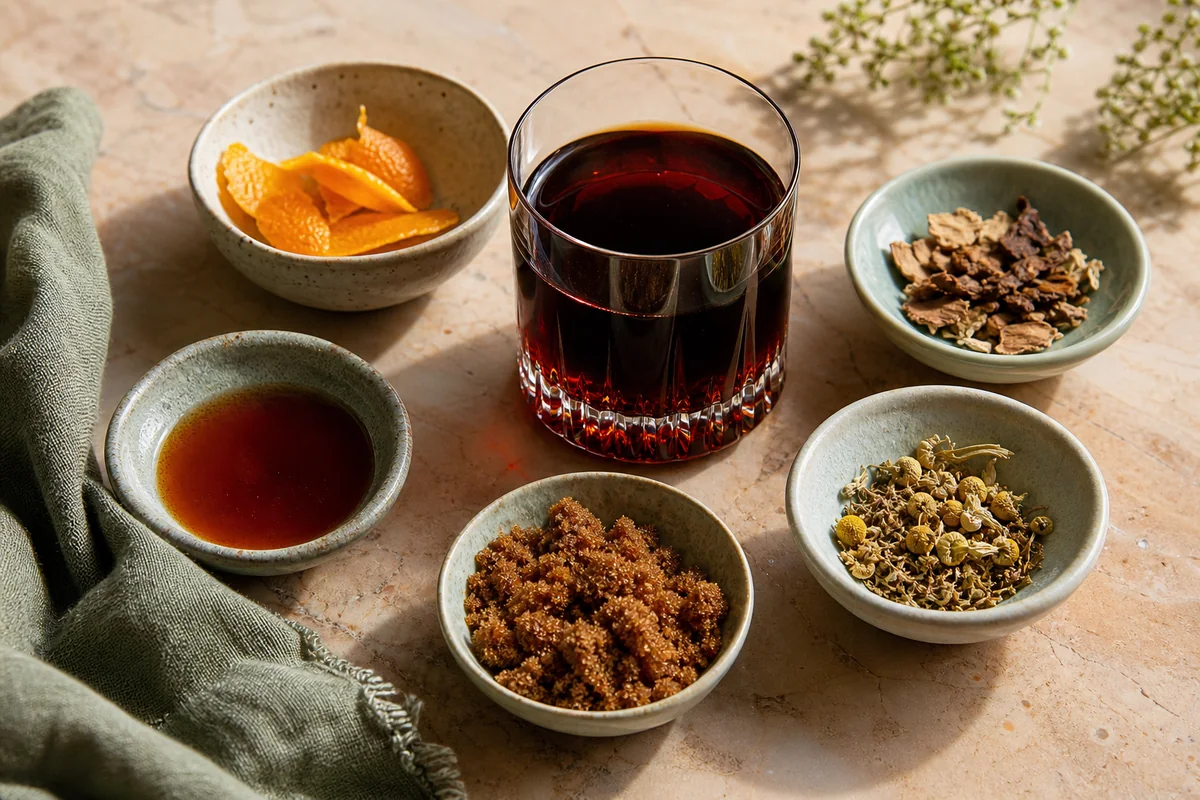
5 Best Amer Picon Substitutes for Home Cooks
Ingredients
Equipment
Method
- Choose the closest match by flavor goal: bitter backbone (amaro + orange bitters) vs lighter orange (Aperol + orange bitters).
- Use the table ratio to replace Amer Picon (then taste after dilution-free sampling).
- If it tastes too sweet, add dashes of orange bitters (or a bitter liqueur) rather than more citrus syrup.
- If it tastes too harsh, dilute slightly with a splash of water or chilled spirit base (and re-taste).
- For stirred cocktails, let the first mix sit 30–60 seconds so the bitter and orange notes integrate.
Notes
- Orange bitters are the key lever for restoring Amer Picon’s citrus bitterness when the substitute is too sweet.
- Taste adjustments should happen after mixing with a small amount of base (water or spirit), since straight liqueurs read sharper.
Tried this recipe?
Let us know how it was!
Carrie is a food writer and editor with more than 15 years of experience. She has worked for some of the biggest names in the food industry, including Bon Appétit, Food & Wine, and Martha Stewart Living.
As the Editor in Chief of EpicureDelight, Carrie oversees all of the content on the site. She also manages the team of contributing writers and editors, who help to create delicious recipes, helpful tips, and informative articles that you’ll find on the site.
A native of the Chicago area, Carrie is passionate about all things food. She loves trying new restaurants and experimenting with new recipes in her kitchen. She’s also a graduate of the Culinary Institute of America, so she knows a thing or two about food!



